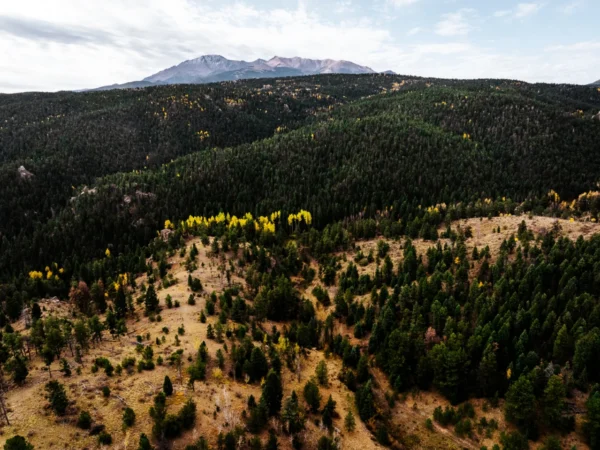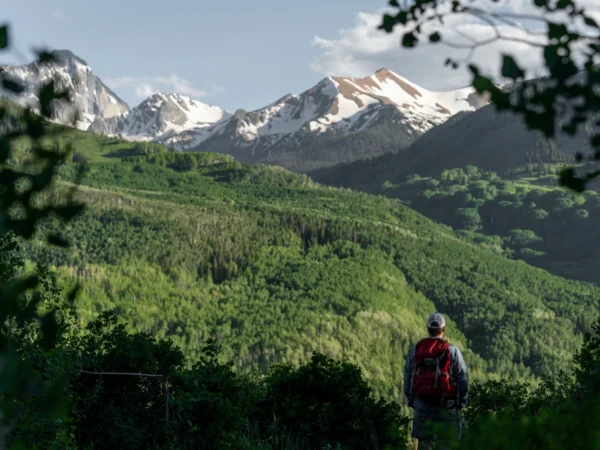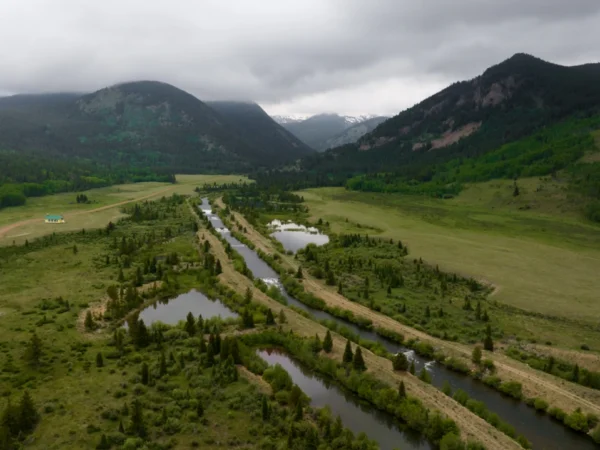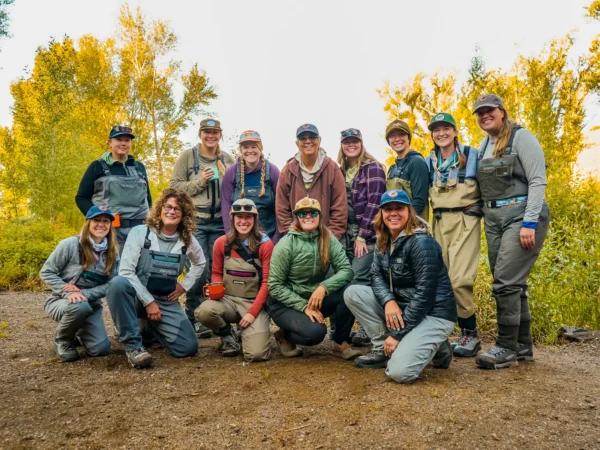

Sale of 30,000-acre Cucharas Ranch to The Nature Conservancy exemplifies the very best in land conservation
Read more

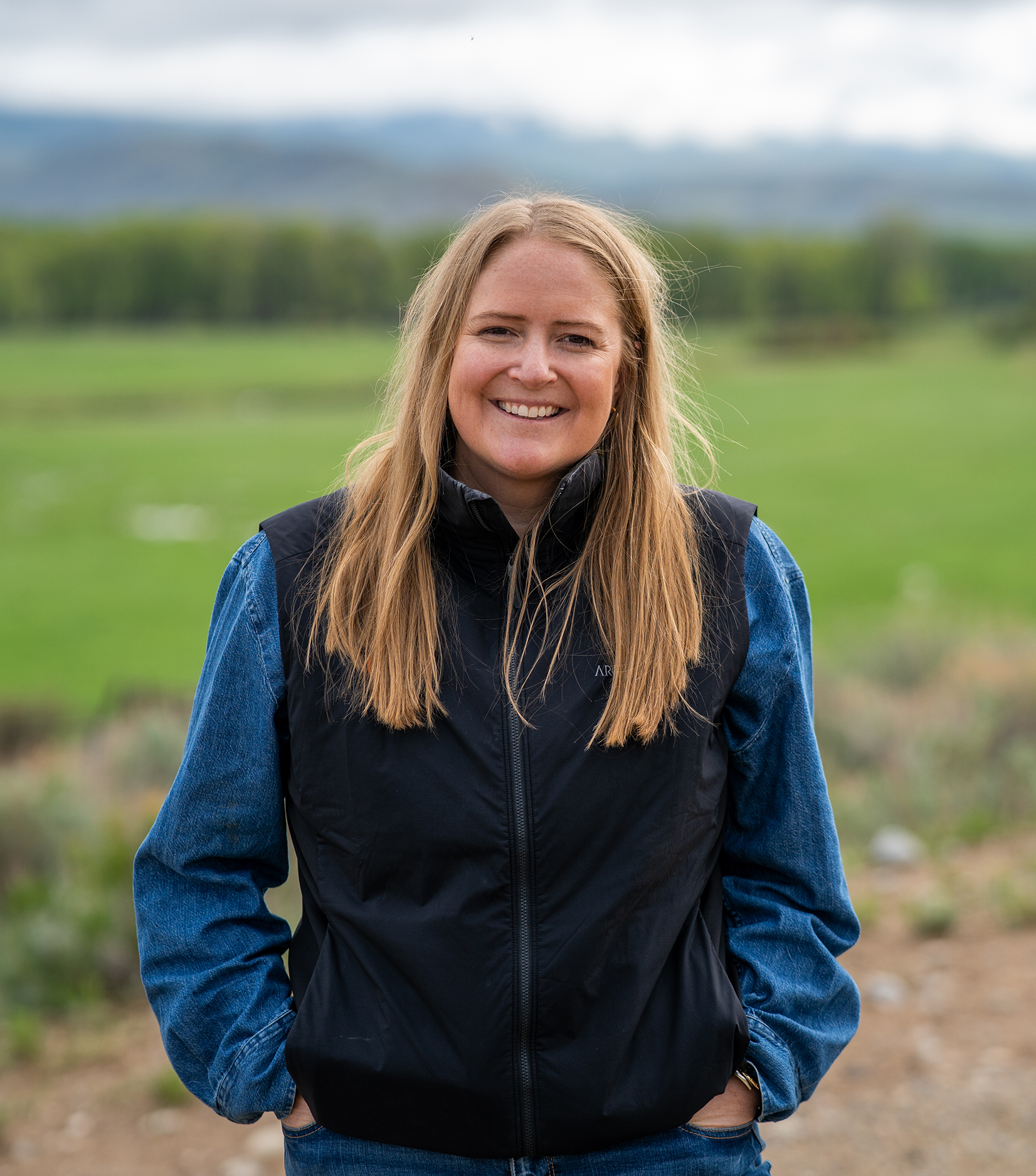


Haley takes a peek behind the camera with conservation photographer Dave Showalter to explore the power of imagery and storytelling in land stewardship. Dave shares his journey from corporate life to full-time conservation work, explains why prairie lands and rivers hold such vital ecological importance, and shows how photography can unite ranchers, scientists, and communities around shared conservation goals.
Links
Living River: The Promise of the Mighty Colorado
Want to watch this episode? Check it out on our YouTube!
Haley Mirr (00:06):
Welcome back to the Land Bulletin podcast, where every other week we bring you experts in the field to impart their knowledge when it comes to the ranch and sporting property market, buying and selling advice, the latest, best stewardship practices, as well as topics that impact landowners every day. I’m your host, Haley Mer. Let’s jump in.
(00:25):
Well, welcome back to the Land Bulletin podcast. It’s Haley Mer here, and today we’re going to be looking at another deep dive into the intersection of art conservation in the west. And to help me out today is conservation photographer and author Dave Schal. Welcome to the show, Dave.
David Showalter (00:41):
Thanks. It’s an honor to be here.
Haley Mirr (00:43):
I heard of you through my mom and my dad has now become a big fan of yours and your photography, so I’m really excited for this conversation and to kind of hear about your story. So before we get into it, because photography is a big part of what we do and evoking emotions about the ranches that we work on, I’d love to know what drew you first to nature photography and now to kind of conservation photography.
David Showalter (01:09):
Sure. So going way, way back when I was a kid, I did a lot of river fishing and I grew up in Rockford, Illinois and the Rock River ran through the city, well still does. And so with my buddies, we would go to the river and when you go river fishing, you are watching nature unfold. You are there at dawn and you see the kingfisher and the ducks and everything’s happening around you. You see the day come to life. And I honestly think those were the seeds my folks took us on driving vacations around the country. And we did a lot of fishing while we were traveling. So by the time I was out of high school, I’d seen 46 states or something like that. I knew that I loved the west and I came here for a sales job actually, and my wife Marla and I started backpacking and that’s when I knew I needed to start making pictures. And as soon as I looked through a viewfinder for the first time, it changed the way I interpret the world around me and my place in it. And the big catalyst was a backpacking trip to the bottom of the Grand Canyon, and that was probably 35 years ago at least. And the pictures that I made on a point shoot were terrible. And then I bought a real camera and that’s all I wanted to do ever since.
Haley Mirr (02:36):
That’s amazing. So when did you go from the Corporate America job to doing what you’re doing today?
David Showalter (02:42):
Yeah, so I did that for 23 years and at age 50 I went full-time, so I’ll just reveal myself completely. I’ve been full-time for 17 years. Prior to that, I had published a book about the Colorado Prairie and I had a pretty clear picture of what I wanted to do. Getting there is a big challenge though, and through the grace of my wife who had health insurance and just knew how important I felt the work was or is, I was able to go and haven’t looked back.
Haley Mirr (03:18):
Yeah, that’s amazing. It’s neat too because I feel like photography back in the day when beer stat and everything like that used to paint things of the west and try to evoke this sense of place to people on the East coast and things, I feel like photography has become that new medium for people in a lot of ways.
David Showalter (03:37):
I think so, yeah, I think you’re absolutely right. You’re onto something
Haley Mirr (03:42):
And I’d love to go into how can photos and imagery be used to inspire conservation and conservation action? This ethos that you’ve kind of gone into with conservation photography, and maybe we can talk about that first. When you think of conservation photography, what does that really mean?
David Showalter (04:01):
So I always had a sense that I wanted my work to stand for something and I didn’t know how you do that. And I was working on this prairie book and it was oh six, and there was a North American Nature Photographers Association meeting in Denver and the International League of Conservation photographers had just formed and a lot of my heroes were there and I learned about this thing, conservation photography and the people were combining story with image, beautiful imagery or sometimes not so beautiful, but storytelling imagery and with partners to create a narrative. And I think that’s just to get to the heart of your first part of the question. I think that’s the essence of how we make for meaningful changes. We combine story, we take people on a journey with us, essentially with the imagery, so they have a place to enter that space to say, Hey, come on, let’s go for a walk and let’s go to the river. Let’s go down the river together virtually there’s a lot of power in that, whereas just an image by itself. I remember there was a time when people would say things like, oh, if I make beautiful enough pictures, other people will care and it just doesn’t work that way.
(05:18):
So that was my entry into storytelling, photography and to this day I feel like it’s the most powerful tool we have now. We have lots more tools. We can use multimedia or story maps or we can create movies, we can do a lot of things, but the essence of it is imagery with story.
Haley Mirr (05:38):
And how do you start maybe the script and the storyline when you see a threatened landscape and you really want to kind of evoke this sense of the people that are looking at this photography to care and to kind of feel connected to this space. How do you start, what’s your creative process with some of that? I know it’s a loaded question.
David Showalter (06:01):
It’s a lot of initially throwing spaghetti against the wall, but honestly it starts for me, it starts with something that bugs me oftentimes. And with that, I’ll give an example. So when I started my Sagebrush ecosystem story, which became Sage spirit, that was the beginning of the fracking boom, really taking over in the west and lots of land was getting leased and I had never seen a sage grouse, but I knew it was important and I did a bunch of research, so it’s as organic as it can be. And I found out that Audubon Rockies had the best science and they had this layered campaign and I just called them up and said, can I come see you? I had like to talk about an idea I have. And so I think it starts with something that you think is important for whatever reasons, and then you start looking for partners to collaborate with, to row together. Because in this world, things are so complex and layered that we can’t do anything by ourselves and we need partners. And then when you produce something, then it gives you the ability to amplify that message through your partners and through those relationships. And so all of that matters, and that’s kind of how I start.
Haley Mirr (07:24):
Okay. And what are some of your favorite projects that you worked on and what partners kind of went through that with you?
David Showalter (07:33):
Favorite projects? Well, so I’ve published three books, my Prairie book that just came from a love of Wandering the Prairie here in Colorado and knowing that the Prairie was underserved, a lot of that in the beginning was soul shooting, where I was just out filling my cup, touching nature, being touched back, all that stuff. And I still like when I’m home, that’s what I crave, that’s what I want to do. I want to take my camera, not a big kit, not a giant pack, one camera, one lens and go for a walk on the prairie. So that very close to home ecosystem still touches my heart deeply. And so each project Sagebrush Project, that’s a whole different thing. It’s still a wide open, underserved, largely misunderstood working landscape and with lots of moving parts of private and public and just everything you can imagine out there. And similar to Prairie folks think of it as drive-through country and if you just get out of your car and go for a walk, you find out that it’s anything. So I was touched by the sage in very similar ways and still am as by the prairie and then rivers, it was such an easy transition to move to telling the story of the Colorado River because rivers connect us all. It connects everything that’s alive in this part of the West, and that’s really powerful stuff to carry with you. So
Haley Mirr (09:11):
I love that. And I love kind of the transition of where you’ve kind of taken all of these different projects. And to your point, I mean even when we’re talking to conservation groups, places like these big sage rush landscapes and these prairies, that’s where some of the most important ecosystems really exist When you think of the less, you think of national parks and the mountains and these huge landscapes, but the really important ones are the ones that are kind of what you were just talking about. So it’s cool to be able to capture the beauty that exists there and then as a result, get people to care about these places.
David Showalter (09:47):
So with this current public lands controversy that we’re all faced with, that’s a big part of my message is none of these national parks that we rightfully adore so much in the West can function on their own. They need people call ’em buffer lands. I call ’em sustaining lands. They need those BLM and US Forest Service lands and yes, private lands that surround the national parks because the land breathes with animals moving in and out seasonally. These aren’t static places, they’re dynamic living landscapes. And the whole thing is a mosaic that has to work together. And that’s where these undervalued space take on really out spaces take on really outsized importance, I think.
Haley Mirr (10:35):
Yeah, I think that’s a huge point. It’s all connected. We can’t just rely on a space to exist alone. And that’s where the rivers, even the connectivity from the public land to the private land to the rivers, it’s all connected out west. And I think that’s what all of your stories are really telling, which thank you for pointing that out about all the things that are happening right now. Have you seen your work directly influence any policies, protections, or how people manage land through your years of doing some of this conservation work?
David Showalter (11:04):
Those kinds of outcomes are kind of squishy. They’re hard to grab onto and to hold. I have seen a couple of positive outcomes, but I caution answering that in the way that my work did these things because it’s always a community effort and a lot of people are engaged whenever we have big issues to tackle. And so direct policy outcomes, no, but I do work with the people that are in the rooms affecting policy big time. And so I would say I’m another person rowing in the same direction of a community of folks that are endeavoring to do really good work.
Haley Mirr (11:50):
Well, I feel like you’re kind of a tool that they can use at their disposal to make a lot of this change happen. And what are some of the big groups, I know Audubon Society, what are some of these other kind of local or national groups that you’ve worked with?
David Showalter (12:05):
Quite a few. Audubon Rockies, which is based here in Fort Collins. Allison Holleran runs Audubon Rockies and she’s a dear friend and we’ve worked together on lots of projects and we’re just partners. We see things the same and we see the world needing to be collaborative and not divided. And for the River Project, the Nature Conservancy was big in a variety of places. Trout Unlimited in the headwaters.
(12:42):
There’s lots of different kinds of partnerships. I’ve worked with Sage Grouse Initiative ranchers on the SAGE Project, and that was a great experience. And agencies, Colorado Parks and Wildlife for instance, has been great in certain circumstances. I think you just look for the right people in different spaces to where you both agree on something and you agree to row together. I’ve never had a political conversation with anybody out doing conservation work. We just agree to work together. And that’s been one of the great parts of this journey is just the idea that Westerners pretty much have a strong desire to work with one another and to not let our differences be something that sets us apart. So yeah, it’s been really great that way.
Haley Mirr (13:44):
And I’d love to know too, you mentioned working with ranchers and it would behoove me to ask you, but how was that experience working with ranchers and how do you think they kind of have an important impact in say, in how some of this conservation work happens?
David Showalter (14:01):
So the West is a mosaic and it’s public and private land and in some places it’s pretty hard to sort out the checkerboard what is private and what is public. And that was my experience when I was working on the eastern half of Colorado Prairie, and I’ll share with you and everybody that I came to my first meeting with a rancher with a kind of city boy mindset, I had sort of some set ideas of what I thought ranching was, and the first time we sat down at a kitchen table together and talked about stuff we agreed on, and it was just so cordial and so kind and so warm. I felt at home, I felt welcome, my eyes were wide open. And I realized then that yeah, it takes all of us and that there’s these wonderful windows of opportunity to work together on really important stuff and that if that rancher has good grass and that’s their inventory and they’re really proud of that good grass and you know what I mean
(15:12):
That engenders so much life. And this particular rancher was welcoming CSU students on their land to study swift foxes. And so there was this marriage of conservation and ranching and love of land that was really beautiful and that’s very attractive to me.
Haley Mirr (15:31):
Yeah, they’re the nicest group of people I’ve ever had the pleasure of working with. And in some cases they know the land better than anyone because they, to your point, they’ve had to deal with a lot of different diseases in their fields or they’ve had to deal with drought or they’ve had to deal with X, Y, and Z, but they always figure out how to live with that. So it’s really neat to work with a lot of those people. And to your point, everyone has the same motive. They want the landscapes to exist and to thrive and to be sustainable. So I love that point of having it be a mosaic and kind of all working towards the same goal.
David Showalter (16:08):
Can I tell you about another one?
Haley Mirr (16:09):
Oh, of course. I love talking about ranchers.
David Showalter (16:17):
Yeah. I went to a land management group because I wanted to approach a rancher who was working with the Sage Grouse Initiative, which is a department of Ag program where easements are placed on lands in the sagebrush ecosystem to protect habitat for sage grouse and other species. And I went up and saw Heather Sterling by Hayden Colorado. And Heather is quite a character as I recall. She had 9,600 acres, all of it was under easement except for a small patch for potatoes that she grew for VA to make vodka
Haley Mirr (16:53):
Awesome.
David Showalter (16:55):
And she told me at the outset, yes, Dave, I raised cows, but what I really do here is I grow birds. And she was really proud to have, I think four species of grouse on her land, three or four and nesting sandhill cranes. And we just became instant friends and it was a wonderful experience there as well. And sometimes I think we just have to go into these situations as totally open, people open to the idea that we might share the same conservation heart.
Haley Mirr (17:29):
And where do you see that conservation ethos and mindset? As we’re seeing a lot of different types of landowners joining the conversation and becoming landowners, we’re seeing some of these changes in policy. How do you think this kind of future of conservation photography is going to go in the future?
David Showalter (17:52):
Well, conservation photography by definition is collaborative. And so everybody I know, particularly my friends in this part of the world, in the American West, think collaboratively and kind of see no boundaries that way where we’re just looking for good partners. And I think if you scale that up in the west, that needs to be the ethos of all of us if we want to hang on to the west that we know and love so much. And so yeah, just come with a good heart, be open and work on stuff that you agree on and we can do great things together. And I don’t know if I answered your question at all, but
Haley Mirr (18:35):
No, it’s perfect. I mean, I love the collaborative kind of piece of all this kind of how one landscape can exist without the other. People just don’t get that about some of these landscapes until they get boots on the ground and they actually talk to some of these people. And I love because I love hearing your stories, Dave, and I think that’s what makes life great. I’d love to know some of your most memorable in unexpected moments you’ve experienced while you’ve been out in the field. You had some of those conversations with these ranchers, but I’d love to know, have there been times where you were doing the Braided River project and all these different things, like unexpected things that you might’ve experienced along the way? There’s
David Showalter (19:19):
So many more Recently, I was on the Gila River, the upper Gila River, and the Nature Conservancy has a farm there that was donated to them. And so with that, they have a water and they’re a strong part of the ranching community in that part of the world, and there’s pasture grass there. And all week I was there for a full week and it was autumn all week. I could hear Sandhill cranes and I could never see them. They were deep in this pasture grass, and I’m kind of an emotionally wired guy and I am having a tearful goodbye. I’m like, okay, Gila River, I got to go. I love you. And just then a pair of sandal cranes lifted off and they flew right to left in front of a canopy of gold and orange cottonwood and Sycamore, and that was a really poignant moment.
Haley Mirr (20:14):
Yeah, I’ve never been to the Gila until recently, and it is for those listening who don’t know what we’re talking about, it’s one of the most remarkable areas of the world I would say. And actually there’s a fire happening pretty close. We have a client down there, she’s amazing, and we keep checking on her, but it’s just really remarkable, the history, the landscape, it’s kind of in the middle of nowhere. So it’s protected in a lot of ways because wilderness going around a lot of that that you can’t enter except for that one little road that goes up from the south. But that’s amazing. I love those kinds of moments where you just kind of realize this is why I do what I do. So thank you for sharing all of that. And then beyond some of these stories, and I know obviously you have a passion for some of these kind of larger landscapes with the sage and these eastern prairies, but is there one landscape in particular that you just love to shoot? And maybe it’s something we haven’t talked about today, but I’d love to know kind of the most fun type of landscape to shoot when you’re out there.
David Showalter (21:25):
So I already talked about my love of prairie and soul shooting on the prairie and the riparian zone in Western Rivers is so rich and so vibrant and just buzzing with life. You’re in an arid landscape and you’ve got water running through it and everything has to go to the river. And that’s my drug these days is just the beginning of my project. My pal Mike, I was explaining to him, there’s so much going on. Mike Forsberg is a great conservation photographer, and unlike Mike, how do I winnow this down to focus on something? And he goes, just go to the river and just breathe. So a lot of the time I just go sit by the river and see who’s going to show up kind of a thing. So I come with different approaches, but being in the floodplain of a great Western river is just super exciting to me. You just can’t help but know that the river is alive for all the life that it carries in flow.
Haley Mirr (22:32):
Yeah, that’s amazing. We got to get you up to one of our ranches up in green. It’s on the Colorado, which I know has a place in your heart, but it’s called the Reeder Creek Ranch. I think you would really enjoy what you see up there, so we’ll schedule some time for you to get up there. I feel the same way every time I’m up there and I get a little anxiety when I see rivers, I have to say, because I always just fear for the future of some of these things because of that feeling and because how important it is. So it’s important that you’re kind of bringing that to the masses with this project, and I’d love to know for those trying to enter this space. I will tell you, Ken, he would love to be on this call for a while. He wanted to, it was either going into conservation work or he wanted to be a nature photographer and he wanted to work for National Geographic. That was his dream. So for those young Kens who are thinking of getting into nature or conservation photography, what would be some of the advice that you might give them?
David Showalter (23:40):
I am very honest with folks that come to me and ask for advice these days. It’s really hard to get traction in this business. There aren’t as many magazines as there used to be. And so in outdoor photography, there’s a couple of routes you can go, but basically you can be a nature photographer who mostly sells prints and maybe publishes some stuff, and people get creative and they teach and they do cards, and they do lots of different things. And some folks sell lots and lots of prints, and they can make it that way. If you’re a conservation minded person. I always ask folks, well, what do you have to say? Because that’s where all of this comes from, is your own personal ethos, what’s in your core, what’s in your heart. So you can start down that path and develop partners and all that stuff, but you’re probably going to also need a baseline income while you’re getting your business going.
(24:47):
And another friend, Christina Miter Meyer, who founded the International League of Conservation Photographers, I’ve heard that what she tells folks is, I can’t tell you how to do it, but if you want it bad enough, you’ll figure it out. And I’ve seen that play out with quite a few of my colleagues. Some of these people are just so impressive for their sticktuitiveness and their creative way of thinking and creating. And that’s the other part of it is we bring our authentic selves to all of this. And that’s the big intangible is how is that going to play out when you choose to develop this into a business or something. But if we don’t think so lofty about turning it into a business and we just think about, I want to do some good, maybe it starts there. Everybody can tell a story. We can all make better Instagram posts, we can all try to bring people along on our journey with us. We are having conversations with people anyway. It’s a lot richer if you come to that conversation as a witness and you have something to share. And there’s enormous value in being a witness because a lot of people aren’t out there sitting in the river floodplain and taking in the cacophony of birds that fill up your Merlin app as soon as you turn it on. So there’s a lot of ways to come at it. Just be really pragmatic as you begin because it will be frustrating and challenging. But anything worth doing is exactly that,
Haley Mirr (26:15):
I would say. And I think if you care about something, as much as it sounds like you care about these landscapes, you’ll figure out a way to do it and tell those stories.
David Showalter (26:26):
I have no choice at this point. This is all I can do.
Haley Mirr (26:30):
This is it.
David Showalter (26:34):
I had like to share two anecdotes, if I may.
Haley Mirr (26:37):
Of course.
David Showalter (26:39):
We talked about outcomes briefly a minute ago, and I was drawn into, this was 20 11, 20 12, something like that. I was drawn into a situation in Wyoming where Noble Basin, which is the headwaters of the Hoback River, basically the Hoback flows into the snake near Jackson Hole. It was to be leased to be a giant energy field, and it was a terrible place to put that. And I made a few pictures. Nobody else was making pictures in there. And the townspeople, this was called a blue collar wilderness basically because it was a fishing hunting kind of a place, but it was also really important for migrating mule deer. And eventually grizzly bears got in there when they were endangered, and that kind of delayed the process, and it was leased, but it wasn’t getting drilled. And 60,000 people showed up at meetings and they wrote letters and they made themselves heard.
(27:40):
And ultimately, those lands that got dragged out and those lands got purchased by trust for public land and returned to the American people. And I was grateful that my pictures were used for some of that. So that was a super positive outcome. And I’ll just share one other thing. So folks asked me about the Colorado River project, and I worked all over the place in different tributaries, and it was kind of challenging to put it all together. I wasn’t following just the main stem of the river. I was looking at the whole watershed and trying to think in terms of what’s it like to be one of 40 million in this watershed? But the way it turned out was everywhere I went, I was locating, I was finding a river keeper, somebody that was doing great conservation work and building a community to save their part of the upper Gila, their part of the Green River, their part of fill in the blank, the headwaters, and all those people were building community. And in a real sense, everywhere I go now, it feels like I’m in the same place because I arrive and I’m with these people that have this big conservation heart and they all want to work together to do some good. And it’s just the most beautiful part of what I get to do is to be with these wonderful folks.
Haley Mirr (28:59):
That’s amazing. That’s a beautiful anecdote, and that’s kind of why we do what we do. We love working with these people around the west that are in these rural communities that care about the same thing and have this goal to kind of protect the west and keep it the west. So we really appreciate everything that you’re doing, Dave. I will be purchasing your books maybe for myself or for gifts for my dad, and we hope to get you on one of these ranches one of these days. If you have the time.
David Showalter (29:28):
I’ve heard the legend of Reeder Creek, and if we can go this afternoon, I’m ready.
Haley Mirr (29:33):
Perfect. Well, I’ll let the family know. They’d love to have you. Well, thank you, Dave, for coming on the show. We’d love to maybe do a follow-up episode, I’m sure our listeners just love hearing your stories and what you’re doing out there. And for those listening, is there a place that you’d like to let people know where they can find your book or your story or some of the things that you’re working on?
David Showalter (29:56):
My publisher is Braided River, and my website is dave showalter.com, and the book is also available at Amazon and indie bookstores and pretty much everywhere. I see it quite a bit when I go into bookstores around the west.
Haley Mirr (30:11):
That’s amazing.
David Showalter (30:12):
Yeah.
Haley Mirr (30:13):
Well, congrats and on an incredible career and everything that you’re doing for being on the show, our little land bulletin. So thanks for coming on.
David Showalter (30:23):
Thanks for having me, and thanks for your important work.
Haley Mirr (30:25):
Thank you. Thanks for joining us today. To learn more about the ranch real estate market or our ranch marketing process, make sure to subscribe to our newsletter on our [email protected] or give us a call at (855) 928-1479. See you next time.
Be the first to see the latest Ranch news and advice
 0
0
Start saving properties by clicking the + button on any property page.