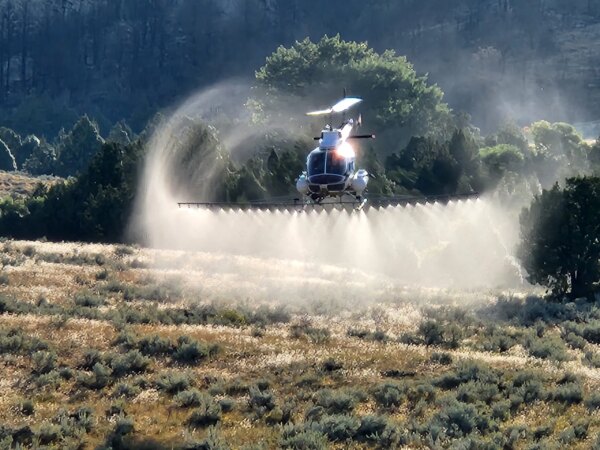

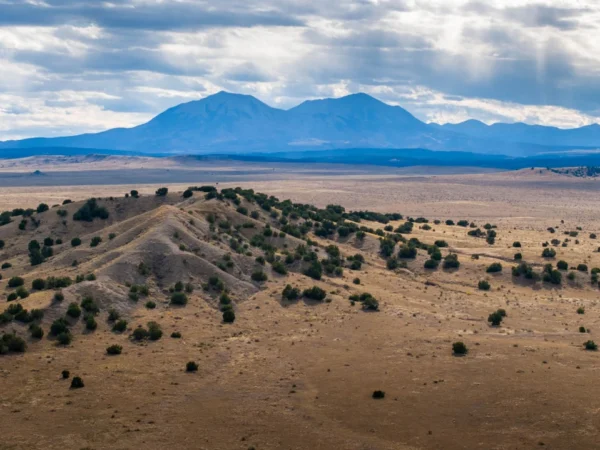
Sale of 30,000-acre Cucharas Ranch to The Nature Conservancy exemplifies the very best in land conservation
Read more
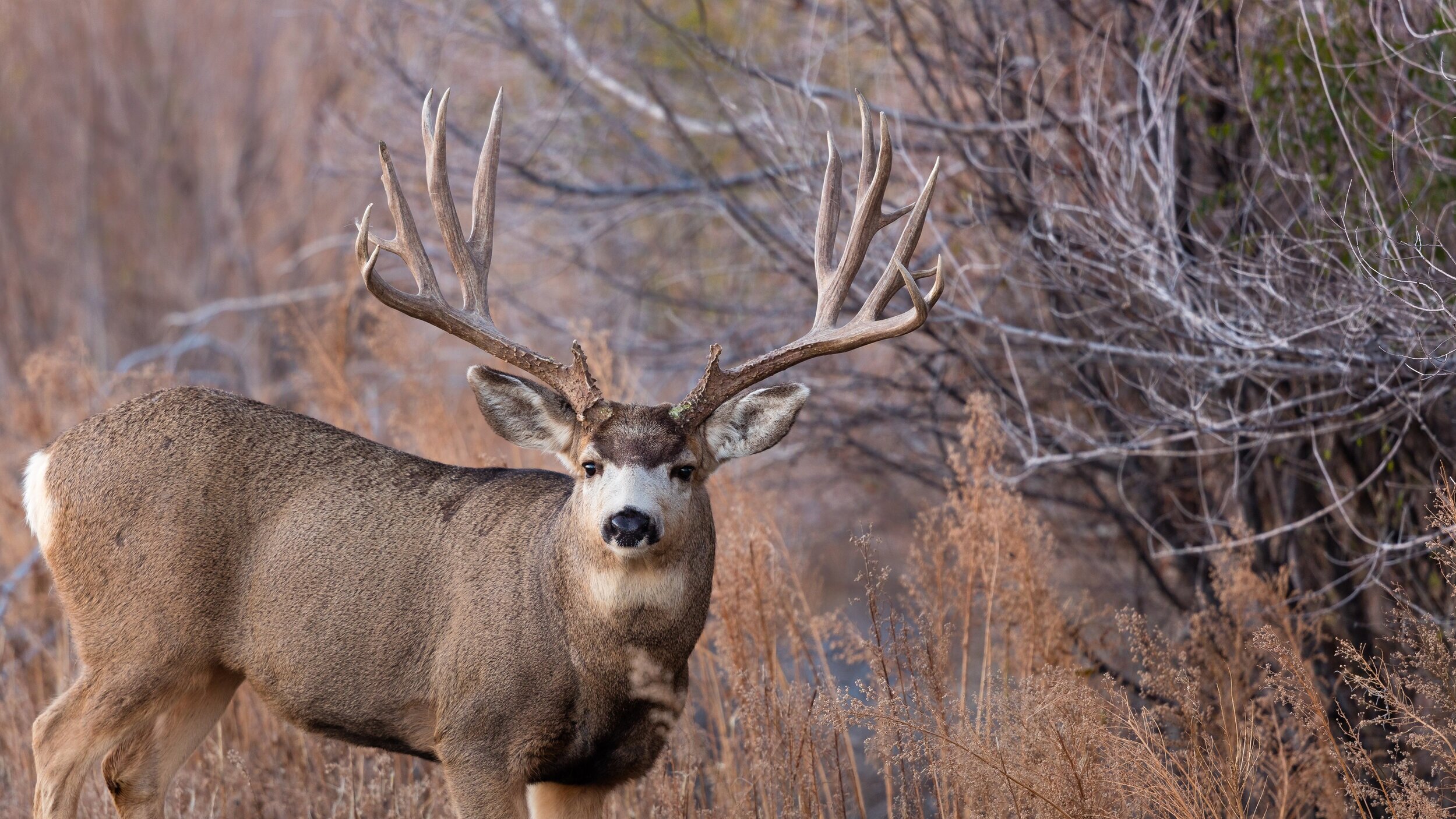
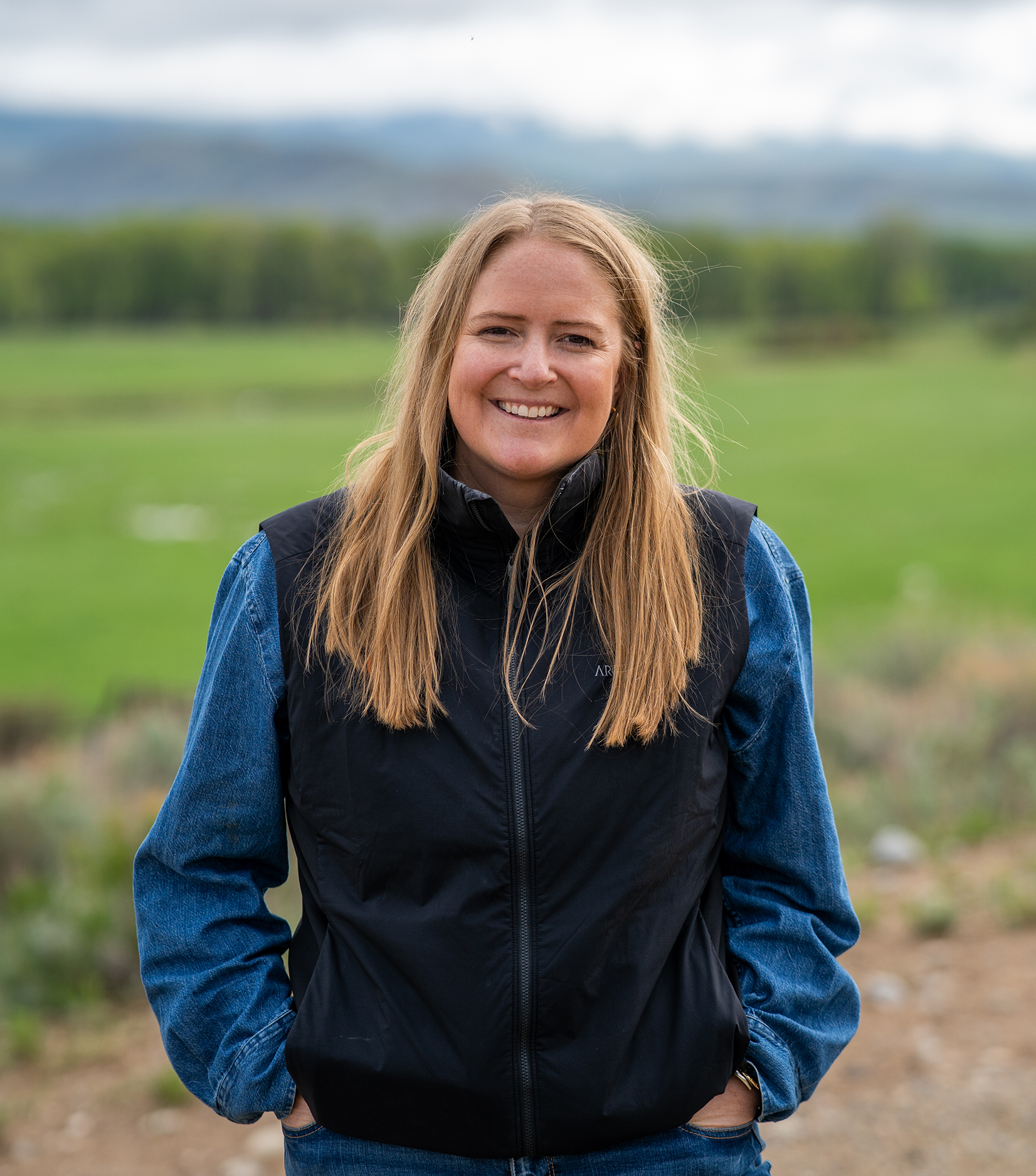


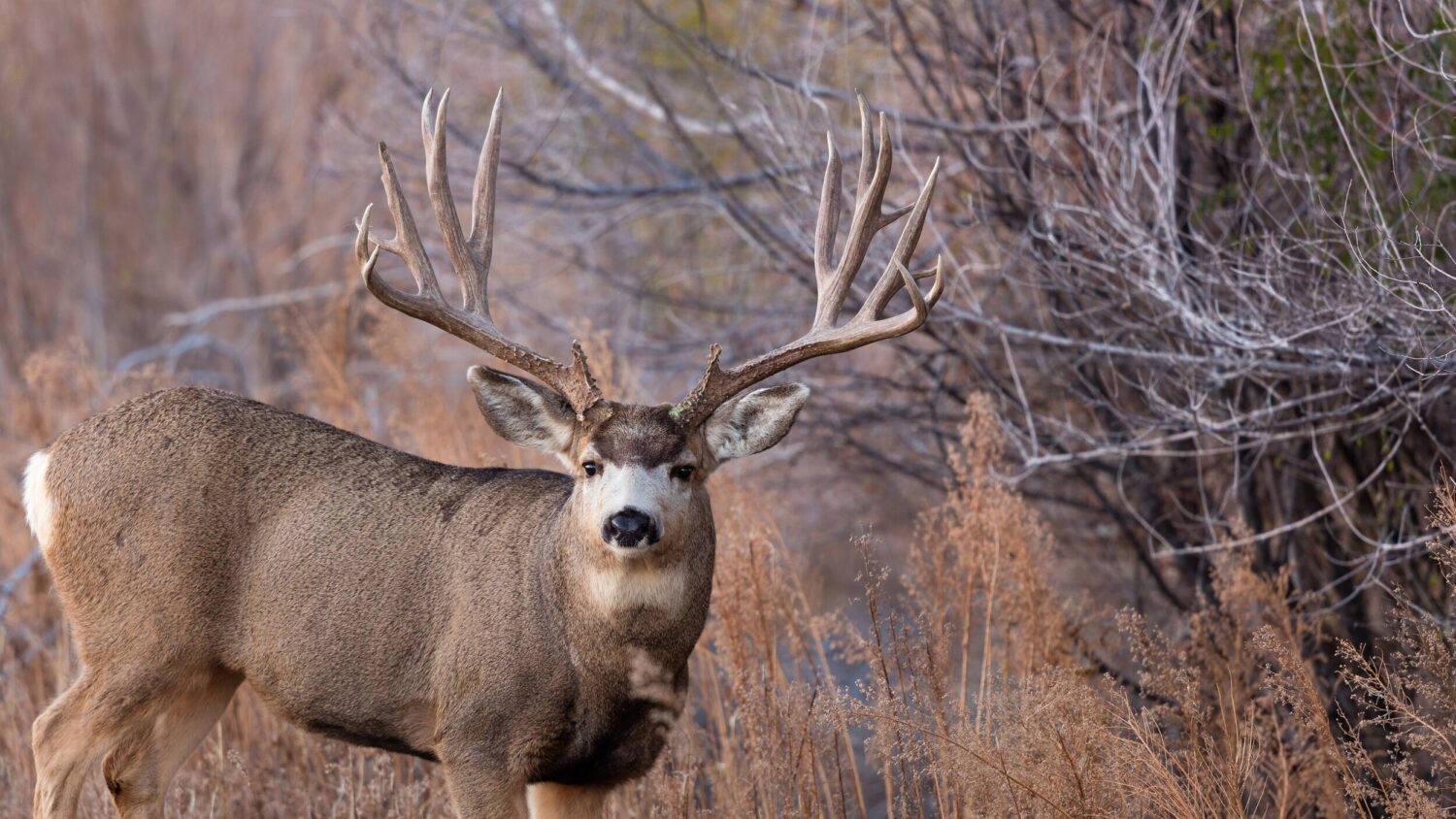
Haley is joined once again by fan-favorite guest Josh Coursey, co-founder of the Muley Fanatic Foundation (MFF), for an update on the latest in mule deer conservation. Josh shares what’s new with MFF, from tackling the effects of a brutal winter to spearheading key initiatives like wildlife crossings and habitat protection.
Plus, we dive into Josh’s new role on the Wyoming Stock Growers Land Trust board and how it’s shaping his work in conservation. With major collaborations underway to protect working landscapes and migration corridors, this episode is packed with insights you won’t want to miss. Tune in and find out how you can get involved—no matter where you are!
Want to watch this episode? Check it out on YouTube now!
Haley Mirr (00:06):
Welcome back to the Land Bulletin podcast, where every other week we bring you experts in the field to impart their knowledge when it comes to the ranch and sporting property market, buying and selling advice, the latest, best stewardship practices, as well as topics that impact landowners every day. I’m your host, Haley Mer. Let’s jump in. Hey, welcome back to the Land Bulletin podcast. I’m Haley Mirr, and today we’re having a previous guest on the show, Joshua Coursey of the Muley Fanatic Foundation to just check in with Muley Fanatic Foundation, see if there’s new things that have been happening, and then to congratulate you on your new board position at Wyoming Stock Growers. So without further ado, welcome Josh back to the podcast.
Josh Coursey (00:47):
Yeah, thanks Haley. It’s great to be here. Appreciate the kind world.
Haley Mirr (00:52):
Yeah, of course. We were looking at our kind of most listened to podcast last year and you were definitely a fan favorite, so we were like, let’s check back in with these guys and see what’s going on.
Josh Coursey (01:03):
Wow. Very humbling. Yeah, thanks for saying that. No, of course. Things are good. This is a very busy time of year for us with our chapter efforts and then the big event that we produce with the Wyoming game and Fish department called Mule Deer Days. That’ll be coming up here next week, March 21st, 22nd and 23rd. So it’s a heavy lift to try to do that in the same timeframe as all of our chapter events that are going on. So it, it’s a hundred miles an hour burning the candle at both ends right now.
Haley Mirr (01:37):
Well, tell me a little bit about that event. What does that entail that you guys are getting ready for?
Josh Coursey (01:42):
Yeah, so Mule Deer Days, this will be the third annual event of Mule Deer days, and it was an event that really came together in visiting with our former director of Wyoming Game and Fish Department, Brian Nesbit. It was an event that was designed or the impetus of it was to be a statewide mule deer conservation event, but really beyond the state to poll regionally, we’ve had a lot of participation and visitors that come from Utah, Colorado, Idaho, Nebraska, Wyoming being as small demographics as it has in its population base, doesn’t have the big sportsman type expos that some of the other states to our south and to our west have. And so this was an opportunity that we thought we could put on an event in Wyoming that could grow. We knew that it was probably going to take five years to get it dialed in, but each year it gets a little bit better and we feel like it’s reaching what its benchmark was and it’s different than other Sportsman’s expos.
(02:49):
There’s certainly that variable that you would recognize with any other sportsman type show. We have a lot of vendors. All of our vendors, our spaces are full on that. It’s a free event to the public, but then there are other activities within the event. There’s a Ku u Deer Camp dinner Friday night, there’s a banquet casino night on Saturday night. There’s a life member only gathering on Saturday afternoon. But then throughout, in addition to the vendor show, there are kid activities that the Game and Fish does through their Inspire a kid initiative that really promote the need for our hunting heritage. And then there are educational seminars all three days, every hour on the hour from field experts within their fields, whether it’s science and research or updates from the game and fish with chronic wasting disease. But the vendors that we have, many of them are taking on seminars. So yeah, it’s just a huge event and really if someone is interested or wants more information, we have a website specific to that event. In addition to our organizational website, muleyfanatic.org, there is a website, muledeerdays.org where folks can go and kind of see the lineup, learn what the activities look like and the schedule of such.
Haley Mirr (04:11):
And who are some of your favorite partners that you’re working with on something like that? I know you guys are all about protecting the habitat and the mule deer in general, but what scientists, who are some of these other people that are kind of helping with connecting the sports world to this?
Josh Coursey (04:29):
Yeah, so three years ago we committed $250,000 commitment to the University of Wyoming through the Hobbes School for an MFF fellow. And we are now on our second fellow, the first fellow, Dr. Taylor Lahar has moved on and is now a professor at Utah State University. But her replacement in this new fellow program is a scientist by the name of Rebecca Rafferty, who is working on her PhD in the Wyoming range, which is truly a national treasure. It’s an iconic deer herd in western Wyoming. And so the Monte shop has been a strong partner of ours from the University of Wyoming for a very long time. I think last time when I was on, we had mentioned the PhD project that we had launched in 2015 to really look at the competition between ence, both elk and deer on the landscape and growing elk populations and declining mule deer populations. So I mean, all of our partners are valuable, but we have a lot invested into this effort. Science and being a strong proponent of research is certainly a staple of the operation. So I don’t know if they’re the favorite, but they’re certainly one that I put great value with.
Haley Mirr (05:50):
That’s great. And what do these fellows go out to do? Is it a lot of educational things afterward or
Josh Coursey (05:57):
This is… It’s really very field intensive. Collaring, which involves helicopter captures and collaring of deer. Those are done twice a year. In fact, they are in the midst of their spring captures right now. They had wrapped up captures in December. And once those critters are captured, data is pulled from the collars. But then also there’s a battery of tests that are done on just the size of the animal. An ultrasound is done in the field this time of year to see what mom is carrying if they’re twins, what those sizes look like. Some aging is done, blood is drawn. I mean, there’s a host of just battery of tests that are completed when we get these hands-on opportunities with these critters.
Haley Mirr (06:48):
And since we’ve talked last, have the fellows or uly fanatics, have you guys seen a big change in any of the important herds? I know it takes a couple years for big changes to happen, but I know a couple winters ago it was a tough winter for a lot of mule deer. Did you guys see a big change last year since we chatted?
Josh Coursey (07:09):
Yeah, I mean, tough mean. It was devastating, to be quite frank that winter had a tremendous impact on our mul deer populations in western Wyoming, northwest Colorado. And so yeah, we did see a big change last year. We’ve seen a very, very great recruitment of fawns, but there’s a lot less mouths on the landscape to feed. And so having the mild winter that we’ve had this year is certainly going to help. It’s going to take a lot of patience to see our mule deer herds recover. It’s just going to take time and patience. But I think the other part of that is looking at the size of the critters going into winter in the captures in December, they were off the charts. We had never seen critters that large. And so when you look at body mass index, you really have to wrap your head around the idea that deer carry their fat like it’s fuel tank.
(08:05):
And so when you have deer going into winter with that much reserve to be able to withstand what mother nature might persist, it speaks volumes for their recovery knowing that the trajectory is at least pointed in the right direction. But meal deer numbers are still way below objective and there’s a lot of work to be done. I think the other part, in addition to how they withstand and navigate winter conditions, I think the other part of the research that is so important is looking at the vegetation index in the summer, looking at where we’ve had terrible fire seasons last year, being able to mobilize and know that it’s very important that we get ahead of the cheat grass. That certainly takes a toll on the landscape and habitat. And so there’s never a dull moment with the work that’s being done collecting fecal samples, looking at their nutritional objectives and what they’re eating on the landscape. And then I think the bigger picture, the 30,000 foot view is the movement of these critters and being able to identify where would key wildlife crossings be placed to help maintain migration corridor connectivity. So
Haley Mirr (09:22):
That’s awesome. And what were some of the big initiatives that you guys were focused on this past year?
Josh Coursey (09:27):
Yeah, so wildlife crossings is, it’s a very expensive effort. It takes a lot of stakeholders, a lot of partners, but they will break ground this late spring, early summer on a wildlife crossing that will be in southwestern Wyoming, south of Kimer. And that project includes five underpasses and one overpass. It’s almost a $40 million project. And again, there’s a ton of partners involved with this, but we’re very excited to see this project come to fruition. It will be a difference maker that you can quantify day one.
Haley Mirr (10:01):
That’s amazing. For those listening who might not be as familiar with wildlife crossings, what kind of creates a need for wildlife crossing? What do you guys look for? What are biologists looking for where it’s like, okay, this is where we need to have it? For the listeners who are like, I’ve seen those before, but why there?
Josh Coursey (10:21):
Yeah. So when you think about wildlife crossings, I think it’s easiest to probably put your head in a place where you think of building an obstruction or a road between your kitchen and your living room. And that’s really the essence of what wildlife crossings provide is being able to allow migrating ungulate like mul deer that need to transition from winter range to summer range or some range to winter range, doing that twice a year. And of course there’s a motorist safety component built into that in Wyoming alone, short of 10,000 deer or hit on highways and byways annually. And that’s a significant number. But the motorist safety component, certainly I think from the Wyoming Department of Transportation as a state agency, I think that’s priority one for them. But then being able to work with a partner like the Wyoming game and Fish Department, there’s a wildlife resource component as well. And so seeing those efforts come together and collaborate to be able to do good things is certainly something that’s real easy to get behind for us.
Haley Mirr (11:33):
That’s great. And looking forward into this next year, it sounds like you guys have a new podcast that you’re working on. You connected with the Wyoming Stock Growers Land Trusts. I’d love to know about what you guys are working on now.
Josh Coursey (11:48):
Yeah, so we launched a podcast called Wild Things in Wild Places July of 2023. So we’re almost two years into this now. And that’s something that I host on a weekly basis. Episodes come out every Tuesday and doing a podcast that can be a heavy lift when you have a new episode expected every Tuesday. And just the scheduling and worthwhile content that would keep folks not only interested but also engaged to the activities of the organization. So that continues to go well. I thought at some point we might reach a stalemate of finding good content, and I’ve never run into that yet, which is great. It’s always nice to be able to bring folks on that can visit about what they’re doing to benefit mul deer furthering the sport of hunting. And then as the podcast name indicates, wild things in wild places is very broad and really broad for a reason.
(12:53):
So we can talk about those special places that are near and dear to our heart. So yeah, the podcast is going good. The Wyoming Stock Growers Land Trust, and as you mentioned, I just recently was appointed to that board. I’m very excited about that. When you think about stock growers land trust, you tend to think of the ranching communities and our working landscapes. But I have found very early on in my effort in working with the stock growers land trust that these folks, certainly they care about working landscapes. We know how important those wide open spaces are and being able to have that heritage of what makes living in a place like Wyoming so blessed and so fortunate. But conservation easements, they’re very important when you can also take that step back and look how important these wide open landscapes are. And the benefit not only for the ag production that we certainly need, but also for our wildlife resources.
(14:01):
And Wyoming is unique in that 50% of Wyoming is privately owned and the other 50% is owned by public from across the United States Forest Service and BLM lands. But those privately owned landscapes provide critical habitat for our deer, whether it’s in winter range or summer range. And so there is no greater partner in my mind than being able to have solid relationships with private landowners knowing that their habitat is beyond the need for their ag production, but also for those that also inhabit those landscapes throughout the year. And so I’m very excited about the opportunity. I have a lot to learn, and I’ve gone into this with the idea to do a lot of listening, a lot of learning, a lot of understanding, and then be able to offer up where assistance might be needed that would be within the wheelhouse of what I could bring to the table.
Haley Mirr (14:59):
I feel like you bring a great perspective. I’ve had the pleasure of knowing a couple of board members on the Wyoming Stock Growers, and it seems that they do a really good job of getting a lot of different types of perspectives that have to do with kind of Wyoming at large and protecting these open spaces that mean so much from a sportsman to a rancher to a wildlife biologist. It’s kind of the full foray. And have you worked with Marissa with some of the migratory projects that are happening in Wyoming? I know she was a big part of that before.
Josh Coursey (15:34):
Yeah, so I’ve had an opportunity to work with Marissa now for a little over a year, which has been great, which quite frankly probably opened the door for the opportunity to be able to be asked to serve on the Wyoming Stock Growers Land Trust Board. But just recognizing that migration corridors when they first started to make some headlines a number of years ago before Governor Gordon had signed the executive order and prior to even Secretary Zinke at the time with his executive order coming from the secretary’s office during Trump 45, there was a lot of misinformation regarding migration corridors when you start talking about the identification of them. Because a line on the map, certainly as a private landowner starts to make one wonder about potential consequences that will come with such designations and identifications. And really I think the way Wyoming has approached it has been spot on.
(16:34):
It’s how do we work together recognizing this information to be able to not step on private property rights, but to be able to offer up tools in the toolbox that will help maintain these corridors voluntarily. And I think when you talk about wildlife friendly fence conversions, that’s certainly any obstacle that could potentially interrupt or disrupt corridor connectivity, you have to offer up remedies or mitigating efforts to be able to get past those. And landowners, I think they recognize it and I think the way the approach has been made, I think there’s a buy-in from everybody at the table to know that this is something we need to be doing and it’s the right thing to do. And so
Haley Mirr (17:23):
That’s great. And can you tell me a little bit more, you said that that was kind of a recent thing that occurred with Trump 45 and selecting those, I wasn’t sure. Is that at a state level or was the Fed level coming in and kind looking at that?
Josh Coursey (17:38):
Yeah, so Secretary Zinke’s executive order was executive order 33 62, and it was to look at migration corridors across the west. And so it’s not just state-based. The state of Wyoming took that one step further to create an executive order from the governor’s office that Governor Gordon signed to identify and designate migration corridors. And there’s just been a suite of information and research that’s been done over the last 12 years to really identify where those landscapes are, how these critters are utilizing those landscapes and doing it on a repeated basis to dial in where these lines on a map really at. And I think that’s the valued information that has helped in the identification of wildlife crossings and being able to place them knowing that they come at a high cost in the right place, knowing that they would work
Haley Mirr (18:35):
And do those kind of designations. Impact industries. I know there’s a lot of power lines being put across the west. There’s a lot of different people are moving out west to these rural communities that people used to not have as many people there. Is this impacting some of those industries too, once these are designated?
Josh Coursey (18:55):
I don’t know that impacting is maybe the right way to look at that, Haley. I think that certainly there are land use plans that are in play from, for example, the BLM. And I think those resource management plans that are being revised, being updated, I think right away in looking at what right away looks like, I think there probably is some connection there. But I think when you look at wildlife crossings in general, I think that the folks that are making those efforts to put forth those plans and those drafts, that’s a public process and they’re looking for the science. And I think that’s how this has come to fruition is that we have the data to support that. And so I think it’s been an easy lift in that regard in the engineering and design of such.
Haley Mirr (19:52):
I would love to talk to now seasonality. I feel like this is an important time of year for hunters in the recreational space. I know there’s a, what was it, an elk hunt raffle coming up with you all? Is this kind of the time that people need to apply for tags and be ready for next year? Have we passed that? I myself am not a hunter, so I’m not as familiar with the important dates, but I know this is important season for all of that.
Josh Coursey (20:20):
Yeah, I mean those that love hunting, it’s a year round thing. Yeah. There is that period of time where folks need to get their applications in and a lot of information and study goes into those efforts. Of course, in the day and age in which we live, being able to look at draw odds, being able to look at changes that are occurring within those specific hunt unit or hunt areas, those are always fluent and flexible to what the resource can afford. So I think folks are paying attention to that. But yes, the offer that we have with the Wyoming Stock Growers Land Trust, there’s two offers. And really this is the culmination of understanding what the need for the Wyoming Stock Grower Land Trust was the capacity or the limited capacity in which they have to be able to facilitate the work that they’re doing, that is a very, very efficient operation, but it is maxed to the limit in what their responsibilities are beyond their limit, quite frankly.
(21:30):
And so there is some time that is needed that would certainly be beneficial to be expedited by being able to have more capacity. And that takes a team of folks and a staff of willing people that are qualified and capable to be able to move forward in those areas. Conservation easements just don’t happen overnight. There’s a lot of work behind the scenes that occurs. And so the idea was actually Marissa’s idea was to see if there was a partnership that could be had with our organization, the mutually fanatic Foundation to benefit the Stock Growers Land Trust, knowing that we’ve been such a strong proponent of conservation easements and wide open spaces. And so I guess the short of it is is that there are two opportunities. They’re available to resident or non-resident, makes no difference. One is a raffle, and Jared, we work closely with Jared on the opportunity that’s tied to the raffle, and that is an elk hunt.
(22:33):
Essentially, the raffle allows the winner because we needed to figure out a way to guarantee or ensure that they would be able to draw a license. And that’s not always easy for non-residents. And so the only way around that is if we could be awarded a commissioner’s license that could be paired with this hunt. And so we approached the Game Commission in April of 2025, or excuse me, 2024 to kind of just showcase the idea, knowing that we had a lot of work to do to get it dialed in to what the details would include. And then we went back to the commission in Saratoga in November of 24 with what we thought was a final product that we were happy to be able to say, this is what it would look like. Of course, the big unknown would be as if we were awarded a commissioner’s license to be paired.
(23:26):
And so we had two opportunities, one that will be a live auction item and one that is a raffle. We were awarded commissioner licenses for the effort for both of these. And a commissioner’s license allows the winner of that tag to be able to pick their species, deer, elk, or antelope in a hunt unit anywhere within the state. And so this is a little unique and a little different in that we’ve already paired a hunt with it. Now, it doesn’t necessarily mean that the winner would be obligated to the paired hunt that comes with it, but I would think that they would want it and got it. We knew that going into it, that these were going to have to be pretty incredible offerings where someone would see the benefit and the extra value of having a guided hunt paired with the commissioner license. So the one with the raffle that Turkey Track Outfitters, which Jared is going to be given away on, that’ll be given away noon on Sunday, March 23rd.
(24:29):
That is an elk hunt on a piece of ground in eastern Wyoming owned by a private landowner, the USM ranch. And it is a piece of ground that historically has not allowed public access. So that in itself is pretty special in that this is an opportunity to hunt where people have not been able to hunt. And so the lucky individual of that raffle I think is going to have an incredible opportunity in front of them. And then the other one is probably the most renowned elk hunting operation outfitter operation in Wyoming, and that’s with the Wagon Hound Ranch. And that’ll be a live auction item that’ll take place Saturday night, March 22nd. So we’re excited to see how both of them will do. And then the proceeds of those 70% of the proceeds that those generate will go to the Wyoming Stock Growers Land Trust to be able to utilize in their efforts to move their mission forward. And then the 30% will be retained by MUE Fanatic Foundation, but we are earmarking those funds, a hundred percent of them to go to a conservation easement in the future that can be identified to be of great benefit for mul deer. So it’s a great partnership all the way around, and we’re excited.
Haley Mirr (25:45):
I mean, it makes so much sense to have land conservation with these land trusts and a group like yours that’s helping these migratory corridors kind of come together like this. So it’s cool. And figuring out ways to raise money is part of one of the biggest challenges that a lot of these NGOs face because it really is a difficult task. And I was wondering just from your board’s perspective, how is the funding for some of these land trusts going? I know there’s been a lot of changes from a federal level with some of the funding. Have you guys experienced any of that yet? Or do you get a lot of your funding sources from the state of Wyoming?
Josh Coursey (26:26):
No, it’s a mixed bag across the board. I think right now we’re in a time of a lot of uncertainty. When you look at funding from NRCS when you talk about federal partnerships right now, I think it’s hard for anyone to know how to navigate that because there’s still so many unknowns that have yet to develop. And I think where our focus really is when you dial that down, is there value to the idea? Is there value to the effort? And if there is and it’s unequivocal, then how do you engage folks that would also find similar value and similar effort to put forth to make it happen? And so I think if you can go into these type of efforts knowing that they provide great benefit, then failure isn’t an option. It’s a matter of being able to be able to bring more people to the table.
(27:31):
And when you talk about funding specifically, the flavor of the day in conservation in the 21st century is collaboration. It takes many folks, and that doesn’t necessarily mean hunters oftentimes as a mule deer conservation group that is certainly consumptive users of the resource as we like to hunt. Conservation is beyond hunting. It’s a species first effort. And that doesn’t necessarily have to be the take of the resource. It could just be folks that enjoy seeing wildlife and knowing that their experience when enjoyed outside is enhanced by being able to see wildlife. And so I always try to make it real clear that conservation is not necessarily about hunting. Hunting is just one of many tools within the toolbox for managing our wildlife populations, but conservation is certainly bigger than that.
Haley Mirr (28:32):
I’d love to know, because of the collaboration and all the things you guys are working on, what are some of the things you’re most excited for looking forward in addition to the big event you’re having at the end of March?
Josh Coursey (28:44):
So I mean, all of our events this time of year certainly become a priority with chapters in multiple states. We just had an event that wrapped up in Colorado a couple of weeks ago. That was a great event. We had one in Reno the same night, which was a juggling act for us to split the team. I was going to
Haley Mirr (29:04):
Say that’s a lot,
Josh Coursey (29:06):
But we have a chapter event that takes place at the end of this month back east in Virginia, which is, it’s still very humbling for us, even though this is now six years in the making to have a chapter in an area where mule deer don’t even exist on the landscape, but that folks in those areas have been able to rally and recognize their role that they play back east in something that they value when they come out west to enjoy. So yeah, that’s very important. But we go really from February, March and April, which is kind of our fundraising banquet season, mule Deer Days event. Of course, a big ticket item there. But we transition real quick from those activities into kind of the effort of this other very short season of being able to do projects and get money on the ground. And that’s the other part of Mule Deer Days that I didn’t mention is that there is a fundraising component built into Mule deer days.
(30:08):
I mentioned the two dinners, Friday Night Deer Camp, and then the Saturday Night Casino dinner. But there are also games and raffles. There’s a 200 gun raffle, which we’ve had from year one that is very well received, very popular for folks to buy a raffle ticket to be in for all 200 gun drawings. Those raffles and opportunities are designed to be able to generate revenue so that we can get those dollars on the ground. All of the things that we’ve talked about with raffle opportunities and the auctions, those are available all online. You don’t have to be present. You don’t have to attend the event. Even the auction this year, we probably have the greatest live auction lineup I’ve seen for our Saturday night event, and it’s being hosted through a third party called onlinehuntingauctions.com. That entire live auction lineup is already on there.
(31:02):
There’s already been bids that have been occurring, which is great. The 200 gun raffle folks can buy those tickets online and participate. You don’t have to be present to win. If you win, we contact you, we have you find a federal firearms licensed dealer in your neck of the woods. We ship the firearm to them for you to complete the transfer there. So there’s many ways to support these efforts without having to be physically present. And I know this time of year with the weather sometimes can be a limitation in coming to Wyoming, but fingers crossed, weather will be good next week. And
Haley Mirr (31:38):
Folks, you said it’s in Rock Springs?
Josh Coursey (31:41):
It is, yeah. It’s a Sweetwater County events complex in Rock Springs.
Haley Mirr (31:45):
Okay. So I’m hoping, yeah, I 80 is going to be clear. It’s going to be great. It’ll be easy. A
Josh Coursey (31:51):
Bluebird Day, right? Yeah,
Haley Mirr (31:53):
Exactly. You get those a lot.
Josh Coursey (31:56):
And what makes Mul Deer Day so different than our chapter events is that we pick seven volunteers from across the state to be able to, when Mul Deer Days is complete and the event has been closed out, we know what the net revenue is. Those seven volunteers collectively review project proposals, and then they allocate those dollars to projects that benefit Mul deer across Wyoming, which is,
(32:23):
It’s pretty incredible. It’s $564,000 that they’ve generated in the first two Mule Deer days events. And so it’s a significant amount of money. And I think when you talk about project dollar allocation, I think the takeaway that folks need to realize is that oftentimes, and we’ve seen this with this very event with meal deer days, is the allocation that they make to a project might be the seed money that ultimately grows that project into 10 times the impact. And what it was initially thought to, and I have two examples of that from last year’s meal, deer Days committee. One was a juniper removal project, and one was a cheatgrass project, but bringing other partners, including BLM and the Wyoming Wildlife Natural Resource Trust to the table, the initial acreage of 240 acres that was being looked at as part of the project proposal grew to over 2000 acres and over $2 million by bringing other partners to the table. And really, I think that goes back to collaboration is really the flavor of the day for conservation. So yeah, we’re very excited about that.
Haley Mirr (33:40):
I mean, even just, I know you said this is your third year, and the fact that you’ve already made that much money just shows how many people care about this cause that you guys are out there to help that these mule days, mule days can generate that much income for the protection and projects like this. So that’s something to be lauded. So congrats on that.
Josh Coursey (34:05):
Yeah, thanks, Haley. It really is. You hit it right on the head. It’s a testament of the people that see the value in the work that’s being done and the value that they just place on our wildlife resources and healthy habitat. So yeah, you’re spot on.
Haley Mirr (34:20):
That’s great. And I love, even you mentioning the Virginia chapter. I mean, the reach is wide, and we even talk about that with conservation. Even if you’re not impacted in your backyard, you can still care about it and have, everyone has a reason that they care about these things. Whether it be my annual trip to Wyoming where I’m either hunting or I’m just visiting with my family, that those people care about it to people who own outfitting businesses to ranchers. It’s cool that you’ve been able to tap this interest in this love of mule deer, not only in Wyoming, but across the last, so really well done on that.
Josh Coursey (35:04):
Yeah, thanks. Our chapters A, we have chapters in seven states, and our model from the beginning of our inception in 2012 was designed to be able to allow folks to make a difference where they live or where they recreate. So our chapters retain 70% of the funds that they raise in a local bank account in their local community. And the big charge for them is not just raising the money, but then finding volunteers within their area or folks that attend their event to allocate those dollars to worthwhile projects where they live. And our Colorado effort has certainly been, they’ve been with us since the beginning. They started with us in 2012, and they have generated a ton of revenue, and they have put those dollars on the ground, and that’s exciting.
Haley Mirr (35:58):
Well, I really appreciate, Josh, the continued friendship, and congratulations again on becoming a part of the board at Wyoming, soccers. I love all those people up there. And thank you again for all you do, not only for Wyoming, but for the mule deer population of the west. It’s really awesome to have created this friendship and good luck with everything moving forward.
Josh Coursey (36:20):
Yeah, Haley, thanks. I would be remiss if I didn’t say I appreciate the kind words, but what I have found in doing this for our 13th year, the care and the regard that people put on our wild places and our wild things, our greatest resource, we have tremendous natural and wildlife resources, but our greatest resources are people. And it starts with people caring. And so I’m just glad that we’ve been able to create a vessel that allows people’s efforts to be unified to do good things, but it really starts with the people. So thanks for that very kind of you.
Haley Mirr (37:01):
Awesome. Well, we look forward to all you guys are going to do this year, and maybe we’ll do another check-in next year.
Josh Coursey (37:07):
Okay, that sounds great. I appreciate it.
Haley Mirr (37:10):
Sounds good. Thanks for coming, Josh. See you next time.
Josh Coursey (37:13):
Alright, bye-bye.
Haley Mirr (37:16):
Thanks for joining us today. To learn more about the ranch real estate market or our ranch marketing process, make sure to subscribe to our newsletter on our [email protected] or give us a call at (855) 928-1479. See you next time.
Be the first to see the latest Ranch news and advice
 0
0
Start saving properties by clicking the + button on any property page.