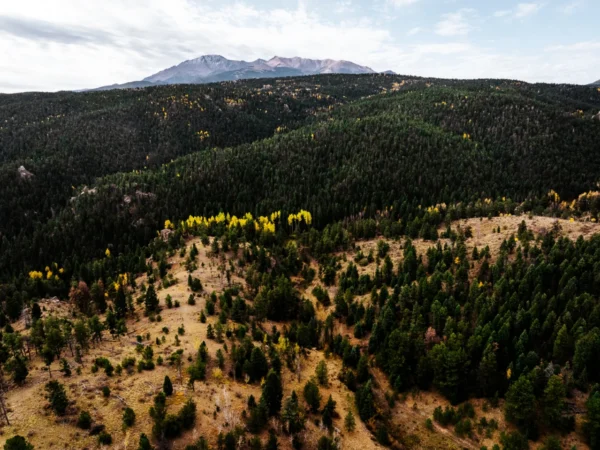

Sale of 30,000-acre Cucharas Ranch to The Nature Conservancy exemplifies the very best in land conservation
Read more
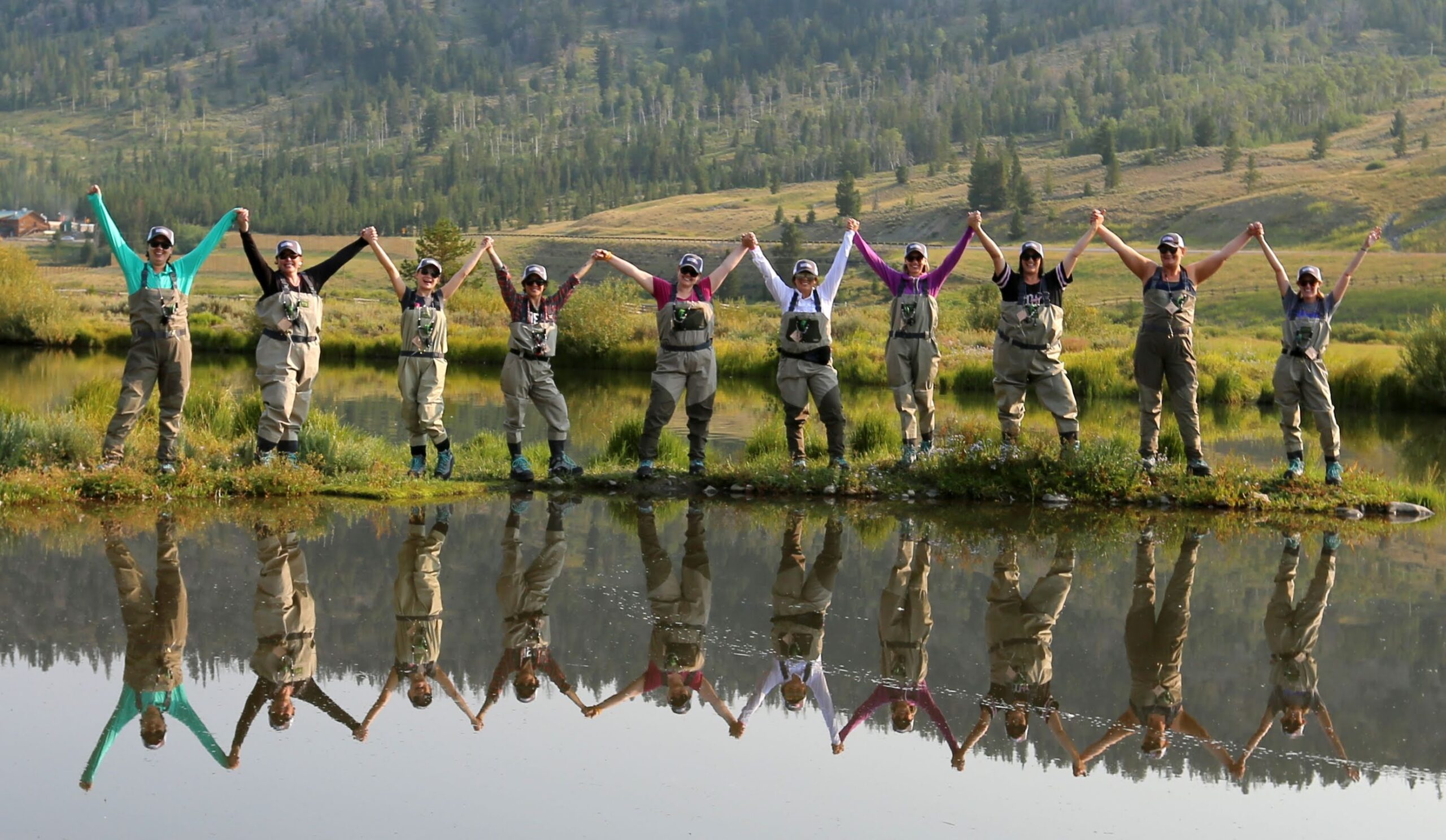
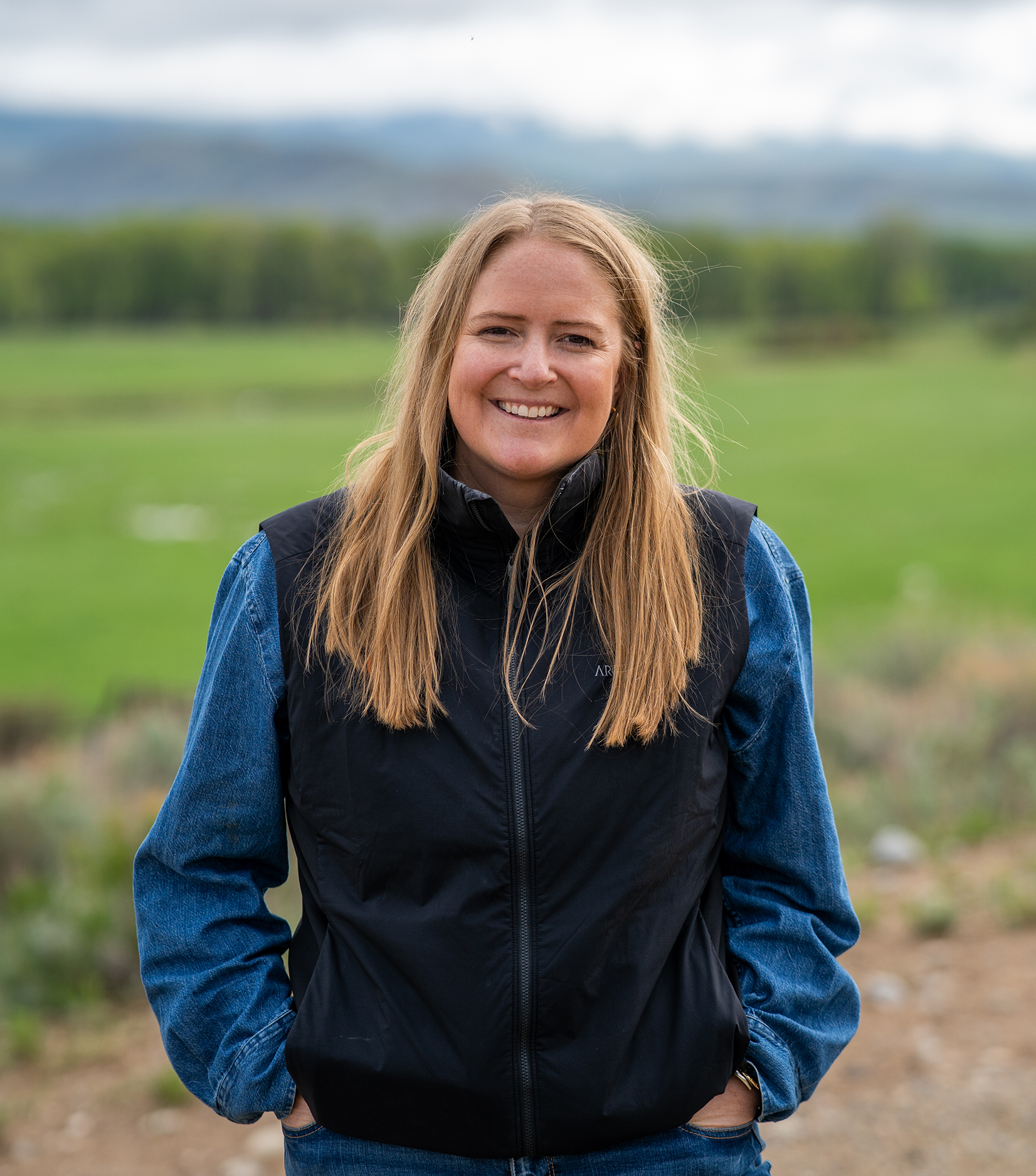


This week, we get an inspiring story with a Western twist. Haley is joined by Susan Gaetz, Executive Director of Casting for Recovery, a nonprofit organization that combines the therapeutic power of nature and fly fishing to support women recovering from breast cancer. Susan shares how the organization got started, its growth to nearly every state in the country, and why a fly rod can be a surprising but powerful tool for healing.
Want to watch along? Check out the full episode on our YouTube Channel!
Haley Mirr (00:06):
Welcome back to the Land Bulletin podcast, where every other week we bring you experts in the field to impart their knowledge when it comes to the ranch and sporting property market, buying and selling advice, the latest, best stewardship practices, as well as topics that impact landowners every day. I’m your host, Haley Mer. Let’s jump in. Welcome back to the Land Bulletin podcast. I’m Haley Mer, and today we’re actually going to be talking about something really incredible. It’s an organization called Casting for Recovery. We are so honored to have the executive director, Susan Gates on the show today to talk about what Casting for recovery is. So without further ado, Susan, welcome to the podcast.
Susan Gaetz (00:47):
Thank you so much. It’s great to be here.
Haley Mirr (00:50):
And I have a lot of friends who have been super involved in casting for recovery, including Maddie Brenneman. Shout out to Maddie, but you guys are doing some really incredible work, so I’m excited to look into what you’re doing, how ranchers can get involved, how people in the community can get involved. But before we get into those specifics, I’d love the listeners who don’t know what casting for recovery is, kind of like a background of the program and kind of how it got started.
Susan Gaetz (01:18):
Absolutely. So we are coming up on our 30th year. We’re a national nonprofit. We’re a 5 0 1 C3, and we host oncology informed, supported retreats that incorporate fly fishing all across the country for women in treatment or recovery from breast cancer. So they can be an active treatment, they can be 10 years out, they can be living with stage four breast cancer. We host about 60 retreats a year, and they’re all free. So the women are selected randomly and they get to attend these retreats that hopefully we’ll help them find a way to move positively forward in their life, whether it’s a new sport, a new engagement with nature, new oncology resources, or maybe it’s just that new best friend and support group because maybe they don’t have that at home.
Haley Mirr (02:07):
That’s amazing. And where did this start? What was the catalyst to creating Casting for recovery?
Susan Gaetz (02:14):
Yeah, it’s a pretty cool story. So two women began casting for recovery, a reconstructive breast surgeon named Benita Walton, and another woman, an angler named Gwen Perkins Bogart. And Benita and Gwen were fishing at one point and Benita was saying, how great would it be if we could get women with breast cancer out of fluorescent lights out of the clinical setting out here to learn how to fly fish out in nature where everything feels better in nature, especially on the water. And what they looked into was the casting motion of fly fishing. So that general casting motion of fly fishing is actually very similar to that physicians might give to women if they’ve had mastectomy or surgery radiation. There’s a lot of scar tissue that comes along with those kind of treatment procedures. So some women might have trouble opening a sliding glass door or reaching an overhead cabinet.
Susan Gaetz (03:16):
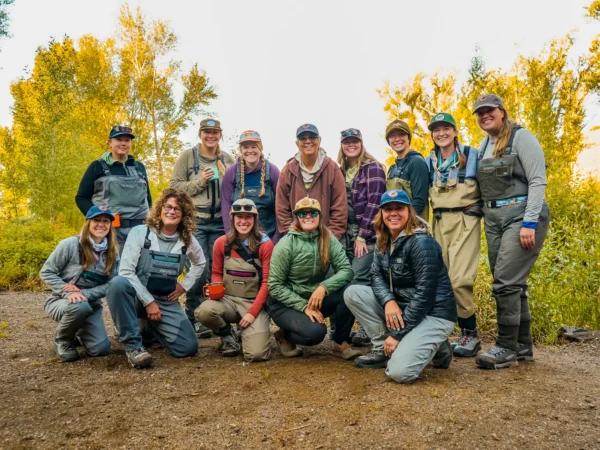
It’s just the scar tissue has just impeded their mobility. So that casting motion is really good for that mobility and soft tissue stretching. So they took that idea and said, let’s give this a shot. And they hosted two retreats that first year in 1996, and they’ve just built upon it from there. And now we’re at where we are 30 years later with 60 retreats and at very purposely small retreats. We normally don’t host more than 14 women, and that’s on purpose because it’s not a fly fishing clinic. It’s about a lot of things. And so this gives the women an opportunity to meet everybody else in that group and to not feel like there’s a huge audience if they’re going to open up about really personal things regarding their breast cancer journey. So it’s really
Haley Mirr (04:10):
Cool. That’s beautiful. I mean, just to kind of hear their stories and what they’re going through and have a place like that that’s outside to your point, getting them out of the hospitals fluorescent lining. So that’s amazing. And how many states are you guys right now?
Susan Gaetz (04:26):
We are, I think we’re in 44 states. I say I’m not totally sure because we serve women in all 50 states. So for example, we don’t currently have a retreat program in Rhode Island. So if you have been diagnosed with breast cancer anytime in your life and you live in Rhode Island, you would simply apply to the retreat closest to you and hop over the state line. So we are open to women from all 50 states and in some states we have four or five retreats. And then in others we might have one. So say in Idaho, we host four retreats in Idaho. One of them is exclusively for women with stage four breast cancer. The other three are for women in any stage, any age in different parts. So it kind of depends on our volunteer base. We have a huge volunteer base of about 1800 volunteers across the country. And depending on the number of volunteers, sometimes additional retreats end up being created just because we have a lot of folks who want to be a part of that and get a new program
Haley Mirr (05:36):
Started. Wow, that’s amazing. And what is your background? How do you get involved?
Susan Gaetz (05:43):
So in a completely different career, I was a professional photographer and medical photojournalism is what I specialized in. And I pitched a story about casting for recovery to the American Medical Association, and they sent me to Vermont to photograph a retreat. And I was blown away by the retreat by what I saw, and I started volunteering for ’em. That was in 1999. And then at some point I came back to Texas. I had lived in some other states and there wasn’t a program here. So I said, I want to start a program here. This is a big state. And as a volunteer, I started the Texas program here. It just hit its 20th year. And then I loved it so much. I switched careers, went to work for them in 2010 and was their national program director for a long time. And then you stick around long enough, they’re going to give you the big job. So now I’m the executive director and I love it. I love it as much if not more than in the very beginning when I was learning about it. Just really powerful.
Haley Mirr (06:55):
I’m sure you just are surrounded by some incredible people, the people taking these retreats, but also the ones that are helping facilitate some of this. So it’s a very cool position to be in. And I’d love to note too a little bit more, you said that these retreats are a lot more than just fly fishing clinics. There’s some things that really go into it. So can you tell us a little bit about some of the benefits of what the participants kind of go through, what type of sessions they’re kind of undergoing? I’d love to learn more about that.
Susan Gaetz (07:27):
So we have been keeping survey statistics since we began, and we have had a really consistent statistic throughout our entire organizational history. And that is that close to 70% of the women that come to a CFR retreat have never been to a breast cancer support group. And this was a huge statistic because what it tells us is, is that there’s a big segment of women out there that aren’t drawn to traditional resources and traditional support opportunities, but something about what we’re doing is attracting them. And we know they’ve said, I was looking for something to find peer support, to find resources, something that just felt more like me. And a lot of those women, some of them are really engaged in the outdoors, others are not, but they like the nature component. And so we know that we’re filling a gap somewhere in there with support because such a large percentage of women haven’t ever gone to a support group before.
Susan Gaetz (08:32):
So the retreats are this magical combination of learning something brand new. So typically at a retreat, one, maybe two women, depending on if you’re in a western state, have fly fished before they’ve seen a river runs through it or a commercial. And they’ve thought, I would love to try that. It’s a bucket list item, but they probably never thought they’d have that opportunity. So there’s women that want to come out and try something totally new. And I think that anytime you try something new, whether it’s painting or bungee jumping or I don’t know, snowshoeing, whatever it may be, the endorphins are there. You get excited. It’s, it’s just fun to try something new, especially as an adult. So they’re trying something new and we make sure they’re very successful at it because we have anglers there all weekend. And our approach to teaching fly fishing is very basic and it’s all about empowerment and building confidence so that on the final day of the retreat when they have a one-on-one guided fishing opportunity, they’re successful.
Susan Gaetz (09:38):
So there’s that layered in throughout the retreat. And at the same time, they’re meeting other women who’ve been through breast cancer. And we hear from many women who say, there’s a lot of things I could say at the retreat that I can’t say to my best friend. I can’t say to my kids, my parents, my partner, because it’s just too heavy, it’s too scary. But they can say it in this group and they can be angry, they can be scared, they can say all the things and it’s completely safe. And there’s going to be somebody else in the room, probably more than one that says, that’s exactly how I feel. And this is the only place I can say that. And then at the same time, they’re receiving oncology medical and psychosocial support. So we have oncology facilitators who are volunteers from the community. They might be breast nurse navigators, they might be medical oncologists, counselors, social workers who are all experienced in oncology, and they’re there just to support these women throughout the weekend.
Susan Gaetz (10:41):
They’re in shorts or genes, super casual. And so if it takes two days to work up the guts to ask a question of one of these professionals, they’re there the entire time for one-on-one conversations, let’s go for a walk or in the group environment. But the whole weekend is built around competence, safety, support, so that they can open up as deeply as they want to while they’re also learning something which is fly fishing that they’re going to use on the final day. And the fishing day is unbelievable. I think that women have shared a lot. They’ve lightened their emotional load and then they go out there and they’re successful at fly fishing. And I’ve seen women break into tears when they release a fish. It’s all catch and release and they’re like, I didn’t think this would feel that way. And it’s this culmination of everything that’s happened over the weekend in a very organic and supportive way. It’s hard to explain, but it’s very powerful.
Haley Mirr (11:47):
It’s so special. And through the years, through almost 30 years, has the overall operation of what happens on these retreats changed? Have you learned a lot? This is what women are really craving, this is what they’re looking for. Has it changed through the years?
Susan Gaetz (12:05):
The only thing, not really, because some women come in and say, I just wanted to meet someone else with triple negative breast cancer, or I just wanted to talk to somebody else because I live in a rural place and there’s no one around me that’s had breast cancer. I could zoom on a support group, but I just wanted to talk to somebody. Other women come in and say, I only want to learn to fly fish. And what invariably happens is that they crisscross the one that only wanted to fly fish, maybe found their new best friend that they are either supporting or receiving support from. And the one that only wanted to talk with someone else with breast cancer is like, I had no idea I could fall in love with fly fishing. So that part is the same. We do see other things that have changed might be around just all of the resources and all of the changes in screening and technology and treatments and chemo and all of that, but a lot of it is very much the same.
Susan Gaetz (13:07):
One thing that we started about 10 years ago is we really started looking at populations of women with breast cancer that have barriers to care or are underserved. So rural women, rural women tend to have prognosis that are not as great because of their access to care. Maybe they don’t make all of their appointments because it’s 200 miles away or screenings, all of that kind of stuff. And support military women are a group with a higher rate of breast cancer diagnosis from exposures and just all kinds of things. And of course, we have a whole group of women with stage four metastatic breast cancer, and 30% of women who have been diagnosed at an earlier stage are destined to become metastatic. And those women have very different needs and concerns. They’re more concerned with, am I going to live to see my kid graduate from junior high? Not I’m afraid of a recurrence. So they had very different needs, and we have different resources for these groups. For our women with advanced breast cancer, we have exclusive retreats just for them so that they can really let it all out and share everything that they need to. So we really started looking at that. Women of color, low income, women, just different groups. But because we’re nationwide, we try to tailor our outreach and what we’re doing based on geography a lot.
Haley Mirr (14:40):
Yeah, that would make a lot sense.
Susan Gaetz (14:43):
Yeah, we really dove into a lot of that over time as we learned more about these different populations.
Haley Mirr (14:50):
And I think too, if part of the goal of this is to create these lasting relationships with women going through similar things, I feel like probably sticking at least a little bit local is helpful. So then those can kind of continue. So one thing I’d like, since we were talking about the local and how widespread you guys are, how did you kind of create these relationships and start to build these areas for retreats? I know you said there’s upwards of 12 to 14 people that go on these retreats at a time plus staff and all these different things. So how have you chosen where you do a lot of these retreats around the country?
Susan Gaetz (15:26):
It’s been very organic. A lot of times it will come from someone who says, I went on a retreat in this state, but there’s not one in mine. I want to start one. Or transition and new volunteers coming in succession planning. So we don’t go in and decide a place and say, let’s start talking to people in recruiting. It’s a little more organic than that. So a challenging place, a good example would be Arizona. Because Arizona, you have these urban areas where we get a lot of applicants and a lot of our volunteers live, but the fishing is really great in Eastern Arizona. So when we started looking at where do we want to hold a retreat, we want it to be in a good fishing spot, we want to find a location, a venue that is maybe 15 to 20 minutes from where the good fishing might be. And sometimes that’s on another person’s property because maybe the venue that we’re going to that has enough beds for all of us doesn’t have water on site, so we need to go somewhere else. Or maybe the access isn’t great for getting 14 women down a steep bank into the water, especially with some of the health conditions
Haley Mirr (16:44):
Recovering.
Susan Gaetz (16:45):
So it’s a lot of just asking around meeting people, talking to anglers in that community, whether it’s the fly fishing clubs, seeing where they like to fish, who do they know? Have they gone to some venues to fish, whether they’re fishing lodges or other organizations that might have property. We also have to look at public and private water access. Sometimes we can only access the water from the venue where we’re holding the retreat. So we have to look at all of that, but we really rely on the community to help us with some of this because they know best. And that’s why we host our retreats locally so the women afterwards can continue to get together with these folks, continue to fish or build community in the fishing with fishing clubs or women’s groups or just continue to be able to see each other for support.
Haley Mirr (17:39):
And that brings up a good point too. What has the overall impact been on some of these communities that you have done a lot of these retreats at? I’m sure it’s been widespread because you’re not only giving money to these venues, and I don’t know how that necessarily works on the operational side to having these anglers come out. It feels like a pretty community driven
Susan Gaetz (18:01):
Thing,
Haley Mirr (18:01):
Even though you guys are national.
Susan Gaetz (18:04):
Absolutely. It’s very community driven. Here in Texas, we have anglers. So on the final day of the retreats on fishing day, we have men and women come out from the local community to guide a woman one-on-one, not professional guides, we call ’em fishing guides. Sometimes we have professional guides, which is amazing, but most of the time it’s just really accomplished anglers from the local community that want to come out and share their passion for the outdoors and fly fishing with the woman that we’re serving at one of our retreats. So sometimes they end up joining the fishing club of their fishing guide that came out, or those guides will come out and meet with us at a fly fishing film tour event, or maybe we’re doing a casting afternoon. And some of these folks have been fishing guides for 20 years. At some point we’re like, you’ve had two knee surgeries. I don’t know if you could pick up a woman who fell in the river when you just come out and be like a person that helps us organize and yeah, tell us which flies are working and this and that. So yeah, the volunteers are absolutely amazing and passionate, and many of them have been through cancer either themselves or someone in their lives, and that’s really what drives them a lot of times to volunteer for us is that cancer connection.
Haley Mirr (19:30):
That’s beautiful. And I think that’s probably how a lot of my friends have been involved. I am not a angler. I try, but I wouldn’t want someone to learn for me. But I think it’s just so cool because it is this incredible opportunity to give back and be with these people, especially if you’ve gone through it. I mean, it’s a testament to what you guys have done for different communities, what you’re doing for women across the nation. But 30 years is a long time. What are you guys envisioning for the next 10 30 as a group?
Susan Gaetz (20:01):
Oh, wow. We talk about this all the time because any nonprofit, where’s the need? What’s the goal? What are we trying to do? Certainly we would like to have a retreat program in every state so women don’t have to leave their state, and we want more people to know about us. We’re not Komen and we don’t really spend our fundraising dollars on pr. It’s a lot of word of mouth, it’s a lot of community outreach. So we want to keep that. We’re very grassroots, outward facing. We’re very business on the backend. I would say we really just want follow research treatments where the needs are right now, our fastest growing demographic of women who are applying for our retreats are under 50. So that informs what we need to be doing at retreats. So that group may want to talk about fertility, which is a lot of times what you don’t think about because the majority of women who get breast cancer are postmenopausal.
Susan Gaetz (21:16):
They’re not childbearing age, but we want to attract and serve women of all ages. And if we know that we have this huge group that loves what we do that wants to come out, we need to constantly be pivoting and evolving so that we’re meeting their needs. With that, I want us to continue to do more specialty retreats with, we held a retreat last year in Alaska for the first time for Alaska native women. And when you think about rural and barriers to care, one, you’re dealing with the native health system and then say you’re on one of the islands, it might be a thousand dollars flight to fly to Anchorage to come to our retreat. So then we’re looking at they can’t afford that, so how can we raise funds in Alaska to help do this? The same thing in Hawaii. We had our first retreat in Hawaii last year, and all of those women, they have to fly to different islands to come to the retreat. So there’s all kinds of barriers in different areas and demographics are changing. We really just, I think my goal is really for us to be on top of that and for our outreach to be really getting out there to populations, whether it’s rural or military or native women so that they know that we’re here to support them and we want to. That’s really my goal.
Haley Mirr (22:38):
That’s amazing. And do you work with landowners? Do you work with private kind of waters or do you prefer public waters? How does that work with some of the retreats?
Susan Gaetz (22:53):
Yeah, I think sometimes it’s really nice if we’re working with a landowner’s private water. Maybe it’s not for the full retreat, maybe it’s for an alumni reunion or a fishing day. The nice thing about that is that everybody we see, we know they’re part of our group.
Haley Mirr (23:12):
And
Susan Gaetz (23:12):
So for safety and for our medical teams and everything else, keeping it insular, that is really important. I’m
Haley Mirr (23:20):
Sure,
Susan Gaetz (23:20):
Of course, our liability insurance folks really like that, and we know everybody. We can see them all when they’re out on the water and all of that. There’s liability with everything. But yeah, but we love to work with landowners. We get that offer a lot. And when we can make that happen, sometimes we’ll just do a follow up casting group. We’re like, they’ll let us come out on their property and we’ll bring lunch and let ’em get another opportunity with it. Because all of these women will say, I have chemo brain. I learned everything in two days and then I went out fishing, and how do I continue? I need another real world experience, and we want to keep that going. So yeah, sometimes it’s nice to work with private water for that purpose. They’ll say, this is yours for these three hours, just come on out and do your thing.
Haley Mirr (24:16):
That’s amazing. And I’m sure people listening are really feeling like, okay, this is something that speaks to me. I’ve known someone that’s gone through this. What are ways that people can get involved with your organization?
Susan Gaetz (24:30):
Absolutely. Well, I think number one is if you know a woman who’s ever received a breast cancer diagnosis, just give her our website, which is casting for recovery.org and let go check it out. We have videos on there. We have profiles on women who’ve been to our retreats, just see what we’re all about. And if I didn’t mention it before, I want to make sure that I say that all of our retreats are free because there’s plenty of paid things out there. But everything that we do is free, and that’s why we fundraise and do things so that women from every single background, and we know that most women who’ve been through breast cancer treatment, so much of their money is going to medical bills
Susan Gaetz (25:08):
And ongoing prescriptions and all that kind of stuff. Number two, if you’re an angler and you would like to volunteer, absolutely same thing. Go to our website. There’s a button that says Ways to get involved and just submit a volunteer application and it will be directed to the program in your area. If you have property and you’re like, we would love to host you guys for an afternoon, or maybe it’s even a local volunteer staff retreat, or maybe it’s, I don’t know, we can use that for so many different things. That’s a really generous opportunity that you don’t really ask for because you don’t oftentimes know who to ask. You know what, he can go knock on doors, trespass on someone’s property and ask them no. So that’s a really
Haley Mirr (25:59):
Generous, waving your pink flag, like become a piece.
Susan Gaetz (26:03):
Exactly. And the last thing of course is financial support. We rely so much on the generosity of the communities where we hold retreats and many times there’s opportunities for groups to get involved at a sponsor level where we can also give them some shout outs and some PR for helping us. We don’t like to be a nonprofit. That’s always just like, give me, give me, give me. We like to be able to demonstrate that we’re a good partner and we bring value to those that support us. So lots of ways to give, and I’m always open to conversations about anything out of the box. Love that. Absolutely.
Haley Mirr (26:46):
And I can attest Myr Ranch Group, we helped with the Mother’s Day, the college Give Aon, and it was super fun just to see all these colleges come together and kind of compete in a fun way to bring awareness. So you guys are really thinking outside of the box, which is awesome.
Susan Gaetz (27:03):
One thing I’d love to mention is that we put out, of course we’re on all the socials and stuff and we have great fishy footage of women and all kinds of things going on, but if you’re interested in CFR, go sign up for our newsletter. It’s a little bit of everything from the campaigns that we have going on to retreats, calls for volunteers, just all kinds of different things that we’re doing and just kind of see what we’re all about. You can always unsubscribe from anything these days, so if it doesn’t resonate, but if you’re interested in learning more, go to our website and sign up for our newsletter and get a feel for what we’re doing. And mostly just share CFR with folks. That’s the best word of mouth, is the best way to share things like this. And I think it’s the most trusted way as well between people.
Haley Mirr (27:59):
I would agree. And that’s kind of how we heard about you guys was through friends. So your grassroots is working and you guys, I mean, what you’re doing for women across the country is just unbelievable. And here at Morgan Ranch Group, we always do feel that the outside land, being in the west, or not just the west, but everywhere, and to be in landscapes like that is so important. So it’s really awesome you guys are bringing that to people that might not usually be able to see it. So thank you for all your hard work and what you guys are doing.
Susan Gaetz (28:33):
Thank you. I know that a lot of times people are like, wait, what? You’re taking women with breast cancer, fly fishing? But once you understand how it got started and what’s going on and why we do it, it makes a lot of sense. And the nature part is amazing. I don’t care if you have PTSD, whether you’re dealing with struggles of your own health issues, standing out in the water, fly fishing. It’s just so meditative to focus on where’s the fish? Did I present that fly? What’s going on? Every single part of that is healing, and we hear that every day. So that’s why we do it.
Haley Mirr (29:10):
That’s awesome. Well, thank you so much. I know you’re very busy and you have so many things happening, so I appreciate you taking the time today, Susan, to kind of walk through this and give people another opportunity to get involved. And I wish you guys all the best and did not just this year, but the next 30.
Susan Gaetz (29:27):
Thank you. I appreciate that so much, and thanks for having me on.
Haley Mirr (29:30):
Awesome. See you guys next time. Thanks for joining us today. To learn more about the ranch real estate market or our ranch marketing process, make sure to subscribe to our newsletter on our [email protected] or give us a call at (855) 930-2189. See you next time.
Be the first to see the latest Ranch news and advice
 0
0
Start saving properties by clicking the + button on any property page.