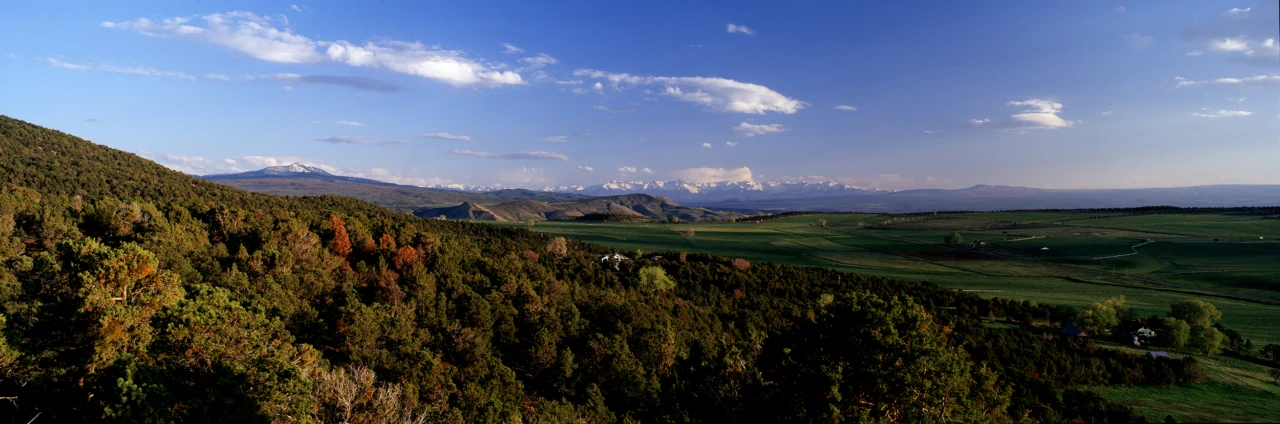

Sale of 30,000-acre Cucharas Ranch to The Nature Conservancy exemplifies the very best in land conservation
Read more
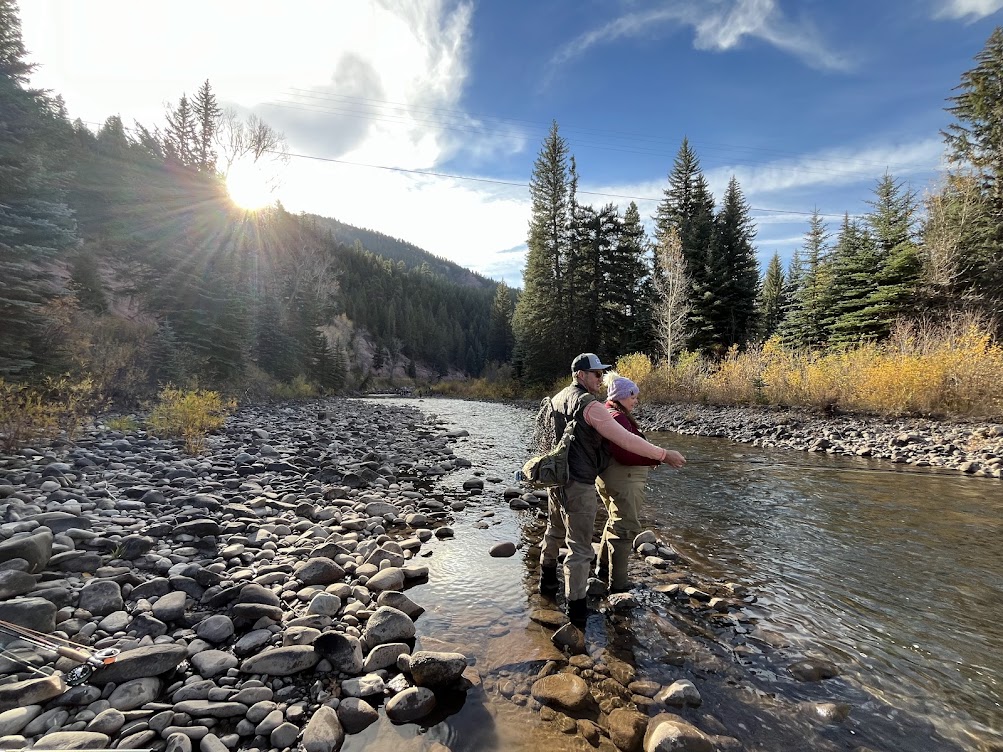
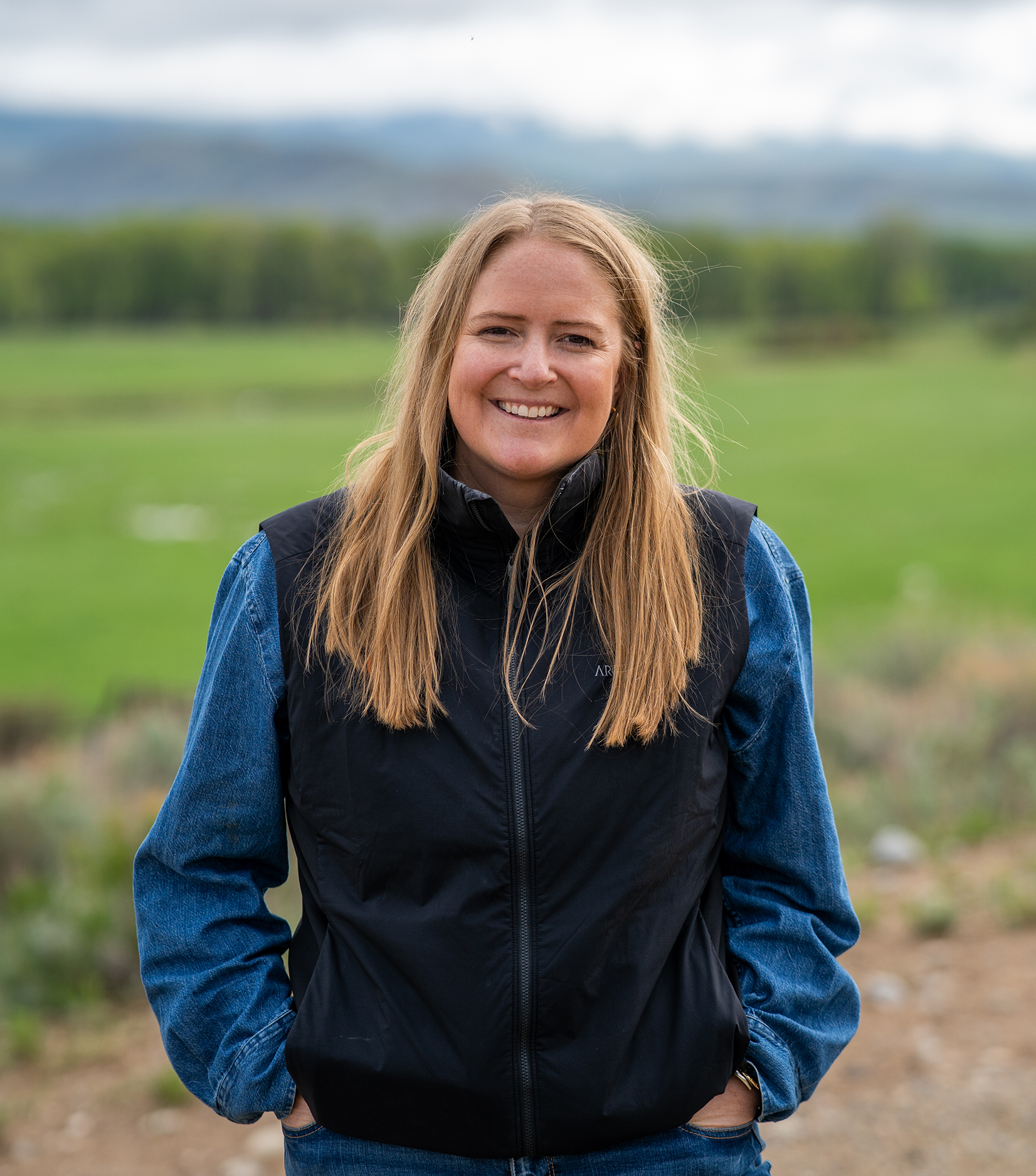


In this follow-up to our conversation with Casting for Recovery’s Executive Director, Susan Gaetz, we’re joined by Kara Armano—a breast cancer survivor and participant-turned-leader of CfR’s powerful retreats. Kara sits down with Haley to share how fly fishing, connection, and time in nature helped shape her healing journey.
Want to watch this episode? Check it out on our YouTube channel!
Haley Mirr (00:06):
Welcome back to the Land Bulletin podcast, where every other week we bring you experts in the field to impart their knowledge when it comes to the ranch and sporting property market, buying and selling advice, the latest, best stewardship practices, as well as topics that impact landowners every day. I’m your host, Haley Mer. Let’s jump in. Welcome back to the Lamb Bulletin. It’s Haley Mer here, and today we’re doing a special episode. We’re actually following up from one of our most listened to episodes with Casting for Recovery. We’ll kind of go into what Casting recovery is for those who missed the last episode, and then we have a special treat because we have someone who actually participated in one of their awesome fishing retreats. Kara, who’s on the podcast today. So without further ado, welcome Kara to the Lamb Bulletin.
Kara Armano (00:52):
Well, thanks so much. Really appreciate you having me on. Excited about this conversation.
Haley Mirr (00:56):
No, we’re so excited to hear your thoughts. We talked to Susan a few weeks ago about casting for recovery, and it just sounds like an amazing organization. My friend has actually, I don’t know, are you located in Colorado or are you somewhere else?
Kara Armano (01:09):
Yeah, I live in southwest Colorado near Durango.
Haley Mirr (01:13):
Oh, awesome. So my good friend Maddie Brennaman, she’s a big fly fisher,
Kara Armano (01:17):
So I know Maddie.
Haley Mirr (01:18):
Yeah, she helps with some of ’em, so it’s good to meet you. So before we get into it, I’d love to know more about how you found out about Casting for Recovery. It sounds like they have a huge reach, so I’d just love to know how you kind of heard about ’em.
Kara Armano (01:33):
Yeah, for sure. Thanks. So I’ve actually worked in the fly fishing industry for my whole career. And so at one point I was working with Sage, the fly rod manufacturer based in Bainbridge Island, Washington. And I was managing PR and marketing communications kind of part of their business for them. And I at that time was tasked with writing a press release about a pink fly rod and reel that they had produced specifically for casting for recovery as a fundraiser. And so I’ve known about casting for recovery for a long time. I was probably like, I don’t know, 15 or 16 years ago and didn’t really know much about him. I had met Whitney Millhone who used to be their executive director along the line, just in the fly fishing world, and didn’t really think much about it. And then in 2019, I was diagnosed with breast cancer in the fall of 2019, and so I was like, huh, I can see casting for recovery coming back into my life.
(02:35):
Fly Fishing’s been a huge part of not only my career but my life. I’ve been fly fishing since I was a little kid. And so yeah, I reached out not long after I finished kind of my gnarliest chemo rounds in early 2020. I reached out to them and was like, oh, how can I get involved? Yada yada. What are my opportunities here? And of course then we had COVID, so things got kind of turned around. Bad timing. Yeah, bad timing for sure. But yeah, it was a great, I knew of the organization, I knew how beneficial it was to lots of women, and I knew that I wanted to get involved one way or the other. I hadn’t really even considered going as a participant to be honest. I was like, oh, I fly fish. I now have breast cancer. My two worlds have collided. So casting for recovery is kind of a no-brainer for me to get involved with. That’s amazing.
Haley Mirr (03:31):
And I’d love to know from your perspective, not only a professional in the fly fishing industry, but someone who’s going through a shared experience as a lot of these women. What were some of your favorite parts of the retreat from the conversations, I know there’s some support networks that have to do with it. What has been your favorite piece about what casting recovery offers to people?
Kara Armano (03:55):
So I wasn’t able to attend the retreat nearest me, which we ask women to apply to the retreat nearest to where they live so they can have interactions with the women at the retreats or understand the resources that are available in their area. But because of COVID, the one on the western slope of Colorado wasn’t happening. So actually because I live in southwest Colorado, was able to attend the New Mexico retreat. And so I felt really conflicted to be honest about even going, I was like, ah, should I take somebody’s place? Who really wants to learn how to fly fish? That’s clearly not why I need to go, but because I live in a rural area and went through a lot of my recovery and treatment during COVID, I had no connections to any other women that were going through breast cancer at the time. And so I felt like it was so valuable for me to go there and commune with other women who are going through a similar journey and actually just have those conversations about what it was like for them and what helped them get through their treatments and how things are progressing.
(05:04):
And I really enjoyed just that connection with other women. I didn’t have any of that. And that’s really common in the rural parts of Western Colorado where I host our retreat now too. So there’s not a lot of support groups in every little town where we target the women to attend our retreats. And so I think that’s, to me the most important part. Yeah, fly fishing is fun and we love getting women out there on the water and in nature, but I think the connection to other women, especially in these small rural areas, is really, really critical
Haley Mirr (05:36):
That’s a great point you bring up, there’s a group called Women in Ranching, and I’m on their mailing lists, and it’s this huge list and it’s all women in rural communities who are just, to your point, searching for connection. And it’s this really cool thing that because when you live in these smaller towns, sometimes mental health can be a problem or connecting with people with shared experiences, and you live in those places for a reason. So it’s cool that casting for recovery has given you this opportunity to connect with people that are kind of going through some of that in a similar way. So I think that’s awesome and something that I think this podcast and a lot of the ranchers we work with and things like that, they would benefit from some more connectivity like this. So thank you for that. And then I would just love to know a little bit more about the retreat itself that you went on in New Mexico. What was the itinerary? Were there a lot of different fly fishing guides there? What was the ratio with a lot more women going through what you guys were going through, or I’d love to know a little bit more about that.
Kara Armano (06:43):
So they have it super dialed. It’s amazing, especially the New Mexico ladies, they’ve, it’s been the same kind of volunteer staff for the New Mexico retreat for a lot of years now. So they have it sowed out. So on Friday afternoon, we show up at the Philmont Scout Ranch, which if you don’t know where that is, it’s like in northern New Mexico, not that far from Taos. And it’s an incredible place. It’s like 80,000 acres and for the summer, all the scouts have already gone home. And so we get the run of the place and it’s just this amazing grounds, beautiful scenery, and you arrive there and get all checked in and immediately go to a group session and meet all the other ladies, and you have a circle up in terms of telling your story to whatever degree you want to share for that day. Some of them are pretty long and detailed, of course, and depends on, some of the women are out 20 years of their breast cancer diagnosis, and some of ’em are still going through treatment at the time of the retreat.
(07:44):
So it kind of varies pretty significantly. But immediately upon telling some of the stories, I feel like you have an instant connection with the other retreat goers. So there’s 14 women in total from all over. The New Mexico retreat is all of New Mexico, south Central Colorado, as well as the panhandle of Texas. So it’s a pretty significant range of geography that the retreat pulls from. So we’re kind of from all over that area. And then you go to dinner and have a fun night and then come back, have another kind of session to meet the ladies and share more stories, understand what the weekend’s about, and then be sure you get a good night’s sleep because Saturday is a super full day. It’s so much fun. So it kind of starts out with fly fishing education sessions, so kind of 1 0 1 type things where you go through the basics of the gear and the knots and the flies and some of those kinds of basics.
(08:47):
And then in the afternoon you have casting sessions out in this incredible lawn that’s on the Philmont Scout Ranch where there’s plenty of space for all 14 of us to participate in the casting portion of it. Gosh, let me think. And then that evening is when we have our support group session, which like I mentioned for a lot of these women in these rural areas was so critical. There’s at every retreat, medical facilitator as well as a psychosocial staff that come as volunteers to each retreat. And so those two professionals meet with all 14 of the women in a private room, and you can literally ask them any question you’ve ever wanted to ask. And sometimes a lot of these women don’t want to ask their oncologist or their nurses or whomever they’re seeing on a regular basis some of these questions that maybe didn’t come up or you feel a little bit more connected to these ladies, so you feel okay to ask some of these questions.
(09:46):
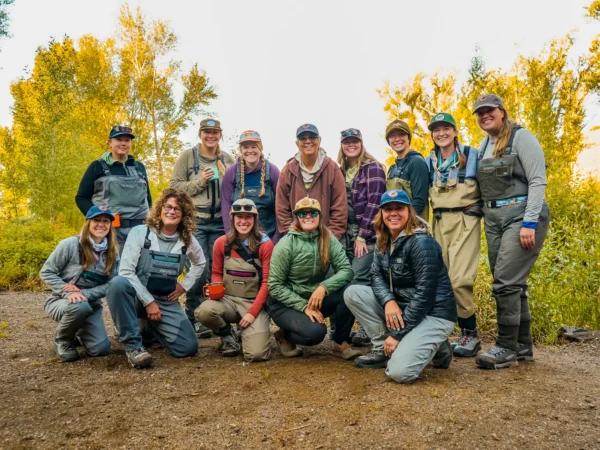
And then again, have a good night of sleep because Sunday’s the fishing day. So we get up and we meet our guides, and there’s almost always, so there’s guides that volunteer from all over the country or all over the community, excuse me, to meet up with you. And you have your breakfast and then you get together and you go out to the fishing location and you have a one-on-one guided fishing day, which is such an incredible opportunity to have these people give so much of their time. A lot of them are men during the rest of the retreat. All of the volunteer staff are all women, but the men are so sweet, I can’t even tell you how amazing they are. They come back year after year after year and always put this weekend on their calendar. It’s something, a lot of them are fly fishing guides and they take off the day to not make money and come and give back to this community, which they feel super passionate about. So it’s really cool. And then unfortunately you have a little graduation ceremony and go home. It happens so fast, but it’s an incredible weekend.
Haley Mirr (10:52):
That’s so cool. And I love how many people support these retreats. I mean, to have one-on-one guiding for each of the 14 women. I mean, that’s very cool that this amount of people have been drawn to this organization in such a capacity. Do you still keep in touch with a lot of the women that were on your retreat with you?
Kara Armano (11:12):
Yeah, for sure. In fact, it’s so funny because so many women attend these retreats and then immediately fill out a volunteer application because they want to come back and help out in any way they can. And so in fact, that’s kind of been my role, and I knew this going into it, but what I wanted to do was be involved in the western slope of Colorado’s Casting for Recovery retreat, which happens every October in Redstone, Colorado. And yeah, I am now the retreat leader and program coordinator for that retreat, which is really cool. But this will be my third retreat running it this year for the Western slope of Colorado, and it’s awesome. We have women come out of the woodwork. You’d never even imagine how many volunteers we have to actually turn away because we have so many that want to come and help. It’s really quite an incredible program, and the women that go through it see it right away and always want to volunteer to help. So it’s pretty cool.
Haley Mirr (12:13):
Yeah, I feel like there would be a need in that section of the state. I feel like there’s a lot of really cool women that live in a lot of those little towns that are in that area, so I’m sure you just get flooded with interest from a lot of
Kara Armano (12:26):
These. Yeah, for sure. As you can imagine, breast cancer touches every single one of us. It’s one in eight women are diagnosed with breast cancer, and I honestly have heard recently that that’s reproaching more to be like one in six women are affected with breast cancer. So moms, sisters, aunts, friends, just everybody we know touched by it either right next door to you or a couple doors down, somebody in your life has been touched by breast cancer. And so it’s great in the way of volunteers signing up for sure, but also in helps of fundraising as well as outreach. People are very supportive of our organization and want to just help spread the word and get money into our organization so that we can host more and more of these retreats every year.
Haley Mirr (13:14):
So for those who are listening to this and are either have been touched by breast cancer or going through it themselves, what would you say to them who are kind of unsure about joining a retreat? Maybe they’ve never fly fished before, but they are looking for that connectivity that you’re talking about. What would you say to them?
Kara Armano (13:30):
Yeah, yeah. We certainly get those women who are like, I could give a lick about fishing. I never want to touch a fish. I don’t like bugs, blah, blah, blah. But it’s so common, and we get this all the time where we hear at the end of the retreat that the women have found so much more than just fly fishing out of their time during the Casting for Recovery retreat. So we offer significant time outdoors, connecting with nature. They’re allowed to take some time on Saturday afternoon to go for a hike or a walk, spend some time next to the river under the trees, just having a nice time enjoying nature. And so I would say to these women who are a little hesitant that it’s past time that they take the time for themselves to treat themselves. It’s a lot of moms that feel badly leaving their families and have so much going on in their lives, but it is so worth it. It’s just a quick weekend away and the time that you spend at these retreats is something that is invaluable and something that you’ll never forget. That’s amazing. Highly encourage women to participate.
Haley Mirr (14:44):
And I guess just to wrap up, I know the connectivity and connecting with these, but beyond that, what was the one biggest thing, obviously not fly fishing because you went in as an expert, but what was one of the biggest things, even as a volunteer now that has stuck with you that you wouldn’t have gotten otherwise?
Kara Armano (15:06):
Oh man. That’s tough one to answer honestly. There’s so many cool stories, but I think one of the coolest things, not just for me, but as a volunteer, hearing the whoops up and down the river every time somebody catches a fish and sometimes we’re staggered pretty close along the river, and so we’re cheering each other on, we’re getting super excited having each other join in on the pictures and the fun and the celebrations. But I think one of the best parts for me is the graduation ceremony that we have after the fishing day. We host a lunch, and then the women and guides all come back together. They sit by their guides and share lunch and share more stories and all that kind of fun stuff. And then each participant gets up with their guide and just tells a little story about either the fishing time or what was so meaningful for them on the weekend. And there’s so many cheers and laughter, but also tears and hugs and just, you can tell that there’s just so much meaning to all of these women as well as the guides who come and help out with these experiences that it’s super moving. For me as a program coordinator or treat leader, to see these connections being made as well as just value, they understand the value of going to a retreat like this for their health and wellbeing. It’s really amazing.
Haley Mirr (16:32):
If there are women kind of in the western slope of Colorado that want to sign up, or let’s say you’re in the Eastern plains, how do you designate which retreats you should be signing up for?
Kara Armano (16:46):
Yeah, so it’s not super specific. It’s if one works better for your schedule, awesome. Sign up for that one. We have women that apply year after year after year, and because only 14 women get to come to the retreats, we unfortunately have to turn women away. So we’ve had women apply for three or four times and they finally get in and they’re so excited. So it’s just a process. You go through the application process and then it’s a lottery in terms of how you get chosen. We’ve also had women that can’t come at the last minute, and so we will also have alternates on our list and we’ll be able to choose those alternates. We’ve had women, like last year we had one that a week out was told that she could come because one of the participants that was initially chosen couldn’t make it, and she was so excited.
(17:37):
It was awesome. But we certainly have people from the front range at our retreats, even though there’s three front range retreats in Colorado, but we’d really try and cater to those women in the rural areas of the Western Slope. So we do a lot of outreach in terms of visiting fly shops, visiting doctor’s offices, oncology centers in all these rural western towns to get the word out and encourage women to apply every year. Our applications close at the end of July for the Western Slope Retreat, so we’re closing in on that now. If you’re interested, apply now before the applications close, and we’re so excited to be able to bring this retreat every year to such deserving women. It’s really great.
Haley Mirr (18:21):
That’s amazing. Well, I’m so happy that Casting for Recovery has done something for your life, and now you’re passing it on to a lot of awesome women. So we’re just happy to spread the word because like you said, connectivity in rural communities is super important, especially people who are going through stuff. So it’s cool that this exists, and we appreciate you taking the time, Kara, to be on the show today.
Kara Armano (18:44):
Yeah, you’re welcome, and thanks so much for having me. Happy to be here.
Haley Mirr (18:48):
Thanks. See you guys next time. Thanks for joining us today. To learn more about the ranch real estate market or our ranch marketing process, make sure to subscribe to our newsletter on our [email protected] or give us a call at (855) 340-1162. See you next time.
Be the first to see the latest Ranch news and advice
 0
0
Start saving properties by clicking the + button on any property page.