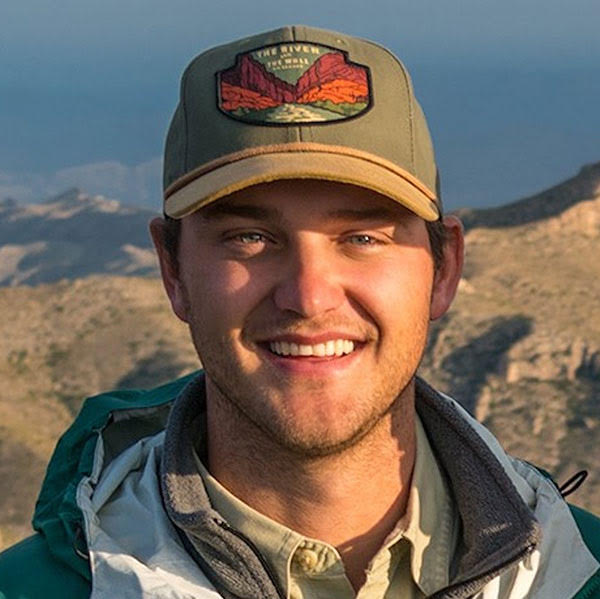
In this episode, Haley chats with Harrison King from King Land and Water to explore the current state of the Texas ranch market. They dive into how Texas differs from the Rocky Mountain region, highlighting Texas’ unique landscape of predominantly private land ownership. The conversation also delves into the challenges of conservation in Texas, focusing on the state’s distinct water rights system and the impact of exotic species on native wildlife.
Harrison also sheds light on market conditions across Texas, with high demand and low inventory in West Texas, while regions like the Hill Country are seeing a cooling down from recent activity. They discuss how inflation and interest rates are affecting ranch real estate, along with strategies for landowners to generate income through hunting and sustainable grazing. If you’re curious about Texas, its vast real estate opportunities, and the variety of landscapes it offers potential buyers, you won’t want to miss this conversation!
Topics
[0:00] Introduction to King Land and Water
[5:21] Conservation properties in Texas vs the Rockies
[11:00] Water rights in Texas
[19:00] Advice for buyer’s remorse
[24:51] Management and sustainability practices in Texas
[28:48] Conservation projects changing Texas
[31:44] The future of conservation in Texas
Haley Mirr (00:06):
Welcome back to the Land Bulletin podcast, where every other week we bring you experts in the field to impart their knowledge when it comes to the ranch and sporting property market, buying and selling advice, the latest, best stewardship practices, as well as topics that impact landowners every day. I’m your host, Haley Mirr. Let’s jump in.
(00:28):
I’m Haley Mirr, and today we’re looking at the state of the ranch market, but in a different territory that we’re not used to really talking about. We’re going to be looking in Texas. How’s it different than the Rocky Mountain region? What are the similarities? What are we seeing? What you can kind of avoid when you’re a buyer down there and helping me out today is Harrison King. He works with our partners at King Land and Water. So welcome Harrison for coming on the show.
Harrison King (00:54):
Thank you, Haley. I’m excited to be here and have this conversation with you.
Haley Mirr (00:58):
Yeah, thanks for taking the time. I know like we said right before we started recording, we’re constantly on the road during this season. I know your seasons are a little bit different, but I know you don’t have a lot of time on your hand, so I appreciate you taking the time.
Harrison King (01:12):
You bet. Yeah, sometimes our schedules are out of our own control, and so it works out. We can make it
Haley Mirr (01:21):
Well, before we get started into the market and what we’re seeing, can you give us a little bit of background about you and your family and how King Land and Water started?
Harrison King (01:32):
Sure. So I grew up in what we call Far West Texas, which Texas is such a big state. West Texas sometimes includes half the whole state, but what we kind of talk about far West Texas is the far kind of arm and it’s our mountainous desert sky island type region, kind of the playground for the rest of the state. It’s where our two national parks are. It’s kind of a different landscape than when you think about Texas, more Southern Arizona and New Mexico. And so I grew up in a really remote but beautiful part of our state. And at the time my dad, James, who he worked for the Nature Conservancy and did all their land acquisition for the state. And so specifically a few big projects out there, the Davis Mountains Preserve and the Devil’s River Dolan Falls Preserve. And so I got to grow up basically in nature on these preserves with people who’ve dedicated their whole lives, protecting ’em.
(02:34):
And so since I could walk, being on the land, being in nature and around people who are really passionate about it has been part of my life. And my dad eventually left the Nature Conservancy and started King Land and Water along with my mom, Tammy. And that was kind of a transition to bring conservation and ranch brokerage and real estate kind of hand in hand allowed him to do a lot more, pursue a lot more projects. And so basically King Land Water is a ranch brokerage with a conservation focus where we sell and market properties with conservation values and protections, but also we represent people in going through conservation themselves and getting private lands into public ownership. And so I’ve been part of my flood my whole life and I went to college in central Texas in Austin and ended up staying here for almost 10 years before moving back. But while I was here, just went straight into working with King Land water after college because it’s what I love
Haley Mirr (03:44):
And I get it, it’s just in your blood and you’re with the family and every road trip you’re learning, oh, that’s that landowner. Landowner, that person owns that ranch. That was that acquisition.
Harrison King (03:56):
Yeah, exactly. And what really did it for me is before I graduated college, I had gotten my real estate license and had been helping my dad with a few listings and projects in the Hill country, which were outside Austin. So I was already kind of doing it as in the background, and I literally had a job lined up. I got my degree in real estate finance, and so I was very much going towards a commercial real estate investment type analyst job. And some of the guys that I had interned with and were hopefully going to work for, they were like, man, you’re going to have the luckiest life when you get to retire and go be a ranch broker. I was like, what if I did it? Now
Haley Mirr (04:38):
I says, why don’t we just have my whole life be this instead of, I love that and I love kind of hearing what you guys are doing in Texas. Definitely one of the reasons we both decided to partner with each other is this kind of conservation ethos that both of us really hold strong to, but there is a difference with the tools that are available in Texas versus Colorado when it comes to conservation. I know this isn’t totally the focus of what we’re going to be talking about today, but can you give us a little more insight into what makes conservation properties in Texas and the layout of public versus private different than maybe what people are used to in the Rocky Mountains?
Harrison King (05:21):
So besides me not having an in-depth knowledge of what it’s like in the Rocky Mountains, but on a broad level, private land ownership in Texas is at a totally different scale. It’s something like 94% of the state is privately owned versus Colorado where most of it’s public and you have these pockets. And so on a landscape level, all of the protection really comes from a private component, but that conservation ethos is not naturally there or wasn’t in the past in Texas. And so the tools, the funding and the support behind that is growing. It’s a younger version probably than less advanced even than western states where it just more priority, but it’s come a long ways and far as size, scale and interest in the conversation from people. And so all of our land trust and incarceration organizations, really the end goal is not who gets this easement or who gets the name on this project, it’s just anything special in this state that we can permanently protect, let’s get the project done.
(06:40):
And there’s a lot in this state and diverse and it’s like five totally different landscapes throughout the state, but funding is a big thing of what we do is we represent people and walk them through the process of selling a conservation easement. And if it can’t be sold, it’s usually from a high net worth landowner who can afford to simply donate it. And those funding sources for sales of easements are extremely limited in Texas compared to Colorado and other states. And so it’s competitive, it’s growing. There’s a lot more funding available from private sources, which is rare. And so it’s an uphill battle.
Haley Mirr (07:24):
It’s a new frontier, but you guys are leading the charge, which is good. Sweet. And I would love to know, I mean I see your transactions come through on your website, on our website about some of these projects you guys are working on. Can you describe the current state of the Texas market and maybe how it’s changed over the last couple of years?
Harrison King (07:44):
I mean, kind of back to Texas is so broad, it’s hard to generalize, but I would say there’s really two kind of camps that we’re seeing. One is balancing out in those markets that were highly affected by rapid growth, urban expansion around our population centers, stuff that post covid people flooding into the state, the population growing, also people getting out of the city into closer regional suburbs. That market is definitely balancing out. I think prices got so high transaction volume got so high that’s kind of settled. So there’s definitely a balancing act there. But at the same time, an unprecedented demand values transaction numbers in certain areas of the state that are more focused. So like West Texas, our Sky Islands high desert around critical water resources, rivers and ranches that you never thought would be sold in your lifetime or be for sale in your lifetime. And it’s a lot of having buyers ask you to go knocking on those doors and are you ready to sell? And so a lot of unexpected unprecedented stuff in those isolated markets, but generally around the state, a lot of plateauing on prices and just kind of stable but flat.
Haley Mirr (09:15):
Yeah, we’re kind of seeing that too. It’s like there was this crazy amount of interest in buyers entering the market that have never been there before, and then it kind of just tapered out a little bit. I mean, we have more inventory than we’ve ever had right now, and I don’t know if that’s just slowing down of buyers in the market or if it really is this new influx of sellers who are still trying to absorb those prices that maybe existed in 20 22, 20 23. What factors are driving your demand right now other than, I know you talked a little bit about city centers moving out, people moving into Texas. Are there any other kind of factors that are adding to that demand right now?
Harrison King (09:54):
I think scarcity of really unique features, but also scarcity of intact pockets and regions. People chasing or running away from light pollution, noise, population growth is definitely part of it, but what they’re flocking to that resource isn’t infinite. We don’t have mountain ranges through the whole state with rivers, through ’em. We have some incredible pockets. And so scarcity is definitely one thing. And then I think water resources is always the name of the game in Texas and coming out of a drought period right now, I think you really are able to identify what resources were stable and less affected from the drought. And so there’s definitely a focus on and surge in the demand of those type of properties for sure.
Haley Mirr (10:48):
And as a seller, those types of properties with that amount of water, is a lot of the water still running with the land? How does the water piece work in Texas? Is it different than up here or is it
Harrison King (11:00):
It’s different. So surface water is owned by the state of Texas, and so stream bank to stream bank and all the water in it is the states. There are less adjudicated rights in Texas than there are in Colorado. And Colorado. You might have a smaller tributary stream, but that ranch has water rights out of it that they can reserve and sell the land separately of or sell with the land. There’s a lot less of that generally in Texas, there for sure still are, especially once all the water gets to the coast towards the bay,
(11:37):
Those whites rights are adjudicated. But on a recreation type property, you typically don’t have any water rights out of it. The river might flow through you, you can recreate on it, but you don’t have rights or can reserve rights. That’s not the case everywhere. Of course, there certainly are properties, but any free rights, there’s kind of free and restricted rights with a water source. So the Edwards aquifers, for example, in the Western Hill country, you can access that water through a well on your land and say you get a hundred acre feet of that per year, well, 50 might be restricted where it runs with the land you sell that land, those rights go, but the free rights, you can reserve those. And so if there were rights like that these days, most likely have already been severed from the property.
(12:34):
But groundwater is still important separate from surface water because a lot of areas of the state, it’s not a developed or controlled resource. You own that water under you and if you drill a well and it affects your neighbor’s water, that’s too bad for them. And so yeah, especially in the rural areas where water conservation districts don’t exist at all or aren’t very advanced, you can get away with a lot of water usage. And so that has affected a lot of the spring flow and aquifer discharge features that, so what you do on your land definitely affects other people.
Haley Mirr (13:15):
That’s really interesting. I’ve never really gone into that, but I’m sure through that mechanism, I mean the water is so much more valuable. So when you’re valuing ranches with that type of groundwater resource, how does that impact the valuations that you’re putting out there?
Harrison King (13:33):
For sure it does. And so it all depends on, so there’s certain areas of the state, like the Delaware basin where ranches that weren’t very valuable have sold recently with extremely valuable water resources and people sold those resources off. And it’s all used for industrial purposes, bracking oil and gas and piping to cities that don’t have good resources, it’s a new tool to value for sure, but most often, than not, you couldn’t export that water or use it commercially. You could dump it all over your farm yourself or put it all over your ranch, but you really can’t export it unless it’s through certain groundwater conservation districts. And so in most cases, we’re not having to value that water. It definitely increases the value of the land having good water, but at the end of the day, you’re accessing it in domestic and ranch wells, not at a scale that it’s its own asset.
Haley Mirr (14:40):
Okay, that’s super interesting. We’ll have an entirely other podcast about water in Texas and how that in Colorado didn’t mean to put you on the spot there, I guess. So something we’re kind of seeing, I mentioned it a little bit earlier in Colorado and the Intermountain West is higher inventory and not really a lack of buyers, but a lack of pulling the trigger. There’s a lot of buyers out there still, but they’re not as frenzy to get to these ranches. Are you facing some of these challenges in the Texas market? Are there other kind of challenges you’re facing like inflation or is none of that impacting what you guys are seeing down there?
Harrison King (15:25):
Again, I’ll have to break it down into regions. West Texas for sure has been insulated from a lot of that both on the inventory and buyer demand side. We have low inventory and a lot of demands, like I said, knocking on doors, finding those branches that would sell not the case. Of course, in the hill country, south Texas coastal was a lot more on the market. Buyers are choosy. They get to go shop around versus two years ago where they felt the need to act. And definitely outside factors like interest rates and general economics affect that. But transaction wise, we rarely have ranch deals with financing. And so I think the interest rates definitely affect people’s broader decision making and mindset. But as far as transactions, it hasn’t really had an effect.
Haley Mirr (16:27):
Okay. I mean that’s kind of what we’re seeing too. It’s affecting maybe their businesses and their overall investment structure, but when it comes to actually having financing impact a purchase, it’s not really the same. So it’s good to hear you guys are still okay with at least the transactions coming through.
Harrison King (16:47):
Yeah, well, and even from, it might even in some cases have the opposite effect in certain areas where it’s such a safe and stable investment in a scarce resource that you’re buying that even if the interest rates and the outside economics are affecting your business, and that is a safe alternative and it kind of encourages and supports the market when those outside forces are struggling.
Haley Mirr (17:20):
Well, I think it’s too the amount of people that are entering this space that have never been in it before, it’s just going to continue to add value to these resources that are scarce. So ads, the markets fluctuate, all these things come become a little scarier. Land just seems to always have this reliable uptick. You have the right broker to say, Hey, this is valued correctly and you should buy this. If you’re buying something that’s, you’re not going to see the same, but for the most part, if you’re a savvy investor, you’ll understand these values and it’s an asset you can actually use while it’s sitting there and gaining value. Absolutely.
Harrison King (18:03):
And to kind of touch back what we talked about in the markets that are kind of stabilized or plateauing value-wise, like around population centers, a lot of those buyers from the last few years got into properties at ridiculous values, unheard of value. And I’ve come across a few people who are ready to move on, just thought of it as a short-term investment and are ready to get out that have come to me and asked my opinion, and I can’t give ’em a good answer. It’s probably bought too high and you need to wait for this to correct to get out.
Haley Mirr (18:46):
So what would you, as a branch broker in Texas, what would you recommend to those sellers who maybe overdid it in the last couple of years and are interested in a return on investment?
Harrison King (19:00):
Learn to love it. Enjoy. In retrospect, I would tell ’em as a buyer is of course make decisions based on the financial, the numbers of the deal, but go with your gut to find something that you love, that you’re passionate about, that you won’t lose interest. Interesting. Because at the end of the day, the property’s going to be better off 10 years around if you’ve been putting your heart and soul into it. But in the same time, like you said, it’s something that you use in the meantime. And so you get to spend time out there with your family, you get to recreate, you get to love it. And so you got to unt, attach yourself from the financial decision and just
Haley Mirr (19:49):
Are there any tools to landowners, let’s say, okay, I’m enjoying it, I’m doing all these things. Any tools maybe that are different than up here that a landowner can use to maybe generate a little bit more income while they’re owning it that you’ve seen? I know hunting is a little different, things like that.
Harrison King (20:07):
The hunting market has always been a good resource for Texas landowners. Some people develop properties specifically for that. You can go far one direction where you’re doing exotics and breeding programs and feeding, and another direction where kind of more like the mountain West states where it’s all about the broad landscapes, the hike the way back in there to get to that. And so hunting is definitely a huge income source, and especially in West Texas these days, we have free ranging exotic species that have kind of become a controversial income source. There’s a lot of efforts to reintroduce some native species that have struggled, desert bighorn sheep, for example, and the aoudad, which is a barbery sheep from Asia that Texas Park’s and Wildlife actually introduced in the, I think fifties or sixties as a supplemental meat source. They’ve gone out of control and they are incredibly destructive to the landscape.
(21:16):
They populate at a rate that nobody could control them at through recreational hunting, and they have a negative interaction with these local species. And so that’s actually an interesting dynamic between do you utilize that as an income source for your ranch or do you eliminate them and focus on the health of your landscape, the health of these other species, which financially you can sell a big horn cheat tag in Texas for $60,000. Let’s say if you could sell an odd aoudad hunt for $4,000, well, you can sell 30 odd aoudad hunts. You have ’em, you’re lucky if the state issues you a permit for the one big horn that you might be able to call from your population. And so there’s definitely some controversy on how to generate income based on the hunting value of your property, but also taking care of the native species and promoting their comeback.
Haley Mirr (22:23):
Wow. I mean, we don’t have a lot of that issue coming from Asia, but we have had our own problems with reintroductions that are occurring in our own state. But that’s what’s so important about your guys’ knowledge base and understanding landscapes and conservation efforts and the species that exist because you can help landowners create these plans of, okay, this is my overall goal. This is I want to reintroduce this species. I want to make income. What are the plans that are out there and resources available to me to make sure that that goal is reached? So your guys’ background is big for that, but that’s super interesting. Have you experienced that in any of your properties that you’ve sold or been a part of?
Harrison King (23:12):
Oh yeah.
Haley Mirr (23:13):
Yeah.
Harrison King (23:14):
One right now, a huge complex of land owned by one individual. He’s added pieces to over the years. One piece that we just purchased for him, it’s decimated. I mean, it hasn’t had cattle on it in 15 years, but it looks like they were there yesterday. Overgrazed torn up from the drought. And it’s from these aoudad. And there’s great education and science being done on it. Borderlands Research Institute, for example, they have gone and done censuses with infrared imagery and they’ll see in one isolated mountain range, they’ll count somewhere from 3000 to 5,000 individuals in a let’s say 15 square mile area. And they’ve estimate that that population on that range is 15,000 individuals. And so that knowledge and those organizations are ready to partner with landowners to go take measures to control that species, whether it’s aerial hunting or trapping, whatever it may be. And so there are definitely resources ready to partner with landowners to take care of some of those issues, which has been a great thing to see.
Haley Mirr (24:31):
That’s awesome. Are there any other kind of management practices that are focused on maybe sustainability or kind of resource management that you’ve seen in Texas specifically on some of your ranches that you think have been, I don’t know, helpful in reaching those goals for those specific landowners?
Harrison King (24:51):
I think Texas is an agricultural state, and so grazing is always in the conversation and technology of practices and grazing has come leaps and bounds in the last 20 years, the last 50 years even. And so a lot of those practices are not experimental and they’re not foreign to a lot of people. Is there, there’s a lot of resources and organizations to help you transition to those types of programs. And also they’re not so cost prohibitive anymore. There’s a lot of grant programs for fencing, for infrastructure and education on changing grazing from year round to rotational. But I think part of that that I really care about is riparian area grazing. And just because you have this creek with these cottonwood trees that flows year round, your cows don’t need to be in there all year. And on the nature and conservation side, there’s a lot of people that are really pumped up about restoring that riparian area. And so when those two sides can come together and talk about the same problem with two different ways of going about it, it’s a great thing to see. And I think that that is definitely happening as far as restoration grazing practices coming together and being the solutions.
Haley Mirr (26:21):
Well, you said, you talked about it earlier, the lack of water and water resources in Texas, I mean, to protect those riparian areas from all of that is probably of the utmost importance right now, especially when you’re in a drought, just making sure that there’s not erosion and all those things that can happen from that. So that’s neat. And you mentioned the borderland groups that you work, either there, any other big conservation groups down in Texas or Alan Savory method kind of workshops that you recommend looking into as a landowner?
Harrison King (26:51):
The Dixon Water Foundation and Texas Agricultural Land Trust, they both focus on agriculture as a tool. And the Dixon is a foundation. They’re a landowner and they model and teach on their own ranches in different climates of the state. Some mostly out in the West Texas, some in north Texas. And so they put a lot of boots on the ground kind of learning tours and together. And they also have partnered to create new organizations specific to certain watersheds. Alto Creek is an important water feature near Marfa Fort Davis that flows down into what is Big Bend Ranch State Park. And it has historically always been just there and have never a priority. And it has a really rare stretch of cottonwood trees that connects two mountain ranges. It’s a huge wildlife corridor, Monarch butterfly, you name it. And so they’ve organizations like that will go partner with Rio Grande Joint Venture and a few others, and they’ll create a new coalition to go tackle a landscape specific resource. And so that’s been great to see.
Haley Mirr (28:06):
Well, it’s neat too, when you look at Texas, I mean the ranches you guys are selling are sometimes 10 times sides of the things that we have, but there’s all these different regions and landscapes and sizes of properties and the lack of public land kind of management. It shows just how important private land ownership is in the state of Texas and figuring out the groups that are there to bring all those resources together. So it’s cool that there’s a lot of those popping up. Where are you the most excited about, I know West Texas is your guys’ zone, but are there different areas of Texas that are maybe working on some really cool projects that you’ve never seen before?
Harrison King (28:48):
Definitely on the coast, for example, there’s been a huge effort, and not just recently, the last 15 years of expanding habitat for coastal birds and erosion control and you name it. But the coast, it’s a great natural resource, but it’s also the side of a lot of our industrial development shipping channels and just industrial use. And so saving those pockets, and actually even now, Elon Musk, SpaceX, that’s a very delicate site next to one of our national Wildlife refuge at Boca Chica. And there’s a lot of controversy around it. And so there’s been a lot of focus and effort on getting the last few big intact pieces expanding wildlife refuges on the coast. And that’s building upon work that people started 30 years ago. And it’s nice to see some efforts like that that get fought out to the end and completed.
Haley Mirr (29:48):
That’s awesome. That’s good to hear that there’s that many things kind of happening down there. Yeah. And how do you see, I mean, it sounds like you’ve been doing this almost as, I think we’re probably around the same amount of time, just seeing the market change and how the buyers have come in and left and everything like that. How do you see the market changing even maybe not just this year, but in the next five years when it comes to kind of the buyers and sellers that are in the Texas Ranch real estate
Harrison King (30:16):
Market? I think I see a lot of it coming back Texas. People are going nowhere, and our state is growing. We have 30 million people here now, and that’s expected to continue to grow and in fact double in the next 30 years. And so I think that we’re going to see things that we’ve never seen before going forward, just like 20 years ago. If you ask people the prices and the scale of buyers that we see today, they didn’t expect, I think we’re not going down from here. I think it’s all going to keep growing exponentially. And I think the important part of that is finding the pockets that do stay intact and creating a whole network around ’em, not just protection here because you were able to financially benefit from it a little bit or here or there. It’s landscape based conservation building around public lands, communities of private lands that are all of the same ethos protected. And those pockets will be critical. I think going forward. It’s not just going to be about proximity to a regional city or the ability to fragment my land further, it’s going to be about retaining the characteristics of the landscape that everyone loves and finding those pockets.
Haley Mirr (31:44):
And the impact that I think landowners can have in Texas is almost bigger sometimes because of the size of these properties. And to be able to connect those management techniques to multiple landowners in those areas will have such an incredible impact to your state if people do it right and they have the right resources and they keep listening to these groups that you guys are talking about.
Harrison King (32:10):
Yeah, absolutely. Right. And part of what, not private ownership, but private property rights is at a level in Texas that’s protected and cherished more than most places. And part of that right to do with your property is your kind of responsibility to protect it. And so the changing ethos towards that has been really great to see.
Haley Mirr (32:34):
And lastly, what are some of the rages you’re working on right now that you’re really excited about that people need to know about?
Harrison King (32:42):
So in West Texas, a lot of off market stuff in the high elevations of the Davis Mountains. The Davis Mountains was a conservation project of the Nature Conservancy that started 30 years ago that my dad was instrumental in starting a central preserve with conservation easements on private lands around it. There’s a last few pieces of that that have been blocked up into common ownership now, which has been really heartwarming to see because and fun to work on because it, that’s my backyard and passion. And the other area and ranches that we’ve been working on that has been really interesting is a lower Pecos River that is an area kind of the Western Hill country transition to the trans-Pecus far west Texas that the Pecos River starts in New Mexico, almost Colorado and worked its way down. But by the time it gets to Texas, it is a Bleecker stream that has been contaminated water taken out of it and just treated poorly.
(33:47):
But at a certain elevation, right where the Devil’s River comes out of the Edwards fraternity aquifer, it is just spring fed erupts from the earth and it’s crystal clear through rugged Canyons, the standard of water quality for our state. And that area, the Devil’s River has long had a lot of loving land utters and conservation support. The Lower Pacus is getting that now in a tightly held pocket is kind of a 70 mile stretch of river where it’s been tightly held before. Now there’s a lot of new younger conservation recreation focused landowners. And so that will be an area that it will be dear to my heart and will be a fun project to see grow in the future. One new development in Texas has been in the last few years has been Texas Parks of Wildlife, which is our state agency for parks and wildlife management areas and recreation areas.
(34:45):
And they’ve always been an underfunded organization and they’ve made do with what they have. And there are a few sub legislative acts, voting goods, sales tax, and the Centennial Fund, which was a dedication of state funding, a billion dollars to dedicate to Parks and Wildlife for them to acquire, expand, and improve state parks and protect the area. And that has totally changed the game on their focus and their efforts in the state. And so there is a lot of money out there to acquire new parks to expand on existing parks. And that has been a really great tool that landowners can capitalize on if they can. It’s not about the 10 year project to see if we could maybe wrestle up the funds to add your land to the park. They can do it now, but also it’s been kind of a learning lesson for the state and retooling their organization to not being just management is to being proactive and finding projects.
(35:59):
And a lot of their push has been on what they call the triangle of Austin, San Antonio, Dallas, and Houston. Let’s make it a square, is getting within a few hours drive of these population centers. People outside more state parks. More than ever since Covid, our state parks are overcrowded, hard to get campsite reservations. And so the focus of been getting more accessible lands to the general population, but at the same time reaching out to those areas, west Texas, the coast south Texas, where there’s some really great opportunities to put some big tracks together for the future of Texas. So it’s been great. Kind of back to the conservation tactics of Texas is that sometimes it takes a private individual or a conservation organization to take a big risk and go tackle a big project, put it under contract, get an option on it, and go figure it out. Go figure out the funding. But because Texas is privately held and it is a high demand market is opportunities don’t last forever, landowners decide that they want to sell. You might not have as much time as you think. And so partnering with organizations and having people ready to tackle projects and take big risks is a big part of the conservation community.
Haley Mirr (37:30):
That’s awesome. Well, Harrison, I just want to tell you, I so appreciate it. I love talking to you. Our conversations are always some of my favorites, and it’s just cool to see that you are continuing with your dad’s legacy with King Land and Water and creating these really incredible conservation transactions and retaining the landscapes that make Texas, Texas. So I appreciate you taking the time and coming on the show today.
Harrison King (37:55):
Thank you, Haley, it was a pleasure. And we’ll have to get together hopefully up in Colorado soon in some cooler weather.
Haley Mirr (38:03):
I love it. Well, I’ll meet you in Telluride this winter.
Harrison King (38:05):
Sounds good.
Haley Mirr (38:06):
Perfect. Thanks, Harrison.
Harrison King (38:08):
Alright,
Haley Mirr (38:10):
Thanks for joining us today. To learn more about the ranch real estate market or our ranch marketing process, make sure to subscribe to our newsletter on our [email protected] or give us a call at (303) 623-4545. See you next time.