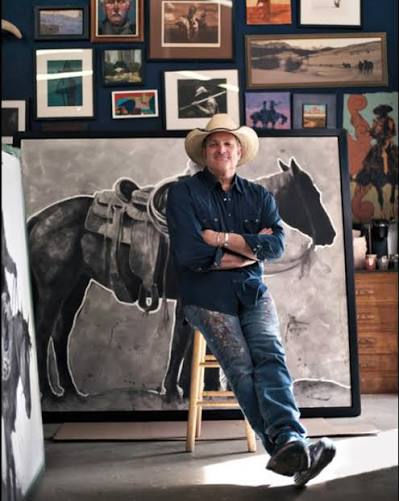
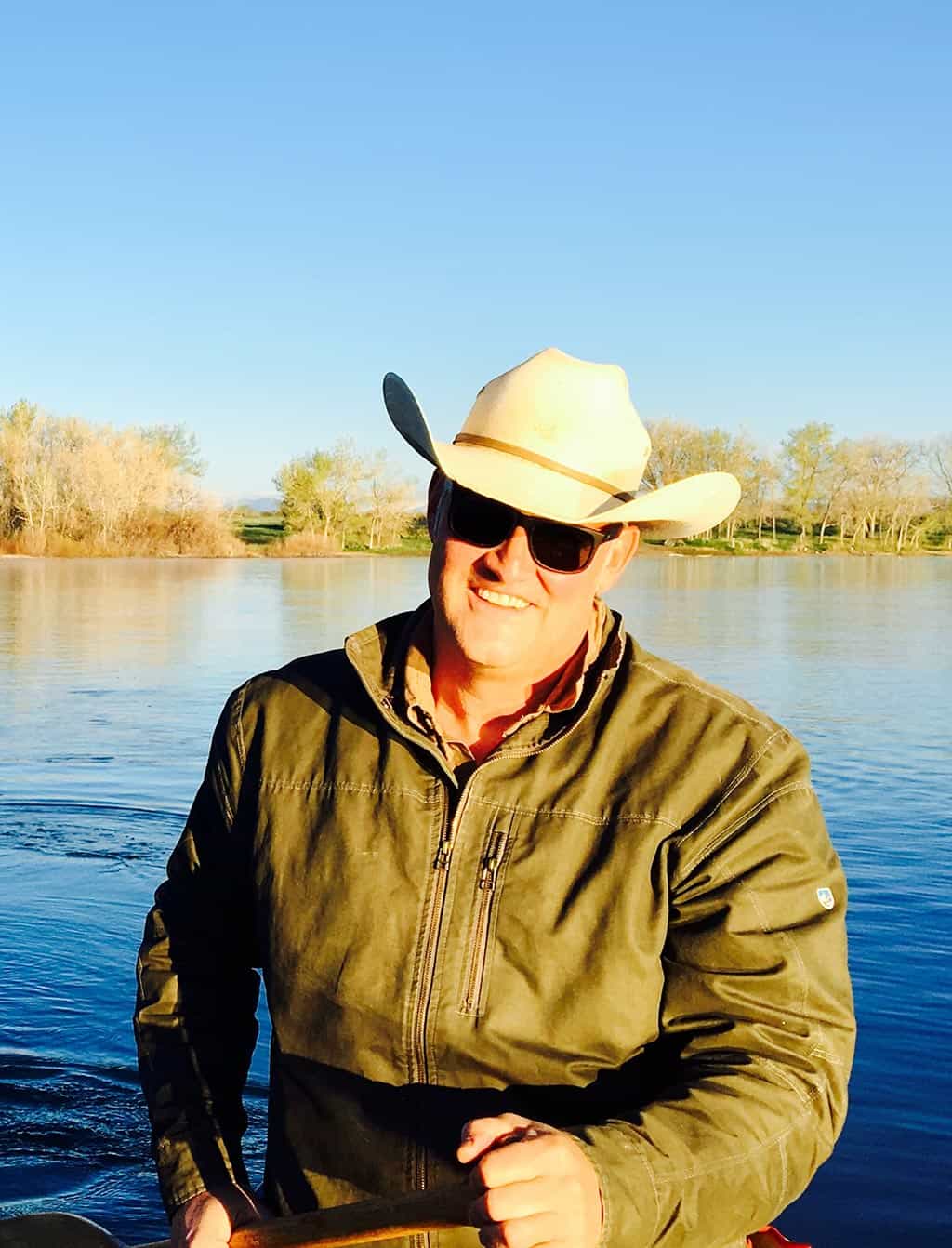
Welcome back to the Land Bulletin! We kick off the new season with a double feature – the Beardsley Brothers, Duke and Woody! From their family’s five generation history in Colorado to their distinct career paths – Duke as a renowned western artist and Woody as a conservation-minded ranch broker (at Mirr!) – the Beardsley’s share their perspectives on preserving the legacy of the West. They discuss how ranching, land stewardship, and contemporary western art continue to shape the region’s identity offering insights for new and seasoned landowners alike.
Topics
[0:58] Meet the Beardsley Brothers: A Family Legacy in Colorado
[3:30] Ranching Roots: The Beardsleys’ Historic Ties to the Land
[5:21] Childhood Influences: How the West Shaped Their Careers
[9:39] The Meaning of Legacy in Art, Land, and Culture
[18:30] The Evolution of Western Art: Tradition Meets Modernity
[22:22] Ranching Today: Land Use, Conservation & Ownership Trends
[25:32] Storytelling Through Art and the Growing Popularity of Western Aesthetics
[31:45] What’s Next for Duke & Woody Beardsley
[33:47] Closing Thoughts & Final Reflections
Haley Mirr (00:06):
Welcome back to the Land Bulletin podcast, where every other week we bring you experts in the field to impart their knowledge when it comes to the ranch and sporting property market, buying and selling advice, the latest, best stewardship practices, as well as topics that impact landowners every day. I’m your host, Haley Mirr. Let’s jump in.
Welcome back to the Land Bulletin podcast. I’m Haley Mirr, I’m the host, and today we have Duke and Woody Beardsley on our show to discuss about their connection to the West through their family’s heritage growing up in Colorado and where the career paths have taken since then. And both of them have really gone down these paths of representing the story and the legacy of the West through their different medians. So I’d love to introduce both of you, duke Beardsley, welcome to the show. And Woody, thank you for coming back on.
Duke Beardsley (00:58):
Hi Haley.
Woody Beardsley (00:59):
Hey. Good to be here.
Haley Mirr (01:01):
Well, I’d love to start first with a lot of people are moving out west, moving to Colorado, moving to these different states, but not a lot of people. We call ’em unicorns, have a family history as long as you guys do with Colorado. Do you mind telling us a little bit about the Beardsley family history in Colorado? I’ll start with you, duke.
Duke Beardsley (01:22):
Wow. I’m going to pass it over to Woody. Yeah, we’ve been around a while, maybe not as long as some, I like to give us credit, but I think what we’re pretty steadily fifth generation on both sides, which is kind of cool. But Woody, correct me if I’m wrong, I think we waited till the railroad
Woody Beardsley (01:42):
Mostly. That’s right. Our generation is fifth generation on both sides. Beardsley and my mom’s family was Newton, she’s at Davis, but it was Newton family and the Newtons and Beardsley both came in the 1880s and that was five generations ago. And we’re to the probably the 1, 2, 3 third or in one case, fourth other case, third born generation.
Haley Mirr (02:15):
That’s awesome. And it’s fun too, working with the tolls on Toland up in Netherland, that same kind of connection with these long family histories in Colorado and just seeing where it’s come today. And was your family heavily involved in ranching since you guys were kids and things like that? Or is this kind of a new kind of second generation deal?
Duke Beardsley (02:38):
Dad’s family, the Beardsley are the ranching side mostly. There was some ranching on the Newton side as well, but correct me if I’m wrong, would I think our great grandfather was the first real branching beardsley I would guess. And then of course our grandfather and our dad and now us. So it is been around almost as long as we have. Am I missing anybody wood?
Woody Beardsley (03:03):
Nope. And then there was a same generation fellow named Whit Newton who had a big ranch above Pogo on the East Fork of the San Juan. And that was a big legacy ranch that in fact conservation fund helped acquire and get into the hands of the forest service years back. So I’ve been ranching on both sides of the family.
Haley Mirr (03:30):
What kind of connections, I know you guys are really connected with Summit County and that kind of area. Where other kind of parts of Colorado did your family settle in or ranch in around the state?
Woody Beardsley (03:43):
Well, on the Beardsley side, our great grandfather was the mayor of Westcliff and was involved with a big ranch south of Westcliff back then known as the JM Ranch and more recently known as Wolf Springs. And they were involved in all kinds of things he family had was partners in the bank, partners in the dairy, involved in a bunch of different properties and were pretty solid citizens in both Westcliff and Silver Cliff, our great great grandmother was born in Silver Cliff. She’s a Swanson. And so we’ve got five generations in the Rita Cemetery there. So that would probably be the most direct westcliff in the wet Mound Valley. Probably the most direct immediate location years later family that all moved. And we had a ranch when we were kids growing up out in Southeast Douglas and southwest Albert counties out in the black forest, kind of south of southeast of Franktown.
Haley Mirr (04:54):
So I would love to know when you guys were kids, your career path, duke now as an artist in Woody, you as a conservation-minded broker, kind of where did all this kind start? Can you think back to a time when you guys were kids where you kind of were inspired by the landscape around you guys? It’s probably not like a pinpointed thing, probably just like an overall ethos, but I’ll start with you Duke.
Duke Beardsley (05:21):
Yeah, for sure. Overall, I mean just the whole vibe and growing up being exposed to that life, it was also kind of parallel to our lives in the city as city kids. So for me it was a very informative and defining piece of what I came to do. I mean, putting a contemporary modern art spin on a very traditional subject like the Western genre is I think is a direct result of growing up with kind of a foot in either camp. I call it my dual upbringing and you can decide how to spell dual because there were times when it was harmonious and times when it’s combative. But yeah, certainly for my own interest, anything to do with horses, working cattle on horseback, which is kind of my focus statistically in many ways or at least always was. And just being out on the land with family, with animals, that was kind of an ethos that made a big imprint and it took me a while to figure out that that’s what was driving a lot of what I ended up doing artistically. But now I see it as a very strong direct connection to that exposure as a kid for sure.
Woody Beardsley (06:32):
When we were kids, I’m six years older than Duke, so my memories of say what we used to call Beardsley Ranch, which was out in Douglas and Elder County, maybe a little different than Duke’s, maybe more occurred more during my say formative years than say the ranch. We shifted to up in summit where Duke was involved early on as a young adult and or late teen, I can’t remember the years there Duke, but when we used to go to Douglas County, I mean Denver ended at the Continental Theater at Hamden. I mean it was really a very stark, a stark change and you would actually have to go through a little agricultural town of Castle Rock or Parker and Franktown was an implement dealership and that was about it, four corners and implement dealership. And subsequently in our lifetime, and particularly while we were growing up, the booms that have come and gone in Denver were very visible. And for me that was a huge piece in forming my sense of where we were, what we were doing to it and why and wishing it so. I mean, there’s a lot that’s informed my career, both environmentalists a conservationist and as a ranch broker that was informed by those early years watching the city expand and what I thought was lovely countryside shrink away and it sticks with me today. I mean that hasn’t changed. That’s still going on. Right.
Haley Mirr (08:06):
Yeah, I’m sure your mom, I know she’s kind of downtown now, and just to see everything kind of grow up around her, it’s probably even more jarring.
Woody Beardsley (08:16):
Although it was interesting, she chose to be downtown when she recently moved down there because, well, it’s Denver and I recognize Denver even though so of it, so much of it’s new and changed, but to think about moving to an apartment or something out south, she goes, I just don’t know where I am out there. So yeah, that’s still part. Knowing where she is is a big piece of what we grew up with.
Haley Mirr (08:39):
Yeah, I love that. And most of your family is still in Colorado, right? Is that the case?
Woody Beardsley (08:46):
Our media family? Yeah, all four of us.
Haley Mirr (08:50):
I love
Woody Beardsley (08:50):
That we’re all back. There was some stints in California for both my sisters and myself and I also did a long stint in Montana in the nineties, but we’re all back in Colorado.
Haley Mirr (09:06):
Awesome. And I’d love to know now kind of getting into, not the spirituality of it all, but legacy and we talk about legacy ownership here at Mer Ranch Group and family and generational. Duke. I’d love to know starting with you, how you’re preserving this cultural identity of the West and legacy through your art and how you’ve seen, I don’t know, even the art scene change a lot through the years and kind of representing this kind of story of the west and how it’s changed over time.
Duke Beardsley (09:39):
That’s a fun question because I’ve just recently, in the last year or so, really come up against that word legacy a lot and I find it interesting and intriguing and also it kind of, I don’t know, I find it challenging or almost a little bit resistant. And I am curious, I mean obviously if you look at some of the more representational work I do featuring working cowboys and cowgirls horseback, specifically working ranch work of today, I do see that as representing a tradition and in that respect the legacy of Colorado’s working ranch heritage. But at the same time, I’ve made a very clear decision to look at this beloved iconography with a very modern contemporary twist to take the aesthetics of the more modern art movement of the fifties, sixties and seventies and into postmodernism and then look at this beloved traditional iconography. So at the same time, while I can’t help but love it and perpetuate the tradition and the legacy, I’m also decidedly challenging it and more and more every day that I’ve becoming more aware of how hard I’ve been pushing to see this be something that I’ve never seen it be before but still remain recognizable.
(11:10):
And I’m grateful for my great dumb luck that the western genre can and has endured so many years of people imagining it and reinterpreting it and worshiping it because you can collapse under too much love too. So I don’t necessarily think of myself as a champion of the legacy and about that word, I’d love to. I had a really great encounter with none other than Pete Coors once challenging me in his lovely, easy way to understand what anyone means when you talk about the legacy of the west. And Pete is an accomplished guy on so many fronts and very much himself, a representative of a longstanding western family. And he was talking about with very clear ease about who owns the legacy of the West. And I came away from it thinking, I don’t know that I understand it the way he does or if he understands it the way I do, but it really forced me to think who does own the legacy of the West? And I’ve come up with my own version of it that is a little different maybe, but Woody’s in my Western heritage, we had nothing to do with that in many respects, in most respect.
(12:26):
Oh, we, I’m out of here, I’m not going to be a westerner. Well then we could make those decisions. But this fifth generation stuff, we had nothing to do with that. And
Woody Beardsley (12:36):
Well, legacy actually for me was a loaded word and very much recognizing that we are immensely privileged and fortunate family. We come up from a long line of minors and bankers and real estate developers and lawyers and ranchers order. So you can write law and count money and those things are, you look around and the implications of those generations are not small and they’re not without impact both on the land and with other people. And I spent an early part of my career trying to kind of either undo or outdo that legacy in the sense of if you could count up the acreage of Vail and copper and Inverness and these places that had been developed in my lifetime and I’d watched change from being these relatively pristine wild places into commercial industrial developed zones. I was going to protect as much ground as we had inundated or that those areas had been inundated. It wasn’t very realistic, but it was an important piece driving my consideration of what’s going on. And I’ve spent some time wanting to better understand mechanisms, the jurisdictions, the laws, and that drove in order to continue to drive those legacies. Legacy of Conquest is a wonderful title from Patty Limerick, head of the, what is it, the Western, I can’t remember the name of the,
(14:17):
She was the chair center up the center for the west up at University of Colorado. And I want to say it’s an important legacy. I don’t want to aggrandize it, but it’s certainly informed my thinking and my career as both environmentalist and as a real estate person interested in land use in real estate.
Duke Beardsley (14:40):
But to that point, what he’s making, and I think what I started to think about with Pete Coors was for those of us who had a lot of our western legacy heritage brought upon us and then made our own decisions, eventually, I think I fine tuned it. And my expression now says, I don’t care if you’ve been here five generations or five minutes if you’re wearing a turban or a Stetson, if you chose the West. And by the way, Raj Ri, the very wine artist from Denver,
Haley Mirr (15:09):
Love him,
Duke Beardsley (15:09):
Landscape painter who’s born in India, who’s just fabulous. So if you’ve chosen the west and you were the one who made that transition to the west, ours happened generations ago. But if you did that last month and you’ve chosen this place to be your in charge of your western life, then you own the legacy along with us and everybody else who’s made this their home and you inherit a lot that you don’t have anything to do with. But there it’s,
Haley Mirr (16:06):
It’s cool.
Duke Beardsley (16:17):
He’s a voracious. Oh, huge.
Haley Mirr (16:19):
Yeah, he’s great.
Duke Beardsley (16:23):
Yeah,
Haley Mirr (16:24):
I know. I thought my dad read a lot, but yeah. Well, I think that brings up a great point, guys. I think the West, what’s really great about the West is it does offer this opportunity for people to create their own legacy and to kind of build on what people before them have done. And you guys have done a great job of that. And I think as ranch brokers too, it’s stewarding those people into kind of their own legacy and making sure they have the tools to do it in the right way so that these landscapes can stand the test of time. But I love to hear that it is, we talk about your guys’ family history and how long you guys have been here, but you’re each making your own legacy through your art and through your lasting conservation efforts, Woody. So I love that you guys brought that up and it’s something to consider even in our own marketing, when we talk about that legacy, when we talk about people,
Duke Beardsley (17:19):
Look at your average broker for you guys, right? It’s not just buying a ranch for ag anymore. You’ve got Woody and so many of your brokers. Everybody sees this from so many angles and sees all the reasons that someone might be wanting to buy a ranch aside from agriculture. So I think it’s a testament right then and there. This is so different and I think what I eventually discovered is I didn’t want to paint Charlie Russell’s west as much as a western lifestyle as Woody. I’ve had the great privilege of living. I never roped a bear or fought over a waterhole. This isn’t Charlie Russell’s west. I grew up in the 1970s and eighties of suburban Denver. But you never spent any time looking at Charlie Russell Kings though, did you? No, never. But it’s just such a testament. The west changes under our feet every day and it’s still a very inviting, romanticized place. So kind of amazing how it just keeps enduring.
Haley Mirr (18:15):
How are you seeing this change and this scope in the art scene of Western art? Are you excited about where it’s headed? Are people kind of taking these stories and creating even more kind of platforms for it in your line of work too?
Duke Beardsley (18:30):
Well, I’m very excited. I think this question comes up a lot or some version of this question comes up, and I’ll give you my basic thing that if this is western art, I get in the screen. If this is western art, I don’t see this happening. I don’t also see that necessarily happening. The boundaries of Western art have been established. They’re very strong, very beloved. It’s one of the most beloved and has endured, in my opinion, the most of most American art genres. And it was ridiculed being provincial for a long time and istic. But within western art, again, there is this, we’ve seen everything abstraction, surrealism, representationalism, still life figurative, all of it. So it’s a very strong genre. But what I have noticed is that this is western art again, remember this hand is here, there’s been this little emergence now big emergence of contemporary western art. So again, art influenced by a much more modern and contemporary aesthetic and mindset, whereas traditional western art was steeped in the traditions of figurative European art. So it’s a very exciting time, I think as the west continues to change and population being probably the biggest driver of that change, in my opinion, in my lifetime. Anyway, so it’s a very exciting time. I wouldn’t try to harbor hazard a guess as to where we’re headed, but I like where we are and I like being a part of it. It’s great.
Haley Mirr (20:00):
And I’d love to know from your guys’ perspective, okay, there’s people that are moving to the West. You talked about Cal Rock used to be this provincial kind of agricultural community and now it has all of those super shopping malls and things. As these people come to the west, there’s a lot of really good ideas. There’s a lot of good people coming out here, but what are the things as people that love Colorado, the landscapes, the iconography, all of it, what is some of the advice that you give people moving out west who are maybe thinking of purchasing a ranch or what to be enveloped in the culture? I know that’s a broad question, but I feel like you guys are the ones to think about that deeply as Beardsley brothers
Duke Beardsley (20:47):
Even in Colorado brings some
Woody Beardsley (20:49):
Water. The danger and it’s more not necessarily any one individual coming here, but the sheer numbers, I mean it’s kind of a classic adage. We can love it to death and
(21:07):
You can ask yourself, but you don’t have to be from here. You can be fresh off a boat from Ohio or wherever, and you could spend three hours in a line of traffic in I 70 trying to get to Copper Mountain and decide this really sucks. And that doesn’t take a lot of intuition or insight or knowledge of the west. But I do think that what I love about being a ranch broker and what I’ve always loved about land conservation, the people involved, but also the diversity of experience. There are so many different. What kind of ranch is it? Well, I mean there are lots and lots of kinds of ranches and certainly the economics of that have changed. And you might say that some of the economics of ranching never made a lot of sense to begin with. And so it’s been a difficult proposition for a long time, but particularly as you’re advising someone looking at getting into it, I love being able to help them come to understand the breadth of the opportunity and whether it’s kind of true ag production property or recreation property or something with water.
(22:22):
There’s such a diversity. And also in the process of that explaining to them, I’m a big advocate and not apologist for conservation. Why? I think that’s the long-term value play. And the old Will Rogers adage or whoever was name was Mark Quain, they aren’t making any more of it is true. And that conservation, most of the conservation in Colorado is, or at least the agricultural conservation, the rural ranch conservation is making an effort to keep the ranch. A ranch changes inevitable. A fire will come, the rocks will slide, things will roll over, nothing stays the same. But once we inundate a place to curb, gutter and the blade and make it urban or commercial or industrial, it’s very hard to imagine it going back. Certainly that’s a humanist mechanism, wanting to see it a certain way, but I think I can show almost anyone in any landscape why the long-term play towards conservation is ultimately the long-term value play. And I enjoy doing that.
Duke Beardsley (23:35):
Along the lines of how Woody was saying when he started that the definition of what a ranch is has changed so much. I think that’s kind of the spirit of what a lot of contemporary western artists are trying to do, which is to say this is still this very inspirational and empowering place to be an artist and to embrace its culture, but it isn’t necessarily what it’s always been. And there’s so many new vibes and so many new, so much of what drives me and color-wise and theme wise is a product of this growth. We’re talking about this evolution and change. So I think that diversity that you’re seeing in the definition of what is a ranch, who is the west, all those kinds of things are just so important to realize that this has always changed. It’s never been the same. I mean, go west and grow old with the country. It’s an interesting grow up with the country, I guess is what he technically said. Yeah, not curious if we have grown up, but I do think it’s impressive to watch this continue to evolve and change and accept its own place in its own time and yet try to honor its traditions. And it’s a fascinating place to find yourself working in really as we could see in so many different areas.
Haley Mirr (24:58):
And I love too what you’re saying with the influx of people that have moved here but are still wanting to understand the West and understand what it means. I think for the majority of people who are moving here, it’s for a reason and they do want to kind of figure that out. And I think the Coors Show was a huge representation of this. The amount of art that was sold this year at Coors was the most it’s ever had. And the fact that there continues to be this interest in understanding the story of the West through different mediums, I think is really telling and exciting.
Duke Beardsley (25:32):
Yeah, I agree with you. It was great fun to be a part of it that the storytelling, you’ve mentioned that several times. The storytelling aspect of Western art has always, for me been what hooked me. I’m a very visual person anyway, but when I started to connect the visuals with the story they were telling, I think I was kind of doomed to be in this line of work at a very young age. Those stories just shook me so hard and exposed to that stuff as a very young age and realizing what it meant, realizing now that a lot of it was even then kind of romanticized one of my all time favorites. In fact, everybody’s all time favorite Frederick Ton painted 90% of his work in his studio in New York, and he’d only been west two or three times in his whole life, and yet he was the standard bearer of western imagery and western art storytelling for so long. So it’s always been the mythology, what’s the great quote, Woody? When the man meets the myth, print the myth or whatever the story is
Woody Beardsley (26:31):
And that whole thing to story, I mean, so much is about inspiration and whether it’s that drive to Copper Mountain or a drive across the San Luis Valley or down the front from Fort Collins of Pueblo, and even if you’re going through suburbia or the development of the time, the landscape itself is inspiring. You’re seeing 150 miles distance and you’re seeing these gorgeous peaks, these prairies and the lights going across it. And you can’t, regardless of where you’re from or regardless of your background or your history there, you can’t not be inspired by this remarkable place. And this just here in Colorado, it’s all over. And it kind of begs that inspiration or that storytelling. You go out there and you find out there’s people out there carving, living in this place, and whether it’s Arapo and Cheyenne peoples from before or some miners or some transplanted kids from Ghana who are working at the city market in Frisco, it makes you want to know what’s going on and very much it’s infectious. And I think that really is born of the place. It inspires us to want to know.
Haley Mirr (27:54):
I’ve got to know, you guys have mentioned a lot of quotes in a lot of authors, and is this from growing up together and kind of reading things like reading books together, what is this I need to know because I need to start to read these things and have these quotes send into my brain too.
Woody Beardsley (28:15):
I myself resisted a first rate education from the get go, and a lot of really good was just jammed down my throat, and I think I got it through osmosis. But again, I think it’s that inspiration that the place makes you want to know more and find out more about it. And Duke’s reading a great book right now by John McPhee about the geology of Wyoming, and you pick that thing up and it makes you want to drive to Rawlins and hop out stage to love ranch. And it is just,
Duke Beardsley (28:56):
Well, like Ed Roberson, he’s always talking about his readings, what he’s selling until short, he’s voracious reader and been a real inspiration and source of books to read pretty much my whole life, especially my adult life. But like the place, there’s a lot about this that’s been written about the West Woody already mentioned Patti Limerick’s book, one of the great of all time, if you’re new to this, you don’t read a legacy conquest, you’re missing out. But there’s just an incredible, endless library of fabulous stuff that’s been written about the West. And we’re also, you’re talking about the quotes, I’m also quoting movies and I’ll quote Jerry, Jeff Walker’s songs. We’re not careful, but there’s all kinds of inspirations and truths and half-truths and BS all about the west, and that’s what makes it so fun. It’s so exciting.
Woody Beardsley (29:51):
One of the other great historians of the west, an environmental historian, I had the good fortune to study under at the University of Montana as a guy named Dan Flores. And Dan is now retired and living near Santa Fe and has remained a good friend, has written some really remarkable books, contemporary natural histories of North America and of the West. Dan has been a big inspiration for me and pointed me in some directions, some reading I’ve probably never done without his encouragement. I’m hopeful. You and I have talked about getting Dan on this
(30:29):
Podcast to talk a little bit about the American Serengeti, one of his great books, his book Coyote America, was on a New York Times bestseller. I mean, a book about coyotes was on the national bestseller list I think for 12 weeks or something, a couple years back. And maybe longer he demolished me. But there are some amazing people doing amazing work and research about the West. No doubt to this day.
Haley Mirr (31:03):
That’s awesome. Well, we’ll have to look. I know Ed has a huge list of books too. My friend down in Santa Fe, Haley, she gets a shout out, one of our biggest fans on the land bulletin, but she’s read almost all of those. So it’s something we should continue to reference, especially for new landowners, if they really want to understand what they’re getting into.
Duke Beardsley (31:26):
As you listed, if you’re new to the West, you should read these 10 books or whatever it is. And they’re, all of them are great. Yeah,
Haley Mirr (31:32):
I need to be better. Ken’s always reading three books at a time and bringing up these things I need to be better. And Duke, I’d love to know you were just at Coors. What are you working on now? What’s the next kind of,
Duke Beardsley (31:45):
What am I working on now? I’ve got a shows coming up. I’ve got some commission work. I’ve got a new gallery in Texas, and then my main gallery, ult Fine Art, I have a show with them in Scottsdale in March. So luckily a ton going on. I got done with Coors and was not in a position to put it in neutral as much as I would. So it’s great, very busy. And for me, that’s just opportunity to keep scratching at this and figuring out what it is I’m multiply trying to say or do visually with this love affair I’ve had with the Western iconography my whole life. I mean literally, because that’s probably been with me that the longest of anything is working this out in image making. So lots going on. Grateful for it.
Haley Mirr (32:33):
That’s awesome. And Woody, I’d love to know, when was the first time you’ve knew like, okay, got something like,
Woody Beardsley (32:40):
Oh,
(32:42):
He was a little boy. We had a house on seventh and Gaylord in Denver, and there was a little low table, kind of like a coffee table in a kind of sun room family room where until later years, we didn’t really have much television around. Our parents didn’t believe in it much or just never invested in one. So there was always a lot going on in our house. There was always a lot of noise. And Duke had the good fortune to be able to use drawing as a way to kind of tune that all out and just kind of focus his energies. And I mean, he wasn’t five, and we used to tease him, what are you draw there? They look like little squirtles say, what are you drawing? Poop? And he would look at it, it’s like, no, that’s a horse damnit. And he’d been drawing horses ever since.
Haley Mirr (33:33):
That’s awesome. Well, I love both of your brains so much, and I was just so excited to have you both on the show. I mean, you two could honestly have your own podcast, so the fact that you’re even here is awesome.
Woody Beardsley (33:47):
Thank you so much.
Duke Beardsley (33:48):
Yeah, thanks Haley. It’s great fun meet.
Haley Mirr (33:52):
Thanks so much guys,appreciate you both. See you next time.
Woody Beardsley (33:55):
Yeah. Bye.
Haley Mirr (33:58):
Thanks for joining us today. To learn more about the ranch real estate market or our ranch marketing process, make sure to subscribe to our newsletter on our [email protected] or give us a call at (303) 623-4545. See you next time.