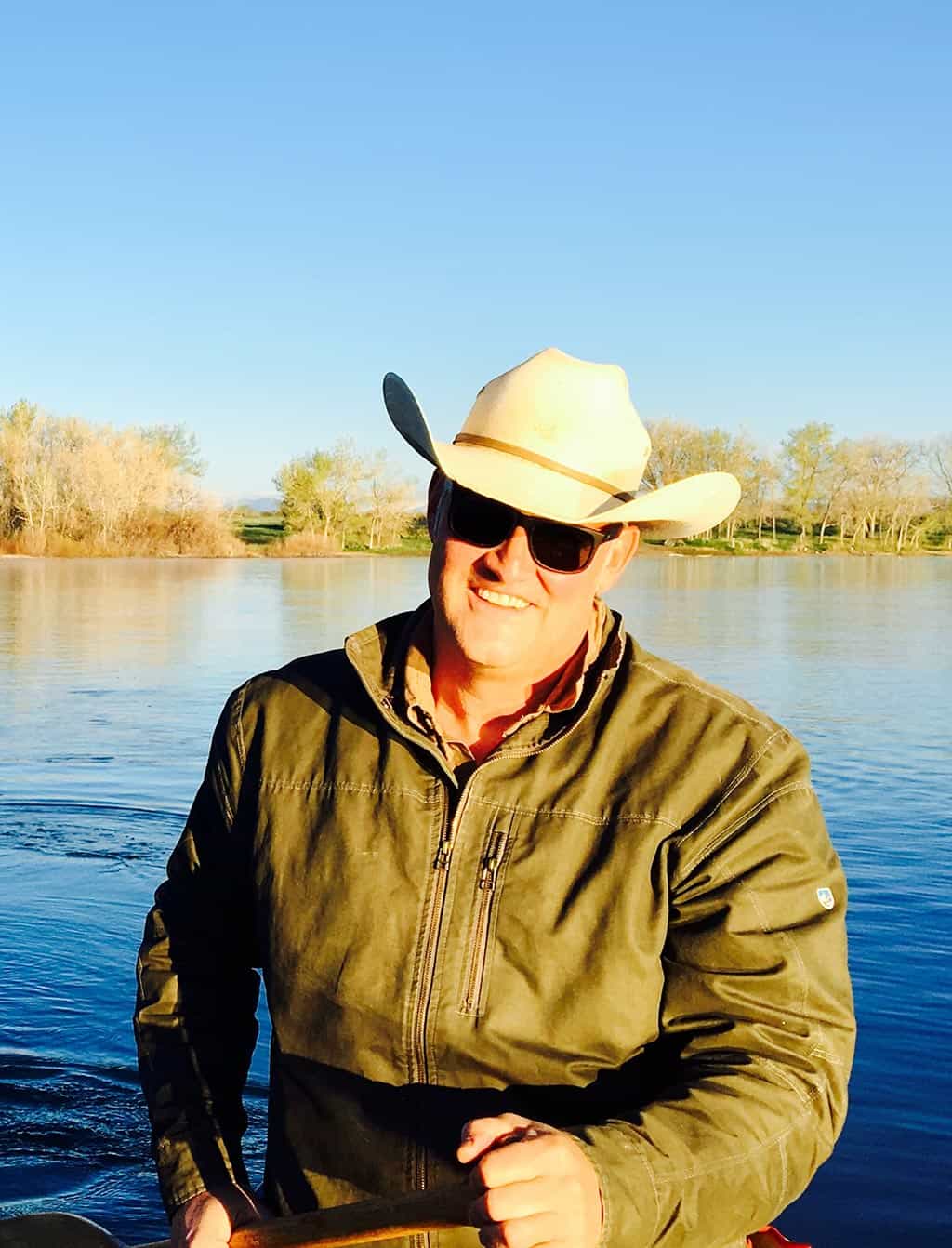
We’re back exploring the west’s hidden gems with Mirr broker, Woody Beardsley, who has some personal experience with this week’s town – Westcliffe CO.
Nestled in Colorado’s Wet Mountain Valley, Westcliffe plays an integral role in Colorado’s history and beauty. From stargazing to centennial ranchers, discover why this town still feels like the Colorado of generations past.
Topics
[0:00] Intro to the Land Bulletin and the Back Forty
[0:57] Where is Westcliffe? Overview of location and appeal
[2:05] History of Westcliffe
[3:23] What makes Westcliffe unique?
[4:15] Recreation in Westcliffe
[5:56] Best Times to Visit Westcliffe
[7:56] Why Westcliffe is great for land and ranch ownership
[15:27] Marketing ranches with conservation in mind
[20:01] Favorite hidden gems and roadside attractions
[22:39] Final thoughts on Westcliffe’s enduring appeal
Haley Mirr (00:06):
Welcome back to the Land Bulletin podcast, where every other week we bring you experts in the field to impart their knowledge when it comes to the ranch and sporting property market, buying and selling advice, the latest, best stewardship practices, as well as topics that impact landowners every day. I’m your host, Haley Mirr. Let’s jump in.
Okay. Welcome back to the Land Bulletin and we’re going back down our Back 40 series where we look at some towns in the west that maybe you guys aren’t as familiar with. Today we’re looking at the town of Westcliffe and helping me out to kind of better understand this area and what to know when you’re driving through there is Mr. Woody Beardsley. Welcome Woody to the show.
Woody Beardsley (00:46):
Hi Haley. Thanks for having me.
Haley Mirr (00:52):
So before we kind of dive in, for those who have never heard of Westcliffe, how would you describe it?
Woody Beardsley (00:57):
So Westcliffe is this gorgeous ranching town, ranching community in what’s known as the Wet mountain valley, which is this high mountain prairie on the east side of the rated Cristo range in kind of southern Colorado, hour and a half from Colorado Springs, not an hour from Pueblo, easy access, Pueblo Canyon Salida in terms of if you need big box retail or more robust medical facilities. And of course just all the surrounding skiing an hour away and monarch sand dunes on the other side of the mountains. There’s just so much appealing and compelling about the region.
Haley Mirr (01:46):
You don’t have to get on that. Dang I 70
Woody Beardsley (01:49):
And you don’t have to get on, don’t have to navigate the war. Right.
Haley Mirr (01:57):
So can you give us a little history about the region, how it’s been used over time, kind of maybe who settled at first and where it is today?
Woody Beardsley (02:05):
Yeah, so historically the valley was a really important summer hunting ground for plains tribes that would come up. The bison would come in seasonally to the valley and so it was a really important summer kind of hunting ground, if you will, post European settlement. There was a big boom in what’s known as the eastern hills or the wet mountains, which are the east side of the valley. They found silver lead. It’s part of the Rocky Mountain Mineral Belt. And so the town of Silver Cliff and Rosita and then Westcliffe were founded in the late 18 hundreds as part of those series of mineral booms. Subsequent. Along with that came some agricultural development. The ranching community came in to serve those mining communities.
Haley Mirr (02:52):
Got it. And does your family kind of have a history in Westcliffe as well?
Woody Beardsley (02:57):
Yeah, so I have a great, great two greats, but also my great grandfather was the mayor of Westcliffe at one time and we’ve got five generations of Beardsley in the Rita Cemetery. I have a great, great grandmother, Pauline Swanson who Swanson family settled Rita and she was a school marm, so got a lot of cool roots in the wet mountain valley.
Haley Mirr (03:23):
There you go. So you’re definitely the guy in the nil about the wet valley. So to you then, what makes this area of Colorado so unique? Why do you like this area of Colorado?
Woody Beardsley (03:36):
It’s unique to me because it’s kind of like Colorado used to be. It’s not on the I 70 corridor, it’s not on the I 25 corridor. Subsequently it’s remote from, there’s no resort development. There have been episodes of people trying because such a spectacular place. There’s been episodes of that through the years of people trying that there was a little accidental ski area that never took off and some things like that. But otherwise it really just still feels very much like Colorado did a generation ago.
Haley Mirr (04:09):
What are some of the other activities that people do in the area from an outdoor perspective?
Woody Beardsley (04:15):
Well, there’s just literally all the host of outdoor activity that you associate with Colorado Mountain living and lifestyle, hiking and skiing and back country skiing and snowmobiling and fishing and hunting. And there’s a very robust and active equestrian riding ATVs. There’s a very popular trail called the Rainbow Trail that traverses the entire length of the San Crito range. It goes kind of through the valley. So it’s a very no shortage of great things to do. And
Haley Mirr (04:51):
In addition to some of those, I was researching that it’s a dark sky community for stargazing. Can you tell us a little bit about that?
Woody Beardsley (04:59):
Yeah, actually I can. So in the late nineties of some people who’d been very formative in pursuing the conservation, there’s been a lot of great conservation in the wet mountain valley. We’re really interested in retaining this amazing dark sky because there’s so little development there. Night sky is just spectacular and a woman named Smokey Jack and her husband Bill championed this dark sky community movement for the wet mountain valley and got it designated. They put together, there’s a really cool little observatory in the Bluffs Park on the edge of town where you go. It’s called the Smoky Jack Observatory and they would lead some really neat, all summer long and into the fall. They lead some really neat guy observation with astronomers and telescopes and it’s a nice little piece of the activity in Westcliffe nine months of the year anyway.
Haley Mirr (05:53):
What’s the best time to visit this area
Woody Beardsley (05:56):
Historically, summer has always been the time of year. It is such a robust time of year. I mean from the Indians to the current day, the population doubles or triples in the summer people come. It’s always been a popular destination for Texas and Oklahoma families that have been there for generations that come for the summer to get out of the heat. And so summer’s just a wonderful time to be there. There’s two amazing rodeos, part of the county fair, but also a ranch rodeo. There’s a bluegrass festival actually happen I think maybe right now this weekend. Wonderful bluegrass tradition that’s also in that same bluffs park. So I think a lot of people would tell you summer, I love it there in the fall, spring and fall and the shoulder seasons, it’s also tremendous. In the winter it’s much more, the population settles way back down a lot, just the locals there In the winter months, winter can be very mild and easy, but winter can also be really hard. Historically it’s very tough winters. So at 8,000 feet it’s not for the faint of heart.
Haley Mirr (07:10):
Can you tell me a little bit about why it might be considered a little tough in the wintertime? Does it have to do with wind or snow or just temperatures in general?
Woody Beardsley (07:20):
All of that wind, snow and just a quieter, not as much to do. It just becomes a smaller town that may be super actually appealing to folks. I’m an opinion that winners are nowhere what they were when say my great grandfather was there or my grandfather lived there, but it’s just a little harder in those winter months.
Haley Mirr (07:49):
And then for someone looking at buying land or a ranch nearby, what are the biggest straws to being close to the town of Westcliffe?
Woody Beardsley (07:56):
Westcliffe is very central to the valley and so almost anywhere you go the West Cliff’s going to going be where you go and some would argue you wouldn’t want to be right next to Westcliffe. There actually are some opportunities right on the edge of town. It’d be kind of cool to own a ranch live in town on a ranch, which you can kind of do there, but it’s just that it’s so central to the valley that really for any of your shopping or going to town for restaurants or just in your knees is a really great hardware store. There a great market. There are folks who do run to Pueblo or do run to Canyon or Salida for other kind of big errands. There’s a medical clinic in West Cliff, but sometimes for broader healthcare services they’ll go to Pueblo or Canyon. But otherwise West Clip really is the hub of this community and subsequently feels like that.
Haley Mirr (08:54):
And in addition to maybe some of the amenities and things that are available in Westcliffe, what are some of the other things available to landowners in the area? I know you mentioned San Isabel land trust and called open lands. Are there a lot of hunting leases in the area? What are some of the things available?
Woody Beardsley (09:12):
The San Isabel National Forest is kind of on both sides of the valley as you leave the valley, which is generally privately held. The National Forest is really all the reach up of the forest shoulders of the mountains and the mountains themselves. So there’s a great deal of public land with tremendous network of trails for riding and hiking and there’s wonderful Turkey hunting, there’s great fishing. Deis Reservoir is just a couple miles north of Westcliffe. The Arkansas River is an easy drive. All those blue ribbon stretches of the Arkansas are not well within an hour’s drive. So there’s great fishing all around and there’s always been kind of a robust mountain climbing and hiking. There are I think seven or eight fourteeners in the Sanger de Cristo range. And so West Cliff’s always served as a little bit of a hub for mountaineers who are coming to do those. So, and there’s no shortage exploring all kinds of mineral exploration and people going through the Eastern hills are dotted with old historic mining claims. And so there’s all kinds of exploration around all that historic kind of ghost town elements that are also there in the valley
Haley Mirr (10:35):
As someone that has had even history there. Maybe some of the unexpected things that people fall in love with when they live in Westcliffe.
Woody Beardsley (10:43):
I really think, I don’t want to seem cliched, I think people fall in love with the community. You get there and it’s just a very friendly, very open, which is interesting because a conservative, it is very traditional place, but it’s a very friendly place and it’s very welcoming and I think that regardless whatever your interests are, whether it’s bluegrass and jazz or rodeo and equestrian stuff, it’s been a very interesting amalgamation of folks and all those people turn out as part of this broader gathering valley strong at the end of the summer, we’re literally, everybody comes together to just give thanks for the amazing benefit of living in the community. It’s separate from say the county fair and they literally close off Main Street and everybody, all the businesses, all the various organizations in town come in and it’s all a potluck and you have your table and people wander and they visit and they share their meals and their bounty and it’s just been this amazing, probably it’s probably more than five years old now, but it’s been this amazing addition to the community events there and people look forward to it with great anticipation each season.
Haley Mirr (12:04):
I love that idea. I feel like most communities should have that and the fact that Westcliffee has kind of retained that local kind of piece is really important and definitely sets it apart. I would say from some of the communities that we work in now.
Woody Beardsley (12:18):
It does and it actually has helped bridge what could be disparate political or disparate attitudes about where the community ought to go and it brings them together and gives it a cohesiveness. And you’d asked earlier about what’s special about Westcliffe and not withstanding all the amazing and abundant, I mean just the view alone would be a reason to want to live in Westcliffe, but I think people increasingly would say it’s the people that really make it such a special place.
Haley Mirr (12:51):
Can you tell us a little bit about my Ranch Troops’ experience with either existing listings or things we’ve sold in Westcliffe that you feel really capture the essence of what properties can look like down there?
Woody Beardsley (13:06):
We’ve been really fortunate to be able to do a lot of business in the wet mountain valley or I for sure have. And one of the things I think that stands out for us is our ability to understand and otherwise work with and or market properties that are protected by conservation easements. A number of properties in the wet mountain valley have been conserved either through Colorado Cattleman’s Agricultural Land Trust or through what was known as the San Isbell Land Protection Trust, which is now part of Colorado Open Lands. It’s easy for the initiated to see conservation easements as, Ooh, I’m not sure they seem complicated. Oh, I can’t do anything with my property. They’re these kind of initial responses to what conservation is that are misleading and they’re understandable, but they don’t tell the whole story. And I think our ability to see the greater value that conservation conserve properties provide and are otherwise embraced, they appreciate at the same rate or better than properties that aren’t conserved. They add value in adjacency to the neighborhood and they make it that much more appealing what people are drawn to the wet mountain valley is for what it is and not maybe what it could be in terms of condos and developments and all that. And so I think that our ability to understand that and navigate that and help people come to understand the value of that both as buyers and sellers has been a piece that makes our work down there different than others, I suppose.
Haley Mirr (15:01):
Yeah, I would say so. And I think that’s even the way that you’ve marketed some of these properties. I think that language of buying and investing in this area because of what it holds and what it is versus some of these other kind of, what’s my potential for making a lot of dough and selling this to a developer later on, it’s like you’re investing in this for a reason.
Woody Beardsley (15:27):
We’ve got another listing in the Wet mountain valley, still active listing on the Harold g Kerman Ranch, which is this amazing family that’s been huge proponents of conservation ranching family, they’ve been big proponents of conserving the valley. They did an early, the ranch was kind of three parts lower valley where the main headquarters were with the hay production. This one that we’ve got listed is kind of the Middle Ranch was kind of in the transition from the valley bottom to, and then the third part was some summer grass that they did the original, their summer lease up against the National Forest. They had a private ground up there. They sold that to a member of the community that put it under conservation easement early on. And then the family followed that and I don’t remember how many years ago, put a conservation easement on the main headquarters of the place.
(16:27):
And now more recently we’ve put a conservation easement, they put a conservation easement on the piece that we are now marketing and it’s a centennial ranch that’s been in the family for a hundred years and there’s been some development in the eastern hills there and they want to make sure that it didn’t all go that way. And so this is this wonderful kind of piece of the eastern hills that’s going to stay and it’s always been very important habitat for elk and deer and other species that transition seasonally from up in the higher hills in the summer grass down into the valley bottoms. And so there’s still a lot of a transition across it’s important wildlife corridor and it’s just a spectacular place with spectacular views and is important wildlife dynamic on it is really, really a very special place.
Haley Mirr (17:25):
In your opinion, who do you think is an ideal buyer for something like that?
Woody Beardsley (17:30):
Well, someone who obviously appreciates that conservation value. The conservation easement is very savvy and smart about retaining a number of different building sites that the buyer can from. And they have a lot of flexibility not only in the number but in where they can go. And so it makes it still very attractive if you want right now there are no improvements on this ranch, so we wanted to make sure that gave a buyer an opportunity to really find a unique location for a homestead there.
Haley Mirr (18:14):
In your opinion, who do you think is the key demographic or key investor looking at purchasing it out here and who do you think would thrive living in the wet mountain range?
Woody Beardsley (18:24):
Well, it’s interesting right now with cattle prices where they are, obviously there’s a real interest in finding a good grass, so there’s still an opportunity for true ag producers. They’re fewer and far between. There’re not a lot of them on the market, but then historically also they’ve second home absentee landowner who loves to be there, wants to be there in the summer but wants to embrace some of the may work with a neighbor to manage a ranch or manage a property when they’re not there. Certainly that market is still a big piece of the wet mountain valley market, if you will. And that can be anything from increasingly people from the front range. There have always been people from Colorado Springs who’ve liked the wet mountain valley. It’s relatively close. They can get their short notice Denver front range. Increasingly that’s a potential, but always historically there’s been some very real interest out of say Texas and Oklahoma, people from there that have found the area attractive. And then of course people from anywhere that they’re looking for, very typically looking for kind of a summer retreat or a family retreat of sorts. That’s been a big piece of the history of Wet Mountain Valley real estate for well over a hundred years now. That’s how my great grandparents came there.
Haley Mirr (20:01):
One of the things we like to do on the back 40, partially because I like to know as does our producer, where to go when we’re on road trips, so any local kind of hidden gems, restaurants, cafes, places to see that you love to go to when you’re in this valley in Westcliffe, things like that.
Woody Beardsley (20:20):
A little over halfway between say Westcliffe and Rye is a thing called Bishop’s Castle. And Bishop’s Castle is this obscure kind of, I’m going to tell the story wrong, but this guy I guess historically just start building a castle on the hillside was this tremendous views of the prairie and just the surrounding countryside and it’s this kind of anomaly and people love to stop. It’s in the county of the community of San Isabel, which is basically a reservoir in the foothills of the wet mountains. And this was this kind of project in the works. It kind of grew through the years, and again, I’m telling this story wrong, but it’s this wonderful place to kind of go and just go, wow, somebody built this thing because it was, I don’t know if it was intended to be this guy’s headquarters or was always just going to be this anomaly, but it’s this really interesting kind of tourist curiosity, maybe the thing to call it that a lot of people enjoy going there. It’s in a very gorgeous location.
Haley Mirr (21:25):
I’ve seen that on Instagram, but I’ve never had the chance. It looks like quite the spot that you would not expect. And I feel that region of Colorado.
Woody Beardsley (21:35):
There’s also on the divide between the Wet mountain Valley and say Gardner up north of Madonna Pass, I think there’s reportedly, I dunno if they call them fairy caves or what they actually call ’em, but there’s some caves up on the side of above the rainbow trail up on the mountain shoulder that you can get in there and you explore. I think there’s all kinds of, I dunno what gems, whether there’s sapphires or rubies or there’s some kind of interesting caves that you can go explore and find these buried, not treasure because no one’s already, they’re just part of the natural occurrence subsurface and I can’t remember the name of those games.
Haley Mirr (22:25):
I’m looking at it now. I’ve tried,
Woody Beardsley (22:26):
Actually. I’ve tried a couple of times to find them and never have, but they’re there. People I know have said they’d found them, but it’s kind of one of those curiosities that people love to go explore for
Haley Mirr (22:39):
It’s community. There’s a little bit of magic hidden in there. It sounds like a really neat spot. I do love that. To your point, it is what it is and it’s going to be like that, and it’s just kind of this place that if you are searching for that, you’ll find it in the wet mountain valley, so Perfect. Well, Woody, thank you so much for taking the time. I would love to go to that Valley Strong community dinner with you sometime.
Woody Beardsley (23:07):
Let’s figure, I think figure that would be great
Haley Mirr (23:09):
Fun. That’d be really fun. A little field trip down to Main Street.
Woody Beardsley (23:13):
The problem is you get going and you end up having a conversation. You all these people you want to go say hi to, and you make it by about three tables and by then the event’s over because you’ve just been sitting there jaw with folks. But it’s really wonderful. Wonderful.
Haley Mirr (23:24):
Well, it sounds like it’s old home week for you going down there, so I feel like you’re a celeb. Well, awesome. It was really great to understand a little bit more, I’ve obviously heard of Westcliffe since I was a kid, but to understand a little bit more about what makes it so special was a really neat experience. And with the Harald g Erman seal on the market, your understanding of some of these conservation easements, things like that, there’s still a lot of opportunity to buy down there.
Woody Beardsley (23:52):
Indeed.
Haley Mirr (23:53):
Perfect. Well, I appreciate you taking the time, Woody, and if you all have questions about the Wet Mountain Valley or West Cliff or any of those kinds of surrounding areas, Woody is obviously your man, so give him a call or give him a ranch, group a call and we’ll help you out. But thanks for taking the time to listen to the back 40. We’ll see you guys next time.
Woody Beardsley (24:12):
Thanks.
Haley Mirr (24:14):
Thanks for joining us today. To learn more about the ranch real estate market or our ranch marketing process, make sure to subscribe to our newsletter on our [email protected] or give us a call at (303) 623-4545. See you next time.
Need professional help finding, buying or selling a legacy ranch, contact us:
Mirr Ranch Group
901 Acoma Street
Denver, CO 80204