

Amendment 83 Explained: What a “Right to Hunt and Fish” Would Mean for Colorado
Read more
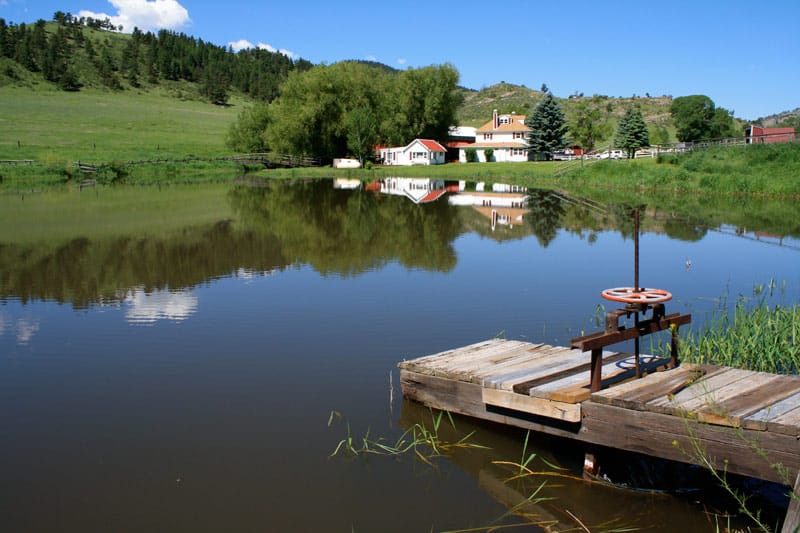



When most people think of real estate covenants, they envision residential neighborhoods with strict, lengthy rules governing all aspects of life in the development: architecture, landscaping, paint colors, and even what type of recreational vehicles a homeowner can and cannot keep in the driveway. Although not the norm on larger acreage ranches, every so often a Rocky Mountain legacy ranch will have covenants that need to be fully examined and understood.
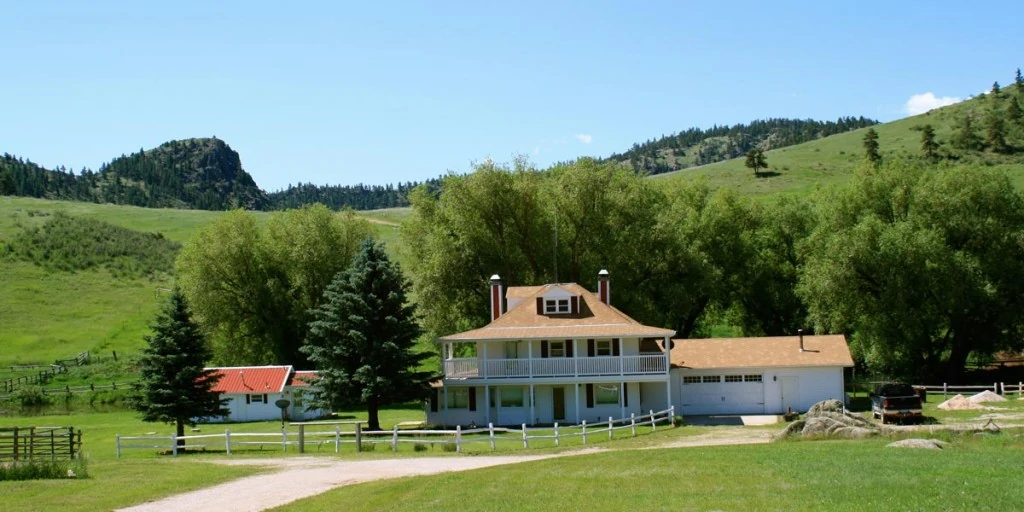
Generally, a landowner decides to put covenants in place prior to subdividing a large ranch into smaller parcels and selling those parcels to new owners. In an effort to provide some level of “quality control” over what will and will not be permitted on the parcels, the landowner (or more likely, the landowner’s attorney) drafts covenants and records them with the county. Once recorded, the covenants run with the land, and future owners are required to comply with them. Depending on the development, they may be enforced by a homeowners association (HOA), property owners association (POA), or other parties identified in the governing documents.
Covenants help remove some of the uncertainty that can come with purchasing rural real estate, particularly when it comes to neighboring properties. For example, if I were to purchase a rural 100-acre ranch with no covenants surrounded by other 35- to 100-acre private tracts, neighboring landowners would generally be free to use their property however they choose, provided they comply with applicable county regulations. This could include dilapidated trailers, inoperative vehicles, excessive outdoor storage, or other uses that may negatively impact neighboring properties. On larger ranches, these issues are often less noticeable because of the distance between neighbors. On smaller ranches, however, neighboring land uses can have a much greater impact on the property’s enjoyment and long-term value. Thoughtfully written covenants can help protect against these concerns.
On the flip side, many people buy western ranches to enjoy greater freedom than they may have in more traditional residential communities. These buyers want to use their land as they see fit, without unnecessary restrictions or oversight.
There are also many buyers who do not object to covenants, but certain restrictions simply may not align with their goals for a western ranch. For example, some covenants prohibit hunting, ATV riding, or the use of firearms—any of which could be a deal breaker for many recreational-minded buyers. Others may restrict short-term rentals, guest homes, additional residences, or certain commercial or agricultural activities. For these buyers, it is important to carefully review and understand the covenants prior to purchase to avoid unnecessary conflicts or surprises after closing.
It is also important to note that, while covenants run with the land, they are generally not permanent in the same way as conservation easements. Conservation easements are typically established in perpetuity, while covenants may be amended, modified, or terminated if permitted by the governing documents and applicable state law.

At Mirr Ranch Group, we are experts in understanding covenants attached to ranchland, and we pride ourselves on being able to communicate the pros and cons of specific covenants, given our buyers’ individual goals.
Be the first to see the latest Ranch news and advice
 0
0
Start saving properties by clicking the + button on any property page.