
Amendment 83 Explained: What a “Right to Hunt and Fish” Would Mean for Colorado
Read more



LAY OF THE LAND
Agriculture is big business in the West. The 11 states in the Mountain and Pacific regions deliver $95 billion annually to markets. To put that into perspective, the USDA reported that in 2020 America’s farms generated $134.7 billion in all.
While a wide variety of crops are grown across the region, the biggest cash crops are barley, potatoes, and wheat. And now it’s harvest time in the West. So how are things looking, given the impact of drought and increased costs owing to inflation? Let’s take a look at the big three for a better understanding of this year’s harvest.
BARLEY
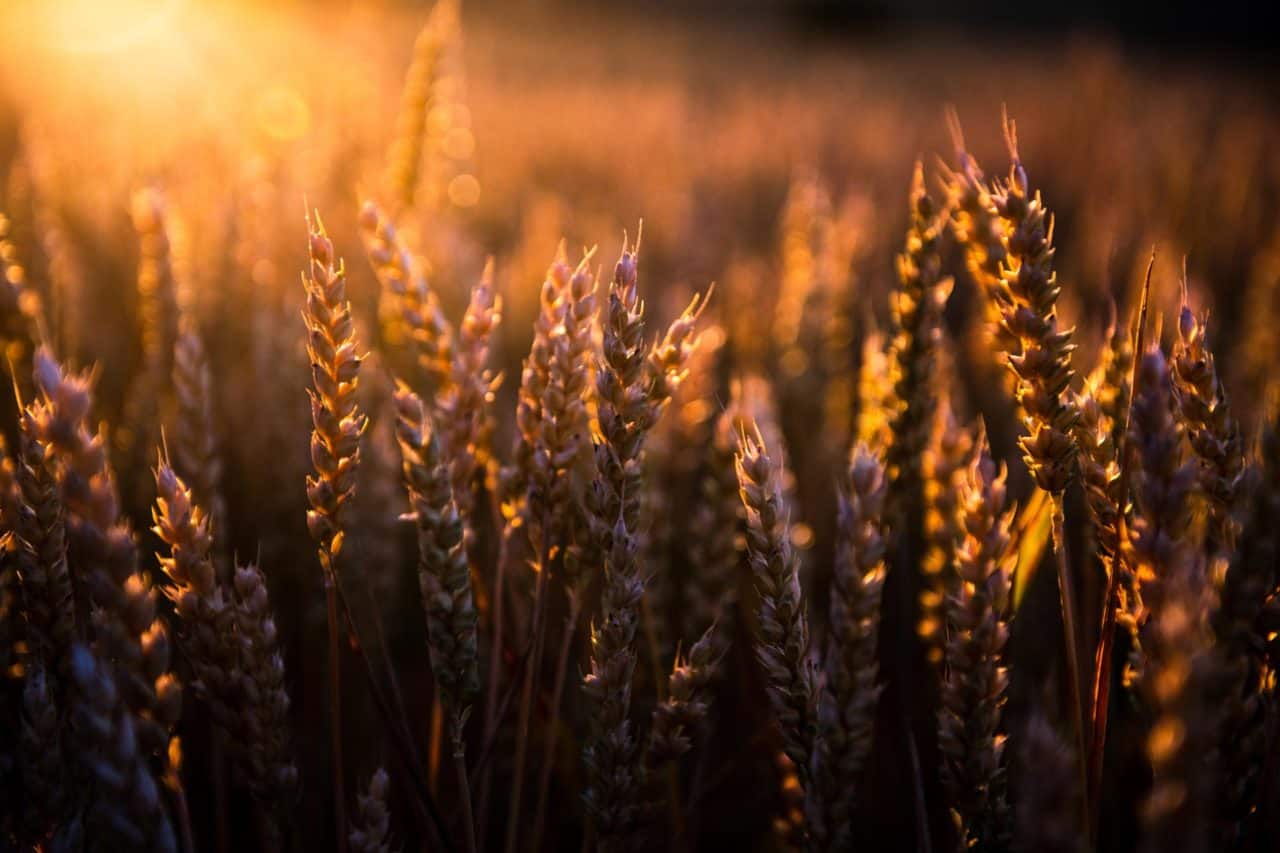
More than 150 million bushels of barley are grown annually in Idaho, North Dakota, Montana, Colorado, Wyoming and Washington. The harvest extends from late in July to the end of September.
The news is good so far in Idaho, the U.S. leader in barley production. Idaho Ag Today reports that a year after severe drought reduced yields, the state’s 2022 barley crop has “bounced back nicely,” with the USDA estimating total production will be 43% ahead of last year.
And the national outlook looks good as well, according to the USDA’s National Agricultural Statistics Service, which forecasts a harvest of 175 million bushels, up 49% from 2021.
POTATOES
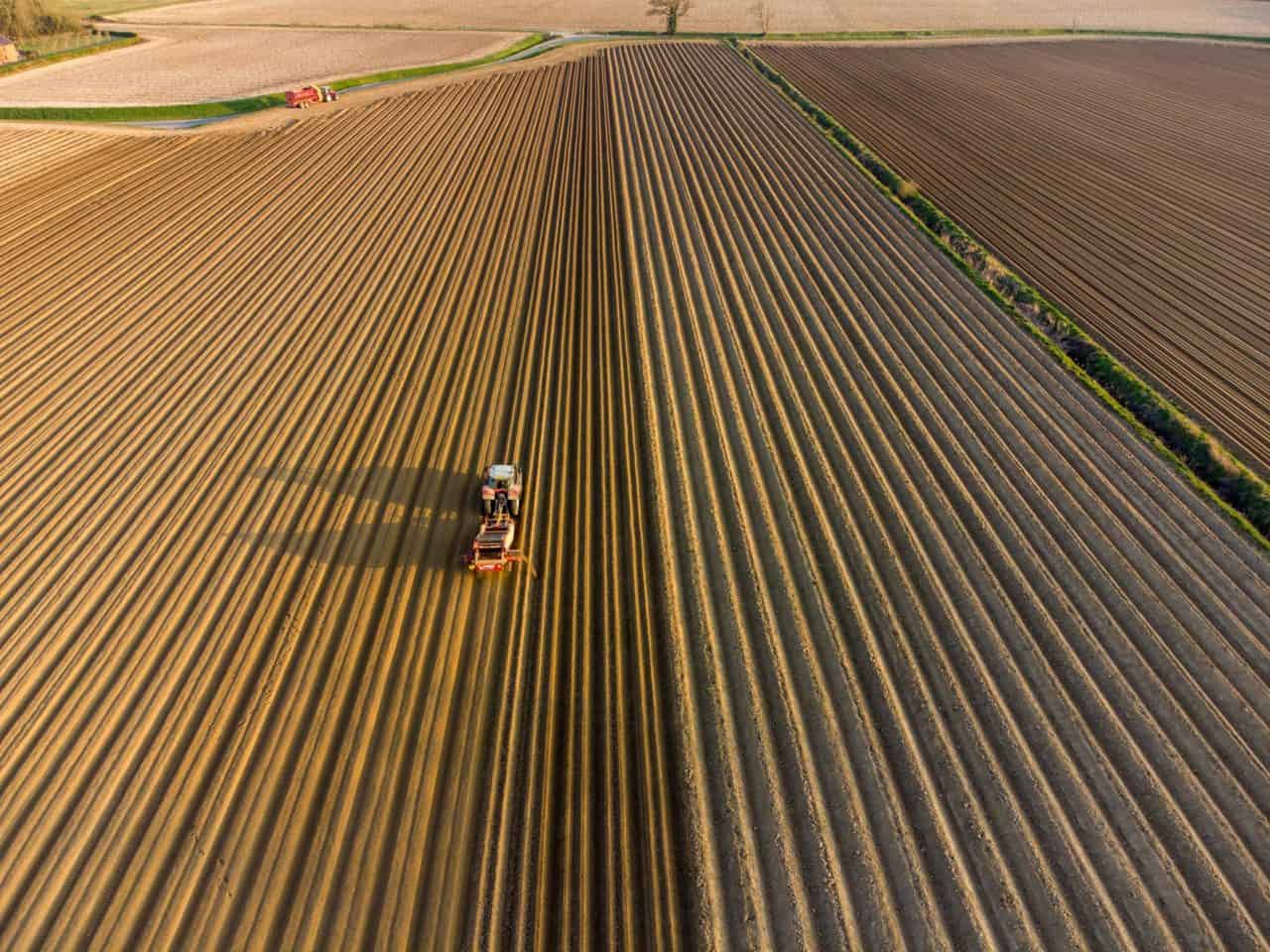
Potatoes are grown commercially across the country – 30 states in all. But Idaho leads the way in production nationally. In the region, the Famous Potatoes state is trailed by Washington, North Dakota, and Colorado.
This year, however, will see a slightly smaller crop in Idaho potato, according to Jamey Higham, CEO of the Idaho Potato Commission. Higham blamed the 8% decline in acres planted on the big hike in “input costs.” Others note that some farmers may have planted “less risky crops, such as wheat and barley, that cost less to plant but are also fetching good prices.”
Other factors impacting harvest growth include “Covid-19-related food service closures and … the multi-year drought and heat stress in the western United States.” One bright spot noted by Higham: “We’re expecting a much better yielding crop and a higher quality crop.”
WHEAT
The USDA is forecasting wheat production in 2022 will be 1.78 billion bushels, up 8% from 2021. But weather conditions across the West have led to mixed results. For example, in North Dakota “scattered precipitation and high humidity have further delayed progress in harvesting a spring wheat crop that has been behind normal pace from the beginning.”
The USDA’s latest Crop Progress update showed harvest completion in the state at 50%, compared to 86% in 2021. By comparison, South Dakota (92%) and Montana (75%) were much farther along in their harvests.
Wheat enjoys an advantage over other crops in the West because traditionally it hasn’t needed irrigation. Even so, other issues can impact production. In Colorado, for example, the harvest was impacted by drought, which “took an extreme toll on the crop, leading to disappointing yields,” according to the Colorado Wheat Administrative Committee.
Economic Outlook
The bottom line is that agriculture in the West remains a potent economic force, and certainly one that can add value to ranch ownership (As can a cattle operation). Talk with the experts at Mirr Ranch Group to better understand the basics.
Be the first to see the latest Ranch news and advice
 0
0
Start saving properties by clicking the + button on any property page.