
The Colorado River: When the Numbers Don’t Add Up
Read more
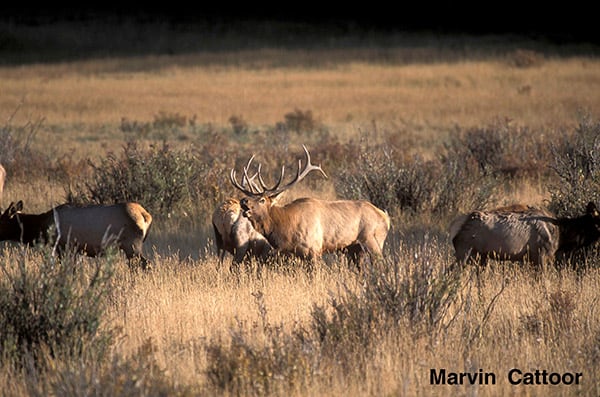



When purchasing a big game hunting property in the West, the availability of landowner hunting tags can be an important consideration. These programs were established to recognize the role private lands play in supporting wildlife habitat and healthy game populations. While the details vary by state, landowner tag programs can provide qualifying landowners with additional hunting opportunities that may not be available through the standard public draw.
Because each state administers its own program, eligibility requirements differ significantly. Factors such as acreage, agricultural use, wildlife habitat, ownership structure, game management unit, and the species present on the property may all influence whether a ranch qualifies. Some states issue transferable vouchers, while others restrict licenses to the landowner or qualifying family members. Application deadlines, registration requirements, and annual regulations also vary and are subject to change.
Be sure to check with your state for the most up-to-date information!
Colorado offers a Landowner Preference Program for qualifying properties that provide important habitat for big game species. Depending on the property, hunting unit, and species, eligible landowners may receive opportunities through the program or be issued transferable vouchers in accordance with current Colorado Parks and Wildlife regulations. Participation requires meeting specific registration requirements and application deadlines.
Each of these states recognizes the importance of private lands in supporting wildlife but administers landowner programs differently. Eligibility, transferability, and application procedures vary based on state regulations, property characteristics, and the species being hunted. Buyers should review the current requirements with the appropriate wildlife agency when evaluating a property.

Kansas offers hunting opportunities for qualifying resident and nonresident landowners and agricultural operators through its Hunt-Own-Land program. Eligibility depends on current state regulations, land ownership, and agricultural use, with additional provisions for qualifying family members and tenants.
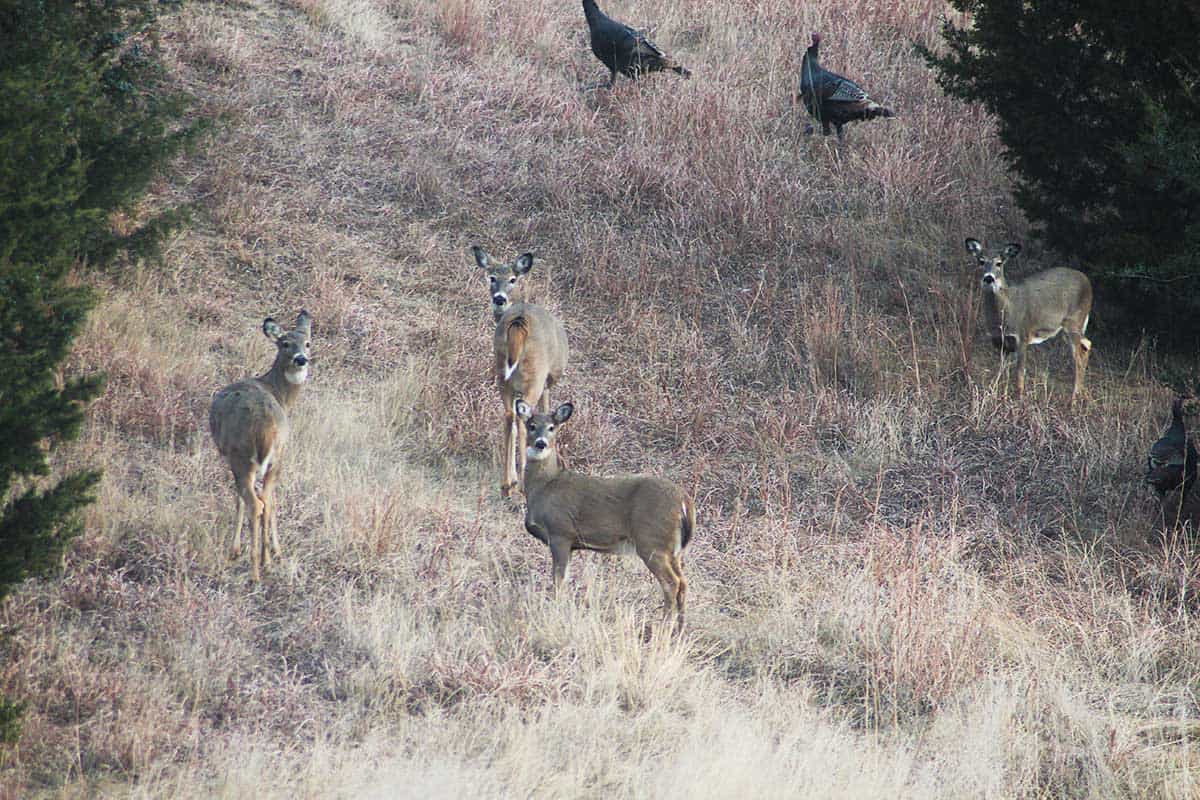
Nebraska provides landowner permits for certain species to qualifying agricultural landowners, with eligibility based on current acreage, management, and wildlife regulations. Permit availability varies by species and management unit, and applicants must meet all state requirements before receiving a license.
While landowner hunting tags can be a valuable benefit, they should be viewed as just one component of a property’s overall recreational value. Habitat quality, reliable water sources, migration corridors, adjoining public land, wildlife management, and long-term stewardship often have a much greater impact on the hunting experience than tag availability alone. Exceptional hunting properties combine these characteristics to provide lasting recreational opportunities for generations.
Because wildlife regulations are updated regularly, buyers should always consult the appropriate state wildlife agency for the most current information on landowner hunting programs. At Mirr Ranch Group, we work closely with buyers to evaluate not only the hunting potential of a property, but also the broader factors that contribute to its long-term recreational and investment value.
Be the first to see the latest Ranch news and advice
 0
0
Start saving properties by clicking the + button on any property page.