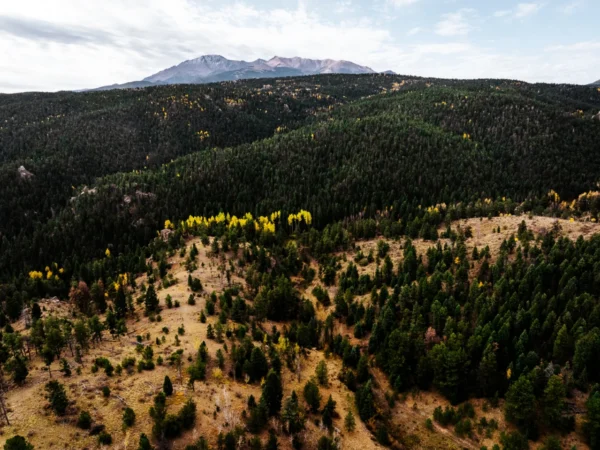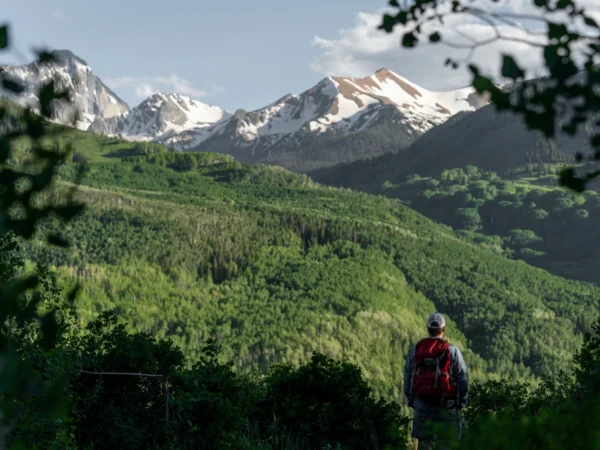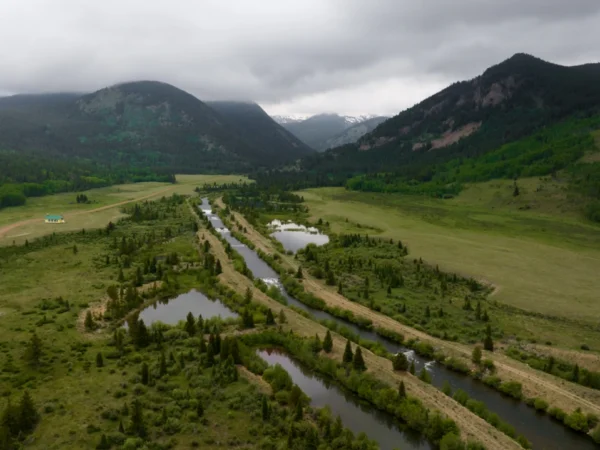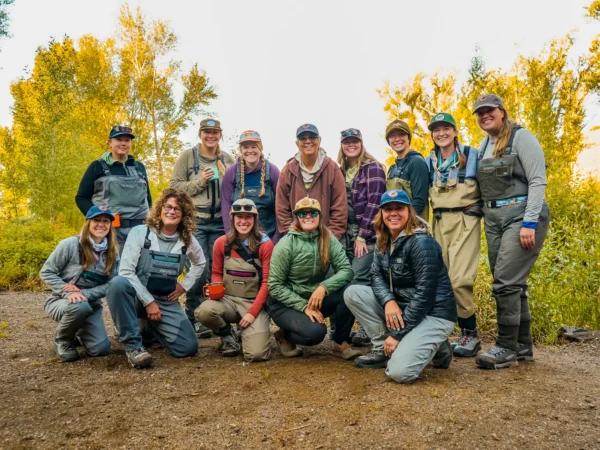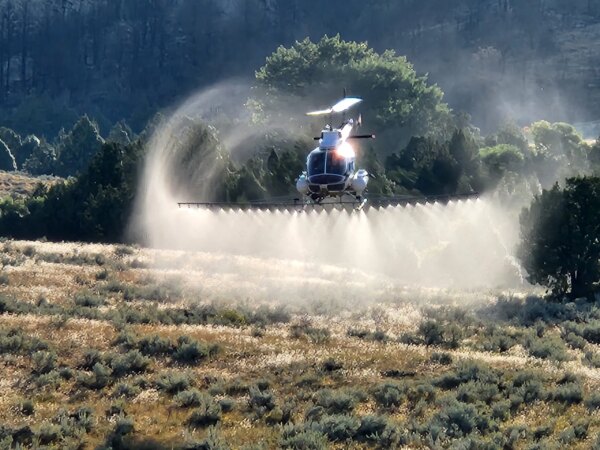

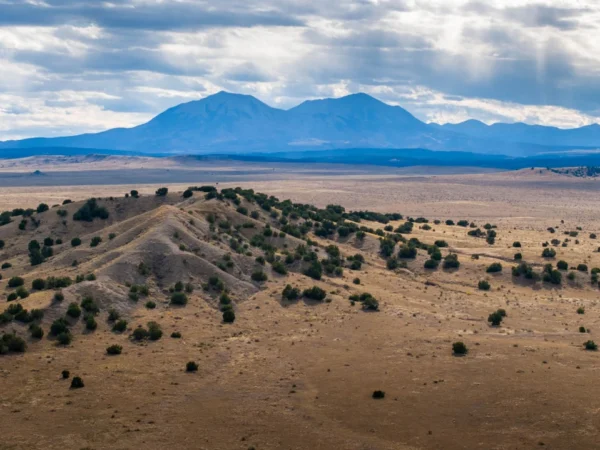
Sale of 30,000-acre Cucharas Ranch to The Nature Conservancy exemplifies the very best in land conservation
Read more
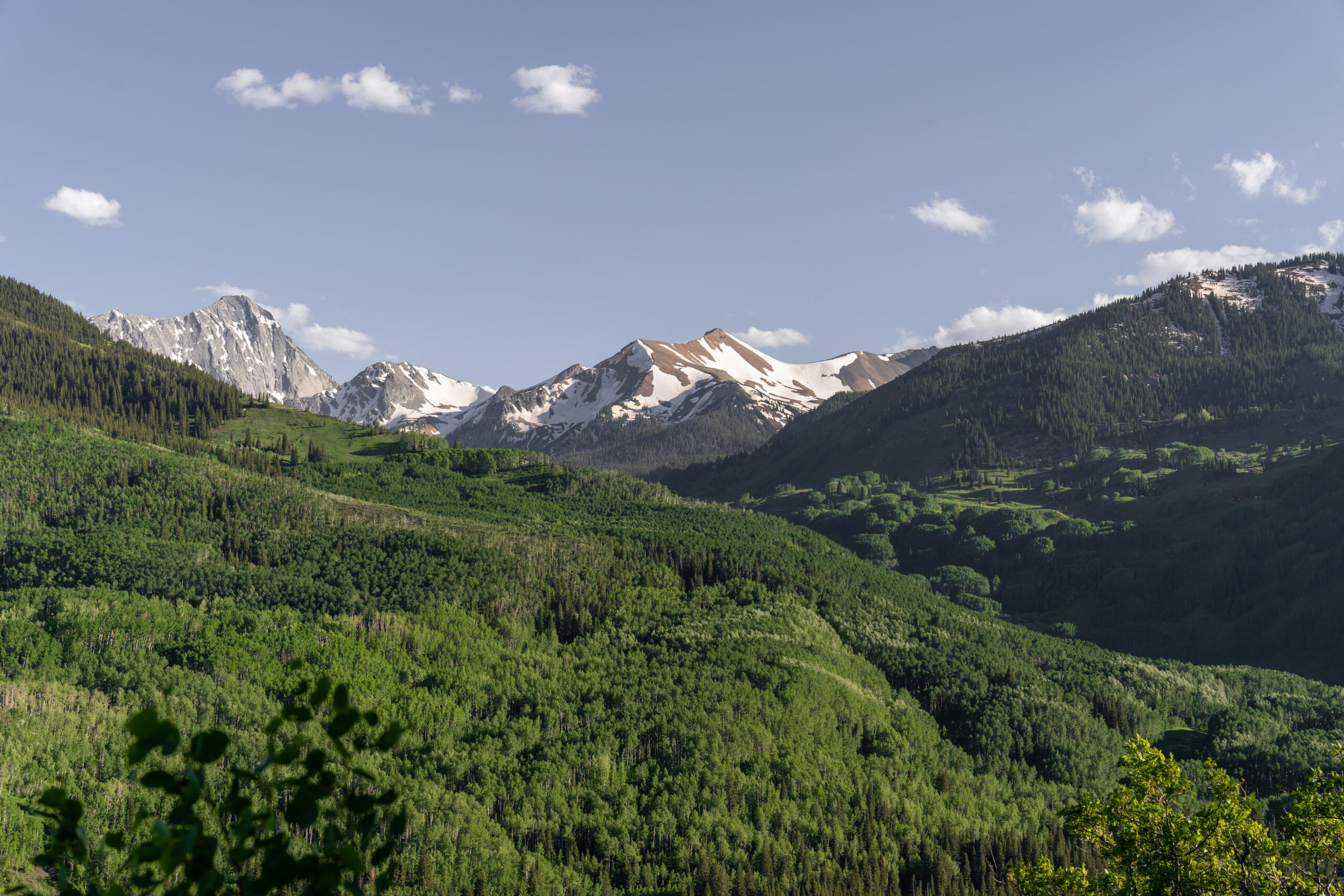


We’re halfway through 2025, and there’s plenty to talk about in the ranch real estate world. In this episode of the Land Bulletin, Haley and Ken sit down to take stock of the year so far and look ahead to what’s coming. From surging inventory and standout listings to conservation easements, tax credits, and the impact of federal funding, they unpack the state of the land market. Tune in for a thoughtful, boots-on-the-ground review of ranch real estate in the Intermountain West—and hear why our producer is recruiting Ken might to be her travel guide to hidden gems across the region.
Want to watch this episode? Check it out on out Youtube Channel!
St. Benedicts Monastery
Haley Mirr (00:06):
Welcome back to the Land Bulletin podcast, where every other week we bring you experts in the field to impart their knowledge when it comes to the ranch and sporting property market, buying and selling advice, the latest, best stewardship practices, as well as topics that impact landowners every day. I’m your host, Haley Mer. Let’s jump in. Alright. Welcome back to the Land Bulletin podcast. I’m Haley Mer, and today we are looking at kind of a mid-year review looking backwards at what we’ve experienced so far in 2025 and looking forward at what we’re looking forward to. So without further ado, Ken Murra is going to be helping me out today with this mid-year review, so thank you, Ken for coming on the lamb bulletin. I know you’re super busy. Yeah,
Ken Mirr (00:51):
Not only is in my anniversary, it’s also 43rd, by the way.
Haley Mirr (00:57):
Thank you.
Ken Mirr (00:58):
And if you don’t need my address to send gifts, I’ll provide that to you, but yes, it is our time to shine, so to speak.
Haley Mirr (01:07):
There you go. And you just got back from Steamboat, you were presenting at the A-S-F-M-R-A, which is a really long verbiage, but it was pretty much for valuations and appraisers and ranch brokers and you gave a spiel up there.
Ken Mirr (01:25):
Yeah, mainly about conservation easements, impact on conservation, easements on valuations, and also just kind of the situation in Colorado with funding. We have a tax credit program that I’m fairly knowledgeable about. Also a member, I’m on the board of the Colorado Cattlemen Ag Land Trust, so have been around these things for 30 years. Really.
Haley Mirr (01:49):
That’s great. And it was good turnout, good feedback.
Ken Mirr (01:52):
Yeah, good turnout. Great feedback. Lovely to be in Steamboat. I’ll have a board meeting there next week. Gosh, maybe I should own a house in Steamboat or a ranch
Haley Mirr (02:02):
One. Matthew Nights. Please call us. We do have ranches, a Volvo in the area. If you’re looking to buy ranches, let’s talk about what the market’s looking like for you.
Ken Mirr (02:11):
Yeah.
Haley Mirr (02:12):
Is that good? Thank you. How would you describe the overall land and ranch market in the first half of 2025? We’re super busy right now, but looking at what we’ve experienced so far.
Ken Mirr (02:25):
Well, life’s been measured by unpredictability, I guess is what I think we’re at in a way right now, I can only provide the facts and clearly I felt coming into 2025 that inventories were low demand is still good for very unique properties that offer quite of the recreational amenity type packages. And I think that’s still true, although our volume is really up as far as listings and our sales are up. But that’s also because we have some large sales that we’re working on right now. But I think across the board, we track a lot of the inventory that’s going on and new inventory and certainly over the past month we’ve seen an increase that some of that is attributable to the nature of the business at large. People tend to list things, especially in our area, Intermountain West in the summers. So that’s what’s happening from that standpoint.
(03:40):
It’s really hard to measure and provide a great bit of guidance to public. We are a bit of a niche market and to say, oh, we’re looking at these national reports. I sometimes don’t find the national reports very informative as to what we do and what we experience. I can look at things like the nature of second home markets and resort markets, especially in the places that we operate in. And I will say that listings are up, days on the market are up for those type of product, that type of product. And I think we’re seeing it across the board. We have some properties also over in the Aspen Pickton County area, and we have seen a surge of very high $40 million plus type sales going on off market. So that reflects that the upper tier market is still alive and well. But as we’re talking here, there’s a threat of a war in Israel and Iran, so we don’t know what’s going to happen here from those types of things. But it’s been good. And going to this meeting, a lot of people are busy, but I don’t have my hands on any facts that can say how I feel other than what we’re seeing personally as a company and what we’re working on.
Haley Mirr (05:08):
Well, I think too, sometimes we experience certain locations having more and more inventory or having more interest, but it seems like we’re getting listings all over the west right now.
Ken Mirr (05:21):
Yeah, we have a surgeons in Idaho, which is great with Chris in our Salt Lake City office and continue strong there. Wyoming just came out with a very new unique listing, $45 million, very large property attractive, and New Mexico are still very busy. I bought a brand new Polaris Expedition and we had so many people looking at this one that one of my partners had to borrow it, and I haven’t even used it yet. I mean, I drove it around the block, so I can’t wait to see what condition it is in, but that was on the large Dawson Track we’re covered up there. And then Colorado is just, we’re busting at the seams of something new listings and they’re really unique properties.
Haley Mirr (06:20):
Yeah, no, it’s been fun and I give a lot of leeway to our marketing department for being able to handle all the different videos and things that are happening. It does seem to be a little bit crazier this summer than it was last summer for some reason. And I don’t know if it’s just internally where we’re feeling that or if it’s across the board, but I can say from a MER Ranch group standpoint, the amount of inventory that’s about to hit the market is higher than in years past. I would say.
Ken Mirr (06:49):
Yeah, we have a number of the higher list, but at the same time we just, and unique really cool properties like the middle Dimitri Creek ranch there right outside of Gunison fishing. Beautiful. Just the perfect thing that you would want right from a ranch or especially you have a fly fishing background or interest, but you’re 10 minutes. But then we’ve got some of the stuff out and then gateway with this huge properties, homes, huge homes, beautiful red kind of desert sandstone on the Dolores River, 45 million or 19 million, and there’s a variety.
Haley Mirr (07:31):
And then what I’m really excited about is that one in Grand County that we just listed with that incredible family at the Reader Creek Ranch, which will be a really fun one.
Ken Mirr (07:42):
Yeah, that’s an amazing piece with some of the best fishery on the whole length of the Colorado River on that property. You’re a few minutes from a wonderful airport in Kremlin and you’ve got over 5,000 acres. It’s irrigated, you’re next to a huge reservoir. You’re looking at all of these 14,000 foot peaks, and that’s really incredible.
Haley Mirr (08:09):
And I would love to circle back on what you were talking about with your most recent trip to Steamboat and what we’re seeing even in kind of conservation land sales. Have there been any big deals that have sold this year or projects that we’re working on currently that have this more for a conservation minded buyer or seller?
Ken Mirr (08:36):
Sure, and it’s interesting when people, there’s one thing I just grew up around conservation easements, so I just know him as an attorney and such. And while we’re celebrating our 20th year, 10 years before that, I think, I’m trying to think how old I am, 64, but I was working on conservation transactions very early on and on different boards. And when the tax credit just came on in 2000 early areas, and then especially when the tax credit became transferable in Colorado, we saw a lot of more transactions. But these last few years, number of years, the tax credit has motivated a lot of conservation purchases. And what I mean by that is really people who are buying properties and placing conservation easements on the properties
(09:30):
And then obtaining the tax credits. But this tax credit market now has been so utilized that we are now at 50 million a year in tax credits, and those credits now are used up for this year. They’ve been all fully hit the cap for next year. Now you’re going into 2028 to start receiving that. So it shows, number one, the uniqueness and popularity of the program, but it also might change a little bit in timing for some of these conservation transactions. But as far as what we’re working on and what we’re seeing, yeah, there continues to be, we live in a state versus Colorado that is, we have just so much funding for conservation acquisitions, easements, things of that nature. We have the Colorado lottery funding through goco. We have CPW, Colorado Parks and Wildlife. There’s just a big commitment in Colorado to that. And so we have a project we’re working on, you and I are working on where we’re getting funding with the state as well as through GOCO and all that looks really good and really good support.
(10:50):
And it’ll take a little while to close just because of the nature of the public funding process. But I think for ourselves and our clients, we’re very comfortable with that process and we knew what we were entering into by engaging with that. So that’s great. I’m looking forward to that. And then the Reader Creek has a conservation easement on a portion of the property. We understand what that impact is, but those easements are really there to protect sage grass habitat and understanding how those impact your management of a use of the land is really important. And that’s the kind of things what I was actually talking to folks at the seminar where we really over the conference was really looking at how to read those things and how those things impact value, but we have no fear of representing those projects to Meet Creek, for instance, has one. And if you understand what you’re getting into and you understand what impact, there may be a value and you can explain it, you’re
Haley Mirr (11:54):
Love to impart some knowledge too since it’s a mid-year review and we’re looking at some of the things that are affecting our market. You were talking about funding sources and how if you are considering some of these kind of conservation groups or things like that, the funding on a state level is very secure. I can speak to you a few times, but we’ve experienced a little bit of uncertainty with some of these federal funding programs and maybe how that’s affecting groups like C-C-A-L-T or other things like that. Well,
Ken Mirr (12:27):
It’s effective what we have a project right now, correct, that has been funded partially through the previous administration and it was a large number and it was a lot of work by a lot of NGOs and people who wanted to see this property protected and preserved and it was approved, fully approved. But there’s some, again, uncertainty of whether or not that funding will be delivered. And it’s in New Mexico and we have this senate help and they’re saying, we need this to happen. We worked on this for months. So hopefully there’s a pot of gold at the end of that rainbow, not for us, but just for the land use itself. But there is really some of these programs, NRCS and a lot of this different types of funding that occurs both with a conservation easement level of helping participate with conservation easements as well. And as to acquisitions, it’s a very, it’s just uncertain time and beyond just that funding mechanism, there’s also a staffing issues for some of these agencies.
(13:37):
We live in an area in the Intermountain West where we have public lands, and it’s not just now really what’s the funding for personnel because these are massive amounts of public lands and which require from national parks to the National Forest to bureau of land management, et cetera, management and those types of issues, there are kind of crown jewels, so to speak. And then there’s continue to be this within the current bills and Congress, some issues with sale of public lands. And I could say unequivocally that I’m against that. From my standpoint, it’s not a political position, just I understand the value of public lands and if we keep selling stuff like that, it’s like to pay for what, I mean, these are really important assets to our country in my view. And they also assist some of our good old traditional ranching families and things like that. It’s not just protecting the billionaire class, but again, I don’t want to go down this road too much, but it’s protecting people who work these things and help create these corridors and the wildlife corridors that have abundant and diverse habitat that when we get to drive in our cars to go to ski, we hope that we continue to see these things operating and we have all this abundant wildlife and diversity. So yeah,
Haley Mirr (15:08):
Well, it’s a big topic and it’s impacting our clients. It will impact ranchers, it’ll impact the ability to have giant operations with cattle and to have these leases. And so it’s definitely something to watch as we continue, because even beyond the rancher, it’s affecting sportsmen. So it’ll be a big deal I think in our kind of industry. Obviously we haven’t seen any impact on that yet, but just something to kind of look at, I think as 2025 goes up. That’s a good point.
Ken Mirr (15:39):
This is not just a market recap, this is just a, here we are, and this happens from time to time as we go through elections and new administrations. And because we work in these areas, especially where we do have public lands and this rolls into, we have clients that are negotiating with development of transmission lines through their properties. What does that look like? We have clients that might have had interest in leasing their properties or selling for renewable energy projects. We do consult in those areas. So all that is very timely. And then on top of it, we still deal with the water issues and the scarcity of water and the comments even up in Steamboat this week where it’s 90 degrees here in Steamboat and there’s not a lot of snow left on the peaks, and there’s a real concern
Haley Mirr (16:43):
There, I think.
Ken Mirr (16:45):
Not doo and gloom, it’s just change, but how do you factor that into all of your decisions?
Haley Mirr (16:51):
And especially, I mean as summer approaches, wildfires and everything, it’s a circle of life and it’s something that we always have to be mindful of when we’re consulting with potential owners and things like that.
Ken Mirr (17:04):
Yeah, yeah. I mean, it’s just owning land. I mean, you studied it at Colgate, the impact of wildfires on forestry and those type of things. I think that’s what you were working on, or we just lying to me and you were just taking
Haley Mirr (17:22):
Studies on Well, I did take Latin American music class. Yeah, no, it was the significant correlation between beetle kill and forest virus, which obviously there is one, but I just made a model that proved not to get into the weeds, but if you guys ever want to read a very exciting little thesis that I wrote when I was 22, let me know.
Ken Mirr (17:49):
But going back to the conservation side, I’m just thinking of how many transactions I have right now. So we’re talking about resales for instance, and this is market. I mean, how many projects I am working on right now that are in half conservation easements already on them, significant a number. I don’t know if I choose them or they choose me, but one way or another, they do happen anyways. But having to talk to people about that, and perhaps we probably should take what we presented here and Steamboat and provide it to some of our public at large and at least
Haley Mirr (18:25):
Talk
Ken Mirr (18:26):
About some of that might be useful information.
Haley Mirr (18:28):
I think it would be helpful. I think there’s just a lot of just facts that we have learned through the years and working with C-C-A-L-T and other organizations about the impacts of these easements on the value of your land, but also the significant impacts it can have financially for you and your family. That would be an interesting conversation to have. I’d love to look maybe forward. We’ve looked at the past this year. Looking forward, what’s your outlook for the land market going into the end of the year? It’s crazy to think we’re halfway through the wedding’s coming up. I haven’t finished everything I need to finish, but what do you expect? Outlook.
Ken Mirr (19:17):
I expect to be very, very busy. Like I said, the number of properties under contract, number of tours scheduled, and I just believe pricing these things is always going to be an important part of it, and having the acumen to kind of understand what’s going on. I mean, you do look around and you see properties. Sometimes they’re just overpriced. I’m not saying about our listings, but I’m just saying market and why you see things might be on the market long or they might just require a level of diligence that is a little more than people are used to. I mean, how we do, sometimes we have to work with, we get to work with maybe residential brokers who have a different timing and level of understanding. And I think, oh, you could do these things in seven days. And it’s like, no, you can’t, right?
(20:19):
I mean, these things take a little while and just making sure you can push ’em if you want, but 60 day due diligence just on transactions, it’s very common. And so all I can tell you is as we look coming up, if you’re a buyer, just make sure you’re committed and have a vision to know what you want to do and commit to that and commit to a timeline and then make sure you hit all those things well in advance. Surveys can take a long time if there isn’t one, and if you need one, just initial title can take forever. I don’t mean to go through a due diligence checklist, but I just find that when you’re dealing with the situation that we are right now, all of that matters. All of that matters and that timing and take advantage of the summer when you can look at the fields, you could see the irrigation and you could see all that stuff.
Haley Mirr (21:26):
And I think right now, runoff is pretty high right now. We were just up at the Reader Creek place and water is at an all time high. So this is kind of in terms of starting to looking at listings, a lot of things are coming on the market, and I think it is you’re buyer starting to really see what the inventory is like now, so you can start to plan these things ahead of time as we go into the end of the summer with July and August, that’s kind of our busiest time, I’d say, for kind of touring places. So this is a good time to start to get your ducks in a row, do some due diligence ahead of time so you’re not feeling a little overwhelmed by competing offers and things like that. What are you most excited for as we look into the end of the year? I know we’re working on a lot of fun projects, a lot of things are coming on the market right now. What are you most excited about? And maybe it’s not listing related, maybe it’s projects that are down the road related. I’d love to know what you’re looking forward to.
Ken Mirr (22:30):
Sure. I always look forward to all the journeys I get to the places I get to go and to see. It’s like even yesterday, I remember I was coming past out of Steamboat and I was coming around Green Mountain Reservoir, and I remembered one of my favorite hikes when you were young, and my mom was still alive up Cataract Creek, so I kind of pulled over by the road and just drove up there just to kind see it. So I was late to my call.
Haley Mirr (23:05):
That’s that while
Ken Mirr (23:06):
Ago. I thought I could fit it in, but I didn’t. But I just, that’s, I got to see it, right? So for us, me, it’s the beauty of Colorado and the Innermountain West is these summers are just so incredible. And what I look forward to right now are some of our clients, we love them to death and you want to help them do things. And these are transformative decisions when you get to some of the values of these projects. And that’s on the listing side and getting to know and understand the properties that we’re dealing with. We write a book every year kind of in a way about all the new journeys and new properties. And I always say it’s another chapter as we get to work on these things and we’re just like, I found we’re like squirrels. We collect our nuts in the winter, and then we get the now.
(24:06):
Here we are, we’re ready to showcase them and do that and work on that marketing part of what we do. And there’s a lot of things going there and how do you share these stories of these people who have been stewarding these properties for hundreds of years? And so truly, that’s my kind of favorite part of this summer is now I get to share this with other people and try to do it in a way that connects and resonates because it’s not just an investment of dollars, it’s an investment of time, it’s an investment in your lives and your family lives. And I think that’s kind of what I look forward to the most as we work in the summer months, and this is when I really started looking at my calendar. We’re like teachers in reverse. We work in the summers heavy, right? Oh
Haley Mirr (25:02):
Yeah. We don’t get vacation in the summer.
Ken Mirr (25:04):
I think the call we had earlier today is, where’s Ken today? It’s kind of like, where’s Waldo everybody? Where are these people? I think you said put your phone location on, so we just know where you’re at sometimes.
(25:21):
And that’s true. I do look forward to that. I do look forward to just meeting these people and just conducting transactions in a way. This is when we provide advice on due diligence. We vet people, probably people, there’s an unknown art to just vetting buyers and connecting because anybody can call you up and say, Hey, this looks good. I want to see it. It’s like, what do you want to do? What do you really looking for? And it’s a little bit of Wizard of the Oz, what’s behind this, the screen, so to speak, what’s behind all of this? And that process is so, so important. And you learn it over time, quite frankly. It’s
Haley Mirr (26:13):
Like the monastery has taught you a lot.
Ken Mirr (26:16):
Yeah, young grasshopper, you must learn the tricks of the trade. Yes.
Haley Mirr (26:23):
I was just going to say, I mean, the monastery has brought out quite the amount of people who have shown interest, and I think it’s taught you a lot of patience on that vetting process of, okay, you are a potential buyer, but we’ve got these laundry list of things we got to
Ken Mirr (26:38):
Well, and looking, we didn’t talk about land use right in this whole discussion, but that land use and properties like that, when you’re in a county and you’re uncertain, sometimes you can sell a ranch in the middle of nowhere, and it’s like you can build whatever you want for the most part. And then you get into these other properties where you really have to start thinking more of zoning and other things within the county records and regulations that might have an impact, and knowing how to apply those in any given situation.
Haley Mirr (27:16):
Well, in your opinion, what should buyers and sellers be looking out for as we enter into the end of the summer and heading into the fall?
Ken Mirr (27:26):
Well, I think there’s the same message all along, but in this case, I think there are a few opportunities out there, some really magical properties and don’t really understand where those values come from and understand that valuation, that methodology and how you get there. Because if you want to get a very unique place, and some of the bliss we have right now are those places you just can’t replicate, go to the art auctions in New York or London or something, and it’s one of a kind type deal. And we do have those, but they won’t stay around forever. But understand how he gets the pricing and feel comfortable with that going into those. But I think there’s a few really very, very unique properties that somebody’s going to be owning here for the next generation. And so I see a few of those nationally, or at least in our marketplace in Inter Mountain West. We should ask James Kings to see what’s going on in Texas too.
Haley Mirr (28:42):
I know. We got to see, he’s got some big stuff he’s working on, I feel like. But he’s always working on big stuff first and foremost, being a new grandpa. So that’s always big too. And when you talk about unique properties, I would not excuse myself from saying that, I think, is that Father Vincent behind you in the calendar?
Ken Mirr (29:04):
Oh, it is. Yes. It’s in June. Yes.
Haley Mirr (29:08):
Yeah, so just talking about those, the people we’re working with, it’s fun to still be working with those guys.
Ken Mirr (29:15):
There’s no people side to any of these things. I mean, even on $150 million transaction with a very unique specific order, citer monks, and there are monks there in their eighties that are resided, have been there forever, not forever, but it’s been a long time. And we have cemeteries and we’ve got people that go to mass, and I remind people often in my all, this is good, but there’s always going to be a personal component to what we do. It’s not just buying an office building. I’ve been there, done that. It’s a lot different. And I think people, no matter what level of wealth or success you’ve had in your life, you still need to connect to that level when you do these things, or my advice is to try your best to reconnect to that level. And that’s the case, certainly with the monks. That’s certainly the case with the Boucher family and people like that.
Haley Mirr (30:20):
Yeah. Well, I’m really excited for all this stuff that’s coming on the market, and I probably have to go help Izzy get some of this going before the end of the day. So thank you for taking some time out of your very busy schedule to talk to us about the market. I’m excited to work on all these deals with he dad, and I’m excited for where the rest of the year is going to lead. So thanks for taking the time.
Ken Mirr (30:46):
I’ll be in Steamboat again, so I could probably help you guys with what restaurants to go to in Steamboat and accommodations and what to do during the course of the day. If we don’t have one, I am happy to share and any of the other places I’ve been, I mean, I can go to the smallest town in the world and tell you where to go. So maybe we need some kind of book Google Map put together on our hucked away places of the world of be totally Intermountain West.
Haley Mirr (31:20):
We’ll have you on the next back 40 and we’ll,
Ken Mirr (31:23):
Yeah, nobody ask me. I really know stuff. Yeah.
Haley Mirr (31:27):
Thank you. That’s good. I’ll let our producer know. Well, thanks again, Ken, and have fun and
Ken Mirr (31:31):
Steamboat. Thank you.
Haley Mirr (31:34):
See you next time. Thanks for joining us today. To learn more about the ranch real estate market or our ranch marketing process, make sure to subscribe to our newsletter on our [email protected] or give us a call at (855) 928-1479. See you next time.
Be the first to see the latest Ranch news and advice
 0
0
Start saving properties by clicking the + button on any property page.