
The Colorado River: When the Numbers Don’t Add Up
Read more
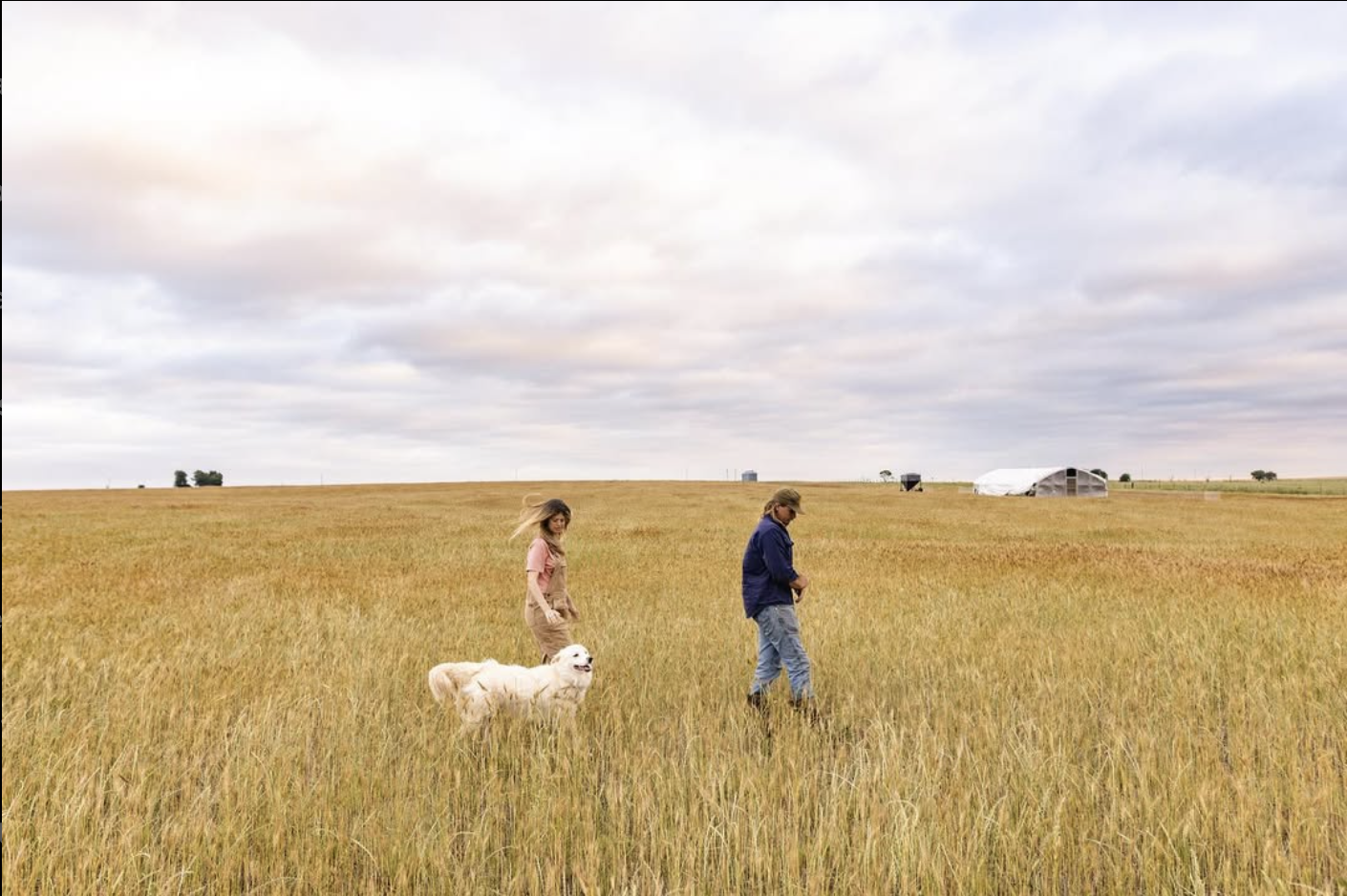
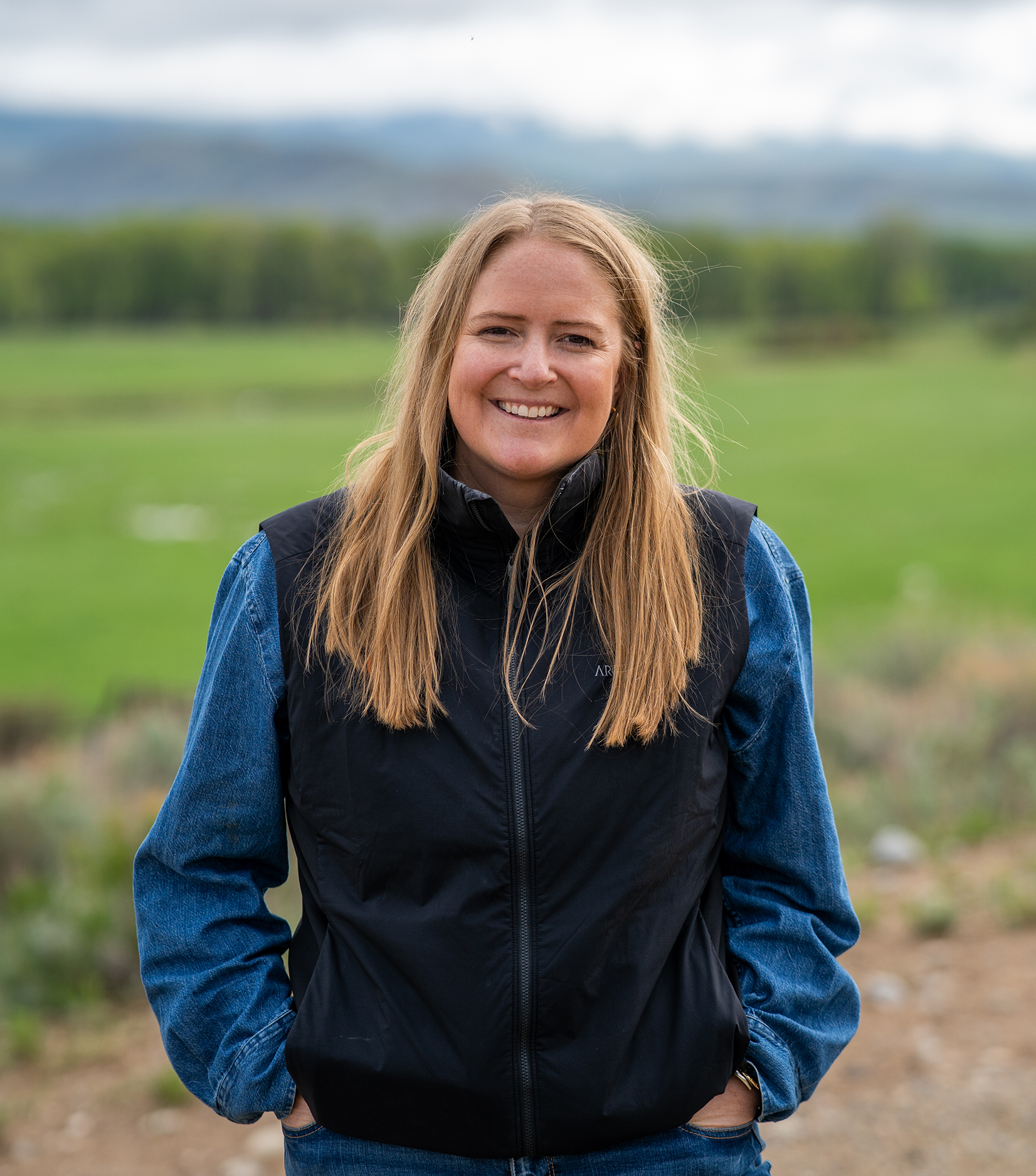


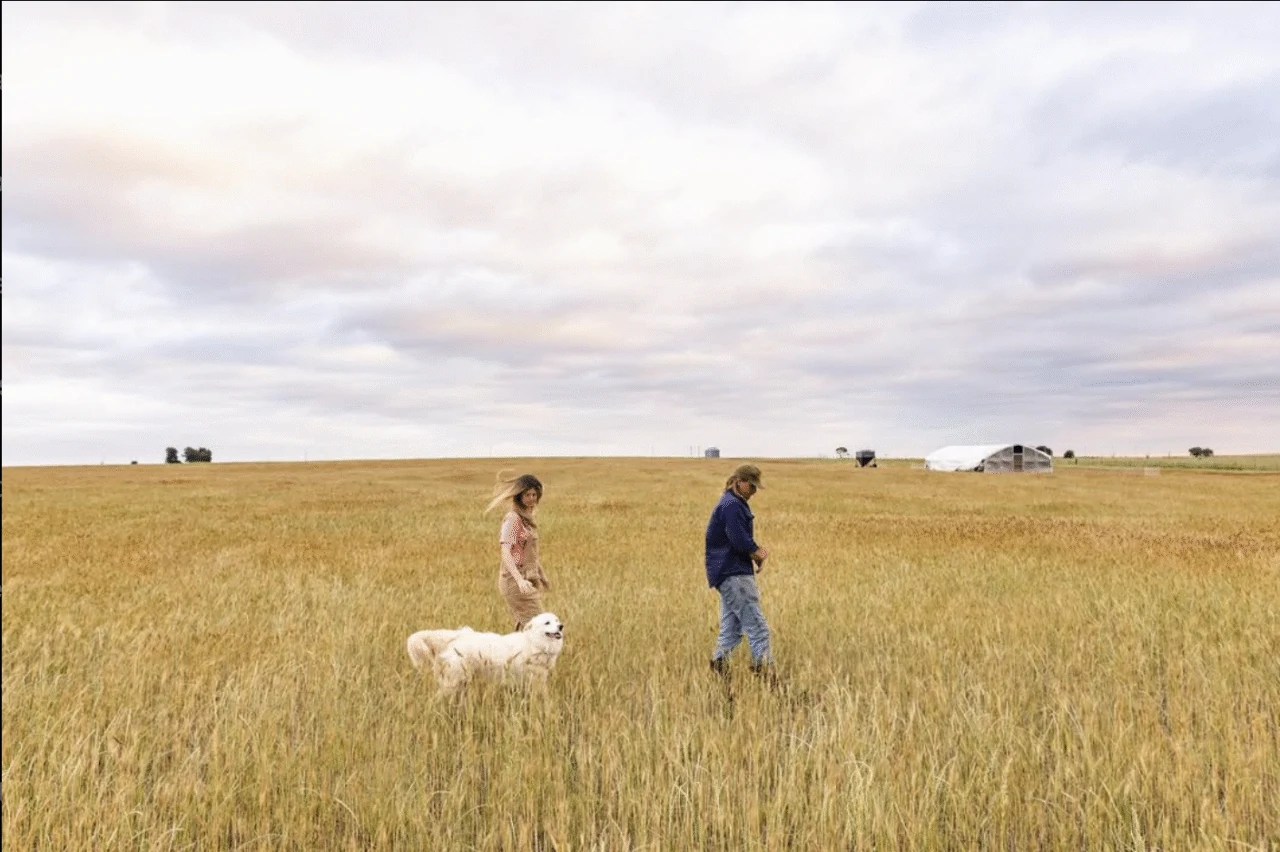
In this Voices of the West episode, Haley is joined once again by Kacie Scherler, a fifth-generation farmer, regenerative rancher, and founder of RE:FARM in Oklahoma. Kacie joins us to share how her personal health journey led her back to ranching and how regenerative ranches became a calling. She shares stories of community skepticism, scalable ranching solutions, and some of the benefits you could expect from increasing your regenerative practices – one pasture at a time.
Want to watch along? Check out this episode on our Youtube!
Haley Mirr (00:06):
Welcome back to the Land Bulletin podcast, where every other week we bring you experts in the field to impart their knowledge when it comes to the ranch and sporting property market, buying and selling advice, the latest, best stewardship practices, as well as topics that impact landowners every day. I’m your host, Haley Mer. Let’s jump in. Welcome back to The Land Bulletin podcast, Haley Mer here. And today we’re doing another Voices of the West Series episode, and today we’ll be highlighting a guest that not only we’ve spoken to before, but this week we’re going to talk to her about a different subject. We’re going to tap into more about her own personal experience with regenerative ranching and how it’s affected her and her family. So without further ado, welcome Casey Schuler.
Kacie Scherler (00:48):
Thanks, Haley. I’m really glad to be back.
Haley Mirr (00:51):
It was great. And for those listening, so Casey works at Noble Research Group, so that was our previous episode where we focus more on that, but now we’re going to be looking more at Casey’s own personal story and the company that her and her family have formed called Re Farm. So without further ado, let’s get into a quick overview of who you are for those who didn’t get that last episode and what re farm is all about.
Kacie Scherler (01:19):
Sure. Yeah, so I am a fifth generation farmer and rancher here in southwest Oklahoma. Grew up on a conventional farm and ranch. Didn’t really want a lot to do with it growing up, but life finds a way to bring us home, as they say. And my husband and I, we now run re farm, which is a regenerative farm and ranch near Walters, Oklahoma. We primarily run livestock, but we sell grass fed and finished beef pasture raised pork. We grow cereal, grains, all using regenerative practices. So everything that we do keeps the soil at the forefront.
Haley Mirr (01:55):
Tell us a little bit about your background. You said you came back home, called you back. What was your background and your career when you left Oklahoma?
Kacie Scherler (02:05):
I actually moved to Los Angeles to go to college and ended up staying on the West Coast for about a decade working in the nonprofit sector. And I kind of felt this itch the entire time that I wasn’t sure I wanted to ever come back to the farm, but I felt this deep connection to how our food is produced and where our food comes from. I worked at several different nonprofits, one of them being Fair Trade certified, so if you’ve ever seen the Fair Trade logo on your clothing or your chocolate, basically fair trade just ensures that everyone along that supply chain are treated ethically, paid fair wages. It’s a really, really great initiative, but it just really opened my eyes to the importance of localizing our supply chains a little bit and creating more and more transparency. So my husband and I, we moved back to the ranch unexpectedly in 2018.
(03:04):
I started experiencing some autoimmune symptoms. I actually lost feeling in my legs randomly and we couldn’t figure out what was going on. And so it was just nice to be near family and at home. And as we were looking for a diagnosis and looking for a cure, I discovered this autoimmune protocol, which is a diet that’s really rooted in clean meat and we thought we have a little bit of access to land, let’s raise our own meat so that we can make sure we’re doing it as ethically humanely as possible and hopefully creating the most nutrient dense meat we can. And that was kind of the foundation of how farm was born.
Haley Mirr (03:46):
That’s amazing. And so it’s always interesting. I feel like personal experience always really dictates not only starting a career path but being really good at it because something you care about. So since you’ve started this journey, what gap were you hoping to fill when you launched farm? It sounds like you were going through this autoimmune thing and you really didn’t understand. So what were you trying to help people that maybe have been going through something similar to you?
Kacie Scherler (04:15):
Yeah, when we started, we didn’t know that there was curiosity or even demand for this type of thing. Regenerative language wasn’t quite as trendy then as it is now. And so it really just started as a personal health journey and we had extra beef in the freezer, and so we thought let’s go to the local farmer’s market. And it was there that it really opened our eyes to the fact that wow, people really care about where their food comes from, how it was raised. They want to be able to shake the hand of the person producing their food. And so it kind of took off from there. Now we sell both locally at farmer’s markets, but also online and some retail stores that we own. And the demand has only continued to grow as I think awareness of what regenerative agriculture is and has the potential to do has really grown alongside it.
Haley Mirr (05:07):
And I’m sure too, and this wasn’t really on our list of questions, but as we talk about it, I am sure that some of the things that are happening with these larger factory farms with the avian bird flu and some of the stuff that happened during COVID with the bigger slaughterhouses for beef and things like that where they had to go under and things like that. I’m sure this is really hitting that kind of gap as well in the market for something like this.
Kacie Scherler (05:36):
Yeah, absolutely. It is very niche and I think a lot of people have grown more aware of the challenges that you’re talking about. So during COVID for example, it was really difficult because of what was happening in the world because I think a lot more people were wanting to even produce their own beef or pork or whatever it may be. It was almost impossible to get processing dates for your livestock. You would have to schedule it out six to 12 months in advance, which is pretty wild. And I think just how sort of convoluted our food system is just a lot of people were becoming more and more aware of, wow, this is not good. How do we combat this? And it’s been really good because the reality is if you are not one of the Tysons of the world, it is typically quite a bit more costly to produce your own food if you’re not operating at scale. And I know that’s been sort of a battle that smaller producers have fought for a really long time. How can we compete with the prices that you’re going to find on a grocery store shelf at Walmart? And so the fact that people are becoming more aware of the challenges, becoming more aware of the cost associated with production, it’s been really beneficial I think for our food system as a whole. And I see that continuing as we try to create more transparency in a really complex food web.
Haley Mirr (07:09):
And what was it like, I’m sure living in Oklahoma, you’re probably surrounded by a lot of people that interact with some of these larger farms. So what was the first year of reform? Did you have a lot of community outreach? Did the community react well? Are they starting to react better? What was that process like?
Kacie Scherler (07:30):
That’s a great question.
Haley Mirr (07:32):
Loaded question,
Kacie Scherler (07:33):
A very loaded question. We’ve been doing this now seven years. I think people are just now coming around and starting to ask really good questions. In the beginning it was very hard. I think my family, we farm and ranch, not with my family per se, but adjacent to them. And my family, as I mentioned, is not regenerative. And we are though my family has been very sort of welcoming. I think the community as a whole, especially because we live in a very ag centric place, has been a little bit more skeptical. I know that my husband and I have been the talk of the coffee shop at times. What are those people doing out there moving their cattle all the time? And we just, we’re not doing things the way that everyone around us does them, but at the same time, it’s one of our core desires to be bridge builders in this space.
(08:32):
We’re not out here saying, oh, this is the better way to do things, or you should be doing X, Y, Z. No, we’re just trying something new and we’re trying to engage in really good healthy conversations. So we’ve kind of kept a low profile, but I think now our neighbors are seeing more and more that we are less dependent on certain expensive inputs that they might use, that we might have more grass and forage during a drought than they have. And it’s because of these very specific practices we use. And so I think we’re getting to a place where good conversations are happening, but we’re doing it all with very open hands and trying to build community without stepping on toes at the same time.
Haley Mirr (09:12):
I know it’s hard and I feel like probably your work at Noble Institute has kind of helped you express some of the things you’ve learned through this process. I do love that there’s more and more resources for farmers and ranchers to kind of know what new is happening because back in the day, it used to just be like whatever worked on your landscape is what worked on your landscape. And because there wasn’t, you’re rural, you only know a few neighbors. It’s not like you were learning a ton, you were just knowing what worked and what didn’t. You were going with the seasons and figuring out how to fix it. But it’s really cool to know that there’s all this research out there and kind of flow of information a little bit more now for ranchers and farmers. From my perspective, a city slicker that doesn’t live on a ranch, that seems to be what’s happening.
Kacie Scherler (10:00):
Oh, that’s absolutely spot on. And ranching is such a unique industry and that it’s so legacy driven oftentimes when you’re talking about these multi-generational properties. And a lot of times people do things because that’s the way their dad did it and their grandpa did it, or that’s the way their neighbors do it. And so a lot of times I think as ranchers, we don’t even feel like we have the capacity or the agency to ask like, oh, is there something else that I could be doing? I do think that’s something that the Noble Research Institute is really good at is just creating that space to come and say, Hey, it’s okay to ask questions and we’re not going to shove this regenerative thing down your throat, but let’s learn together and try to pave a better path forward.
Haley Mirr (10:43):
I’d love to know too, just beyond the community impact or what you’ve learned with Nova Research Institute, what’s been the change you’ve tangibly seen on your own land and maybe the animals that you guys are raising in your own operation?
Kacie Scherler (10:59):
Yeah, I think the transformation that we’ve seen from adopting this style of management has been really profound, and it’s something that’s happened relatively quickly in the grand scheme of things. I think a lot of times people think, well, if I start transitioning to something that’s more regenerative, it’s going to take me five, 10 years to see an impact. And really you can start to see these impacts within a year, two years. And I would say big ones are just for our native pasture, just a restoration of native plant species that have died because of a lot of conventional land management practices. So there are these dormant seeds under the soil, and with regenerative management, with moving your livestock and mimicking the ways that bison used to move across the Great plains, you’re waking up these dormant seed banks. And so we see more biodiversity. And when we have more biodiversity, we’re seeing more wildlife. Whether that’s an increase in deer populations or pollinators, which we should all welcome pollinators as stewards of the land. I mentioned drought earlier, we are able to stockpile forage to help us get through droughts that have become our norm, at least here where we live during the summer. And those typically have been getting longer and a little bit worse year over year. But again, by stockpiling this for forage through regenerative grazing specifically, we have less reliance on buying hay.
(12:36):
I would say the list goes on. We’re able to stock more livestock because of our management. We can pretty much stock double what our neighbors are doing with their more conventional grazing management strategies, and that’s money in your pocket. So taking advantage of these opportunities, I think a lot of times people think, oh, that’s going to lose me money or it’s going to be more time intensive, and I don’t have the labor to do that. And there’s always two sides of the coin. And what we’ve seen is that in the positives far outweigh any potential negatives, which is pretty awesome.
Haley Mirr (13:11):
Well, it’s probably like anything too, it’s probably a lot of upfront energy and figuring out what works and what doesn’t, but then the long-term gains or maybe outweigh that stress that you might feel early on.
Kacie Scherler (13:25):
Yeah, yeah, absolutely. There is a learning curve as with anything. Yes.
Haley Mirr (13:29):
Yeah. And then you mentioned in our research about what you guys are doing that you follow six key principles in ranching. Do you mind telling us a little bit about those and then maybe how you got to those six key principles?
Kacie Scherler (13:44):
Yeah, so there are six sort of core principles of soil health. I’m not sure who coined them specifically, but they’re sort of the crux of what regenerative agriculture seeks to aspire to. And I think what’s really cool about it is that they’re not prescriptive. It’s going to look different depending on where you are. That’s the first soil health principle is knowing your context. You’ve got to have boots on the ground. You’ve got to know that your soil in Colorado is much different than mine in Oklahoma. And so our management practices can and should look different from one another, but there’s always room for adaptability. And I think that’s something that in modern ranching, we’ve lost that a little bit. We’ve gotten pretty prescriptive with we’re going to plant the same thing at the same time and we’re going to use these certain inputs. But when you’re willing to adapt, oftentimes it’s not only better for the land, but it can be better for your business as well.
(14:44):
Other soil health principles minimizing disturbance. So regenerative ag seeks to minimize tillage and synthetic inputs, again, working with what nature has already. I think a good example of that is in our area, a lot of people plant winter wheat and in conventional methods, they spray that winter wheat probably a few times. A lot of people are adding nitrogen to their field. We want to get the biggest yield possible in most sort of farming circles, but from our perspective, we plant winter wheat and we plant it as part of a cover crop. So we’ll plant it with something like vetch, which is a legume and legumes fix nitrogen into the soil. So we’re not having to go in and add nitrogen. We’re just trying to, if we know the soil needs nitrogen, we can plant wheat as a partner crop in a way that’s going to give the soil what it needs in a way that maximizes biodiversity. And our yields are lower than our neighbors, so are our input costs because not going and buying these synthetic inputs. And so there’s always sort of these trade-offs, like I mentioned. Do you want me to go through all six? I feel like it’s going to take a minute. Okay.
Haley Mirr (16:03):
We get that. No, that’s awesome. And I feel like there’s probably a lot more, but I think that’s a really good just glimpse into, okay, there’s these things that we could be working on and maybe not all six are things that are necessarily important to you and your family and your business and your operation. But it’s always good to know what’s out there and what to consider when kind of thinking about how could I be changing the inputs, the outputs of what my overall operation is intending to do. And I’d love to know too, just from a personal perspective, how has this journey been for you and your family? I mean, it seems like you grew up in this industry, but then you went away and now you’re back. And I’d just love to know what that transition’s been like being back in Oklahoma and creating this
Kacie Scherler (16:54):
Growing up, every family has that rogue middle child. I was that rogue middle child who wanted to get as far away from agriculture as possible. And a part of it was because what I was seeing wasn’t something that I really wanted to be a part of. It wasn’t something that was inviting to me. And I think a large part of it is just because in modern agriculture, and again, we always say we don’t fault the farmer rancher for the practices that they use. These are really massive systems at play that kind of keep things going as the status quo. But what I grew up in, it was very much viewing land cattle crops as commodities rather than this sort of partnership, which is how we try to view our practice. And I think this is a really important conversation because I know many ranchers who have children that don’t want to stick around.
(17:54):
And now that I’m back here, I think about my own kid and how I would love for her to want to do this someday. And I’m sure my family and many family ranching families out there have felt similarly. And I think it’s important to recognize, are you building something that your child wants to be a part of that you invite them into conversations about that you listen to what their passion and insight into what it could be, what their dreams of are, rather than just sticking to those paradigms of, well, this is the way we’ve always done it, so this is the way that we should always do it.
(18:31):
And so I think from that perspective, coming back, discovering regenerative agriculture, the opportunities that it has, not necessarily aligning with my family in terms of all of the practices that we use, but aligning in that we’re all here. We get to do this in community, and we get to try something new in a safe environment. I think that’s been really, really fun. And it’s been really cool to make this our own, to see not only the impact that it’s had on the land, but on our customers who buy our products by people who come to the farm and just get this zest for farming and agriculture and wanting to know where their food is from. So it’s been awesome. That was a long answer to your
Haley Mirr (19:21):
Question. No, but it’s huge, and I think it’s something we run into every day with selling ranches because these second generation, third generation, what have you, children of people that have stewarded these lands forever, they just don’t see a future in it. And that’s a lot of the reason why people decide to move forward with not ranching the way they did or selling the property or things like that. But we’re also seeing this really neat, which excites me generation of new types of ranchers and farmers who do have this kind of sometimes a little bit more because they didn’t either grow up in a ranch like you did, but they have a fervor for the academic side and they’re like, oh, there’s all these different things that we could be doing to the soil. So it’s kind of been this neat trajectory, I think of younger generations of people figuring out how we could take what’s always been a part of ranching and help it into this next kind of frontier, especially as things change with the climate and things like this, it’s good to have all this behind it and this stuff to back it up.
(20:34):
I think it’s really neat what you’re doing, and I am hopeful for that next kind of generation of ranchers and farmers to be taking a lot of the flow of knowledge and education that’s out there to improve and sustain this kind of way of life. So I think it’s very cool. And then I’d love to know what’s next for you and farm? Any new products, partnerships that you guys are working on or excited about that you want to chat about with us today?
Kacie Scherler (21:01):
I would say for us, our own operation within farm and our direct to consumer arm continues to grow, which we love, but it’s really our yearning to see regenerative agriculture kind of just proliferate as a whole. And it’s in part why I joined the Noble Research Institute, and it’s also why my husband and I a few years ago started Frontier Ranch Management, which basically we work with investors or families or family offices who either have land or want to purchase ranching land, and we basically offer turnkey ranch management services. And I think our approach is really unique because we really strive to understand what landowners want. I think a lot of times when we’re thinking about ranching, and it’s not for Naugh I should say, because a lot of ranching sort of operates from this deficit mindset, well, in order to ranch, we got to make sure we get a big enough operating note or we’ve got to make sure we’re able to cover this year’s expenses or next year’s expenses.
(22:16):
And it’s sort of this constant struggle of can we cashflow and can we make enough money to get by? And the way we try to approach things, and a lot of this is from our own lived experience is asset base. What does that property already have to work with and what do you as a landowner really care about? And we work with a few different people right now, and it’s really fun to, even if someone doesn’t want to be a rancher, which a lot of these landowners don’t, everybody cares about their land and has some sort of passion. And so it ranges from carbon credits to enterprise stacking to hunting leases. There are so many ways to sort of get creative to try to cashflow. And so that’s something that we’re really diving into right now with Frontier Ranch Management. It’s how we got connected to your company, and it’s been really fun to walk alongside landowners and help them explore all of the potential that’s available to them. So yeah.
Haley Mirr (23:18):
That’s awesome. And where are you doing that primarily? I know you guys were looking at a property in Colorado. So are you doing Frontier Ranch Management kind of all over the west right now, or is there a focus on the type of ranch that you guys like to work with?
Kacie Scherler (23:32):
Yeah, it’s pretty adaptable, which is nice. Right now, all of our properties we work with are located in this part of the country, but it’s open. We nationwide,
(23:48):
Which is cool. And we have a network like you’re saying, of people who maybe they didn’t grow up in ranching, but they want to become a ranch manager. We then look, if this isn’t a property that’s located near us in Oklahoma, we’re able to find sort of ranch managers, train them, align them with our vision and the vision of the landowner and get them going. And so it’s really a win-win for all parties involved. And I think our hope is that this will kind of continue this asset based way of looking at ranching because I do think there’s just a lot of difficulties that come
(24:33):
In this line of work. It’s hard. It’s hard. It can be hard financially, mentally, physically. But again, I think a huge paradigm shift is really required so that we approach this with a new lens because the opportunities out there are growing exponentially. We just have to be willing to adapt, evolve, and ask some good questions in order to tap into those ways that are going to not only make us cashflow, but bring us a sense of purpose and knowing that we’re doing right by the land and doing right by who we are and what we value as people who work with the land.
Haley Mirr (25:07):
Yeah. And you mentioned just now some of the things, tools, opportunities that are maybe coming down the road. What are some of the things that you’re most excited about or things you’ve been learning about in the regenerative field that you’re like, this is something that we should all be kind of considering or looking more into? I know things are always changing, but I would love to know from your insight, since you do this every day, is there anything you’re really excited about in this kind of movement?
Kacie Scherler (25:36):
Yeah, I think the ag technology that we’re seeing, not really just coming up right now, but the way that it’s evolving over time. So an example of an ag tech we’re really passionate about is virtual fencing. And virtual fencing has been around for a few years, but I think it’s just now getting to a point where it’s very viable. And when you’re talking to ranchers, let’s say about transitioning from conventional grazing to more regenerative grazing, the biggest hangup there is, well, I don’t have time to get out and move my cattle all the time. And this is where something like virtual fencing comes in and it’s like it is literally doing the work for you harder,
Haley Mirr (26:16):
Not smarter,
Kacie Scherler (26:17):
Harder, yeah. Yes. But yeah, there are so many cool technologies out there. Even we talk a lot about intermediate technologies and how in the region space specifically these technologies we’re seeing are not the same as having to go out and buy a brand new John Deere tractor. These intermediate technologies are highly affordable, accessible, and they’re going to revolutionize someone’s operation. And so I think just again, it’s a matter of willingness to try new things change, which can be hard for any of us. But yeah, I would say the tech side is definitely where we get really excited.
Haley Mirr (26:57):
Oh, that’s so exciting. I’m sure, I mean, even in our own industry, just seeing how tech and data and AI and all these different things are just not only helping us with our jobs, but also making things a little bit more accurate. I think it’s just kind of understanding that tech is a lot of the times there to help you and help you do your job a little bit better. But at the end of the day too, it’s like what I love about what you’re doing and land and our industry is even with all of this new AI and tech, it’s like reenters and farmers are always going to be important. You can’t replace the knowledge, the hands on the ground, the relationships, the communities that you guys have created. So I think it’s cool to just make that even stronger by listening to the tools that are out there. Well, before I let you go, are there any resources or additional information for our listeners about Farm or what you guys are doing with Frontier Ranch Management that you would like us to kind of highlight?
Kacie Scherler (27:58):
Sure. So we’re pretty active on our website and Instagram websites, re farm.market. Our Instagram is re farm. We really try to use our platform as an educational tool on regenerative practices. And so a lot of our community, there are other farmers and ranchers just looking to learn potentially different ways to do things or look at things. And then if anyone has questions about Frontier Ranch Management, maybe you can stick an email on the description here.
Haley Mirr (28:28):
Perfect.
Kacie Scherler (28:29):
Yeah, no,
Haley Mirr (28:31):
It’s awesome. And I love, ever since our last conversation about Noble Institute, I really enjoyed that conversation and I’m just so grateful that you decided to come back. So we’ll be sure to highlight both of those conversations. I think it’s super helpful. We have a lot of people who maybe didn’t grow up in this who want to be good stewards. They don’t know where to start, they don’t know where the tools are. So having people like you out there to kind of guide a little bit or let them know what’s worked for you, what hasn’t worked, I think is super helpful and will help our landscapes in the end. So we’re just very appreciative of what you’re doing.
Kacie Scherler (29:06):
Well, I appreciate what you all are doing too, and thank you creating for creating space for these really important conversations. I know you already have a lot on your plate, so it’s awesome that you make time for this.
Haley Mirr (29:19):
Well, we’ll always make time for you, Casey. Thank you for being on the show, and I’m sure we’ll have some further conversations in the future. So thanks for coming on today.
Kacie Scherler (29:27):
Absolutely. Thank you, Hailey.
Haley Mirr (29:29):
Thanks. Thanks for joining us today. To learn more about the ranch real estate market or our ranch marketing process, make sure to subscribe to our newsletter on our [email protected] or give us a call at (855) 929-2019. See you next time.
Be the first to see the latest Ranch news and advice
 0
0
Start saving properties by clicking the + button on any property page.