
Upland Bird Hunting offers a unique and exhilarating experience for outdoor enthusiasts. In this blog, we dive into the essential elements that make for a successful upland bird hunt, from ideal habitats to the best hunting locations across the U.S.
Introduction to Jeff and Upland Bird Hunting
On one of our Land Bulletin Podcast episodes we talked with Jeff Hubbard, who has been immersed in the world of Upland Bird Hunting since his childhood in Georgia. His deep-rooted passion for the sport has only grown over the years, making him a trusted expert in the field. Upland Bird Hunting involves pursuing birds that primarily live on the ground, such as quail, pheasants, and grouse. These birds are known for their unique behaviors, which Jeff explains in detail.
What Makes a Ranch Ideal for Hunts?
When searching for the perfect ranch for Upland Bird Hunting, several key factors come into play. A successful ranch will provide food, water, and cover – three essentials for sustaining bird populations. Upland birds thrive in environments where they can find natural food sources, such as grains and insects, as well as adequate shelter from predators.
Cover is particularly crucial, as it allows birds to evade threats. The more diverse the habitat, the better the chances of supporting a robust bird population. Ranches that integrate farming practices with natural cover often yield the best results for hunters seeking Upland birds.
Best Hunting Locations and Bird Behavior
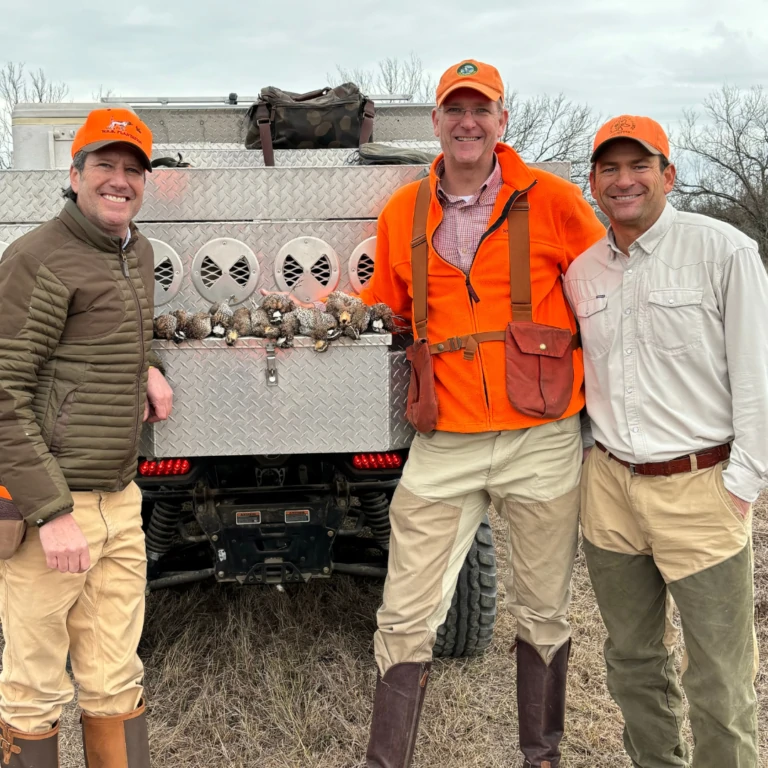
Jeff highlights that the Prairie states are prime locations for Upland Bird Hunting, particularly for pheasants and quail. States like South Dakota, Nebraska, and Montana offer diverse habitats that are conducive to bird populations. The Northern Bobwhite Quail, often considered the king of Upland birds, primarily resides east of the Rocky Mountains, while other species thrive in different regions.
Bird behavior varies greatly depending on the season and environment. Most Upland birds are not migratory; they tend to remain in their birth habitats unless environmental conditions force them to relocate. This characteristic makes it essential for landowners to maintain suitable habitats year-round to ensure stable populations.
Man’s Best Friend and Memorable Hunts
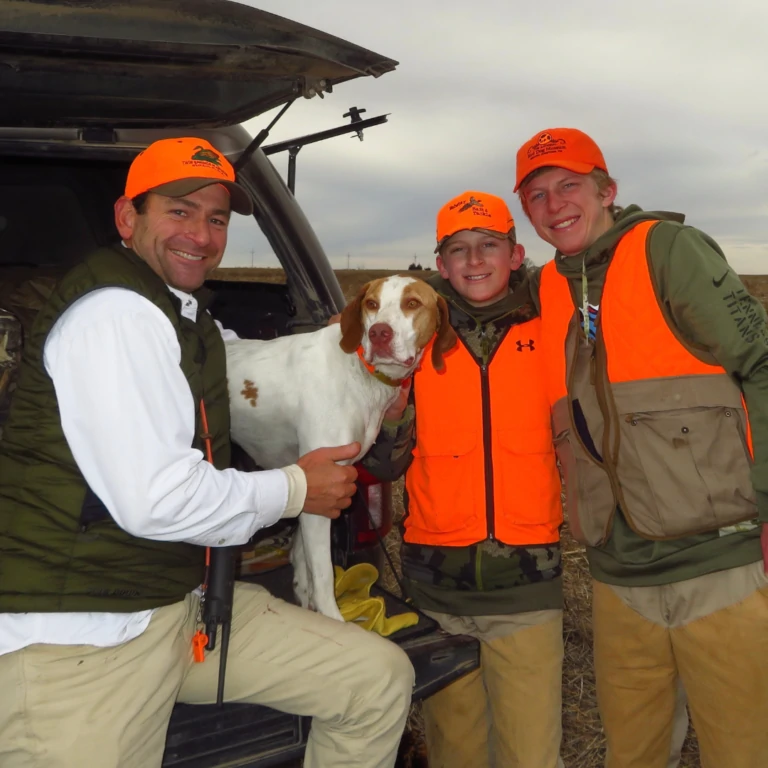
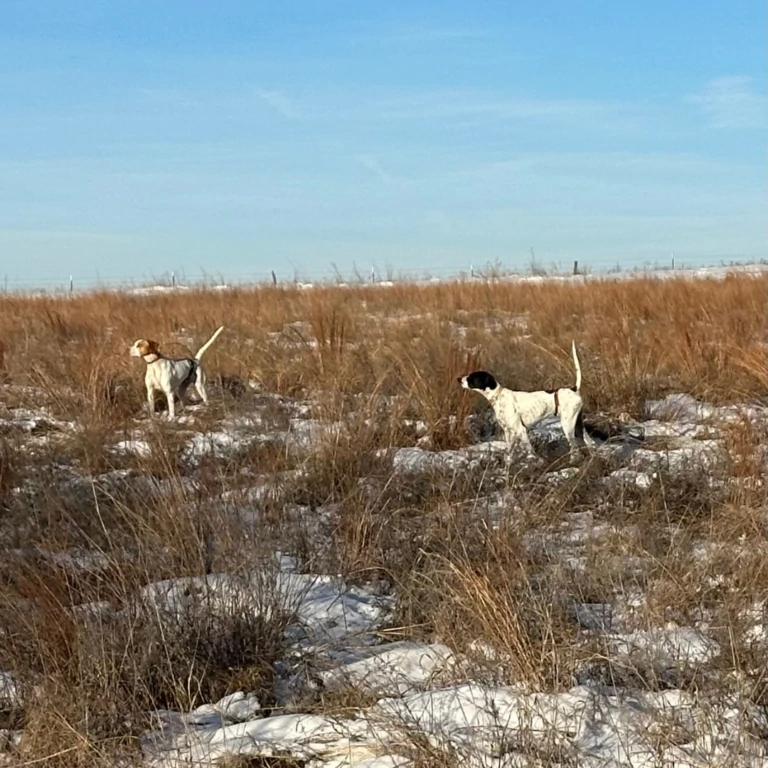
A significant aspect of Upland Bird Hunting is the partnership between hunters and their dogs. These dogs are trained to point out birds, enhancing the hunting experience. Jeff shares a memorable hunt in Texas where he and his dogs located an incredible 47 coveys of Bobwhite quail in just one day. Such experiences highlight the thrill of Upland Bird Hunting and the bond formed between hunters and their canine companions.
Training dogs is an ongoing process, starting from a young age. The right training helps dogs understand their hunting roles, making them invaluable during hunts. Jeff emphasizes the importance of exposing dogs to wild birds to ensure they learn the intricacies of hunting effectively.
Comparing Upland Bird with Big Game
Upland Bird Hunting and big game hunting are often viewed through different lenses, each offering distinct experiences and challenges. While both pursuits share a love for the outdoors, the nuances between them can be significant. Upland Bird Hunting is generally more social and often involves walking over varied terrains with dogs, creating a communal atmosphere among hunters. This contrasts with big game hunting, where the focus may be more solitary, requiring patience and strategy to track larger animals like deer or elk.
Financially, Upland Bird Hunting can be more demanding. The need for specialized dogs, training, and travel to prime hunting locations adds up. In contrast, big game hunting frequently offers more public land opportunities, making it accessible for a wider range of hunters.
Physically, the demands of each type of hunting differ as well. Upland Bird Hunting requires endurance for walking long distances, often up to 15 or 16 miles a day. Big game hunting can involve strenuous climbs and the retrieval of heavy animals from rugged terrains, which can be taxing on the body.
Ultimately, both forms of hunting offer unique rewards. Upland Bird Hunting fosters a close bond between hunters and their dogs, while big game hunting presents the thrill of tracking and harvesting larger animals. Each hunter must decide which experience aligns more with their interests and lifestyle.
Speed Round and Best Recipes
Quickfire Questions
In a lighthearted segment, Jeff shares some rapid-fire answers about his hunting preferences:
- Best time to hunt: Early morning.
- Most scenic hunting location: Sea Vista, primarily known for elk hunting.
- Favorite hunting dog breed: Pointers, particularly English pointers, are favored for their skills in Upland Bird Hunting.
- Essential gear: Always carry a good hunting knife.
- Favorite post-hunt meal: Mexican food, perfect for replenishing energy after a long day.
Delicious Ways to Prepare Upland Birds
After a successful hunt, preparing the birds can be just as enjoyable as the hunt itself. Jeff's preferred method for cooking quail is simple yet effective:
- Crockpot Quail: Cook quail low and slow in a crockpot with gravy. The meat becomes incredibly tender and can be served over rice for a hearty meal.
- Quail Gumbo: Another favorite is making gumbo using quail, which is also prepared in the crockpot for a flavorful dish.
FAQs about Upland Bird Hunting
Common Questions and Answers
As interest in Upland Bird Hunting grows, so do the questions surrounding it. Here are some frequently asked questions:
- What types of birds can be hunted? Common species include quail, pheasants, and grouse, each offering unique challenges and experiences.
- Do I need a hunting dog? While not mandatory, having a trained hunting dog significantly enhances the hunting experience by helping locate and retrieve birds.
- What equipment do I need? Essential gear includes a reliable shotgun, appropriate clothing for the weather, and safety equipment such as orange vests.
- When is the best season for Upland Bird Hunting? The hunting season varies by state but typically runs from late fall to early winter, coinciding with the birds' natural behaviors.
- How do I find good hunting locations? Researching local wildlife management areas, state parks, and private ranches can lead to excellent hunting opportunities.
Upland Bird Hunting is an enriching experience that combines skill, patience, and a love for nature. By understanding its intricacies, hunters can enjoy their time in the field, creating lasting memories with friends and family. Interested in learning more? Listen to the full Upland Bird Hunting episode from the Land Bulletin Podcast.