

Behind the Deals: Insights from Ranch Brokers (Part 1)


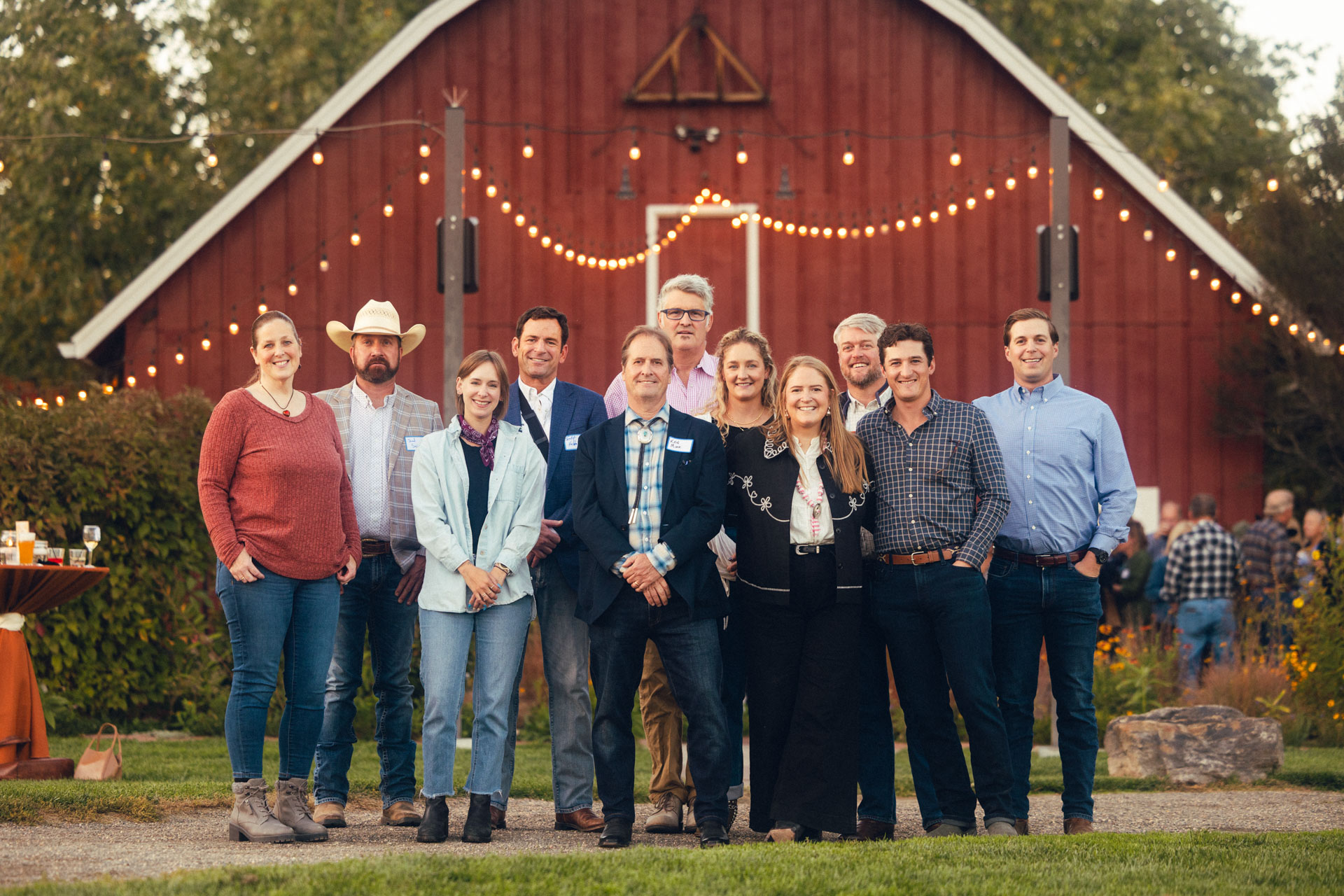
This week, we have the whole brokerage involved as we take you behind the scenes of our expert team. Get an insider’s look at what it takes to buy and sell premier ranch properties, the trends shaping the market, and the unique challenges brokers face. From understanding land values to navigating conservation easements, this is your guide to the world of ranch real estate.
Topics
[0:00] Introduction – Meet the Brokers
[5:13] Current Market Trends – What Buyers Need to KNow
[11:39] Why Location and Market Trends Matter
[17:03] Conservation and Land Stewardship
[24:23] Closing Thoughts
Watch the full video on our Youtube channel
Links
- Need professional help finding, buying or selling a legacy ranch, contact us:
(303) 623-4545 or https://www.MirrRanchGroup.com/
Haley Mirr (00:06):
Welcome back to the Land Bulletin podcast, where every other week we bring you experts in the field to impart their knowledge when it comes to the ranch and sporting property market, buying and selling advice, the latest, best stewardship practices, as well as topics that impact landowners every day. I’m your host, Haley Mirr. Let’s jump in.
Welcome back to the Land Bulletin podcast. I’m Haley Mirr, and today we’re bringing you a special episode. We’ve gathered insights from our team of experienced ranch brokers to answer some of the most common questions we get about buying and selling ranches from what first time buyers should consider to market trends and long-term value of ranch ownership. We’ve got a lot to cover over this two part series, so let’s get started. But before we jump into all the details, let’s get to know some of the folks who make our team great. Our brokers come from a variety of backgrounds, but they all share a deep passion for ranching, the outdoors and land stewardship. Here’s a bit from Jared, Chris, Willy, Woody and Eric about how they got their start.
Jared Souza (01:15):
My name’s Jared Souza and I’m one of the senior vice presidents of Mirr Ranch Group selling ranches. So I got started with Mirr. It’s been about 14 years ago now. I actually was a assistant manager on a ranch that was Ken used to come up to and visit quite a bit. He was a best friend with the owner of that particular ranch. So when Ken first was starting Myr Ranch Group, he would bring some of his clientele up there. We became good friends and then I wasn’t interested in doing anything else but chasing cows around and being on the ranch. And then finally I got married and my wife and I were expecting our first child, and I decided it was probably time to get a little more serious and figure out a way to make a little better living than the ranch was able to give me, and that’s when I started selling real estate for Myr Ranch Group.
Chris Corroon (02:17):
My name is Chris Corroon. I’m a broker with an affiliate with the Mirr Ranch Group, licensed in both Utah and Idaho. I was attracted to the Mirr Ranch Group because of their really, their expertise in the level of marketing that they do. They’re also very boutique. They’re not a huge firm. There are a lot of good firms that serve the western markets, but not a ton in Utah. So it was kind of a natural that I was able to help Ken and his team and their efforts to market Utah properties we’re a little different out here in Utah, but it’s worked out well.
Willie Strazza (02:55):
My name is Willie Strazza. I’ve been working at Mirr since 2003. I graduated from the University of Colorado back in 2013, and Ken Mirr was actually the first person that I reached out to because I was previously a fly fishing guy and I had my real estate license, and I just thought it was kind of the perfect match of both worlds, but at the time, they weren’t in growth mode. And so I sold my soul and went into the commercial real estate sector for about eight or nine years. And then when Covid happened and everything started really slowing down with our commercial developments, I decided to circle back with Ken. And fortunately, it was just kind of the right time, right place, and he was looking to add a couple of members to the team, and I fit that mold. So grateful for the opportunity, and it’s been great ever
Woody Beardsley (03:52):
Since. I’m Woody Beardsley and I’ve been working with the Burr Ranch Group for better part of 10 years now, maybe even 11. I had recently been in the renewable energy development business and had a background in both conservation real estate and commercial industrial real estate development. And when the renewable energy development business was, we were winding it down, I wanted to get back into conservation real estate and saw terrific opportunity working with MER on conservation easement properties.
Eric Anderson (04:34):
My name is Eric Anderson and I’ve been with Mirr since 2023. I started with Mirr Ranch Group as a result of previous real estate non brokerage work over the last 21 years, and Mirr Ranch Group was a client of mine when I was in the title insurance business and got to know several members of the team and fell in love with the business.
Haley Mirr (05:04):
Now that you’ve met some of our brokers, it’s time to dive into what you should know about ranches out west. If you’re thinking about buying a ranch, there’s a few key things to consider before making the leap. It’s more than just buying land, it’s about lifestyle management and making a solid investment. Let’s hear from Jared, Willie, Eric and Chris about what they ask buyers right from the start.
Jared Souza (05:31):
One thing first time ranch buyers often overlook when they’re looking at a property is probably one of the easiest things for first time ranch buyers to overlook is neighbors. Neighbors in a ranch setting and a farm setting can kind of make or break the opportunity. Obviously in this neck of the woods, we always try to be good neighbors, but that doesn’t always mean that your neighbor’s a good neighbor, and that can change the way your management structure is handled, especially if you got cattle next door and the breed doesn’t align with kind of your objectives and your dreams and their management, their husbandry, their particular ranch doesn’t match your objectives. So you got cattle breaching the fence, you got bulls that aren’t the same flavor and color that you want or jumping the fence and that can cause some problems. That’s probably one of the easiest thing that’s overlooked for anyone that’s actually buying ranches, I guess.
Willie Strazza (06:37):
So I try to help guide buyers by first understanding what their goals are. So are they looking for a working cattle operation? Is it a hunting retreat, is a family recreational spot? And then I help educate them on the key aspects of ranch ownership, whether that be soil quality fencing, livestock needs, zoning regulations. I mean, you could go in as deep as tax benefits if you’ve got agricultural exemptions. So I try to guide them by offering my personal expertise, but also connecting them with local experts, ranch managers, wildlife consultants, and attorneys to ensure that they’re making informed investment decisions that align with their vision. Yeah, I think that for, I mean, buyers should really know before they’re purchasing a ranch with river frontage or strong fishing potential, they should look at a couple of key factors. One is water rights and access. So just because a river runs through the property, it doesn’t always mean that you have full control over it.
(07:51):
Water rights vary by state, and some waterways may have public access laws that limit you actually utilizing that stretch of river. I also advise buyers to thoroughly review water rights and determine if they include irrigation, livestock, or recreational access. I think another thing that often gets overlooked is floodplain and erosion risk. And then I guess just fishing quality is also huge. A lot of these brochures, I mean, marketing’s gotten so advanced these days, you can make these properties look pretty spectacular with the right lens and taking pictures at the right time of year. But not all fishing properties or riverfront properties, I should say offer prime fishing. So I really try to help buyers assess the river’s health. Sometimes that’s just flipping over some rocks and seeing what kind of bug life is down there. And then just looking at fish populations and if any stocking programs exist on that river, has previous owners done any stream restoration work to maybe allow for better holding water throughout winter months?
(09:09):
All of these different factors or something that I try to pay attention to when helping someone analyze if it’s savvy investment decision and if it’s a good fishable piece of property. The most common misconception for first time ranch buyers is not really understanding or recognizing that owning a ranch is. It’s not just about buying a piece of land with nice views and a great house in a river that flows through it. People can sometimes have a tendency to overlook the operational side of things. Things like water rights, grazing capacity, how many animals can I put out here for a certain number of months or for the whole year, the infrastructure maintenance, what’s it going to cost if I need to repair the fencing around the entirety of my property? And then just land management in general, making sure that you’re a good steward of the land.
Eric Anderson (10:08):
In terms of legal and title issues, there’s a couple of things that come to mind. One is that title seems to be sometimes more complicated than commercial deals. And so just knowing that upfront that it can take some time to review and then talk through is important, that it’s not just a simple a lot and block title commitment that would be happening within a residential subdivision. And then understanding easements. What are those easements? Who has the right to those easements? Are those neighbors? Are those utility providers? Is it somebody else? And is that easement even something that is still needed In terms of legal challenges, I would just say getting the family on board from a sales perspective is super important. Early. Sometimes we experience challenges with families who seem to be maybe a little unorganized and need a little bit more organization and to be on the same page before the sale process begins. Ultimately, that will breed more success through the marketing. And then ultimately, the contract negotiation,
Haley Mirr (11:19):
Understanding your vision for the land, researching water rights, and even knowing your neighbors can make or break a ranch purchase. Legal considerations like title and easement should never be overlooked. So it’s important to have a broker on your side who knows these rules and obstacles in and out and can let you focus on finding the perfect spot for you. And speaking of the perfect spot, one of the most frequently asked questions we get is about location. What makes a great ranch location? How do market trends influence land value? And this next bit we’ll have Chris, Willie, Jared, and Eric weigh in on what buyers should keep in mind when choosing where to invest.
Chris Corroon (12:02):
We have this beautiful southern red rock kind of iconic landscape, and there’s very few available properties that come to the market in say, southern Utah that would be considered kind of premium recreational ranch properties. Of course, northern Utah, we’ve got more mountains and more alpine type property that’s typically would see in southern Idaho or throughout Idaho and Montana and Colorado. So the landscape’s different, and then just the volume of transaction is a lot less than what you see in the other states always. My first question is, why are you buying? What’s the motivation? What are you going to use it for? Location, everybody wants a ranch that’s close to at least a recreational property that’s close to an airport, even if it’s hunting property that’s within an hour or so from Salt Lake City, salt Lake Airport. That’s a big deal. How often are you going to use it if it’s purely a production property for agriculture or cattle that maybe is not as important of a characteristic, but why are you buying it?
(13:24):
What’s the intent? How often are you going to use it or your kid going to be interested in it? And that’s always a big question. I always like to look for areas that are maybe not the most popular places to buy real estate, but I see it that have good long-term potential based on the infrastructure of nearby towns or other amenities that are nearby. So there’s a lot to look at when you’re buying a property, but there’s so few, there’s so there’s such little private land in Utah that I look at everything out here as a good investment.
Jared Souza (14:09):
I’ve seen a lot of positive impacts associated with our conservation easements due to, it’s a great tool for succession planning. It gives an opportunity for the next generation to hold onto that ranch. Another real important aspect for me is if it ever falls out of that family’s hands, at least their legacy remains. The ranch that they’ve assembled or grandpa assembled for the last a hundred years is going to be the same when the next a hundred years from now. And that’s one of the biggest positive impacts I’ve seen.
Willie Strazza (14:49):
Yeah, there has been, in my mind, a significant increase in demand for river properties. I think there’s a couple of key factors that are contributing to that. One is just an increased interest in outdoor lifestyle. There’s more buyers from these urban areas that are looking for properties where they can enjoy fly fishing or kayaking or waterfront relaxation without the crowds. And then I think a second factor is also, it’s just I’ve seen it have pretty strong investment potential if you’ve, you’re working with a finite resource when you’ve got a riverfront property and high quality fishing properties, they tend to hold or increase in value over time. So many buyers have been looking at this as a hedge against inflation while also providing them with an opportunity for personal enjoyment. I think it’s just a factor of supply and demand. So you’ve got a rising demand and a limited supply of these properties at the end of the day. So especially waterfront properties with private fishing access, it’s just a limited resource and more buyers are looking for secluded high quality recreational land. So I expect those prices to stay strong, and those top tier properties are eventually going to become even harder to find.
Eric Anderson (16:15):
And so we’re seeing kind of an interesting phenomenon where there’s not a lot of inventory, and there are a lot of buyers, yet buyers aren’t willing to make irrational or emotional decisions, and they’re willing to do their own diligence and take the time needed to make good decisions for them and their family, which is great because then that breeds success for what we were talking about earlier, which is creating a sustainable and multi-generational legacy asset for a family.
Haley Mirr (16:45):
It’s important to consider what’s a priority to you, whether it’s proximity to an airport, the availability of recreational opportunities or the uniqueness of a region. There’s a lot for buyers to consider when looking at ranch ownership. Demand is growing for high quality properties, and the right purchase can be both a lifestyle upgrade and a smart investment. But investments aren’t just financial. They’re personal as well. Owning a ranch isn’t just about the land, it’s about the experiences legacy and creating memories from raising your kids to passing the property down through generations. The value of a ranch goes beyond dollars and cents. Let’s hear what Chris, Jared, Willie, Woody, and Eric have to say about the lasting impact of ranch ownership.
Chris Corroon (17:32):
So I think there’s a lot of good, we have a lot of good clients that are very good progressive ranchers. Some of those clients have been at it for years. Some of them are second, third generation ranchers. Some of them are first time ranchers, but they’re all really, Utah has a really good conservation kind of mindset. So water is a limited resource, and most of our clients out here are really good, continue to be good stewards of the land, and most of the folks that are just getting into ranching, they perceive the value of good ranching practices, which a lot of them have been doing for generations and farmers and ranchers by nature or good conservationists. So I like to see that there’s more and more and more and more of the younger farmers that are getting into the business and ranchers recognize the value of good conservation practices and being resourceful with their uses of water. So I’m encouraged about that. That’s a really good thing that Utah has on its side.
Jared Souza (18:51):
So the balance between development and conservation and Wyoming’s future is, that’s time will tell. Obviously no matter what for any economy to thrive, there has to be some development, right? There has to be some wind, there has to be some solar, there has to be some housing, there has to be some oil. That’s just the nature of the beast. So the unique aspect about that and what that looks like as far as conservation and development is we just got to be real strategic about preserving some real important landscapes. Like our migration corridors, for example, are kind of a hot topic right now, and if we went and severed them migration corridors, and a lot of people don’t really understand this, but that particular mule deer herd that’s reliant on that migration corridor, they can’t just shift routes and go a different direction. That means that they disappear.
(19:56):
So that’s going to be probably one of the biggest things as far as conservation and development in the near future, is just trying to maintain corridors to keep them intact and ensure our big game population can survive for the next a hundred years. One thing that makes ranches a good investment beyond just the land itself is obviously the lifestyle and the non-tangible assets or goods that comes with that. I think of all the opportunities that I’ve had on ranches I’ve managed, or ranches that I’ve been able to tour over my career or lifetime, and it’s my daughter’s first deer or my son’s first fishing trip, I think a lot of that stuff says way more value and it’s way more important in life and on an asset base than just the land itself. Obviously, it all comes from the land, but it’s not all about the land.
Woody Beardsley (21:05):
I think Colorado is a really great example of what can be accomplished with conservation, and we’ve got a fairly robust set of incentives for conservation, both federal, state and local level for dollars available for conserving properties, tax incentives, tax credits for conserving properties. And in Colorado, I think we increasingly have very real market evidence that in particular markets, the highest and best use of a property is as a protected ranch or protected open space or protected habitat, if you will. And since the old adage, they’re not making any more of it, it’s true more and more people are going to want it to be what it is and not a bunch of condos and not just another development. I think that what gives it inherent values that it’s not the commercial industrial world, and so I remain bullish on conservation. I think we’re going to continue to see, we’ve had at least 30 years of very robust conservation efforts here in Colorado. You’re seeing that pick up in places like Wyoming, in states like Wyoming, New Mexico. They don’t have anywhere near to the development pressure that we do in Colorado, but they see the inherent value of conserving it as natural or working lands.
Eric Anderson (22:38):
I think next generation involvement is absolutely critical. When you start talking about passing properties down to the next generation. They’ve got to be involved quickly and often and have buy-in to projects, and they could be simple projects, but if they’re responsible for something, then that allows them to feel good about contributing to the greater good, and then ultimately they have that emotional tie, which usually breeds great success if ranchers are looking to establish properties that are sustainable for multiple generations. There’s a couple things. One is certainly getting the next generation involved early and often, and like I said, it could be as little as calling up the fish stocking place to get the pond stocked every summer, but I think that getting the next generation involved and multiple people from the next generation involved early and often and having fun. I’ve talked about chores, but also just having a blast and having their friends come up to the ranch and talk about the ranch at school and really be proud of it and not shy away from it and enjoy the pride and the joy humbly of having friends and family up to the ranch that haven’t experienced that before really leads itself to the emotional connection to the land.
(24:14):
And that will serve probably as the biggest key to future generations being able to hold onto it.
Haley Mirr (24:24):
An emotional connection to the land is really what drives families to be invested in ownership for generation. And as you’ve heard, making strategic decisions whether through conservation efforts or collaborative ranching among family members helps ensure these properties remain part of a family’s legacy. Thanks for joining us for part one of Ask the Brokers episode. We hope this gave you some valuable insights into the ranch buying process, key market trends, and the deeper value of land ownership. And we’ll see you next time for part two of this series.
Thanks for joining us today. To learn more about the ranch real estate market or our ranch marketing process, make sure to subscribe to our newsletter on our [email protected] or give us a call at (303) 623-4545. See you next time.
