

Behind the Deals: Insights From Ranch Brokers (Part 2)


In Part 2 of our Ask the Brokers miniseries, we dive deeper into the ranch real estate world with fresh insights from more members of the Mirr Ranch Group team. From adding value to ranch properties through conservation to navigating drought, development, and shifting market trends, this episode is packed with boots-on-the-ground expertise. Tune in as our brokers share what keeps them passionate about the land—and what the future of the American West might hold.
Topics
[0:00] Introduction – Meet the Brokers
[5:58] How Brokers Help Enhance Ranch Value
[11:05] Challenges and Opportunities Out West
[16:48] Long Term Trends and Rising Demands
[20:33] Closing Thoughts
Watch the full video on our Youtube channel
Haley Mirr (00:06):
Welcome back to the Land Bulletin podcast, where every other week we bring you experts in the field to impart their knowledge when it comes to the ranch and sporting property market, buying and selling advice, the latest, best stewardship practices, as well as topics that impact landowners every day. I’m your host, Haley Mirr. Let’s jump in.
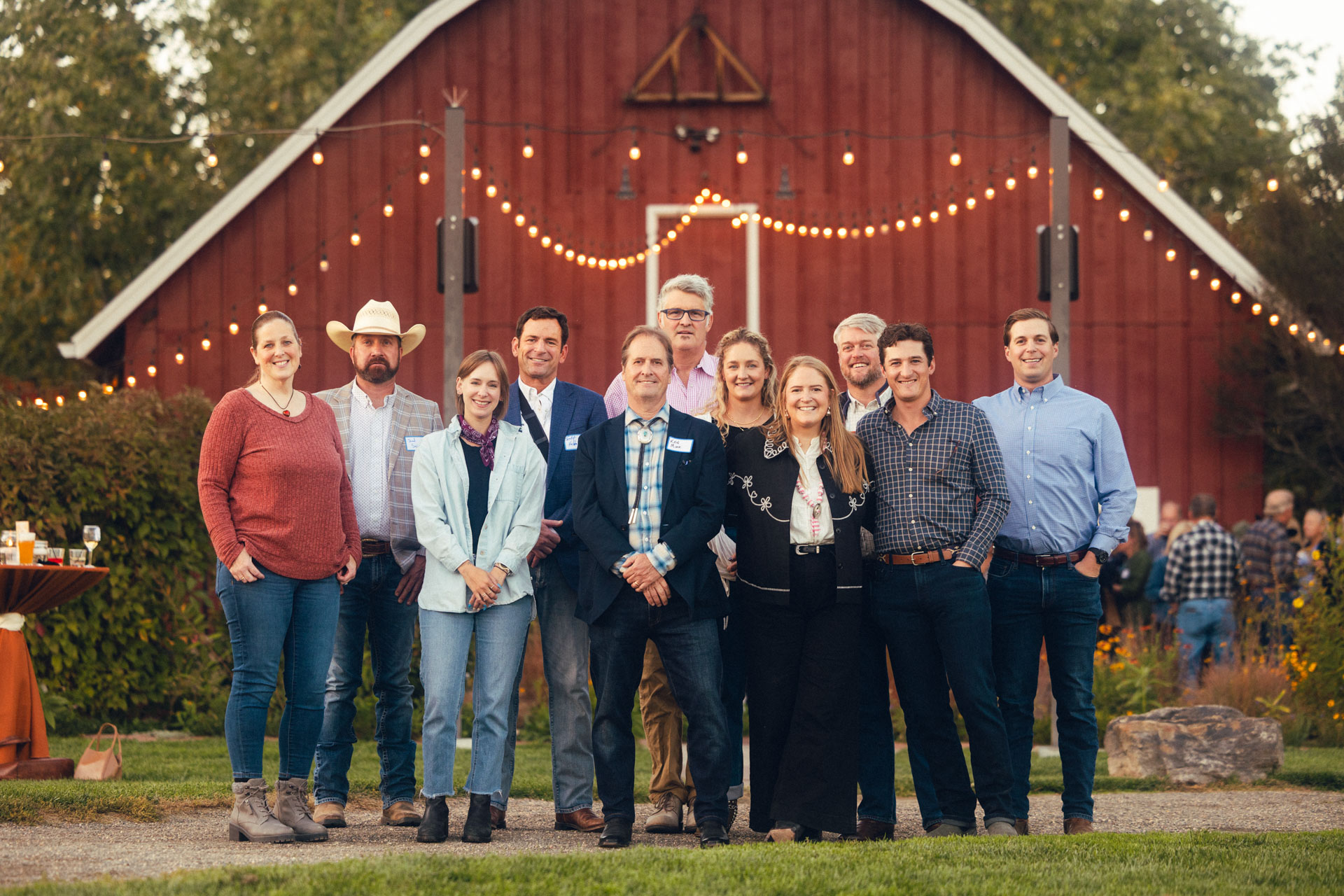
Welcome to part two of our Ask the Brokers miniseries. In part one, we shared top insights from our brokers, everything from what first time buyers should know to the market trends they’re seeing out in the field. This week we’re diving into even more of your most frequently asked questions. We’ll talk about how to enhance a property’s value, explore today’s biggest challenges and opportunities in ranch real estate, and take a look at what the future of legacy of the American West might hold. But first, we want to introduce you to a few more members of the Mirr Ranch Group team. They’ll share how they found their way into the ranch real estate world and what keeps them passionate about this work. Let’s hear from Harry Woody, Jared, and Erik about what attracted them to working with Mirr Ranch Group.
Harry Woodward (01:16):
My name’s Harry Woodward. I’ve worked for Mirr Ranch Group for two years, so I got started. I had just finished up a couple seasons guiding up at the A RA and I’d always kind of been in Ken’s ear about hiring me, and I grew up around the me has known him forever, and Ken finally said there was a little opening and it worked out perfectly. I had just finished what I had planned on being my last season of guiding. Yeah, I just started that winter.
Patrick Lancaster (01:48):
My name is Patrick Lancaster. I’ve been working with my ranch group for approximately 22 years now. I guess. Started with Mirr Ranch Group through a friendship with Jeff Hubbard. Jeff actually guided some hunters for me and we kind of kept in touch and he got involved in the business and I had clients that were both looking to buy and sell ranches, and he offered to kind of bring me in and work together as a partnership. Well, I’d like to think I have a keen eye for what constitutes a good hunting ranch, so when over the years I’ve just learned areas that are great hunting areas or have high trophy potential, and I’ve leased a lot of ranches. I’ve leased well over a million acres in my career, and just then with my clients, had an opportunity to look and hunt different ranches in different states and networking with outfitters throughout the west. I’ve just kind developed, I think a keen eye, an understanding for hunting regulations and licensing and so forth, and I think that gives me a distinct advantage when somebody is looking for a hunting specific property.
Woody Beardsley (03:14):
I’m Woody Beardsley. I’ve long been interested in land conservation since a kid growing up on a ranch in southeast of Denver and watching the development kind of push out away from the city, I was just always interested what could we do to maybe protect some of the land that I love so much? I also, at one point in my career, was a project manager for about five or six years with the trust for public land helping cities and counties and other entities acquire open space for their communities. I also worked on ranch conservation, working landscapes, working to protect agricultural properties around Colorado.
Jared Souza (03:56):
My name’s Jared Souza and I’m one of the senior vice presidents of Mirr Ranch Group. My favorite thing about working with Mirr Ranch Group is obviously the people you got to come first to be successful in this business. You got to kind of put the people first, but obviously a close second is the land. I don’t get to do what I used to do anymore. I don’t get to be horseback every day and I don’t get to go and see Calvin Cows and be out in the woods on a daily basis. So any chance I get to be on a field trip and got to go see this landscape and get a be around ranch ranches and ranchers and farmers, that’s kind of what keeps me in the business. So obviously, first and foremost, it’s the people and second, it’s the landscapes.
Erik Anderson (04:50):
Yeah. My name is Erik Anderson and I’ve been with Mirr since 2023. I grew up with a family ranch that was about 75 miles west of Houston, Texas. My grandparents owned, and we spent a lot of time out there growing up and doing projects and work and riding ponies and then horses and working with our ranch manager, and we were probably out there two weekends a month. My parents absolutely adored the place, like spending time out there in the country in a place called New Olum, Texas, and that I learned a lot about the love of the land stewardship, recreation, hard work satisfaction of doing that work, and now it’s translating into family properties that we have for my own kids, which has been a great transition and we’re having a blast having them experience these lessons and do their own work, but also experience a lot of the fun that comes with these places.
Haley Mirr (05:58):
Now that you’ve met more of our team, it’s time to put their insights into action. Let’s start with how our brokers help sell the land itself. The job is a lot more than just great photos and drone footage. Selling a ranch takes boots on the ground experience, just strategic prep work, a deep understanding of what today’s buyers are looking for. Our brokers work closely with clients to highlight the full potential of a property, making it as market ready as possible, while also enhancing its long-term value through sustainability and conservation efforts. Let’s hear from Woody, Harry and Patrick about the many ways a ranch’s natural features can be improved to boost both property values and ecological health.
Woody Beardsley (06:46):
I think that one of the things that can be daunting about solar or wind in terms of integrating that into your own property is understanding how easily it might integrate. Most properties are all already serviced by a utility or serviced by the grid, and oftentimes it’s not fully understood how easily a wind generator or a solar generator can be integrated into your power profile and really minimize or otherwise diminish the requirement of power from the grid. Increasingly see a wide variety of renewable applications on rural properties, ranch properties, everything from solar on houses and barns and wind generators out on ridge lines where they can capture wind for their operations, but also just solar pumps on remote wells you’ve seen becoming increasingly reliable and easily maintained. So you’ve seen a lot of that conversion in recent years.
Harry Woodward (07:51):
Yeah, I think there’s a lot of different factors at play there right now for buyers. I think there’s opportunity to add value through stream restoration, so a lot of these properties have been that we’re seeing on the market right now have been operated as cattle ranches and the focuses more towards irrigation and not sometimes the fishery can suffer because of that, but buyers who come in and are prepared to do stream restoration work and get the fishery to what it can be can add a lot of value in the longterm. Yeah, definitely. I mean, it adds huge value and the demand is always going to be high on properties with high quality streams on them. It’s just nobody’s making more rivers, so a lot of people are sitting on something special and they’re going to continue to rise and demand is always going to be there.
Patrick Lancaster (08:50):
Sure. I think landowners in general, if they value the resource, the wildlife as hunters do, I mean some people don’t really perceive hunters as conservationists, but they’re first and foremost conservationists, and I think that if they’re investing in the land and investing in the resource is equally as important. It’s having good herds or strong wildlife population that just adds the value of the land, in my opinion, and that overall helps them and their investment. There’s some areas that are managed for trophy potential and other areas that are managed for high numbers and maybe not trophy, so just an opportunity to hunt or to develop and grow big animals is whatever the individual wants. Sometimes less is more. People think, well, geez, we got so many elk, we can kill so many elk, and you do have to, they don’t get big unless they grow old and they can’t grow old if you shoot ’em.
Haley Mirr (10:12):
Whether it’s restoring native ecosystems, managing with a college in mind or using conservation tools, there’s a strong sense of purpose behind the work our ranchers do to preserve the beauty and the value of their land. This work often goes beyond a simple checklist. It requires both brokers and landowners to truly understand the unique challenges and opportunities their land presents, and let’s be honest, many of these challenges aren’t as easy to overcome. In the next section, our brokers will share some of the obstacles they face in their day-to-day work and explain how many of these challenges can present opportunities for future landowners to capitalize on in the longterm. Let’s hear from Jared, Erik, and Harry as they offer insights into the challenges and successes they’re seeing in the field today.
Jared Souza (11:05):
So I work with a lot of ranchers in the state of Wyoming that I oversee a lot of their assets. So I got almost a million acres that I oversee on a day-to-day basis on top of selling real estate. The most common kind of hurdle that we have associated with all these properties is drought. That’s kind of the hot button across all our assets across the entire state of Wyoming is we’re always talking about drought, whether it’s for water, for irrigation purposes, our water for grass growing purposes. That’s the biggest hurdle that you have as far as managing a ranch just because that dictates your carrying capacity so much that it’s always a problem. Yeah. So one thing that makes Wyoming Ranch real estate market unique is for one, like a couple other Western states is Wyoming is about 55% public ground. So we got, what is that, 45%? That’s actually on a deeded basis that you and I can buy that makes it unique in itself, and obviously it’s not the only western state that’s has that similar alignment, but we have a very limited population base across that 45% of the state, and we got a lot of multi-generational ranchers, but we also have some very, very large population hubs all around us that exist outside of Wyoming that have kind of created a unique marketplace for Wyoming real estate.
Erik Anderson (12:46):
So in regards to Wyoming and the trends that we’re seeing in Wyoming, certainly it’s not too dissimilar from other rural areas of AmErika where we’re seeing primary producers, ranchers, farmers who have used the land as their primary residence and have worked the land into second homes with new buyers. Certainly that’s a continued trend that’s nothing new, and we’re seeing probably more capital today in the market than ever. We’re seeing more wealth created in the last 12, 14 years. Pretty unbelievable right now with the conversations we’re having with high net worth families who are looking to get into the luxury ranch market. But we’re also seeing from a strictly Wyoming perspective, we’re seeing a lot of strong growth around Cheyenne. Certainly there’s data center development with large companies that we all know that need data centers, they need computing power, they need access to lower cost real estate, comparatively speaking to other states with available less expensive energy, which can be found in Cheyenne, and then certainly through some tax incentives that are being offered by the state.
Erik Anderson (14:05):
So some of this ranch land, whereas before maybe had been developed into residential, now we’re seeing more industrial, more rail yard, more data center type development happening in and around Cheyenne, which is driving certainly some of the large land tracks to increase sales prices or listing prices right now. So it remains to be seen as some of these will actually go to development or remain kind of in the ranch space for a while. We’re seeing kind of an interesting phenomenon where there’s not a lot of inventory and there are a lot of buyers, yet buyers aren’t willing to make irrational or emotional decisions, and they’re willing to do their own diligence and take the time needed to make good decisions for them and their family, which is great because then that breeds success for what we were talking about earlier, which is creating a sustainable and multi-generational legacy asset for a family.
Harry Woodward (15:06):
When people go to sell, if they’re putting in stream restoration work and focusing on their trout populations, it is seen when you go to sell the value add proposition with stream restoration work is pretty awesome and a lot of sellers are making great improvements and seeing it when they go to sell. I think it’s either, I think a lot of the buyers, like I said, that we see, think they want to own a big ranch with maybe a mile of private river, but then they realize what it takes to operate something like that. And at Elk Creek you don’t have to deal with any of that. You show up and you have access to this giant 30,000 acre property with seemingly unlimited private water, and it makes sense for a lot of people to just throw all the management burden to the side and be at a place where management is maintaining the property to be a really high quality fishery.
Haley Mirr (16:13):
The challenges our brokers and landowners face can be daunting, but that doesn’t mean the future isn’t full of possibility. Even amid the obstacles, they’re asking some big important questions. What kind of communities do we want to live in? What kind of legacy are we hoping to leave behind, and what might the future of the west actually look like? In the final section, we hear from Harriet, Erik, Patrick, and Woody as they share the trends they’re seeing in the field where current demand is leading and what the future of western ranching might hold.
Harry Woodward (16:48):
I mean, I think that the demand is always going to be there on fishing properties and through Covid, we really saw the fishing, the fly fishing community grow a ton. Nobody could be, everyone had to be outside, and so many people picked up the sport and there’s a lot more public pressure. So owning private water I think is they’re going to continue to trade at a premium. Yeah, I think the Elk Creek deal that we have is really an interesting model for someone looking in the fishing space. A lot of folks are looking for a fishing property, but either don’t want to deal with the management burden or aren’t willing to spend what it takes to improve a place. And at Elk Creek you have access to 30 miles of private river and it’s meticulously managed and you show up and the place is ready to go. So I think for folks that are in the fishing market, a model like Elk Creek where it’s a shared ownership is attractive for a lot of people, especially as we see values continue to rise on these standalone ranches. Getting in a shared amenity property is going to be a fit, I think for more people going forward.
Erik Anderson (18:02):
In terms of changes in the ranch real estate market, I think some of ’em are kind of general. Certainly we’re seeing continued trend of people who are using the land and that’s their primary residence to folks who would be using it more or less as their secondary residence with or without personnel on the property living there or not, but certainly managing the property to its fullest potential. So that continues in today’s world. I think we probably have more capital in the marketplace today than ever, and so people have the cash, it seems like the last 10 to 12 years have produced a lot of wealth in the country and outside the country, and so we’re seeing that in the ranch market, and so there are a lot of buyers today that are patient and are looking.
Patrick Lancaster (18:52):
There does seem to be a very high demand for recreational properties throughout the west and has been for the last several years. Obviously, a grazing or an agricultural component is a plus, but the vast majority of my clients have been focused on hunting or fishing. I do believe that it will continue. I think as public land gets a little more crowded, opportunities for people to have quality hunting and fishing experiences is going to be more and more on private properties could bat or indifferent.
Woody Beardsley (19:31):
I think Colorado is a really great example of what can be accomplished with conservation, and we’ve got a fairly robust set of incentives for conservation, both federal, state and local level for dollars, available for conserving properties, tax incentives, tax credits for conserving properties, and in Colorado. I think we increasingly have very real market evidence that in particular markets, the highest and best use of a property is as a protected ranch or protected open space or protected habitat, if you will, and since the old adage, they’re not making any more of it, it’s true. More and more people are going to want it to be what it is and not a bunch of condos and not just another development. I think that what gives it inherent value is that it’s not the commercial industrial world.
Haley Mirr (20:33):
Conservation isn’t just about protecting land. It’s about intentional planning and preparing for what our ranches and private landscapes will look like 10, 15, even 50 years from now. It’s up to all of us to ensure the beauty, heritage, and resilience of the West endures for generations to come. Thanks for joining us today for the miniseries. We hope it gave you valuable insight into enhancing property value, navigating today’s challenges, and imagining the future of the west. If you have questions we didn’t get to or topics you’d like to hear more about, reach out, we’d love to include them in future episodes. Thanks again for listening and we’ll catch you next time.
Thanks for joining us today. To learn more about the ranch real estate market or our ranch marketing process, make sure to subscribe to our newsletter on our website @Mirrranchgroup.com or give us a call at (303) 623-4545. See you next time.
