Hunting & Recreation
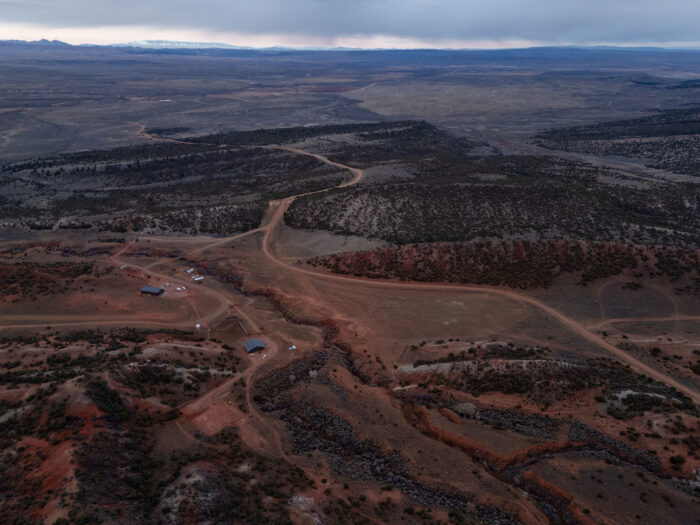
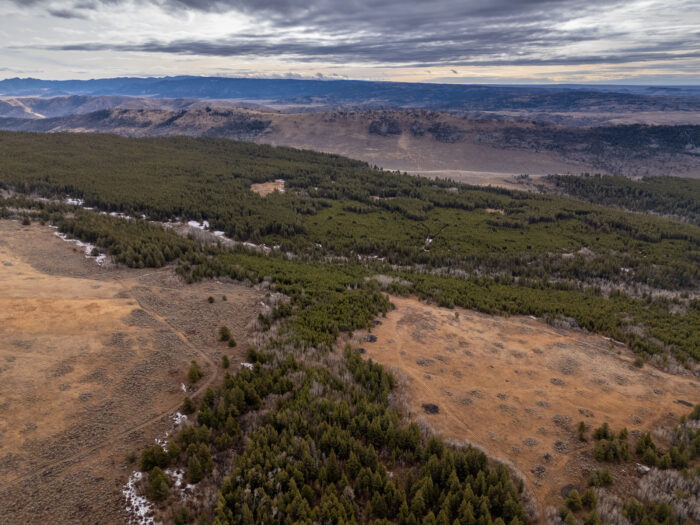
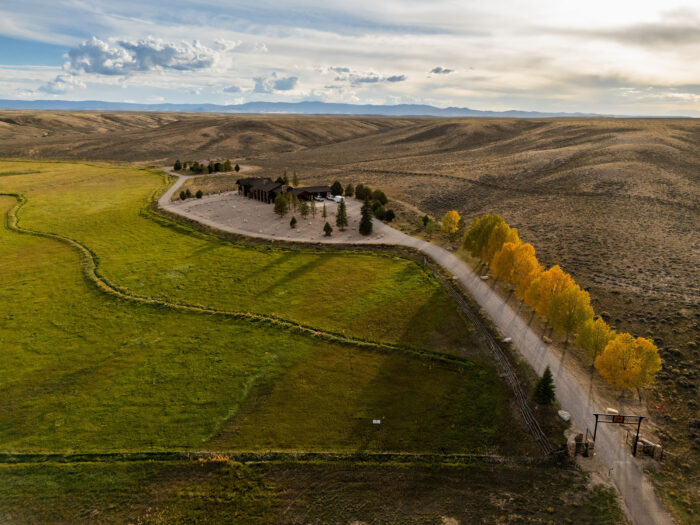
Recreational opportunities on the ranch are abundant, offering good numbers of Mule Deer and Turkeys. Occasionally, visitors may also spot Elk, Antelope, and Bighorn Sheep traversing the property. In addition to wildlife watching or pursuit, , the area provides excellent opportunities for hiking, bird watching, and photography, thanks to its diverse landscape and stunning natural beauty. The countryside is diverse and those interested can explore the rugged terrain on horseback or ATVs.
Bighorn Sheep Conservation
When most people think of Nebraska, the bighorn sheep and the state’s impressive conservation successes in its western regions often go unnoticed. The Badlands bighorn, also known as Audubon’s bighorn, once roamed the rugged bluffs of the Panhandle but vanished by the early 1900s due to market hunting, disease, and habitat loss. In the 1980s, reintroduction efforts commenced, starting with the relocation of 12 sheep to Fort Robinson State Park. Today, there are two primary herds: the struggling Pine Ridge herd, which comprises approximately 30 sheep, and the more robust Wildcat Hills herd, which is home to around 220 sheep and includes the Castle Rock Ranch.
Since the bighorn hunting season began in 1998, a total of 30 mature rams have been harvested through a mix of auction and lottery permits. The allocation of tags varies each year based on population surveys, and in certain years, no tags are issued if populations remain low.
The financial impact of bighorn sheep hunting is significant, with auction tags sometimes fetching six-figure sums, contributing greatly to the state’s conservation funds. These funds support crucial activities such as disease research and monitoring, often necessitating the use of costly helicopter services.
Organizations like the Wild Sheep Foundation and various local conservation groups play an essential role in this effort, contributing time and resources to enhance bighorn populations in Nebraska. Together, they work toward improving wildlife conservation across the state. Wealthy conservationists and hunters are investing substantial amounts of money to protect, preserve, and enhance bighorn sheep herds throughout many Rocky Mountain states. Remarkably, as sheep habitat improves, other game animals reliant on the same environment also benefit from these habitat enhancements. The funding dedicated to bighorn sheep conservation represents one of the most effective hunter-funded models, leading the way for global wildlife conservation initiatives.




 0
0