

History & Significance
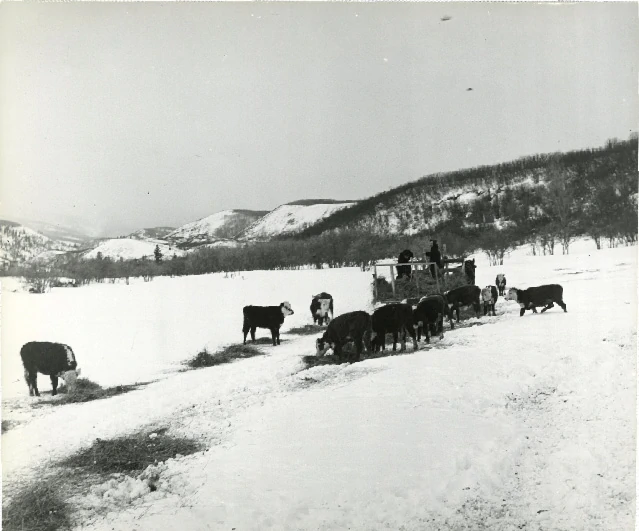
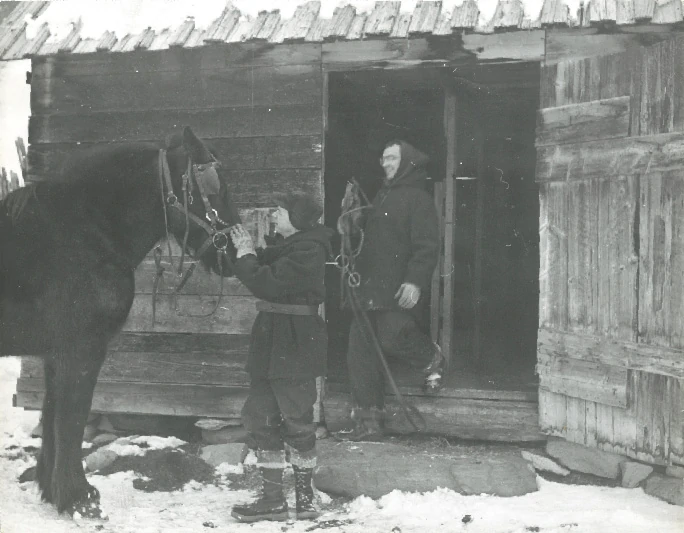
Trappist monks came to the Roaring Fork Valley in 1956 and established St. Benedict’s Monastery on land long associated with ranching and agriculture. Much of the original property was purchased from a family that raised cattle, with additional acreage acquired across Spaulding Road from the Maurin family and further parcels from the Gobos and Gate families.
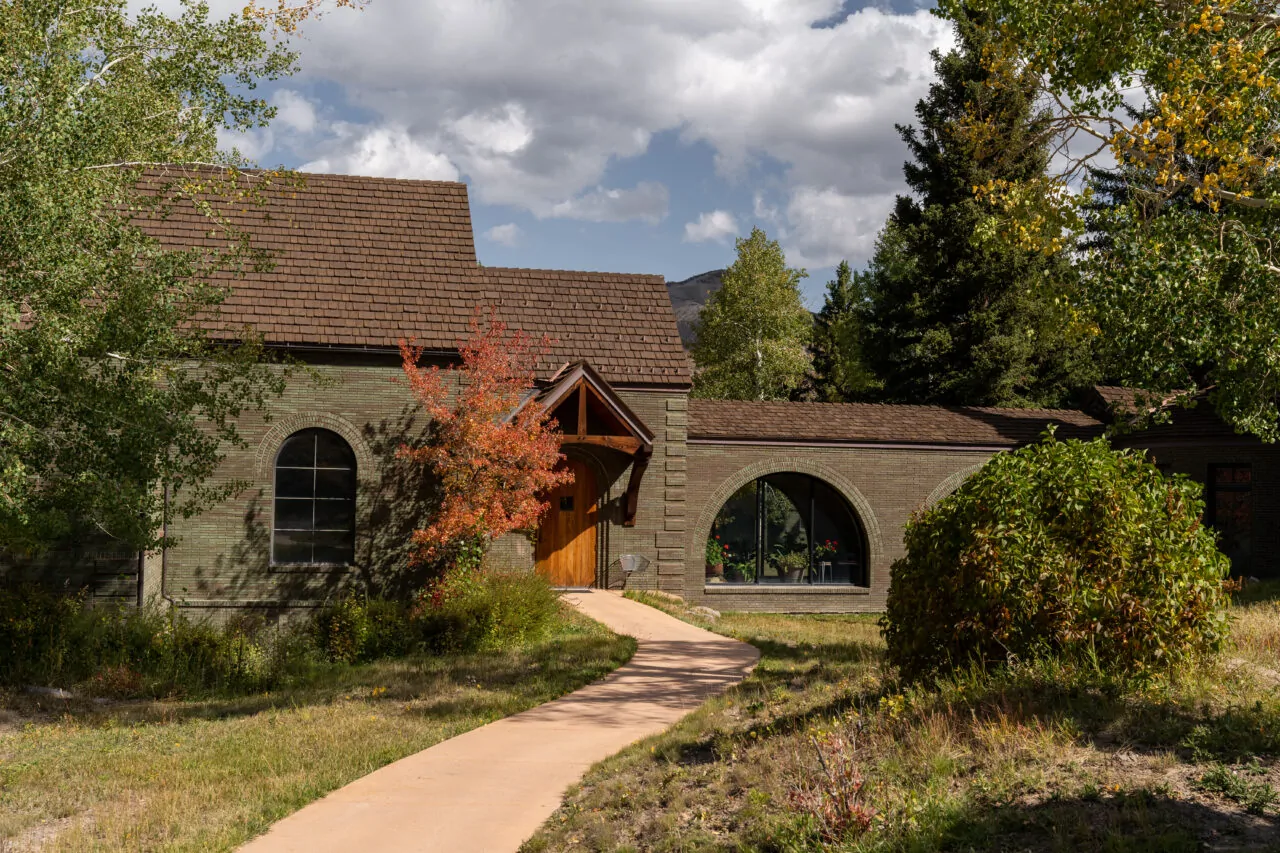
Charles Hart built the main ranch house near the entrance to the property in 1907, along with a barn, office, and equipment sheds. The fine detailing of the brickwork and window trim, as well as the master craftsmanship of the barn structure, are noteworthy for their excellence. When the monks first arrived, they lived in an old schoolhouse down Capitol Creek—now converted into a residence—before moving into the Hart house. As their numbers grew, they even used the upstairs loft of the barn for living quarters.
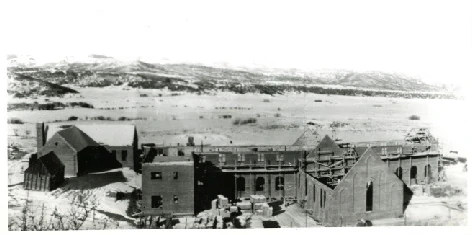
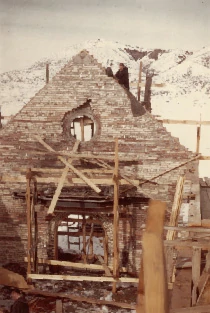
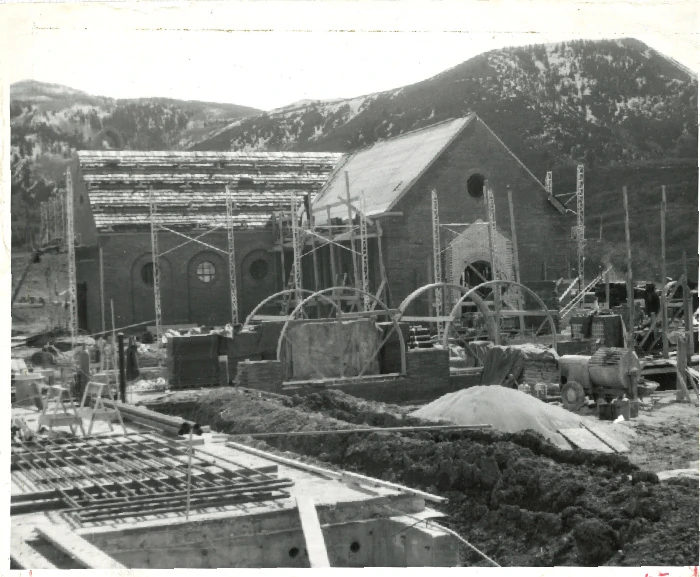
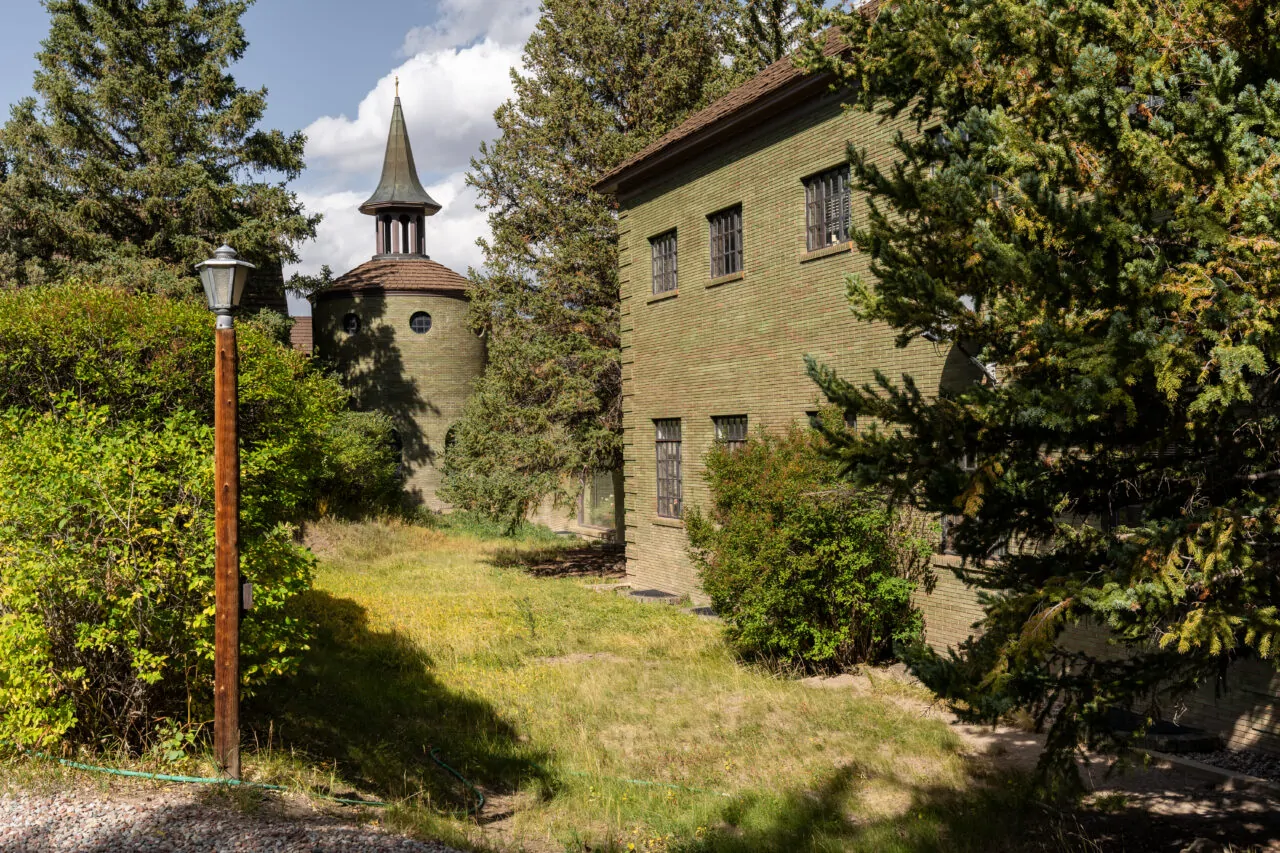
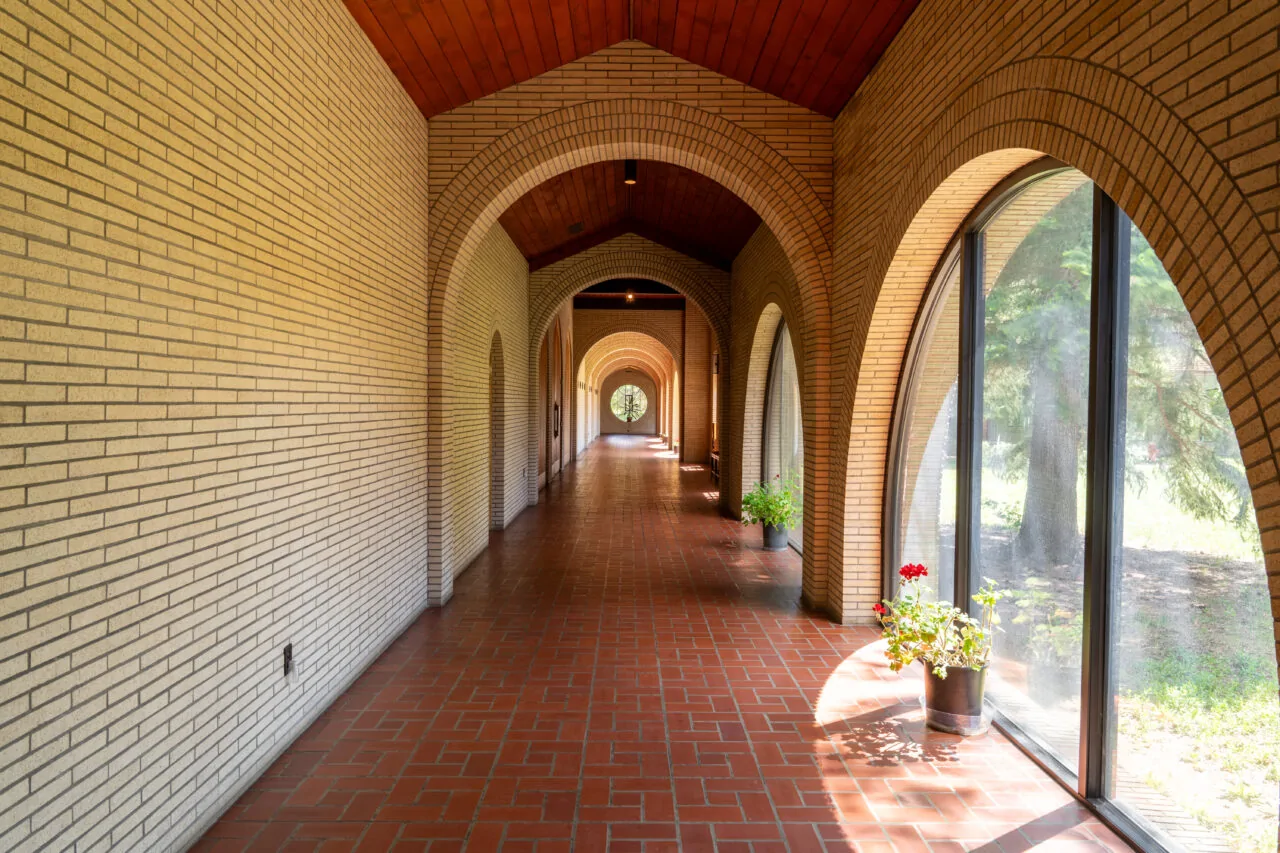
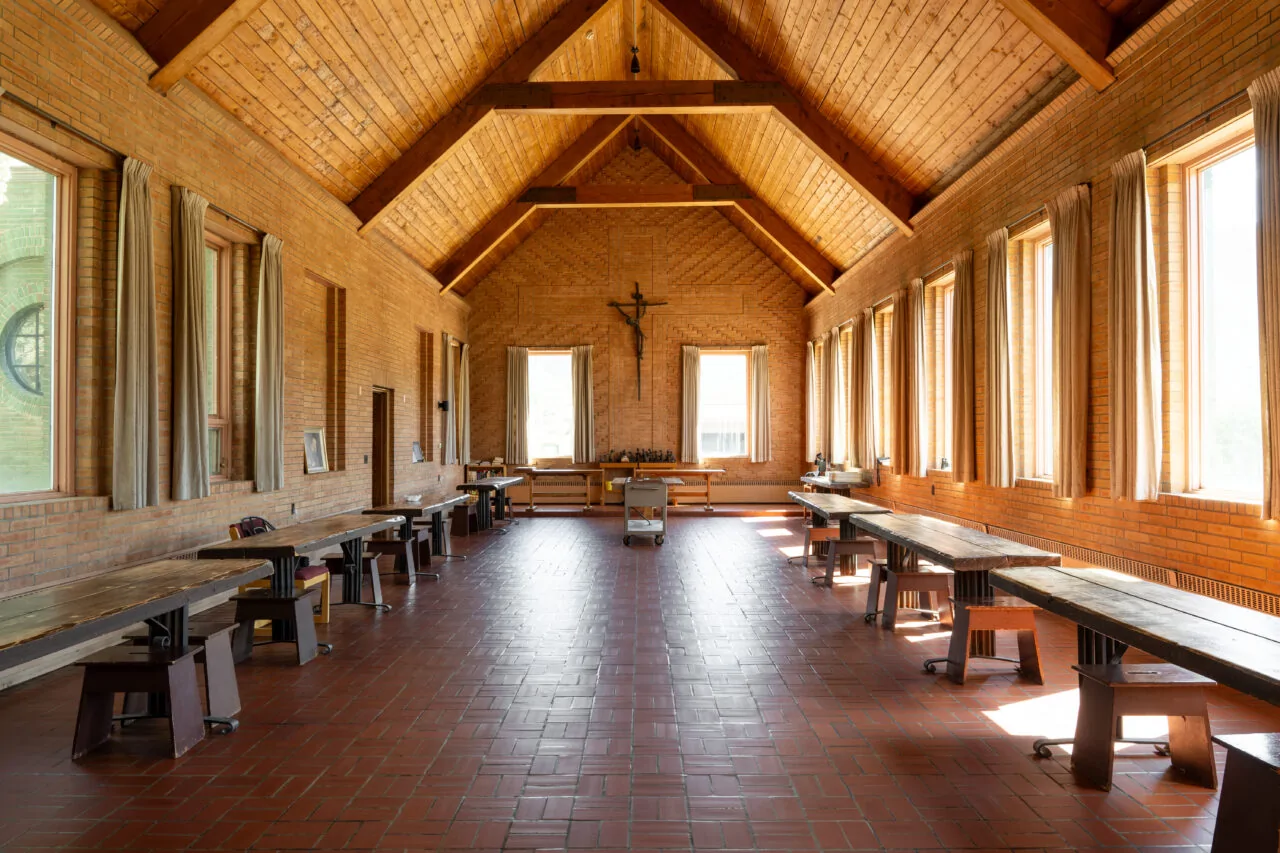
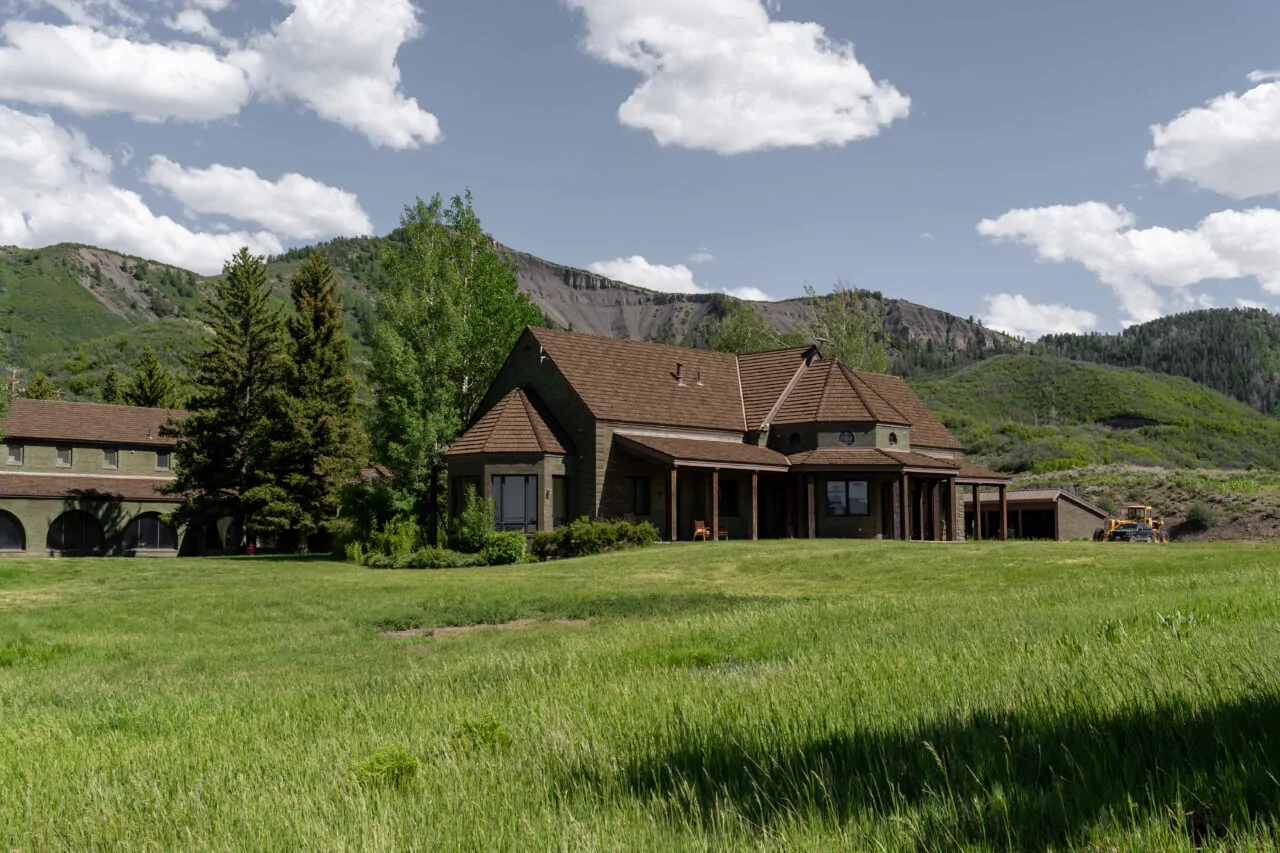
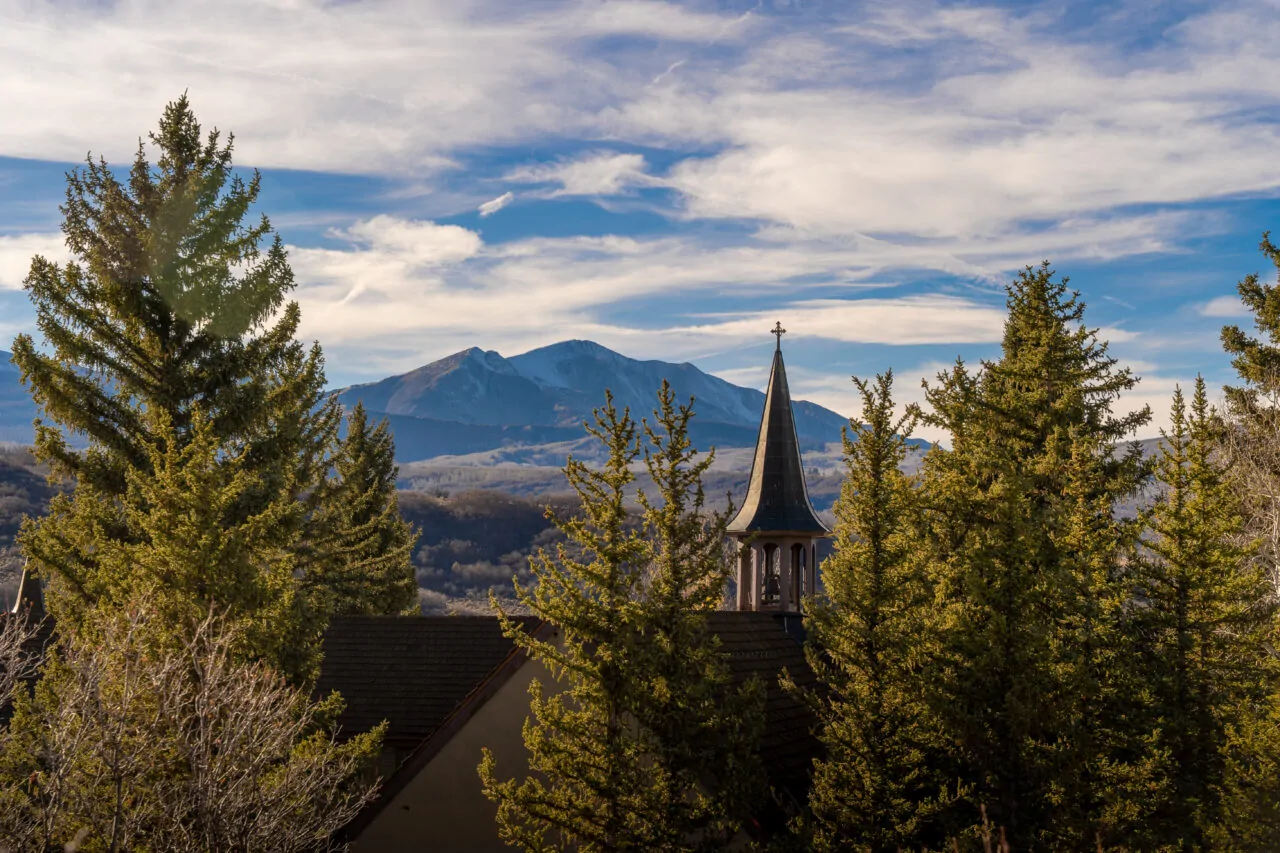
Construction of the monastery began almost immediately and finished in 1958. The monks designed the green-brick structure according to the plan of a 12th-century Cistercian abbey. Cistercian architecture is marked by unadorned simplicity, spacious design, and a profound sense of quiet. Thick walls, arched windows, and peaked cupolas evoke ancient religious retreats in France and Italy. The monastery was expanded in the mid-1980s as the community grew, and in 2019, the entire wood-shake roof was replaced with fire-resistant CeDUR shakes.
One of the monks who had a profound impact on St. Benedict’s Monastery and the valley as a whole was Rev. Thomas Keating. Rev. Thomas Keating first arrived at St. Benedict’s Monastery in 1958. In 1961, he left to serve as abbot of St. Joseph’s Abbey, a role he held for two decades. Following the conclusion of his tenure there, he returned to St. Benedict’s in 1981, where his true impact really took effect.
During this period at St. Benedict’s, Rev. Keating became one of the most influential figures in the modern contemplative prayer movement, helping place the monastery on the global map of contemplative practice. In 1984, he founded the Snowmass Interreligious Conference, which for more than thirty years brought spiritual leaders from around the world to St. Benedict’s, establishing the monastery as a center for interfaith dialogue and contemplative thought.
In the later half of 1985 the community elected Joseph Boyle as successor to Michael Abdo. Fr. Joseph served St. Benedict’s Monastery as the spiritual father for more than thirty-three years. During his tenure, one of his major projects was the construction of the new retreat center facilities.
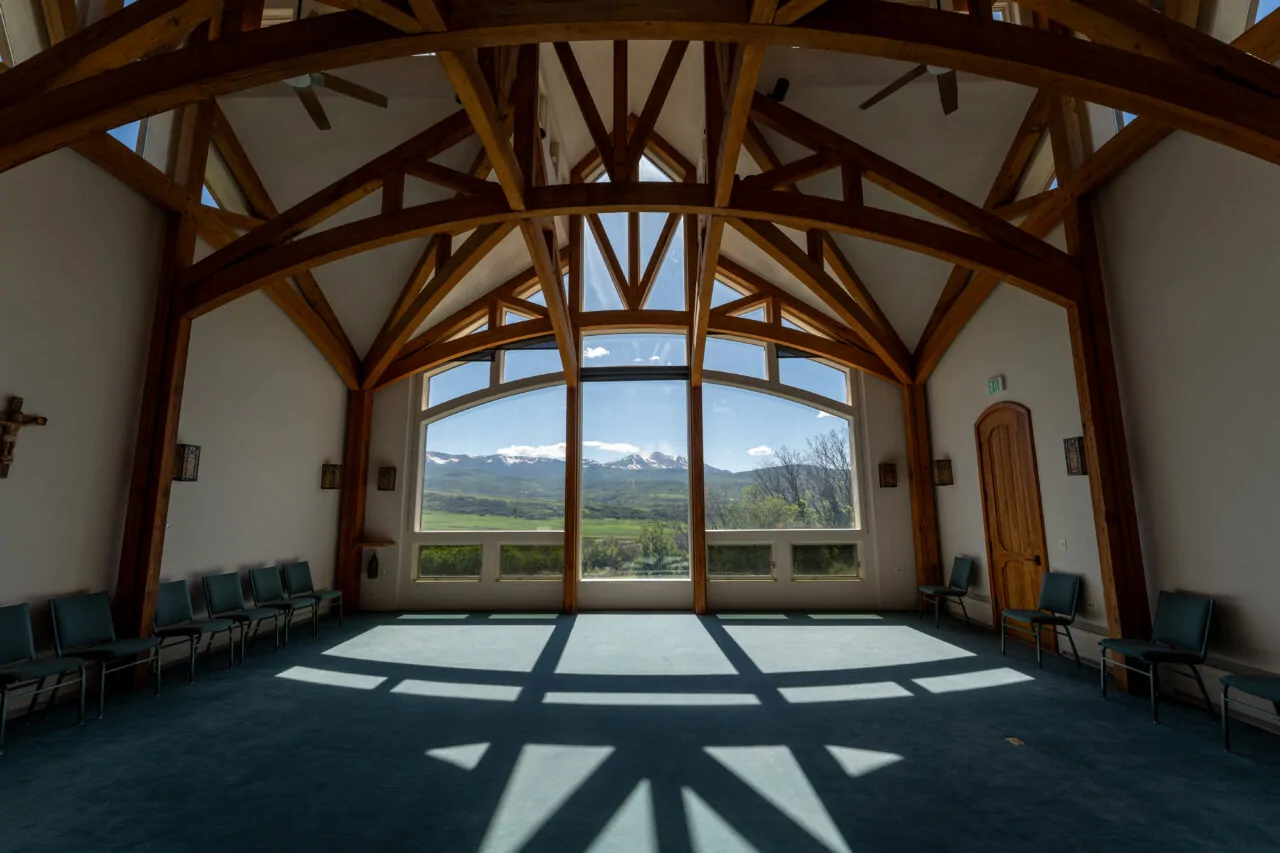
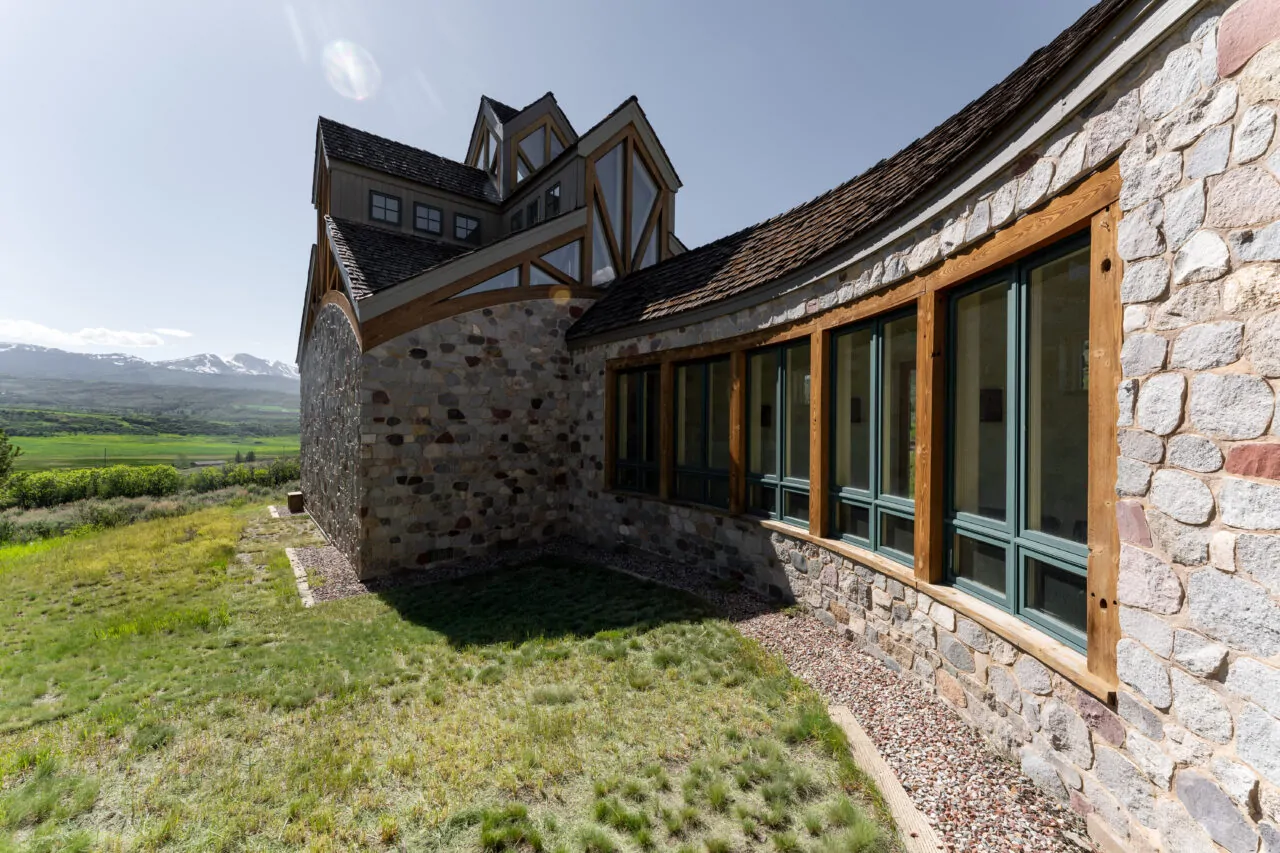
The retreat center at St. Benedict’s was conceived to support contemplative practice and hospitality. Groundbreaking began in 1992, and the center was consecrated in 1995. Designed by the renowned Aspen firm Conger Fuller, the building received an Excellence Award for Religious Architecture from the American Institute of Architects. The retreat center incorporates passive solar design principles, abundant daylighting, reclaimed timber, and local stone, and represents the first successful use of constructed wetlands in Pitkin County. Its form draws inspiration from vernacular ranch structures, while the meditation hall provides a tranquil setting for spiritual practitioners immersed in the monastery’s pristine landscape. Conger Fuller also designed several hermitage cabins around the retreat center and atop McCartney Mesa. Other improvements on the property include the Gobo Cabin along Capitol Creek, a residence converted from the old schoolhouse near Spaulding Mesa, the outfitter’s cabin, and other barns and hay barns throughout the property.
Both Fr. Thomas Keating and Fr. Thomas Boyle, with storied histories and profound impact on St. Benedict’s, passed within days of each other in 2018. Both spiritual leaders' final resting place resides on the mountain slope just above the monastery building, marked with gravestones at the foot of a towering cross.
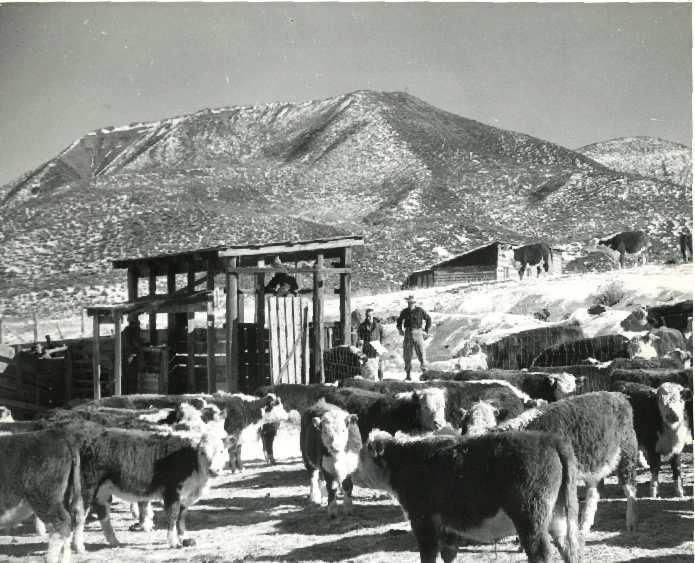
Throughout their history, the monks experimented with various self-sustaining enterprises. They briefly produced hard candy, and in 1967, built an eggery, selling eggs to local restaurants and farmers’ markets throughout the Aspen Valley. Later ventures included baking cookies. Today, the ranch is leased to a local cattle rancher, continuing the land's agricultural legacy. The monastery has also embraced renewable energy, installing a 202-kilowatt solar photovoltaic system that offsets 100 percent of the ranch’s electricity use.
Together, the buildings, landscape, and spiritual legacy of St. Benedict’s Monastery reflect decades of contemplative life, architectural integrity, environmental stewardship, and quiet presence in the Roaring Fork Valley.
Beyond the monastery’s spiritual heritage, the property occupies a very special place in the broader environmental and cultural tapestry of the Capitol Creek and Old Snowmass valleys. The monastery’s more than 3,700 deeded acres sit in a sparsely developed, ecologically rich landscape of shrubby mesas, dense forests, and sweeping mountain views that support cattle grazing, abundant wildlife habitat, and wildlife migration corridors for elk, deer, and other species.
While a formal conservation easement has not historically protected St. Benedict’s itself, it has long been considered a “keystone” parcel within a larger regional conservation framework. More than 7,700 acres of surrounding ranchland have been conserved through partnerships involving Pitkin County Open Space, the Aspen Valley Land Trust, and private landowners in the so-called “Big Four” ranches of the Capitol Creek Valley. These protected lands adjoin national public lands, forming an expansive mosaic of open space that sustains scenic vistas, rural character, and ecological connectivity.
Local conservation leaders and community partners have repeatedly underscored that an easement on the monastery — which sits at the heart of this network — could cement a continuous swath of protected land from the edge of the Maroon Bells-Snowmass Wilderness to the valley-floor ranchlands. Such a conserved landscape would safeguard wildlife habitat and migration corridors, preserve historic water rights tied to agricultural use, and maintain the area's rural and scenic integrity, cherished by locals and visitors alike.
Recognizing this significance, community advocates formalized the Friends of the Monastery as a nonprofit to help steward this legacy and explore collaborative conservation solutions that honor the monastery’s spiritual heritage while protecting the land in perpetuity.
These efforts, alongside Pitkin County’s land-use protections and the strict rural zoning code that limits development, frame St. Benedict’s not just as a historic religious landmark but as a vital piece of the Roaring Fork Valley’s environmental heritage and open-space future.
For more information on the history of St. Benedict’s Monastery, check out this link.
Take a closer look at the 3,739 +/- total acres of the St. Benedict’s Monastery
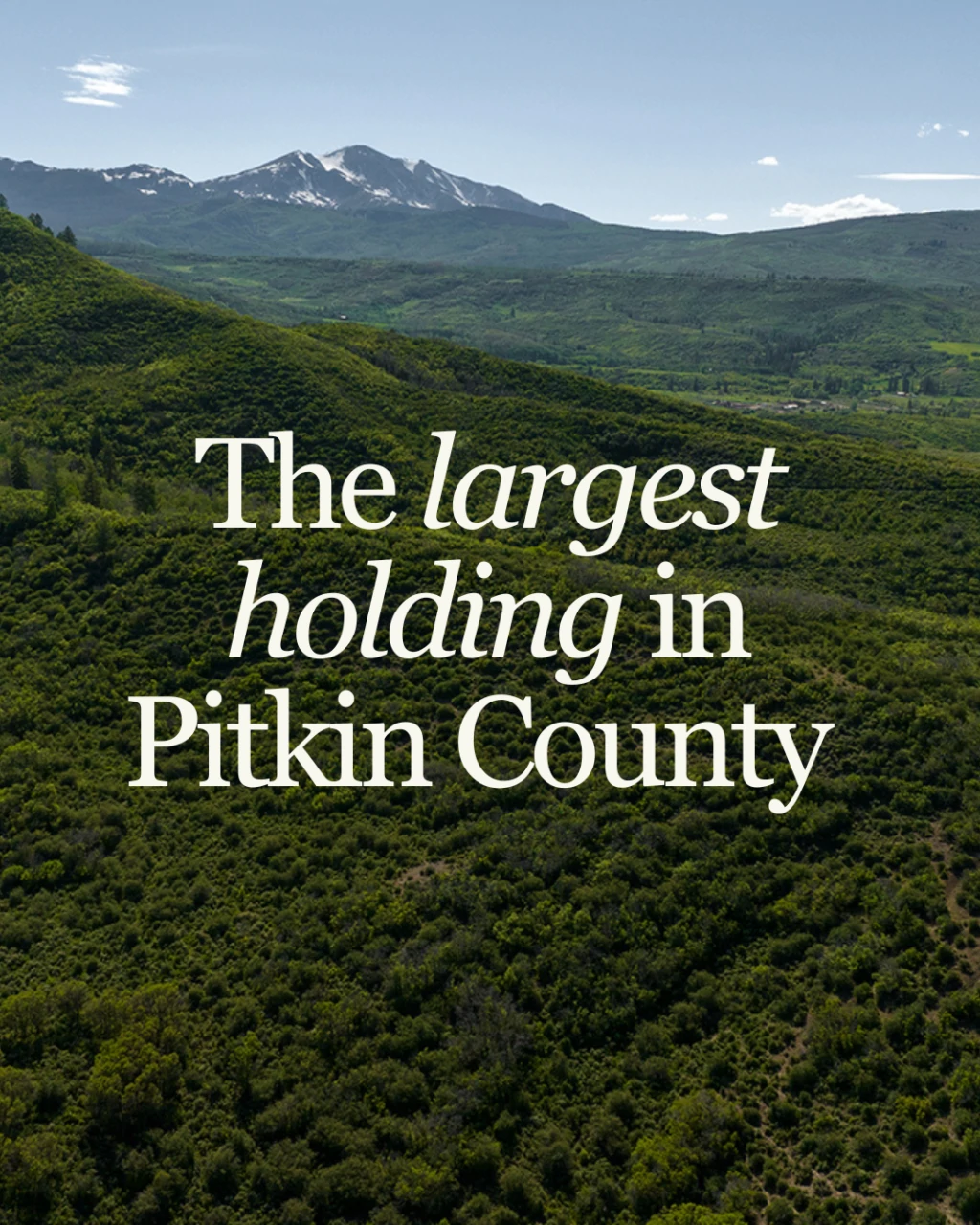
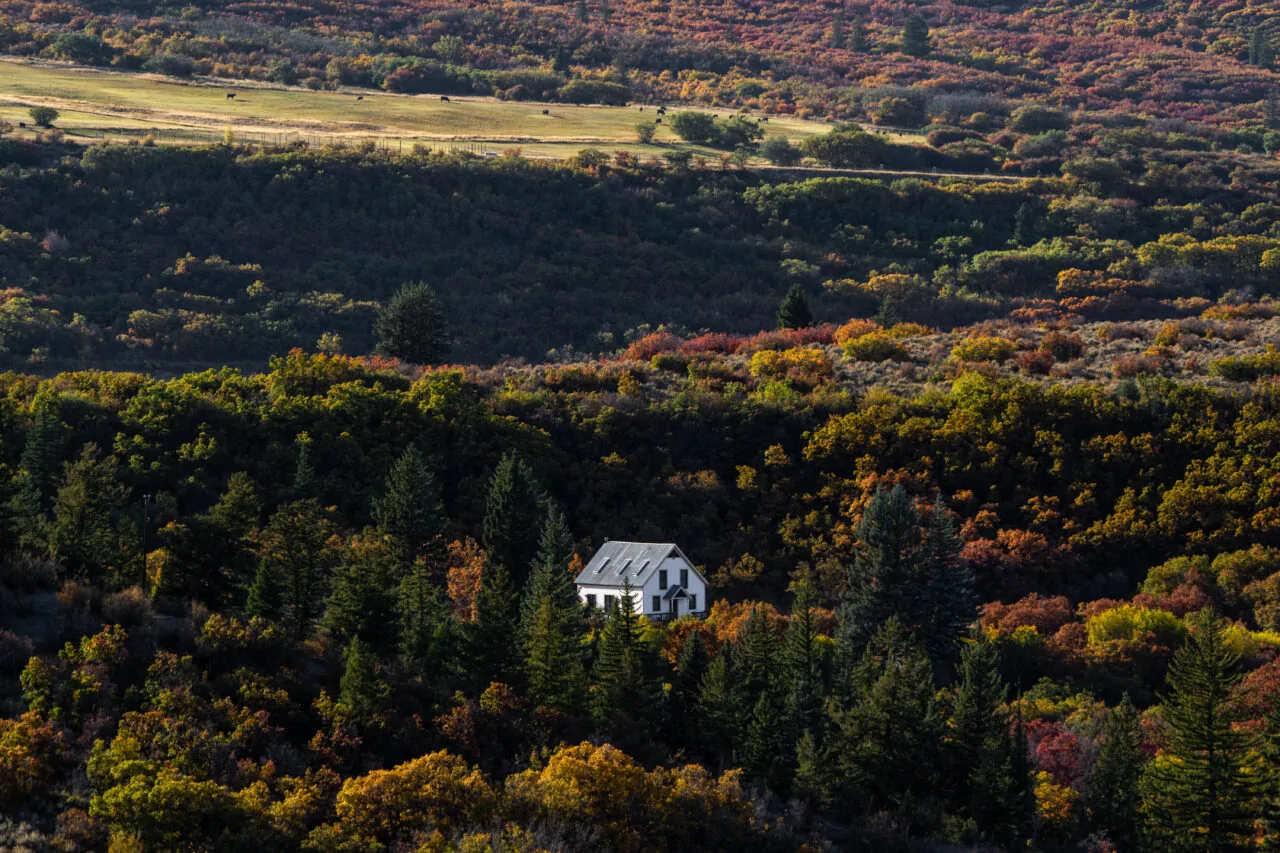
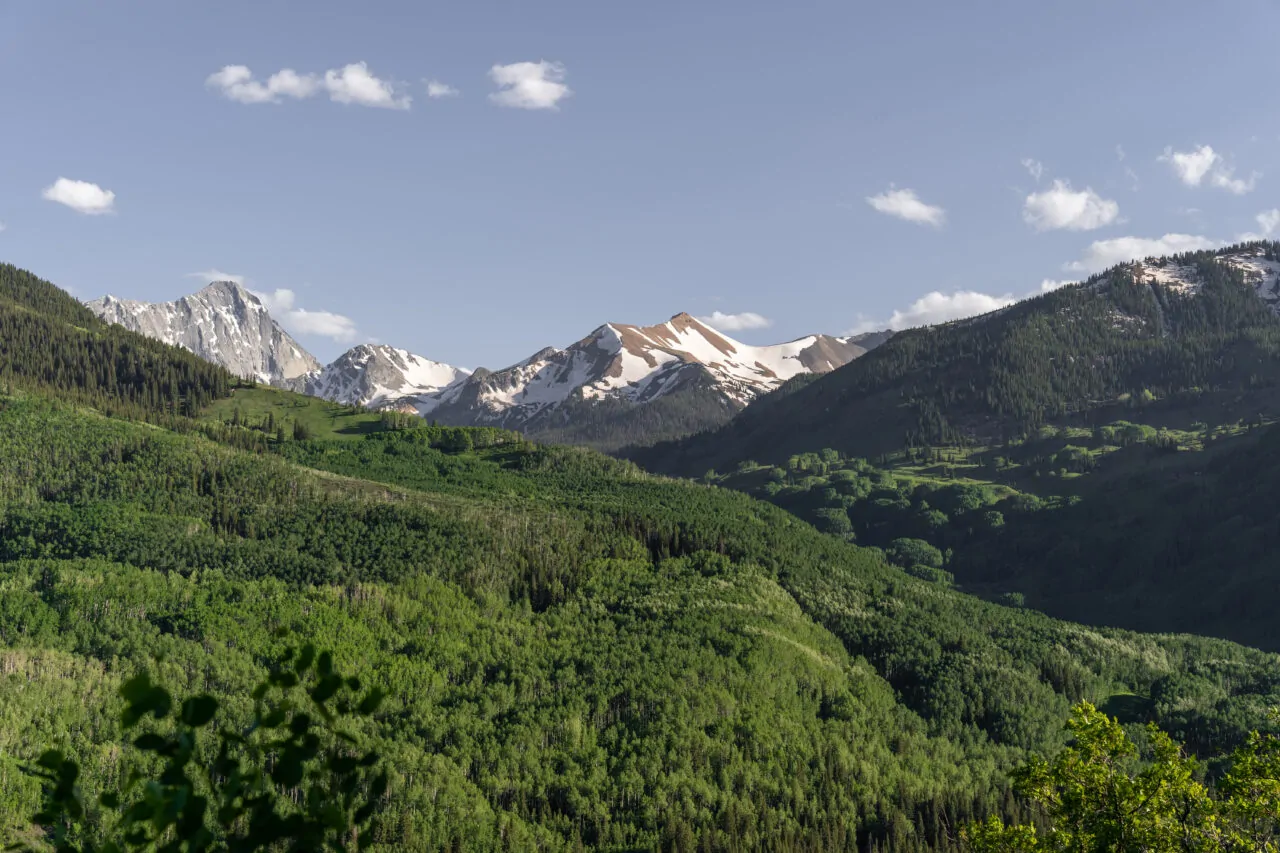
The ranch is just 30 minutes from Aspen and enjoys extraordinary, unencumbered views of the snow-capped Elk Range from Haystack Mountain to Mt. Sopris. Three main creeks meander through the ranch for over 5 miles, including Capitol Creek, Lime Creek, and Little Elk Creek. The property is accessed by a County Road, which then dead-ends at the National Forest boundary. Elevations on the ranch range from 7,400 to 9,300 feet.
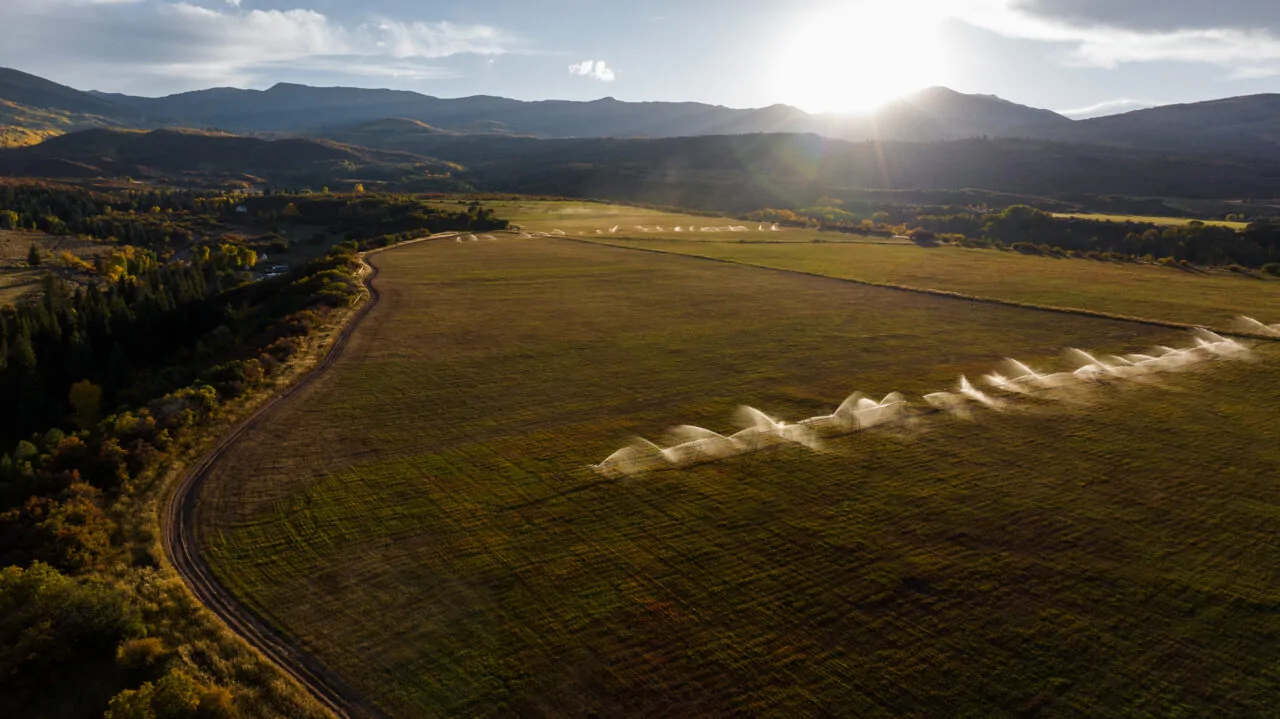
The ranch has three main characteristics: the 2,780 +/—acre main Headquarters, including the monastery and retreat center; the 437 +/—acre Spaulding Mesa, an irrigated mesa that adjoins the Headquarters to the west; and the 567 +/—acre McCartney Mesa to the south, which towers over the entire property.
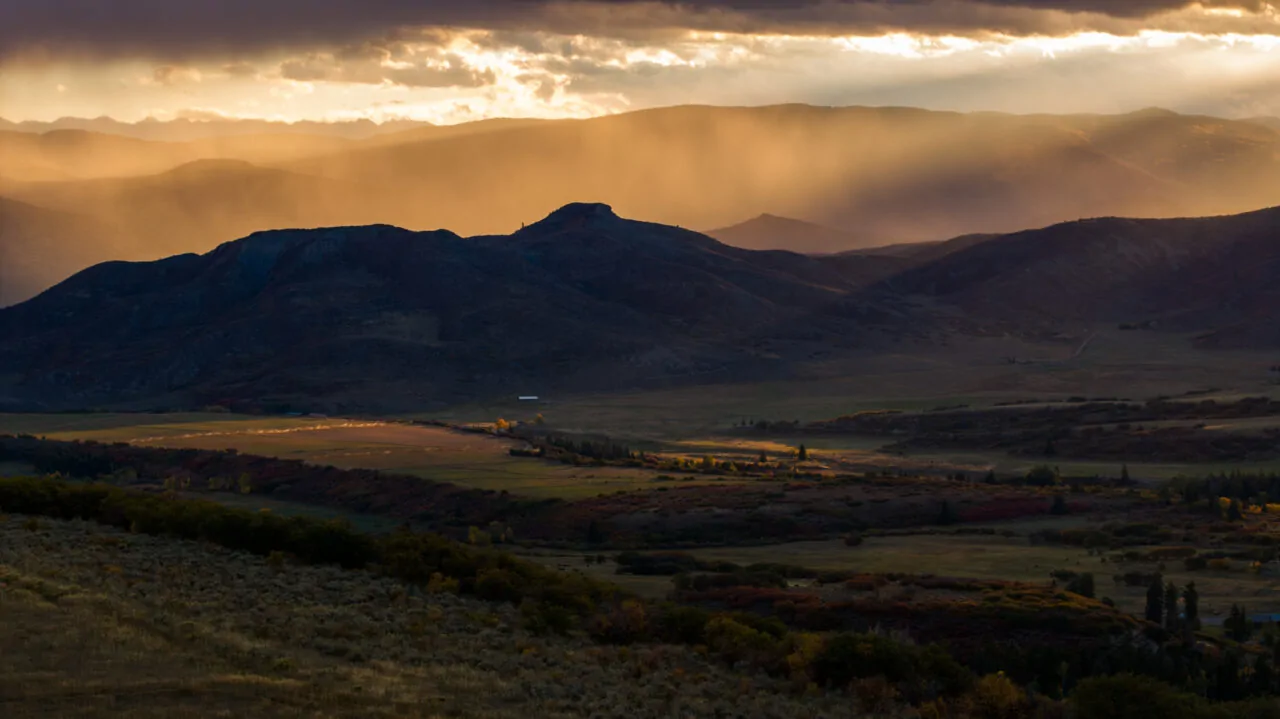
The headquarters sits in its pristine private valley, which is formed by Lime Creek, Little Elk Creek, and Capitol Creek. Small peaks and mesa tops surround it on three sides that rise from the valley floor. It includes hundreds of acres of meadows, pastures, and miles of cottonwood-lined riparian corridors. The monastery and retreat center is situated on the far eastern side of the valley, with views across the grassy acres of cattle and wildlife grazing to the surrounding mountains and mesas towering over the ranch. Brushy slopes ascend from the meadows to mesas and steep forested hillsides.
Spaulding Mesa rises slightly from the Capitol Creek Valley to a lush irrigated mesa. With its elevated nature, the property has unending panoramic views and is part of a mosaic of other irrigated farms that dominate this pastoral valley, making it one of the standout ranches for sale in the area. Mt. Sopris and the Elk Range dominate the viewshed. Almost the entire mesa is irrigated with some of the best meadows and water rights on the entire ranch. Opportunities for building envelopes are tucked within treed areas.
McCartney Mesa overlooks the entire valley. Its lofty height provides unobstructed views of the Elk Range, including Haystack, Daly, and Capitol Peak, the largest peak in the Elks. The Gore Range near Vail and the Sawatch Range towards Independence Pass are also visible. The lower reaches of McCartney Mesa, from Little Elk Creek to the mesa, are tree-covered with scenic small glades and irrigated meadows enveloped by aspens.
Transaction timeline & market context
Late 2022 – Early 2024
The Mirr Team began working with the Trappist monks in a consulting capacity, helping them thoughtfully prepare for a potential sale of St. Benedict’s Monastery. This work unfolded across several phases and long before the property was formally listed.
Our early efforts focused on gaining a deep understanding of the monks’ vision and long-term goals, how the land had been stewarded over decades, and the broader community that has relied on the monastery for generations. We also undertook a comprehensive review of title—unchanged for decades—along with county regulations, development constraints, and local land-use considerations. In parallel, we evaluated multiple land-planning approaches and engaged outside consultants to help determine how the property could be positioned for future ownership and use. This extensive groundwork ultimately informed and preceded our formal valuation.
March 2024
An exclusive listing agreement was executed, appointing Mirr Ranch Group as the listing broker representing the Monks in the sale of St. Benedict’s Monastery.
May 2024
St. Benedict’s Monastery was publicly brought to market.
2024
From the outset, the property attracted significant interest. Given its scale, location, and history, it was viewed as a truly rare offering. Interest came from a range of parties, including developers and ultra-high-net-worth individuals. Throughout the process, we set clear and realistic expectations regarding what the property could—and could not—become, ensuring transparency and avoiding wasted effort. Multiple letters of intent were received, and privacy was carefully protected through nondisclosure agreements and a rigorous vetting process.
Late 2024 – Mid-2025
The property went under contract with a qualified buyer. While that transaction ultimately fell out of contract in mid-2025, the subsequent due diligence process was significantly streamlined as a result of the extensive preparation completed prior to listing.
December 15, 2025
Shortly thereafter, the monastery entered into a new contract with a buyer who successfully closed on the property on December 15, 2025.
Insight from our team
A word from the Founder and Managing Broker of Mirr Ranch Group, Ken Mirr, who was the lead Broker on the St. Benedict’s Monastery listing: “It was a privilege to represent this incredible landscape and to further the mission of the Order and the work of the nuns and monks. It is essential to recognize the influence the monks have had on the community, both spiritually and through their exemplary stewardship of the land. This stewardship has led to hundreds of acres of surrounding ranches being protected by conservation easements in perpetuity.
The new owner is committed to the current and future care of the property, including maintaining the property’s character as a local cattle ranch while preserving habitat for wildlife.
While many tears will be shed by the closing of St. Benedict's, the proceeds will have a considerable impact on lives throughout the world.”
Concluding words from Broker Associate and Director of Operations at Mirr Ranch Group, Haley Mirr, who also worked on the St. Benedict’s Monastery transaction: “While it is bittersweet to see this chapter come to a close, there is a shared confidence that the property is in good hands and that the monks’ work will live on. Their legacy extends far beyond the boundaries of the monastery.”
Comparing to past sales

View the beautiful property
More Information
For more information about the St. Benedict's property, please take a look at the original listing page, which includes additional property details.