
Field Notes 2025: Best Land Bulletin Episodes
Read more
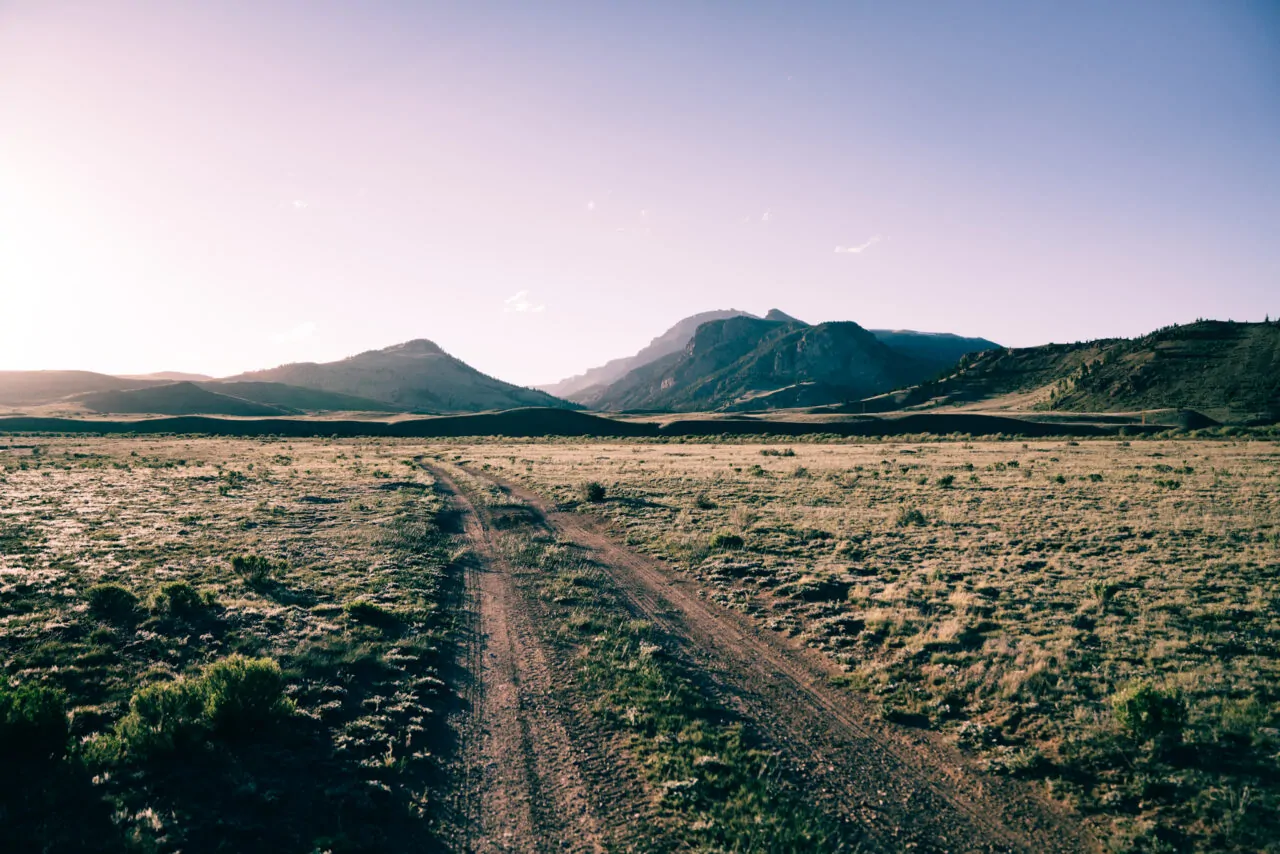
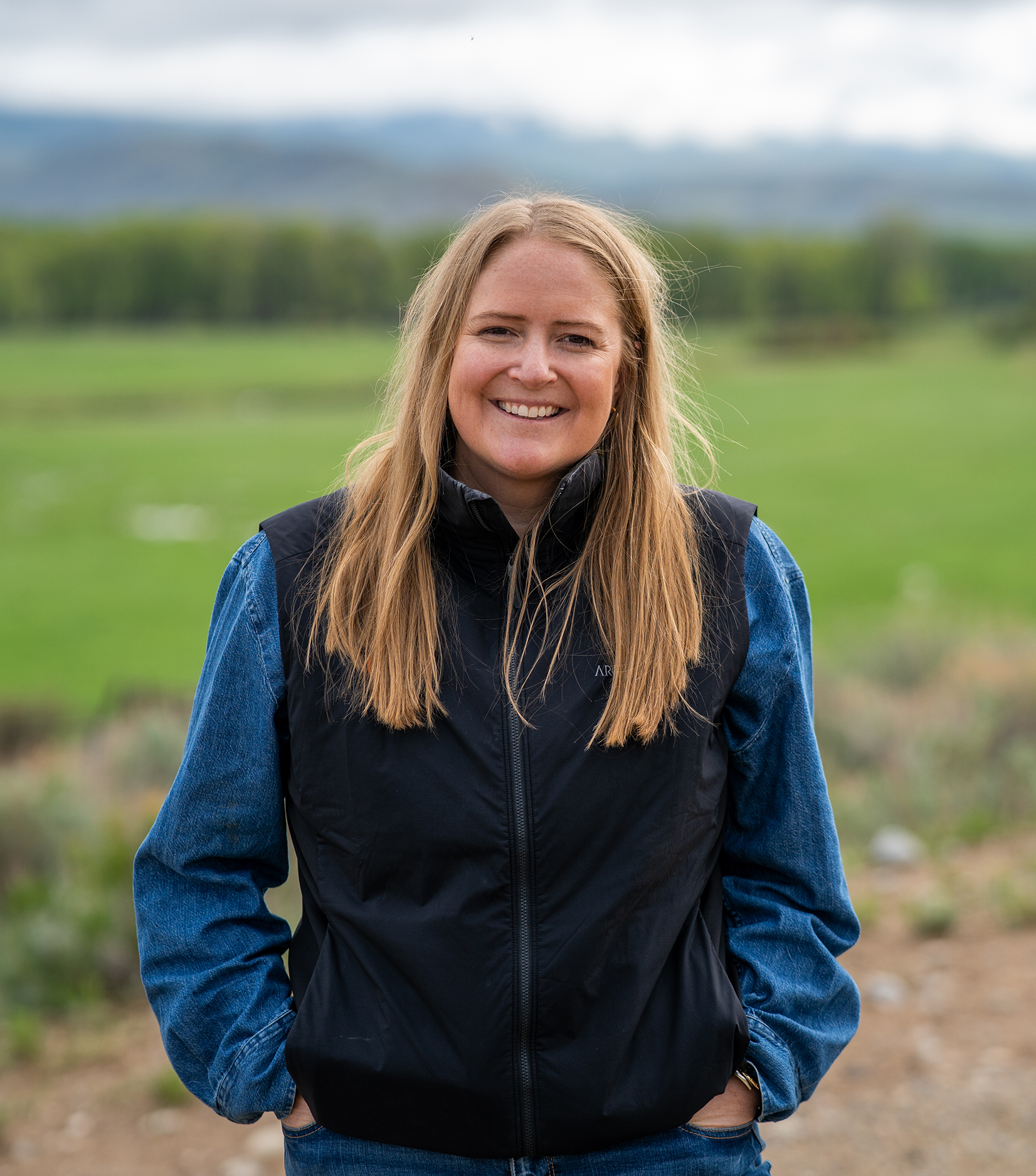


Haley is joined by Mirr Ranch Group founder Ken Mirr and longtime broker Jeff Hubbard to reflect on 20 years of ranch real estate. From early days writing handwritten plat maps to today’s digital marketing strategies, they discuss the evolution of the market, how buyer demographics have shifted, and what the changing landscape of the American West means for the future. Tune in for insights on key sales, market trends, what to look forward to for ranch ownership and conservation.
Want to watch along? Check out the full video on YouTube!
Haley Mirr (00:06):
Welcome back to the Land Bulletin podcast, where every other week we bring you experts in the field to impart their knowledge when it comes to the ranch and sporting property market, buying and selling advice, the latest, best stewardship practices, as well as topics that impact landowners every day. I’m your host, Haley Mirr. Let’s jump in. Welcome back to the Land Bulletin. I’m Haley Mirr, and today we have a special episode. This year marks our 20th anniversary as a company, so what better way to look back at it than having a conversation with two people that were here from the beginning. So welcome Ken Mirr and Jeff Hubbard to the show. I appreciate you taking the time to be on today.
Ken Mirr (00:46):
Yeah, thanks. You brought the two old dudes in. Remember your name.
Haley Mirr (00:51):
I know you both have a lot going on right now. It was kind like, oh good, a Friday. Why not? Let’s add this to the mix. So thanks for being on.
Ken Mirr (01:00):
Thanks for having real good times. Come on.
Haley Mirr (01:02):
Yeah, perfect. Well, so I kind of wanted to start, I mean, I’ve also been here from the beginning, but from a different perspective. Ken, we’ll start with you. Can you take us back to when Myr Ranch Group started, what inspired you to create the business, and then how did you kind of integrate the first brokers into the business?
Ken Mirr (01:24):
So that goes back to 2005. As I tell people, I was Russian studies major that went to law school. I couldn’t find another thing to do and ended up being an attorney and then becoming public lands. But really in 1999 is when I committed to doing brokerage. So I worked with another company from 1995 to 2019 99, excuse me, to 2005. So at that point, I had enough experience of brokering and living, eating what you kill, so to speak, but living a brokerage and understanding it. And I had enough clients around me that were very supportive of the idea of kind of creating a separate company based on some of the principles and the freedom and flexibility to do what we wanted to do. It wasn’t that I was having a difficult time with the other firm, it was more about just being entrepreneurial and just wanting to do what you wanted to do.
(02:28):
And part of it was a commitment to things that were important to me at that time. So anyways, I had a lot of say clients saying, Hey, you should really start your own. You’re good at this, whatever. So I just remember getting a buying software for how to write a business plan and just noodled on it and figured out how to start it and had some advice from people, and my dad was an entrepreneur and he did things and things. But anyways, one thing led to another and I just remember in 2005 just saying, okay, this is the time to do it. Things are going well. And I think that decision was made. I think we finally incorporated, not incorporated, but we filed LLC in records and stuff in 2005, and I can let Jeff, I met through one of a friend of mine, Dudley Mitchell. I think that’s how we met Jeff initially, right? Yep. It was Dudley. That’s right. That was 2005. I mean, did I talk to you before then? I
Jeff Hubbard (03:34):
Don’t think so. So a little backstory on that, Dudley is one of our seed investors. So I graduated college in 95 and told my dad I wanted to be an elk hunting guide, and I graduated from Vanderbilt and he’s like, so you went to Vanderbilt so you could be an elk hunting guide, hon? And I said, yeah. He said, that’s cool, as long as I’m not sending you any money. As long as you’re working, you do. And so I did it, figured I would do it for a year and then get serious. Ended up doing it for five years and starting an outfitting and guiding enterprise and worked in Texas, New Mexico and Colorado and got married in 97 and figured I wanted to have a conventional family life. So I decided to go back and get a graduate degree, which took me back to Nashville and finished that in a couple years and worked in the commercial real estate business as an office broker.
(04:37):
I was leasing office space and selling office buildings, and I actually enjoyed it. We had a good life in Nashville. One of my clients was Dudley, Dudley Mitchell, and we got to be friends and he said, man, with your background between brokerage and hunting, I got a friend that’s starting this ranch brokerage company and you ought to talk to him. So I did and flew out to Denver and we sat down and Ken and I hit it off, and that was probably in the spring of oh five. And we did some soul searching with my wife and decided to take the plunge and move from Nashville to Denver in November of oh five and started, started this business with Ken. We had Tommy Laic as well at the time, who’s still a great friend and he’s doing other stuff now. But yeah, Ken brought me in as a junior guy and put me on a bunch of listings and taught me the business and it’s been a great, great career.
Haley Mirr (05:47):
I know you guys are working, I know what you’re working on now, but what was the market? What were some of the early listings that you guys were working on? Were they a little bit different than the Dawsons and the monasteries of the world?
Ken Mirr (06:02):
Well, we do just about anything, right? To earn a living in some respect, but, well,
Jeff Hubbard (06:12):
It’s funny, I remember having a conversation with Ken. I mean, when we first started out, the way we marketed these things was through these magazines. I mean, we had a website, but I remember having a conversation with Ken, boy, I think this internet’s going to be the way this stuff’s going to go. And he said, yeah, I think you’re right. But it’s amazing. When we started, everything was Rocky Mountain Farming Ranch. I mean, that was how we, and we had brochures and direct mail and all of that, and the good old smiling and dialing. We used to do that, still do it. But yeah, it’s amazing how it’s evolved over the years.
Ken Mirr (06:53):
Two-sided brochures, front and back kind of thing. There wasn’t as much, I say, competition, it was just early days of some of that ranch brokerage where we were competing with gentlemen and women and gentlemen, people who were really ag background. I mean, these were people who also helped sell cows. I mean, they were a full kind of service for some of the property owners, and it was just a different time. Then there weren’t resort brokers trying to sell ranches and things of that nature. It really very still is a very specialized business, but some of these folks that I had met from my days practicing law or doing public lands, and you just knew them long enough to have an opportunity to represent ’em. But Jeff’s funny, we were talking about the internet back in that day. You create a website, but it was so difficult to modify that we were paying so much that there was no WordPress back in the day, and every time we had to make an amendment to the website, it was a big deal.
(08:05):
It took a while. You’re prisoner of somewhat by what you had up on the website. And I remember even thinking about legacy properties or legacy ranches and fine sporting properties, just coming up with that terminology, looking at Gray’s Sporting Journal when they used to talk about fine sporting properties, like, oh, I love that terminology and legacy ranches. I mean, I was influenced by those things in saying that’s kind of what we’d like to these ideas. And they still are general motivating philosophy for what we try to do today, but coming up with those bylines and things like that, those were the things that we spent time on.
Jeff Hubbard (08:45):
Oh, Ken, man, you grind it and grind it over that stuff and
Haley Mirr (08:54):
That terminology.
Jeff Hubbard (08:55):
Oh yeah. But it worked out, and I was lucky to be a part of the nascent stages of the,
Ken Mirr (09:06):
Well, given the name, I was going to call it some Western ranch thing, whatever, I had no idea, but worked with Terry Barnhart, who was an advertising agency, and his wife Carly helped do our design work, but he said, no, you need something to remember. Some of this stuff’s all going to get collectively just there’s going to be so many ranch names that you just won’t even know what the heck it is. And I just looked around at the commercial space and all Cushman and Wakefield and these old names even Fuller, and I thought, oh, they all have their names on it, so you kind of remember it versus like I said, commercial real estate, blah, blah, blah. You just don’t, and that’s kind of how we did that.
Haley Mirr (09:48):
Yeah. Well, it’s just so interesting how even the inspiration you got for verbiage then and where it’s gone now and how we rely on data to inform how we talk about certain ranches and how we do our SEO, it’s just even that aspect has changed so much from when you guys started to where it is today. So it’s just interesting to watch that kind of growth. You were saying that the market space was a little different, especially with the kind of brokerages that were out there. What were the landscapes like? Was it as our bread and butter are these 5 million ranches, but back then you could get some big ranches for not that much money. What was it like from that perspective? Back in 2005,
Ken Mirr (10:36):
I think Jeff and I were when $2 million was a big deal, a million and a half, whatever, and then you get to five and we all have those things. Oh, then you had a 10 million deal, and I remember the first 20 things of that nature and what you realize, at least what I realized, that it’s the same process, somewhat a different buying pool and they have more zeros. That was always my kind of thing. It wasn’t really any, you just had to accept that you didn’t get so enamored with, oh my gosh, I’m working on this. I’m enamored by the landscapes more than I am. By number sometimes is the size of the transactions and the properties that you’re working on, that’s what kind of motivates you. But yeah, we were, like I said, we weren’t taking everything. We were still abiding by that legacy ranches or vice board properties, but we were trying to find kind of unique properties and vet them. We were still vetting and saying, is this something? Remember Jeff, we’d still sit there and go, is this something we really want to do? Even at the beginning days, we didn’t just take everything or anything. Landscapes have changed. You were saying about Rocky Mountain Farmer Ranch and the only other periodical was the Western Livestock Journal magazine,
(12:00):
Right, properties. That was it.
Jeff Hubbard (12:04):
And the demographic of the sellers has changed.
Haley Mirr (12:11):
It’s
Jeff Hubbard (12:11):
Really evolved. I mean, when I started 20 years ago, a lot of these trophy properties, properties for which the highest value use is recreation, fishing, hunting. I mean, they’re all production properties, but most of the sellers back then were producers. I mean, these were cattlemen and guys that were eking out of living making $60,000 a year on a ranch that’s worth $10 million. So it was an interesting experience and that unfortunately, a lot of that’s gone. Those are kind of the good old days. And it was challenging because a lot of these people were born and raised on these properties and in their seventies and eighties, and there’s a lot of emotion that would go hand in hand with unloading these places. Yeah, I mean, he goes from making 60 grand a year to sticking 10 million in his pocket, but then it’s like, what do you do now? You go sit on a beach in Hawaii or Yeah, I can do that, but I’d rather sit here and punch cows until I’m dead. That’s John. That
Ken Mirr (13:24):
Was John.
Jeff Hubbard (13:25):
Yeah, that we had quite a few like that and the buyers, and I’m a capitalist. Great. I mean, buyers tended to be wealthy people who wanted a playground as they do now, but it was interesting to experience that sort of shift in the
Ken Mirr (13:43):
Market. That’s a good point. The shift, you’re right. There were a lot more producers or really old traditional
Jeff Hubbard (13:49):
Owner producers,
Ken Mirr (13:51):
Ranch owners that were in oil and gas or something. Those were kind of one reason or another. You think of the giant from book from Texas. They were old traditional ranchers or had a lot of money too because they have gas interests. But boy, once you hit in the two thousands, the selling group, what happened was they were just selling to more high net worth individuals and now what happens, so much of who we represent have become the high net worth individuals who are now have owned it for 20 years and now are reselling and putting back on the market. And so you’re right, the buyers and sellers have changed. And I think what I’ve learned too is that the amount of wealth that’s been created worldwide has dramatically increased since early two thousands, even 2005 to the present day. And you’re just, you see it, right? I laugh. I grew up in a blue collar area of northwest Indiana and owning your own auto body and paint shop was a big deal back then and how you get around some of these folks that have this wealth and so they can purchase, but they also demand then from you. These deals demand a degree of understanding of what you’re selling and what you’re marketing.
Haley Mirr (15:21):
And I would say another thing that’s changed a lot is the availability of data from water rights to assessor information to accessing these documents. And I think the fact that you guys, back in the day, I was talking about my first memories of you doing this job, dad, and it was all about you had reams of maps in the basement and you had assessor records that you had printed out, and you still to this day, print everything out and it drives me crazy. But because you guys had to do all of that, I mean the market and the system way more than some of these younger guys who have relied on some of this data just to access it that easily. And in some cases you struggle with some of those online things, Ken, I know you specifically, but the fact that you know, all of this already mean
Ken Mirr (16:13):
Apps
Haley Mirr (16:14):
And how to get that. I mean, that even has changed since 2005, especially because I think this industry in particular ranching the ranching kind of world, that data was kind of the last frontier for a lot of this. Like the assessor sites, the internet came on the scene, all these things changed, but some of that stuff took a little bit longer to get.
Jeff Hubbard (16:37):
I’ll never forget, Ken and I both, we would divide and conquer and go sit down in the courthouses and pull out the assessor’s maps and plat maps, and it was such a fragmented, inefficient space at that time. None of this stuff was digitized. I mean, no telling how many courthouses I’ve been in, and it changed pretty quickly, but I mean especially the first two or three years, I remember sitting in Albany County courthouse in Laramie, Wyoming, and man, it was right when I started and I liked that area. It was a great elk hunting area and I just loved it, man. I was just sitting there looking at these maps and these landowners and trying to figure out which tracks were cool and which ones would be great elk hunting places and just you didn’t phones, you didn’t even take pictures of the stuff with your phone back then. You paid to have copies made of the owner’s names and the maps and so forth. And I just loved it. And reaching out to those and dealing with ’em and just really out of charge out of it. I know it was in the right spot, but yeah, it was very different back then. Now you just go to land ID and it’s all at your fingertips.
Ken Mirr (18:01):
We bite donuts for Betty Joe down at the cafe. Yeah,
(18:08):
We bring ’em in. Hi ladies, I’m here again today and you pull out and you copy these. And the funny thing is those platinum maps would just have schedule numbers on ’em. They wouldn’t have names, so then you have to go to the second process of taking those schedule numbers and applying the names to ’em. But were those are what you saw. What I had originally were those big plat map because I would write the names of people in those things and you’d kind of keep track of them, but you could also see it taught me how to look at a map and see what you wanted to see. You could tell quickly, oh, that’s a good property. You could match visually. We didn’t have the forest service that we used as exhibits. We used to have tape and we’d have exacto knives and we’d border in. That’s how we did our norms and things like that. That was the marketing department back then.
Haley Mirr (18:59):
Yeah. Was there a marketing department back then, just out of curiosity? I know it was like a little combo.
Ken Mirr (19:07):
We had people doing it for us. Yeah, actually we had some folks would help do that for us. It at the time
Haley Mirr (19:18):
You were outsourcing. Well, and I’d love to know now things are a well-oiled machine, but I know there were times where this wasn’t the easiest job to have, especially growing up in it as a kid. But 2008, I know that was a really hard time. We thought that same thing would happen during Covid and the exact opposite did. But can you guys tell me a couple of moments throughout the 20 years where this was kind of a harder profession and people weren’t really looking at ranches? I’ll start with you, Jeff.
Jeff Hubbard (19:55):
Yeah, obviously we had the mortgage crisis in 2007, 2008, and the residential real estate market fell apart big time. We maybe saw a tiny correction in our space, and it speaks to the muscular nature of what we do of land. It just doesn’t get hit like other spaces generally. And so we’ve slogged through and survived that. It did slow down a little bit, but came roaring back. And then of course in 2012 we had another recession and our space held up beautifully then. And of course it was the Momo days of Covid were just wild. And I would actually say the slowest in my 20 that I’ve experienced would be the post covid kind of hangover because we had this weird situation where we had a ton of absorption during Covid. Everyone wanted a ranch, of course, get away from everybody. So when Covid basically went away, we had this weird scenario where we had very low inventory but also very low demand, and we’re pulling out of that now, but the market’s improving by all accounts. But yeah, it’s interesting. I mean, I think the takeaway is that ranches, land farms just pretty steady.
Ken Mirr (21:30):
Yeah. I just remember though at that period of time, I think I had all kids in private schools and I was like, okay, how am I paying for this? And you can’t put a gun out. Is somebody saying you got to buy a ranch, right? At the time you think about residential, people move and take new jobs and things like that as they grow their family, they have a need, they got to buy commercial real estate, right? A company expands, they move to another place. There’s a demand other than producers wanting to expand, you have to buy a ranch, right? Do you have to buy a recreational property? No, you don’t necessarily. But there is that attractiveness to it, like you said, the hedge against a lot of different things. And you had the early pioneers of folks like Ted Turner or John buying properties and everybody starts saying, well, maybe that is a good idea, maybe what’s with this?
(22:32):
And that’s eventually get led to land report during the land report 100, and then people saying, oh, land is a good to this day. The funny thing about all this is even as an investment, I just look at land ownership of land in the United States as being a very unique opportunity just globally when you look at a lot of other countries where you have a difficulty and lack of security in that investment where it’s so secure here. So that’s what we attract international people too. But for the most part, most of our clients are all kind of US based. But I was worried, I remember even some of those days when maybe because 2005 we were starting to get a nice rejection, things were happening and then oh eight hit oh 7, 0 8, I remember hearing it on the radio. I was up in Winter Park. I’ll never forget hearing them when the market collapsed. It was like at a McDonald’s winter park after we were looking at a deal. I just remember certain things like that. And then we had to look at fixed costs and just making sure that we could get through this. And that’s when those things, even when my dad starting a company back the sixties and seventies and when they had to go through things, you remember those conversations when they had to get through them, those recessions that were really big. Even when I went to college, there were recessions in the seventies that were really terrible. And you just know
(24:01):
College. Yeah, sorry,
Haley Mirr (24:05):
You’re showing your age. Yeah, and I would say though to both of your points, I think it is always been this really nice investment that people feel good about. And what’s been interesting is you guys have been a part of this transition of wealth and ownership, like Jeff was saying, from these operators that sold to these ultra high net worth and then these ultra high net worth who are getting to that point where they’re looking to sell too. So it’s kind of been this interesting trajectory to watch this transfer of wealth happened too, and people recognizing how good of an investment land has become. And that brings up a point. I’d love to know beyond just the big deals, and let’s talk about those too, but what are some key milestones that you guys have both had throughout your career here at Ranch Creek?
Ken Mirr (25:00):
You know what I just recall back in the day is we thought fly fishing properties at first were the big deal, and then you learn that and the hunting ranches in order to control the habitat, we had started expanding into, that’s where you guys led that charge. Like I said, you live in Colorado, you think of these fly fishing streams and stuff like that as being like, but they’re small in comparison to the level of habitat involved because we’re not like Texas where we can have these fenced in game preserves, the wildlife republic here and knowing that they’re going to move from place to place and forest service to forest service and property of the property. I just remember seeing that and realizing having an aha moment with you all focused as well and heavily as you are on those projects that it just started to expand. Some of those things were up in even Wyoming doing some of those transactions. Remember up at Sheridan and hitting some of those up there.
Haley Mirr (26:12):
I’m looking at, I have a cheat sheet that Muddy Creek Ranch was one of your bigger ones at the beginning.
Jeff Hubbard (26:19):
Yeah, that was a great ranch. How big wasn’t that big?
Haley Mirr (26:24):
That was 3,700 acres, but that was one of your bigger sale prices up near Buffalo.
Jeff Hubbard (26:31):
What was the price on that
Haley Mirr (26:33):
One was? It was 6, 7, 5.
Jeff Hubbard (26:37):
Yeah, probably worth 25 million now. And I loved that ranch. It was on Muddy Creek, crazy Woman Creek, just a little west of Buffalo, and it was a nice deal. We did that together, Ken. I think we had a lot of base hit places like that. Ken and I have both had some really monster thank goodness deals over the years. I think about Caribou Ranch up in Meadowland area, six shooter ranch in Mitchell, Oregon just east of Bend, Oregon. That was a big one. That was about 40,000 acres, I think, 25 million if I’m remembering right. And then Ken had Ken, you want to talk about J Canyon a great one now? It was,
Ken Mirr (27:42):
Yeah. Once you got I think Trees Ranch, I was in Utah. I always thought Utah landscapes were interesting and neat. We worked on the Thunder Ranch together, Jeff too, which that was an interesting deal was when we started breaking into Utah. Thunder was right there off of the green right when it came out of the National Park, and it was a heavily irrigated place. I shot my first elk out there.
Jeff Hubbard (28:16):
Yeah, we were together. And I ended up, I was kind of a selective snob about this side and elk, this really interesting place. I dunno, a thousand acres of the most beautiful alfalfa you’ve ever seen surrounded by a big swamp in a big bend in the Green River. And I mean there was 300 head of elk on this thing that never left and quality elk as well. And the owner was nice enough to let Ken me hunt and I was looking at a bull and he was pretty big. And I thought, this is the same afternoon Ken killed his man. Do I want to shoot that thing? And I’ve said to not shoot it. And then next day another guy shot it. It was bigger than I thought, so I’ll never forget that was a mistake. But no. Yeah, I’d forgotten thunder. That’s a great point. That was a fun one to do. Ken and I spent a lot of time out there and that was a very interesting place. And when you were talking about that, I thought about Fish Lake Wrench. Which Spider Bowl? Yeah, we sold that. That was in Central Utah. No, they’re just awesome property. I mean, one of the best places I’ve ever been involved with. Not huge. I don’t know if you have the specs on that one handy.
Haley Mirr (29:53):
I do. That one was 8,000 acres, but that might’ve just been deeded.
Jeff Hubbard (29:59):
Yeah, I mean so big enough. Do you remember, do you have what it sold for?
Haley Mirr (30:04):
Sold for 7.5.
Jeff Hubbard (30:06):
Oh my God. Yeah. That place a trade for 30 million. Now probably, I don’t know if the owner’s going to watch this or not, but
Haley Mirr (30:16):
Maybe we should just go through all the old ones and then
Ken Mirr (30:18):
Send it to those
Haley Mirr (30:19):
Donors.
Ken Mirr (30:22):
That was a reflection of a little bit of Utah too. That was like a hole in a donut. It was private land in the midst of a big national forest area. And some places in the United States you can’t find that. And that’s where you could see some of those places, these landscapes, if you look at a map, I always tell people, look at public land maps and understand what they’re buying into and understanding that. But that was private all surrounded by public and they had those opportunities because of the hunting units out there and how they have that not ranching for Wildlife. I see WMU so you could get other tags. So those are things when you start learning about state laws matter, the type of hunting that they offer and the unique licensing opportunities. And then Utah just really has those kind of unique opportunities.
(31:12):
I even sold, one of the big things for me was like the Trees Ranch, when we first sold that, and that was only like 2200 acres, but it was essentially adjacent to, it is adjacent to a national park and it had parts of the Virgin River flowing to it had a 40 acre lake, it was next to a wilderness area. It was ideal. And in that situation, you’re looking at local comps, but then you’re looking at national comps and this is where you start broadening out your search, what is a comp and things like that. And saying, well, what trades next to a national park and what does that look like and what do those values look like? And that was a kind of an aha moment for me too. That was one of my first bigger scale, 20 plus million. But it was a gem and it still is. It’s one of those unique properties that hopefully you have an influence on its stewardship, but if you can, and just even dealing with the clientele and who bought it and things like that. Well,
Haley Mirr (32:25):
I mean you guys have worked on a lot of cool landscapes and model met a lot of interesting people along the way. What is your vision for the next 20 years of Myr Ranch Group or at the market in general? I mean, where do you see the path that you guys have already taken going down the road? We’ve already talked about transfer of wealth, we’ve talked about how the landscape has changed just from buyers and sellers and who’s buying these things. Where do you see it without a crystal ball and kind of projecting numbers? Where do you see this headed?
Ken Mirr (33:01):
Go for it.
Haley Mirr (33:05):
I know it’s a big question.
Jeff Hubbard (33:06):
Yeah, I mean, I don’t think this company’s going anywhere but up onwards and upwards. And I think we’ve got great people and we do a great job for our clients. And with respect to the market in general, I touched on it before, I just think this space is kind of steady and we’re not in terms of valuation on these places. You don’t have the peaks and troughs. It’s not lumpy. There are no hockey sticks. It’s just a good, safe, strong space. I mean, when you look at the average annual appreciation in Ag land over the last 50 years, it’s something like six to 7%. And it’s not liquid. It can’t really compete with the stock market in that way, but it’s not considering the risk profile risk reward, it’s a pretty attractive deal. And I don’t think we’re going to see any problems in our space, hopefully in our career for the balance of the short balance of our careers. Ken, hopefully long balance. But no, I’m very bullish on ranches and land and still love doing what I do. I love the people. I love the land. I love the animals on the land and the culture of this part of the world. I think it’s just a very neat and attractive thing for buyers.
Ken Mirr (34:55):
Yeah, I think they keep talking about, well, aging population of landowners, but just aging population in the United States with wealth. So there’s a wealth transfer. And I just also see there’s kind this new reallocation of land. It goes with it as well. You think back in the homesteading and people were homesteading coming out and the great surge of people coming out. But I just see now with areas of Colorado where the values have gone so far up that the fourth generation, fifth generation rancher saying, I don’t know if I want to continue to compete with this. And they’re also saying, wow, I could liquidate. And what’s happening though, they may be liquidating here in the mountains of Colorado or any area that’s heavily influenced by resort markets and then moving to another area where they can continue to do what they do. And so we’re seeing that transition, but we’re also seeing a transition with different kind of management.
(36:02):
So these ranches still actually have cows on ’em, right? When new folks buy ’em, they’re hiring managers or they’re hiring local ranchers who are still there in those valleys who can still sustain themselves and sustain their families on ranching. And they will be their operators and they’ll work with them on leases and some cost sharing arrangements with production of hay. And so it still provides them this livelihood that they can still work and have these traditions in these markets, in these areas. And I just see continue to see, and people who are providing different methods of grazing and there’s now even search or research going into what other type of things can be grown that are less resilient to drought or more resilient to drought. The water rights issues that we see are going to continue to be issues, especially if you’re looking on a Colorado River drainage situation where you’ve got the upper lower basin states competing.
(37:11):
There are all these things that you read about in the newspaper every day, and we still need agriculture too. We still need ag in our lives. And so I think you just, hopefully the folks that continue to buy these things, I think it’s incumbent that they understand what their stewardship obligations are. And that’s what I think is fun to be a part of as we work with folks and knowing what they have and how to maintain it. Because in the end, the production that you do on an annual basis is fine, but the value is in the land. It’s in the resource, and you got to protect that resource, what they have in the end. That’s where the value of these properties are. And I think there’s that new focus or continue to be that focus because these new buyers don’t know what that means. And they’re like the new Johnny Apple Seeds, I call ’em. It’s fun to have that transfer of knowledge going on too to these folks, and a lot of ’em are really, actually genuinely interested in understanding what that means.
Jeff Hubbard (38:20):
Yeah, it occurred to me there’s this sort of general trend in humanity. I think in the context of where technology is and the reality that, I mean, the advances are just extraordinary and the ways we communicate and the way the ways we work, sometimes it’s a little off putting the ability, I mean, there’s so much about it that’s wonderful, but at some point between AI and everything else, at some point, when are humans just going to be sitting there 24 7 with a helmet on whatever they want happens? And that being so I think that people are yearning to get back to the basics. And I don’t care how sophisticated that helmet is, it’s not going to be trying to call in an elk. It’s not going to be sheep hunting and the Rocky Mountains. It’s not going to be putting a fly in the water on a beautiful stream. There’s no way you can do that other than to actually do it. And a lot of humanity’s kind of gotten away from that. And I have a sense that people want to get back to that. So I think that bodes well for what we do, and it feels good.
Haley Mirr (39:53):
Yeah, I’m sitting right now, Connor Coleman, shout out Resiliency lands, but I’m sitting on his ranch right now that he manages, and we live in the city. We live in Denver, and it’s even up here. We are here to feed his horses and be outside. And it’s just been nice to be still. And I think people forget that sometimes is that stillness piece. And there’s no other investment where you can park your money, make an investment, and enjoy it while you do it. You’re able to kind of breathe. And I agree. I have friends who have brought up the AI and how it would interact with our business. And I really, other than writing blogs, which it does help with, I don’t really see technology ever taking the place of what this is. So I love that you said that, Jeff. And I guess just looking back and forward, other than being great dads, what do you want your legacy to be in this space? I know you guys have done a lot already. You’ve touched a lot of lives, a lot of landscapes, but what do you want your legacy to be in this industry? I know that’s a lofty question for a Friday morning, but
Ken Mirr (41:10):
You’re wearing a white hat. You ain’t wearing a black hat from the standpoint of what you’re trying to do. And so if you can have a positive influence, I think these landscapes, I have very good friends, as you know in the conservation arena who do things. I’m on the board of Colorado Mak Land Trust, and I’ve been on a lot of different boards over the years, so I just wanted to see that. Hopefully you just look back and as we look on these favorably, I look back on some of the transactions. Some of ’em I wish I could have done a little more like to help to ensure some stewardship, but you’re not in control of the lands. But matching these buyers to the landscapes are just a pretty wonderful opportunity to do so. That’s how I’ll look back at it. As I drive down the highways and stuff, I can go, oh yeah, I was involved in that. Now this is operated as such, or it’s protected or however it’s going to be. At least I know I help facilitate that
Jeff Hubbard (42:14):
Work. There’s a lot of dignity in work and people, whether you’re the hedge fund billionaire on the Wall Street or working at McDonald’s work is, to me is all about people and being honest, understanding your trade, working hard to be good at it and smart about it and helping people. I mean, obviously we are compensated accordingly, but honesty and integrity and interacting with folks and teaching them things and helping them make good decisions. I mean, that’s like the music of life, and that’s what I hope my legacy will be in the business and continued success, we hope. And I’m going to do it as long as I can. At some point. I’m guessing there’ll be physical. It is sort of a physical job in a lot of ways. There can be, but a lot of time on the road back problems, knee problems and all that. But I’m still kicking pretty good. So I hope we, you’re 52, we have a lot Gear 62, but I was cutting guy for years, man.
Haley Mirr (43:39):
Two hip
Jeff Hubbard (43:40):
Replacements on the same side. Now I’m doing well. But no, I don’t ever plan on retiring, I’ll tell you that. As long as I can do it and do a good job.
Haley Mirr (43:52):
No, that’s great.
Jeff Hubbard (43:53):
That’s a
Haley Mirr (43:53):
Good point. And you guys are spreading your knowledge too right now, which is huge. So that you’re working with Young Raza, you’re working with me, Ken. It’s fun just to kind learn from you guys and continue your legacy throughout all of this. It’s been really awesome to work with both of you. And just as a full circle, our vision at Mar Ranch Group is to be the most trusted advisory partners in Ranch real estate. And I think you guys have really set the groundwork for that. And I think this conversation has really brought that to light about how much you guys have done to strengthen your knowledge of this industry and where it is now and why we are the trusted advisory partners in this industry. The competition has gotten, there’s a lot more people now trying to do what you guys do. So to continue that path of just trying to know what we’re doing to the best of our knowledge and to be the best out there,
Ken Mirr (44:52):
Yeah, I would’ve gone to South America had it not been for some of this. And getting to see the places that you get to see to meet the people that you get to do to learn the things that you get to learn. I mean, I’m still learning, too. Geez, we’re working on projects right now.
Haley Mirr (45:12):
Did you ever think you would be working with monks on their transfer of ownership?
Ken Mirr (45:19):
The thing about that too is I ask ’em about the landscape of how they take care of it, but I ask them, how did you commit to being a monk? I really wanted to know. It’s fabulous to have those. It’s funny working on that though. I remember going to hike up there for years ago, and I always go back to Monster and go, wow, what a fabulous place, how unique? And then to be able to work with them. And then you’re looking at the landscape, but you’re also realizing these are people and the monastery, how I do right by them, and how they can take this resource and fight for their rights too.
(46:04):
But the curiosity doesn’t stop. I mean, seriously, I have conversations with them about how do you become a monk? And I’m really interested in who they are beyond and then seeing what they’ve done. But I think it’s true with any of the old families and even the newer generation that owns, there’s a reason why they buy these things and understanding that that’s just part of it as part of it. But the legal aspect still, I’m still fascinated. We’re working with a gentleman right now who might not have the money to buy something, but he would love to raise funds to maybe have a funding to purchase portion of it through federal and state. Now we got to worry about a little bit, right? We’re talking about some of our issues right now. Where’s the funding coming through? You got a new administration. Those things don’t stop. And you have to be smart enough to identify where those issues are as you work on projects so they can get very complicated. And just knowing that process is really important. And that’s the thing, isn’t AI going to
Jeff Hubbard (47:10):
Take care of all that?
Ken Mirr (47:12):
Yeah,
Haley Mirr (47:13):
You should just be able to plug it in and be like, how do I handle, handle?
Ken Mirr (47:15):
Are you lawyers out there better
Jeff Hubbard (47:16):
Start looking for a new job?
Ken Mirr (47:20):
I signed one. Thank you,
Haley Mirr (47:22):
Nvidia. Awesome. Well, I am just excited to see all the different projects that you work on, the landscapes that you work on, the people you meet along the way, and I really see the next 10 years being even more successful, especially seeing the trajectory you both have gone down. So thanks for letting me learn from you today and every day, and I look forward to the next 20 years.
Jeff Hubbard (47:49):
Thank you, Haley. Thanks so much. Thanks. Great being with you guys. Thanks Hub.
Haley Mirr (47:53):
Thanks guys.
Jeff Hubbard (47:54):
Yeah,
Haley Mirr (47:56):
Thanks for joining us today. To learn more about the ranch real estate market or our ranch marketing process, make sure to subscribe to our newsletter on our website @ mirrranchgroup.com
Be the first to see the latest Ranch news and advice
 0
0
Start saving properties by clicking the + button on any property page.