
The Colorado River: When the Numbers Don’t Add Up
Read more
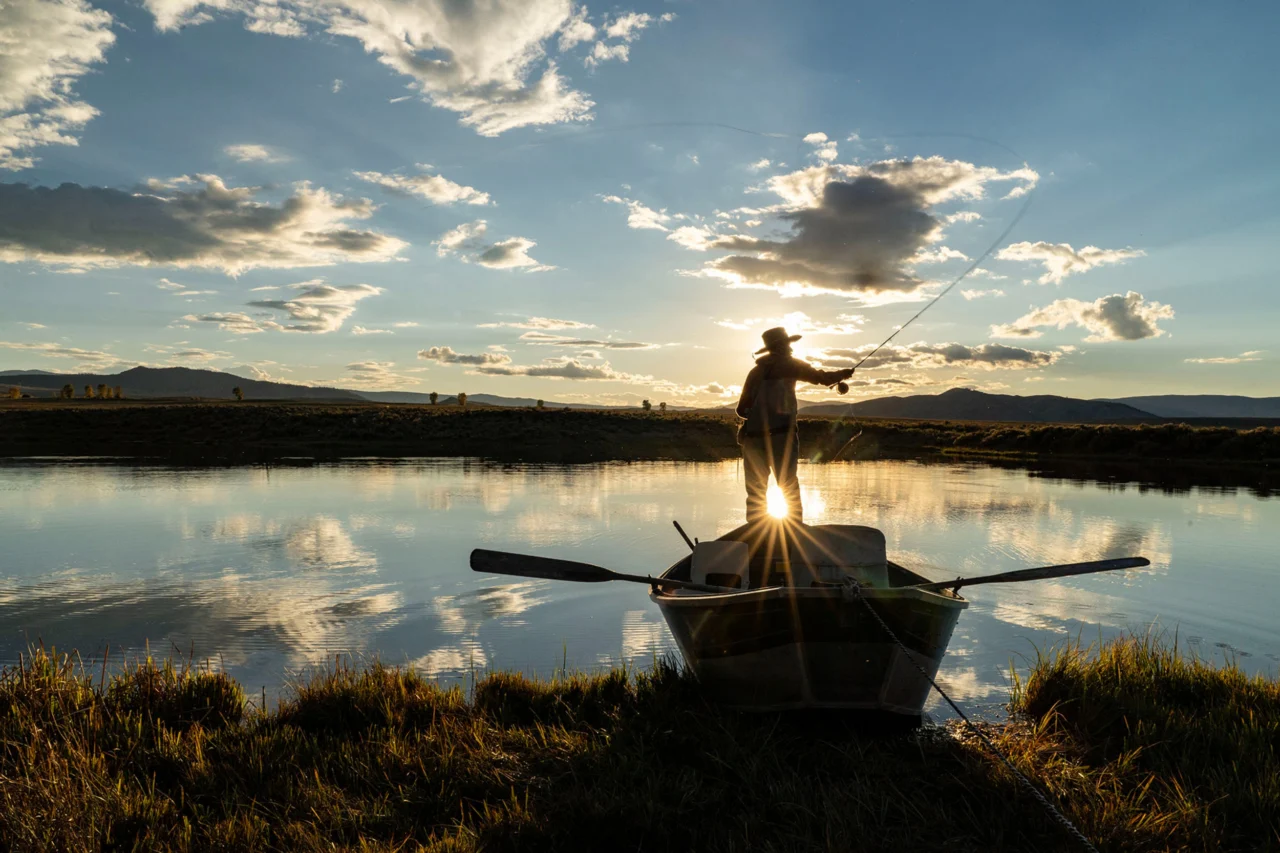
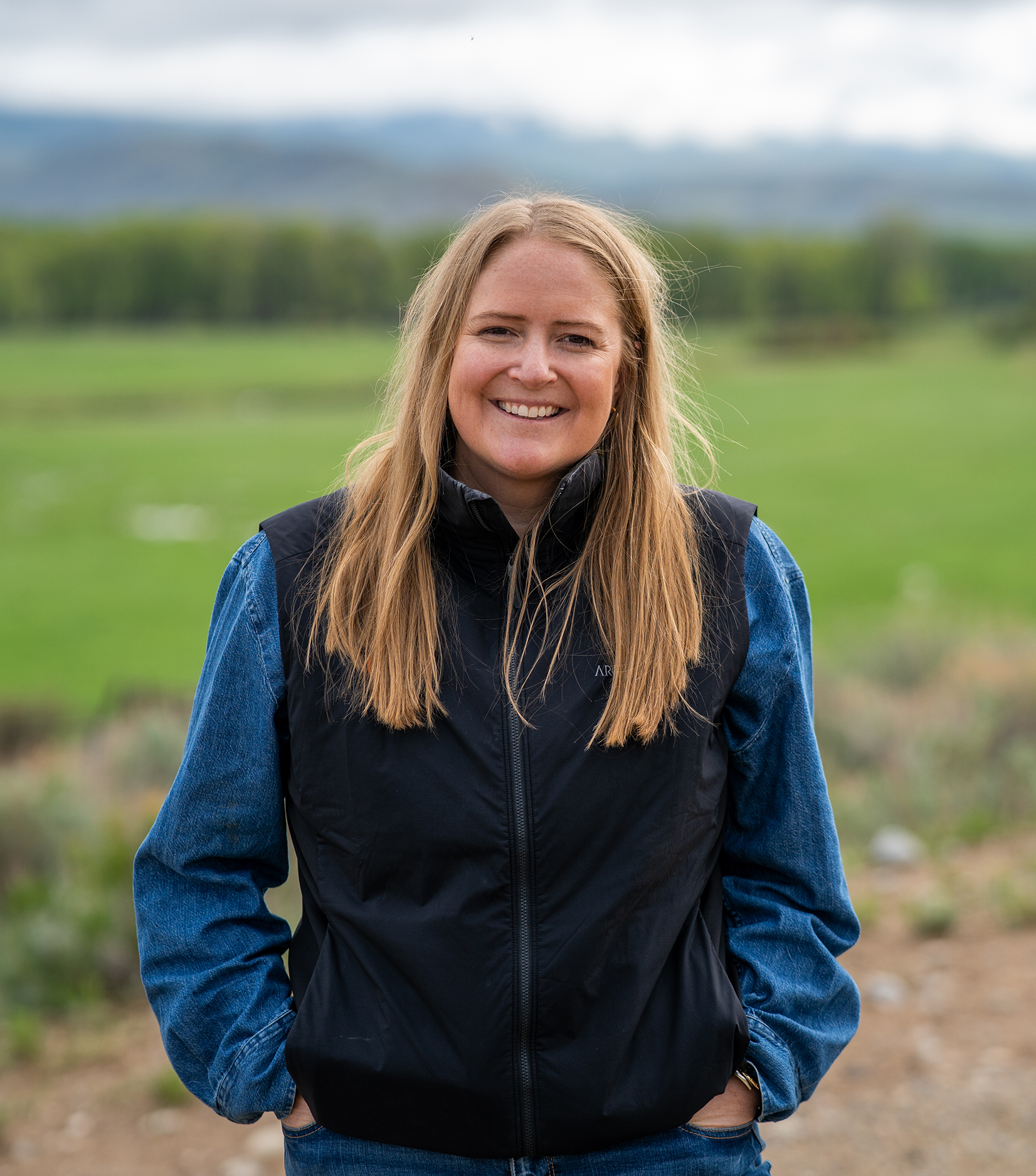


What does it take to run a ranch? This week, Haley is joined by Paul Bruchez of Reeder Creek Ranch for a deep look at what a full year of ranching really looks like in Colorado’s high country. From calving and irrigation to hay season, community collaboration, and conservation work, Paul shares how his family balances production with long-term stewardship—while embracing the beauty and rhythm of the West.
For six generations, the Bruchez family has cared for this landscape, testing drought-resilient forage, restoring fishery health on the Colorado River, and building partnerships that support both wildlife and working lands. This candid, thoughtful conversation shows that running a ranch is far more than a livelihood—it’s a legacy and a responsibility.
Links
Reeder Creek Ranch
Want to watch this episode? Check it out on our YouTube Channel!
Haley (00:06):
Welcome back to the Land Bulletin podcast, where every other week we bring you experts in the field to impart their knowledge when it comes to the ranch and sporting property market, buying and selling advice, the latest, best stewardship practices, as well as topics that impact landowners every day. I’m your host, Haley Mirr. Let’s jump in. Welcome back to the Land Bulletin podcast. This is Haley Mirr, and today we’re going to be looking at a year in the life at Reeder Creek Ranch, one of our listings that we have up in Grand County. We’re going to be looking at the daily realities of owning a property up there, balancing production with conservation, and how the rhythm of the year shapes life and decision-making on the ranch and helping me out today as a family member of the Bruche family and my now friend, Mr. Paul Bruchez. Welcome to the podcast, Paul.
Paul (00:54):
Thanks, Hayley. It’s a pleasure to be here.
Haley (00:57):
Before we get into kind of your year in the life and everything that your family does to run the ranch, I’d love to know in your eyes what makes this property really unique when compared to other ranches kind of on the market or just in that region?
Paul (01:15):
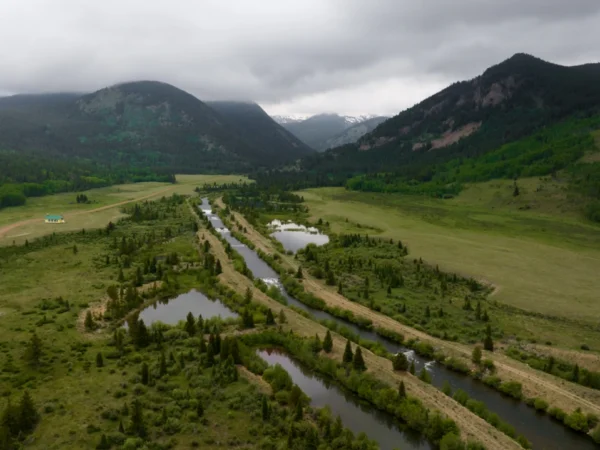
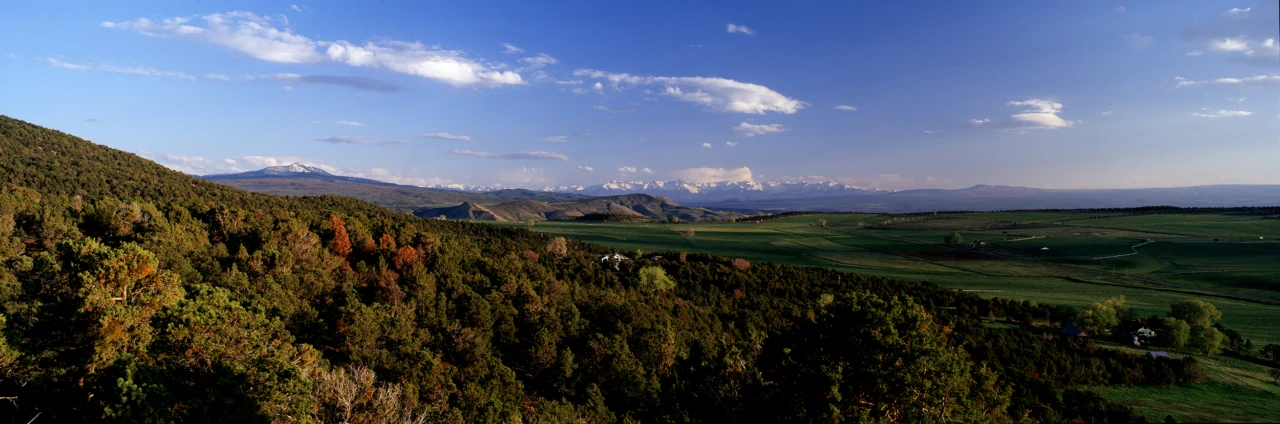
It’s unique property just because of the way it’s spread out within a handful of different basins. We touched the Williams Fork Basin, the Reader Creek Basin, and then have the main stem, Colorado River. And so with the change in elevation from the river bottom going up top substantial difference in amount of precipitation, snowpack, snow load, and so it makes it fun for how you manage and rotate livestock throughout the course of the year. Also what our abilities are to feed and how we take care of livestock.
Haley (01:43):
Awesome. And what does a typical year look like for you and your family on the ranch? What is the production like? When do you have cows out? How many cuts do you get? What does the year look like for your family?
Paul (01:56):
Well, if we start on a calendar day, we’re feeding livestock in January for sure, so we typically feed through some part of May when we have enough grass to turn out. We start calving late March, early April up there to let the snow go a little bit because of our altitude, we can have some pretty substantial snow pack going late into the season. And so calving season combined with feeding and then we get into where we’re preparing for our irrigation season, which is pretty fun because we’re going from branding and turning cows out to getting ditches on to irrigating and all of it’s happening at once and it’s a fun time of year, kind of a celebration after you have calves. There’s always kind of that branding celebration for a successful calving season. And then irrigation, we manage several ditches that we operate, and so we’re in the fields irrigating and then hay season starts for us.
(02:53):
We can start normally the first part of July. Anything that we have that’s alfalfa and our test in Sandpoint, our two cuts plus anything that’s a straight grass is a single cut. We have tried two cuts and feel that the amount of inputs, it’s not worth it. We hay early, get the water back on hay again. And so anything straight grass, we do one cut per year. Hay season is one of my favorite seasons. Just production season we’re kicking cows around the ranch in different places, but every day where it’s not raining, it’s full crew in the field, we put up anywhere from 12 to 1400 tons on average. And so it makes for a nice year, our equipment is sized for that, so for some operators that not that much hay and for other operators, that’s a lot of hay and spread out and it’s all very localized.
(03:45):
It’s all just county road connection or ranch road connection from field to field. And then when we get through with a season, it’s kind of a scrambling as we’re doing that, a lot of the ranch we have the ability to turn water back on for irrigated pasture, and so depending on which ditch and which timing, so we’re turning irrigation water back on as we get the bales out of the field. And then we’re looking to gather cattle, take care of calves, get ready for shipping. And then there’s this window in the fall where any time that we have to repair ditches or irrigation systems, because in Kremmling area in general, in Grand County, you go from pretty much frozen ground to needing to turn the water on pretty quick. So spring maintenance is possible, but it’s not ideal. And then obviously summer maintenance, there are times when it’s necessary, but you’d rather be irrigating than working on a ditch in the middle of summer. Fall is a time where we work hard to get our ditches in operating condition for the following season.
Haley (04:44):
Okay, got it. Right now, what is your family kind of prepping for as the winter starts? I know you can get pretty cold up there. What is kind of this section right now that you guys are working on?
Paul (04:56):
We just shipped our calves that were contract sold last week. We’re weaning the rest of them, and that’s pretty typical for how we operate. We’re scrambling, I would say with the forecast that we see coming to get some ditches and in better condition going into next year. No substantial challenges and it’s one of these, the more that we do now and that we’re prepared in the spring, the easier the spring season goes and we can focus really on the calves and the cattle. And so we’re doing a good push for that. And it’s neat the way that my family, my little brother is the cattleman and I am the equipment operator this time of year, but then I’ll be with my brother with the cattle a lot of days a week and he’ll be with me and a machine quite a days a week. So we bounce back and forth and it makes it fun for us. We have a couple of employees, but it’s very family based and family oriented and community oriented. And so even right now we teamed up to help a neighbor with a couple projects and that neighbor’s teaming up to help us with a couple projects. And so it makes it fun. It’s not out there by yourself on an excavator for seven straight days wanting to see a person. We work as a family and we work as a community.
Haley (06:08):
Tell me a little bit about the community up there. What does it look like? I know we always joke every time we’re up there, it feels like we’re seeing neighbors and ranchers every second, but how is the layout up there and how do you guys all kind of work together?
Paul (06:23):
Western Grande County and the Kremlin area is still very ag focused, a lot of multi-generational families. And so it’s neat because of different contracts and agreements, some of us are tied together and bound together in different legal ways. Others of us though with as remote in some senses as we are from equipment dealers or other places that we rely on each other heavily. And so I think there’ve been several experiences, but going back to 2002, 2003 was really one of the more significant droughts that the headwaters of the Colorado River had seen in modern history. And so there was something that then brought us all together and the stories of before my family, some of the neighbors didn’t like each other so much and a lot of conflict, but there was this common ground that we had to all realize and come together to create some solutions.
(07:23):
And so there’s a tight knit group of people that have worked on this for a long time and there’s kind of the tight group and then the rest of the group. But we’re all very close and I think we understand how precipitation and water flows are going to impact our operations. We understand for the land the importance of our recreation and our conservation values. We also all understand that our production is critically important to our bottom line. And so trying to balance those things and working in different projects and programs and how we can all strive to do it better, it just makes it a special place.
Haley (08:01):
That’s awesome. And you mentioned how conservation and production and all those things go hand in hand up there. How have you guys generated your plan of conservation and while also keeping in mind that production is the main goal, how do those things kind of become symbiotic at Reader Creek Ranch?
Paul (08:21):
Well, so going back to the 2002, 2003, which this period really lasted from oh two to oh five, it was really a shocker because if you look at the historic numbers, head of livestock that were run on our ranch and then you saw what happened to our range land and our pasture land, the impacts of it beyond our stream flows were pretty extreme. And so we had a chance to see it very firsthand in I would say a more radical sense. It wasn’t a slow creep, it just boom hit. And so we had to look at how we were operating, what we were doing, how we could improve things. We became very involved in water conversations at that point in time, mostly at a local level. And then understanding what all of that meant per some agreements that are common with some of our other neighbors understood that we needed to make some improvements for our longevity.
(09:19):
And with that, there are a handful of points of conflict that I could touch on if you want me to. But generally speaking in my eyes, if our livestock are healthy and our calves are gaining premium weight, then elk and deer are happy if we’re operating in a sense that all of that is good. And then when it comes to the river, it’s the same story. If the river’s flowing in a way that we can all divert our water and take care of our production needs, then typically the environmental factors that benefit fish and macro vertebrates in the river system then are also. And so those things all balance and a couple points of conflict, like I say, I don’t want to leave that as a giant mystery, but yeah, you’ll have a tough winter and then all of a sudden you’ll have two 300 head of elk that like to feed on your hay with your livestock when you’re trying to feed your livestock.
(10:09):
We have to work through some of those things on a little bit of, excuse me, from time to time, but I really feel that if you’re listening to the land and you’re operating to maximize your production for the long term, not for a one year all in, but for I’ve got legs to this and I want to see it through, that really does balance with conservation values very well because my father told me that a good farmer leaves his land in better condition for the next year than he did the year before. And if the world is our farm, then we better take care of it. And so that’s the mindset that my family’s always had as far as how we operate. And I think long-term it benefits because if you’re in a drought situation and maybe you’re not carrying as many livestock as ideally you would for your bottom line in one year, well, you’re going to see the benefits of that for the next five years because you took care of the land.
(11:04):
And so that’s the way that we’ve always kind of looked at it in that balance. And for us, the big game migration and everything that we’ve been able to watch and see, we know how important that landscape is to wildlife and it’s our balance with our conservation efforts that help to improve that. And so we know that when we’re seeing all of that happen that we’re also doing the right thing. And some of it’s simple things like pasture rotation and grazing duration, and then some more complex like looking at alternative forages and looking at how we can change the use of water and preserve different water in other locations for other things and how we can balance all of these things to make sense.
Haley (11:49):
Yep. Would you mind telling us a little bit about some of the grasses, the grasses, the drought resilient grasses that you guys have started to integrate into how you operate and things like that? I think that it’s another thing that sets you guys apart from some other ranches that we’ve worked on in the past.
Paul (12:05):
Well, please cut me off if I go too far with this.
Haley (12:09):
Yeah, if you get too sciencey, I’ll stop you.
Paul (12:13):
We participated in a conserved use study for water. The goal of it working in a very broad partnership with the Colorado Water Conservation Board, Colorado State University, et cetera. And then many of these neighbors in the community that I was talking about, my family was actually a smaller part of it than most of the neighbors, but we were trying to find some scientific stuff out that made sense for our state and understanding water use. And then we had some hypothesis that some of the fields that we entered in it based on some of the work that we had done on grasses and other plants that we knew were more drought resilient, how they would recover, but what this ultimate water balance looks like between different types of grasses and other forages including legumes and our hypothesis proved to be correct through study. You’d read about these things in books, but it’s really neat to see it at scale.
(13:10):
And so we looked at what we did to that field and why it proved, and the short story on it is that it produces more volume of production than the average of the rest of the study and it consumes less water. I like that math. That’s neat. So then we took a little bit of a deeper dive and said, well, there’s some what I would call not common crops to Grand County that we think can even take that further. And one of them that had been planted in Grand County and we had been around and familiar with called Sand Foin, which is a legume, it’s very similar to an alfalfa, but it consumes a lot less water. And so right now we’re working on a project where the goal of it is essentially is that we’re matching our production of alfalfa for total volume and tonnage of production per acre, but we’re cutting our water use by about 33% in the time of doing that.
(14:10):
And so it’s beautiful and it looks great. We’re still only two years into it, so it’s a little early to come up with scientific statements that we have done it that we have won, but it’s looking like it’s going that direction. And we’re working with some different organizations in the Land Institute and some other farmers from Montana that have been doing this for two decades. And so a lot of our work is coming from that. It’s not some crazy thought that we’ll go plant these magic seeds and see if it works. We’re just trying to replicate what they’re doing. And the two areas where it is slightly different is we’re at a higher altitude in a shorter growth season than most places that Sandpoint has grown. And then the second being that we’re trying this in some places under sprinkler or pivot irrigation, but we’re also trying it under flood irrigation. And Sandpoint is not commonly flood irrigated because it really doesn’t like TA wet footprint. And so when you flood it oftentimes it doesn’t like it. So we’re dabbling with how we can get to water across, dry it out, and so far our efforts are proving to be successful.
Haley (15:20):
That’s awesome. That brings up a great point. Obviously productions, it’s easier to measure your successes with how much cattle you guys are able to sell hay, same thing. What are some of the other ways you guys measure these successes, especially when it comes to conservation and the things you’re talking about with the water and the legumes that you guys have been planting? Are there other ways of measuring some of these successes when it comes to conservation?
Paul (15:48):
Without question. So for us, the preservation of habitat for sage grouse and understanding our sage grouse counts big game unquestionably. And then it really is when we’re looking at when our carrying capacity is going like this with our numbers of livestock, that is the ultimate tale there is that when we’re pulling animals off of our big summer grazing pasture and we’re saying, wow, we could have left them there for another two weeks with the amount of grass available. And that also that keep in mind, and I’m saying this a successful year, but this year as it was awfully dry during the summer season too, and we still had a very successful grazing season, and then that trickles down all the way into Reader Creek and the Colorado River system for us because understanding and because of some of the projects we’ve been involved in there have been more in depth and robust studies associated with Reader Creek and some of the environmental benefits.
(16:47):
And same thing with the Colorado River, but when you go through a dry summer and you have full production out of your water rights on the Colorado River and you have some of the best fishing that we’ve had in over a decade, that’s another way of saying all of these things that we’re doing are working and it’s far beyond just my family because it functions as a system. And I think that that’s important to members. So we can control our own grazing practices for sure. That’s an individual thing. But when we’re talking about the river system, this is years of collaboration with Grand County years of collaboration with all of the neighbors, the River district, Denver Water, Northern Water, you name it, too many to say in a single time, but all of these different partners working on this together, you’re clearly seeing the benefit.
(17:29):
And it’s neat because I tell one story that I think rings with all of our water projects and water conservation projects and alternative forge projects is when we started with one of our river projects, which was intended to be pretty big, but we were still in the evaluation of the river system study and in theory this was going to have impacts to about 10 people. And we started on one producer that really had some desperate needs. We had another producer that came and thought that what we were doing was not correct and he was not very excited about it. And then two years later we were on that same gentleman’s land building, our second project, and the same gentleman that was not so fond of the work that we were doing in the beginning came and asked if we could do that to his property as well.
(18:20):
When people see good things and they get to experience it, and sometimes it can take some time, but that same story that I told you and whether it’s a type of forage in your hay meadow or whether it’s a project in the river that both benefits your water delivery system to your ditch as well as the environmental habitat of the river system. And people watch this and they go, wow, this is working, this is neat. And so generally that mindset now has taken over within the community and certainly we all have our differences. There are still some that push a lot harder for the fishery and there are others that push a lot harder for their production, but generally they understand the importance of the balance that in this we’re going to all kind of win or stand a chance to lose if we don’t work together. And so it’s been neat to watch, but some of those successes in working with the different neighbors I think demonstrated the importance of that conservation.
Haley (19:15):
So we’ve talked a lot about production, we’ve talked about conservation and you mentioned it briefly, but I would like to focus on a little bit what you guys are doing for the fishery with the Colorado River with Reader Creek and how that kind of impacts the overall ranch and what you guys do as operators.
Paul (19:32):
Well, to start, when I finished college prior to that we were releasing out to a fly shop. When I went full-time on the ranch, we needed to make some more income and so we decided to do it and to launch a business ourself. And at first it was fish booked by today kind of a thing. And then we started what I like to refer as a unique club, which is neat because to this day dating back to 2005, we have a lot of the same club members that we started with. So these people are now family to us, but so we’ve been very intimate with the river for a long time and I had a fly around in my hand when I was probably about four years old, and I think my dad floated me down the Colorado River also about four or five was my first float trip.
(20:17):
So I’ve been around the Colorado for a while, but after some of those drier years in the early mid two thousands, we definitely saw a decline in fish population and that’s where a lot of partnerships started spooling up and talking about what can we do for the river? There was an issue with Wind the Gap, which is a shallow reservoir on the Mainstem channel about 15 river miles above us that had been in conversation for a long time about potentially causing some damages to the river system. So that broader partnership has been working on it for a long time and opened up this past year the Colorado River Connectivity Channel, where now the Colorado River flows in its entirety around Windy Gap. And it’s such a neat partnership to talk about how we can all share in balance and so great that so many organizations including Northern Water work to make that happen.
(21:08):
And that combined with then all of the river work that we have done downstream. And like I say where this is kind of unique is it’s not just that a couple of random ranchers went out there and did some cool habitat projects and so now the river’s better. We did a systematic repair to the river system, and this goes back to, I think Grand County had one of the state’s first stream management plans, and I don’t want to throw a date out there, I’m sure I’ll get it wrong, but now stream management planning is a very significant part of how funding is made available through the state. And it really through that stream management plan is what allowed a lot of projects like ours to become validated because we had science backing what we were doing as far as bug counts and fish counts and understanding our water temperatures and how the whole system works as a whole.
(21:54):
And so I have great hope and it’s an incredible feat that when you look at the connectivity channel followed all the way through down to Go Canyon, all the different work that has been done, we’re seeing an incredible positive impact to the system. And we know this based on our macro invertebrate counts on an annual basis. We know this because of our fish counts and so to watch it all happening and meanwhile at that same time, our neighbors and my family ourselves, we are able to maximize our water rights during some of those challenging times and we’re still seeing improvement to the river and it’s an easy concept, but it’s complicated to plan and design where you take a river system and if you’re too depleted on flow and it’s too wide and it’s too shallow and there’s not enough velocity in it, you’re getting warmer water temperatures and you’re not getting the cobbles turning in the river system when you narrow that low flow channel is how we refer to it so that at those lower flows, your water is deeper, your water is cooler, your cobbles are still turning, flushing out some of the sediments, allowing for that interstitial space in the rocks for happy bugs to grow for our fish.
(23:00):
Boom, you get magic and it happens. And so that’s been broadly done enough within the system that we’re really seeing those impacts. And it’s neat because for us having, and going back to my story where I’ve been fishing with some of the same people for going over 20 years now, for them to see the impacts coming back on a positive way for all the work that we’ve been done, it’s very gratifying.
Haley (23:24):
Have you seen some of the things you guys have learned in Green County happen in other parts of the Colorado River? I feel like you said it’s a big system. Has the successes you’ve seen started to matriculate in maybe some other areas of the river?
Paul (23:39):
Absolutely. I’m not aware of any of that scale in the Colorado main stem itself. I know that some of our project partners, American Rivers for example, has mimicked a project they have going in the southwest directly on the project that we worked on on the Colorado. And so it’s been a wonderful success story. I know that so TRO Unlimited and American Rivers have both been some of our premier conservation partners and working with them, they saw what happened and how we did it in a group of potentially grumpy landowners or not interested landowners and talking to organizations like that now we get together in our shop or a neighbor shop and have beers and talk about the good things that we can do and how we can actually participate in teaching others that doing this kind of work is a good thing for them. Ultimately,
Haley (24:24):
Where do you see the future of some of these kind of bigger systematic changes when it comes to having properties on river frontage, the responsibility of landowners and what that’s going to look like in the future of river management?
Paul (24:39):
To me, it’s just all about partnership. We had a wonderful champion in Grand County, Orlene Curran, and she was such a great champion for Grand County that her legacy continues with our current county manager, ed Moyer. And not that they’re the only ones in Grand County, we’ve had incredibly wonderful county commissioners also champion this. But when you see leadership that starts it and then you have partners at the table willing landowners, conservation organizations jumping in because to handle a lot of the admin associated with these grants or just the project in general, it’s pretty overwhelming to common ranching family where we have too much to do on a given day to begin with, but when that just snowballs and for us being in a basin where that is trans basin diverted to the front range and so with our partners in Denver Water and Northern Water and we are friends with all of those people.
(25:34):
So we’ve built this and incredible partnership that goes so far. And that to me is my hope for the future because I think it’s what we have to have to be an individual and think that we can tackle all of these challenges is probably not realistic. But to know that if there’s the awareness out there from a state organization like the Colorado Water Conservation Board to the conservation organizations that I’ve listed off funding from the federal government on different projects and just this level of trust that we’re all in it together and we’re going to figure it out. And that is my hope for the future and my confidence, for example, for my children.
Haley (26:10):
And that brings up a great, great point. I wanted to talk, I mean you guys are a family business. I mean running that ranch has been your family’s legacy for the last couple decades and I just like to talk about, we just talked about a macro level of these river systems and how this is going to need to happen from all these different ranchers, but I’d like to go more on a micro level. What has owning this ranch been like for your family, from your dad down to your nieces and nephews and your own son? What has that looked like from a family perspective?
Paul (26:45):
For me, I don’t think you’re going to meet very many families that are as tight as mine is. We’re very close and for us, my generation within the family, we go in agriculture for five generations. So my children’s generation, which both of my brothers also have children that would be six. And during that timeframe, because of different circumstances, we have had to relocate and move from time to time. But we’re very proud of the fingerprint that our family has put where we have been and what has happened. And so for us, the greatest pride that I have is that I grew up learning how to grow food. I grew up learning how to take care of the land. I grew up learning how to take care of family. And so for all of our children to understand those same concepts that we can read at night, we can do lots of sweet things for our children, but when they see and I see the action in my son on a daily level that he just starts going and helping. And sometimes it’s always amazing that he knows because he’s watched all of us, is that you’re not going to sit in the pickup and watch your brother shovel and say, keep going, man, this is your job
Haley (27:51):
When you done. Yeah, I don’t think Doug would let you do that.
Paul (27:53):
No, you grab a shovel and you go help out. And so spirit within my family, and it’s neat because even our wives are the same way. They’ve watched and they’ve seen the way that my family behaves and how we treat each other. And it’s not only for ourself within our family, but it’s also that same concept for our neighbors. And so that part of agriculture is the thing that warms my heart and for six generations we’ve been living it and hopefully it’ll last for many generations beyond this.
Haley (28:20):
So six generations, you’ve seen a lot of change, but probably a lot of things have stayed the same. What do you foresee agriculture doing in the next five to 10 years? Where are some of the things you can see a lot of opportunity and where things can change and then where do you see things kind of staying the same as they’ve always been?
Paul (28:41):
Certainly what stays the same is that we have to take care of the land and we have to go to work every day. We have to know what’s ahead of us. I think that with different technology available today and the different amounts of information and science related to this, because that’s where my grandpa was a wonderful farmer and did some very successful things. But I’ll be on a conference call and I’m on a call with experts from the Land Institute and experts from Montana and Colorado State University and the Water Conservation Board and all of this partnership to where we’re looking at this a lot more scientifically than we used to. So I think my grandpa had some great hunches and figured some things out on his own and it was like great. And then he had some bad years and never could figure out why.
(29:34):
And I think with that we have to look into it is how far do you let technology and science take it too far because the fields don’t irrigate themselves in theory unless you have remote operated pivots and you’re running them from your smartphone. I mean, there’s those kinds of things, but we still, I guess a better way of saying that is the livestock don’t do a very good job of taking care of themselves and managing. And so it’s that balance of work and technology and also just our general education. I think that our awareness to this, to be honest with you, I don’t think that growing up I ever sat at the table and had one conversation with my parents about water scarcity or challenges with climate or really drought. And I do know that droughts happened in the past plenty. And there were really tough years.
(30:20):
I’m not saying that that’s a brand new thing, but now it’s dinner table that’s a nightly conversation about things that we can do to make it better and how it’s there. It’s not doomsday scary conversations. They’re uplifting. And I think our track record of partnerships and projects demonstrate that, but that understanding that that’s happened, it gives us opportunity because that’s also where two decades ago, I don’t think I would’ve had the opportunity to partner with some of those organizations and learn some of the science behind what we’re doing and the study mechanism behind what we’re doing as well as just the funding. I mean, this stuff’s neat, but I’m not qualified to run an Eddie co variance tower and store the data and send the data to the state about how it works. So thank you Colorado State University and Utah State University for assisting us with that. So those kinds of things, and I think that producers that are willing, there is opportunity out there in so many different directions and I think that for the next generation, that is a huge opportunity.
Haley (31:25):
What I’ve admired about your family, Paul, and I’ve interviewed a couple of different ranchers on here and different producers, but what I’ve always loved is, you’ve talked about it a lot, is the partnership piece of all. If you guys don’t know it, you’re going to find someone who does and you’re going to find the resources to figure it out. And it’s something that I think ranchers, it’s always been a community aspect like you’ve said, but I think now with these onset of available data and research and things to partner with, not just your community who knows the land more than anyone, but to people that have those resources, I think is huge. And I think a lot of ranchers, whether they be ranchers who have been doing it forever or people that are listening to the podcast right now that are thinking to purchasing a ranch and dunno where to start, I think it’s valuable to know that there’s a lot of people out there that make these ranches run.
(32:16):
It’s not just one person. So I’ve just always admired that about you guys and I think that’s what’s made you guys such a successful ranch. And to see too, we’ve seen your branch different seasons, seeing the irrigated ground, seeing how much water goes through that property, it’s pretty incredible. And then just to see the production numbers after that. And while Harry May not have had some success on the river with some of those fish, I think the fishing on your property, it’s all connected. And I know we haven’t even hit on the hunting, but you guys are all of your brothers avid hunters. Can you tell us a little bit about all of these things that you guys have done? We’ve talked about the Habitat and wildlife, but how has that made even on a personal level hunting better for you guys?
Paul (33:04):
Well, so one of my favorite stories, and this has guided a lot in my life when it comes to hunting, my father would not ever let me get a Bull elk tag. It was cow elk tag only I think even after I became an adult, he still would not let me get a bull elk tag. And finally one year he did. And so we both had bull elk tags and we went up to the bottom of what we call Elk hotel together. It was a perfect snowy day coming straight down and they’re moving across the hillside and there’s about 300 head and some big giant bulls and there’s still bugling. A couple of them are still screaming. And I’m laying there getting set and everything ready and it’s perfect. And my dad sat down his rifle and he turned and looked at me and he goes, I’ve been hunting my whole life and I’ve never seen anything like this.
(33:53):
He goes, it’d be ashamed to ruin it right now. And I was looking at him, I was like, isn’t the point that what it was the dad test? And so I sat down my rifle and we watched all the elk move right around us and up into the trees and he looked at me and he goes, man, wasn’t that so cool? And he is like, we’ll, come back and we’ll try tomorrow. And I was like, what are you doing to me dad? But then becoming a hunting guide in my life, the appreciation that I have for that to teach about the moment, certainly the lessons about it not being about a trophy, always caretaking your meat. And therefore even having worked on the paid end of guiding the amount of first time hunters that our family has been able to touch on that ranch with their first take, and some of them for our best friends, some of them for children of our best friends, some of them for disabled veterans, some of them people of special needs. It is just been so incredible the amount and that number, I was trying to think before this podcast and I can’t come up with it, but I’m very certain it’s well over a hundred. And so the memories that has with my family and understanding that story with my dad about what hunting means to us, it all comes together. So it’s been a very special part of what we do.
Haley (35:11):
And without going, because I know the memories that you’ve had on Reader Creek Ranch are vast, and we could have an entire podcast on your stories of things that have happened on that property, especially with your brothers. But I would love to know before I let you go and call all those different partners you said you were going to call after this, what is one of your favorite places about the ranch and why? And that you hope the next stewards of Reader Creek Ranch appreciate just as much as you have appreciated it?
Paul (35:45):
It’s a great question. I would not be able to answer between two of them. I have to name two.
Haley (35:55):
Okay, perfect.
Paul (35:58):
One of them was always one of my favorite fishing spots and we had a different name for it, and it was one of my mother’s big birthdays. I won’t say it’s a chance that she would get mad at me or I have it wrong, but it was a special birthday for my mom. And so what she asked of me, we had 13 women and they were either family or her best friends. Most of them had never been fly fishing before. And she asked if I take him fishing, what does the son do say? That sounds like so much fun, mom. I can’t wait. So I called on a favor of a couple buddies. I know I can’t handle 13 and went down to the river in what was my favorite fishing spot. And I thought a good way to kick off the day was to have my mom give a demonstration. She has a beautiful fly cast and she has experience fishing. And so I had all the ladies set up, including her mother and her mother-in-law and sister, and then all of her friends. And my mom does a quick demo and understands and then lays out this beautiful cast, and she hooks up her first legitimate cast, hooks up in front of 12 of her family and friends,
Haley (37:13):
Let’s go
Paul (37:15):
Lands about a 20 inch rainbow. And they were all screaming and cheering and going, and so that already was my favorite spot to fish, but we renamed it. Her name is Roberta. She goes by Bird. And so we renamed that spot Bird’s Kitchen, and that will forever be Bird’s Kitchen. My mom is also a wonderful cook, but we felt like that was an appropriate name. So that plays,
Haley (37:36):
That’s very sweet.
Paul (37:36):
Special managers. Both of my grandmas caught fish on that day. Every woman that fished with my mom that day caught a fish on their own, not a, we caught it and handed them the rod. They all caught fish. And then there’s another spot up where that we call Eltel. And I think I’m aware of at least four proposals for marriage that have occurred at this place.
Haley (37:59):
It’s special. Well, or you guys aren’t being creative. I think
Paul (38:04):
It’s pretty. No, it’s not just my family. Other people, they’ll be like, Hey, oh, there’s other
Haley (38:08):
People.
Paul (38:09):
Oh, it’s like the famous place to go get a proposal done. You’re like, yeah,
Haley (38:12):
That’s so sweet.
Paul (38:14):
Yeah.
Haley (38:16):
What was that area called again?
Paul (38:19):
We called that to Overlook to Elk Hotel.
Haley (38:21):
Okay. Did you propose there as bpa?
Paul (38:25):
I did not.
Haley (38:26):
Okay. Okay. I did something different. That’s amazing. Is that when you’re looking at the ranch, is that kind of on the northern a little bit? Elk Hotel.
Paul (38:39):
Elk Hotel is actually on the Southern end.
Haley (38:41):
Okay. Okay. So that’s looking down. That’s so beautiful. Looking over to which range is that
Paul (38:50):
Eagle’s Nest in the background, and then it’s so cool from up there you can see, if you look one direction, you can see rabbit ears. You look in the other direction, you can see Rocky Mountain National Park, you’ve got a gorgeous view of everything up. The Troublesome Bill and Buyers’ Peak. It’s just a really unique special spot.
Haley (39:04):
That’s amazing. Thank you, Paul, so much for kind of educating us on everything that your family has done for Reader Creek branch, the systems in place, the partnerships that you guys have created, the community that you’ve developed. I just want to thank you for taking the time and if there’s any other kind of last words you want to say about Reader Creek Ranch and what your family has done, I really appreciate it.
Paul (39:26):
No, Haley, thank you. And thank you for this time. I’ve enjoyed the chit chat. Always do enjoy working with all of you. The thing for us is my family cherishes and loves this property and the land and we feel like we’ve put all we have into it for a significant period of time and very proud of the accomplishments that we’ve achieved during that timeframe and look forward to the next landowner owner looking at it through the same lens and being an incredible steward of the land.
Haley (39:54):
Well, thank you so much Paul, and thank you to your family. I love all of them. I love her British chili. I can attach, she’s an incredible cook. But thank you for everything you guys have done for that area of Colorado and I know that you guys will continue do for agriculture across the West. So thank you so much for being on the show, Paul. Appreciate seeing you here, and hopefully I can come up there for winter fishing with Harry next time.
Paul (40:18):
Let’s do it. River’s still good.
Haley (40:20):
Perfect. Thanks so much. See you guys next time. Thanks for joining us today. To learn more about the ranch real estate market or our ranch marketing process, make sure to subscribe to our newsletter on our [email protected] or give us a call at (855) 928-1479. See you next time.
Be the first to see the latest Ranch news and advice
 0
0
Start saving properties by clicking the + button on any property page.