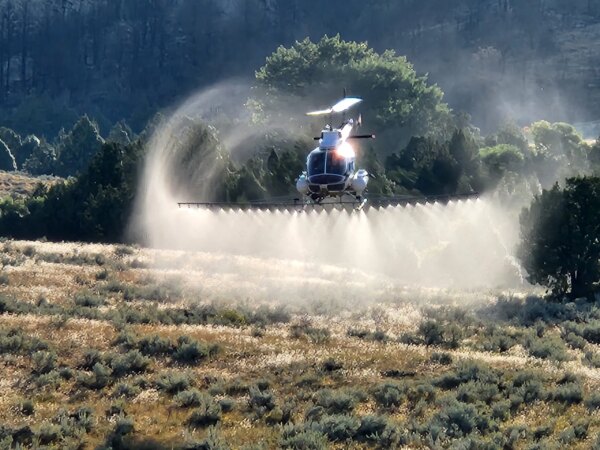

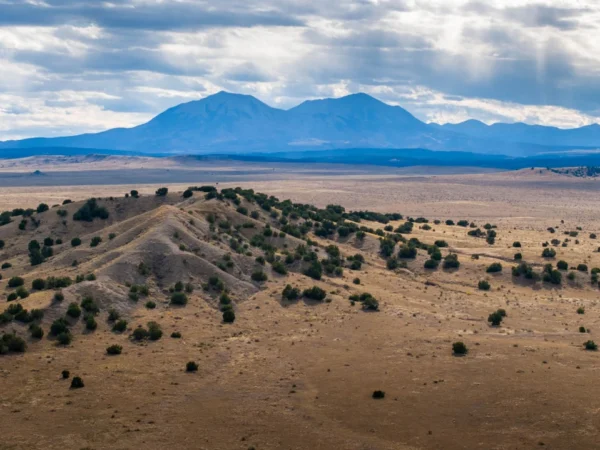
Sale of 30,000-acre Cucharas Ranch to The Nature Conservancy exemplifies the very best in land conservation
Read more
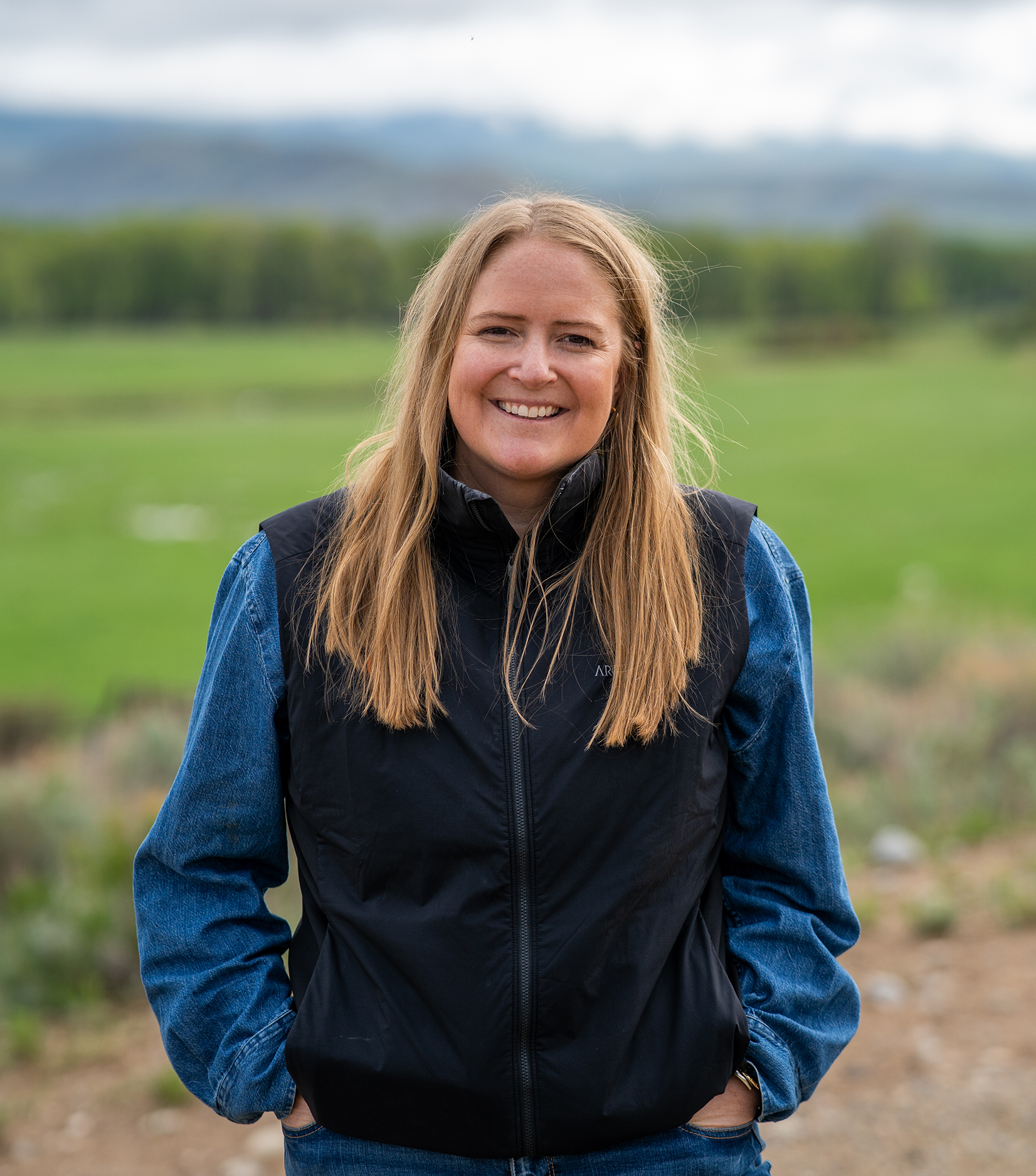


With summer around the corner, we’re all looking for more ways to get outside—and this week, we’re sharing an exciting new tool that’s changing the game for both landowners and sportsmen. Haley and Mirr Ranch Group broker Erik Anderson sit down with Sam Seeton, CEO of Infinite Outdoors, to explore how technology is unlocking new possibilities for recreation, access, and conservation.
Want to watch along? Check out this episode on our YouTube!
Haley Mirr (00:06):
Welcome back to the Land Bulletin podcast, where every other week we bring you experts in the field to impart their knowledge when it comes to the ranch and sporting property market, buying and selling advice, the latest, best stewardship practices, as well as topics that impact landowners every day. I’m your host, Haley Mer. Let’s jump in. Welcome back to Land Bulletin podcast. I’m Haley Mer, and today we’re going to be talking with the CEO of Infinite Outdoors. Sam Seton Infinite Outdoors is changing the way we access private lands for outdoor rec, and it’s an interesting way that landowners can generate income from hunting. Without further ado, welcome Sam to the podcast.
Sam Seaton (00:47):
Thanks for having me. Excited to be here.
Haley Mirr (00:49):
And tell us a little bit about kind of where you’re at right now. You’re up in Wyoming, is that kind of where you’re from? Have you moved up there?
Sam Seaton (00:58):
Yeah, so I live actually have a small farm about 30 minutes west of Casper, Wyoming. So been up here for about five years, but I grew up in Colorado splitting time between a family, family farm north of Windsor, Colorado, and then we’ve had a ranch in Uni Vista, Colorado, or 10 miles north of That’s, yeah, so my entire childhood and up to now has been spent on mainly those properties.
Haley Mirr (01:30):
That’s awesome. So you have a lot of background and it’s probably what inspired you to launch into, it has IO on there. It’s probably what inspired you to launch Infinite Outdoors. Would you tell me a little bit about what inspired you, where the genesis of creating this company started and where you saw a need?
Sam Seaton (01:48):
Yeah, absolutely. So Infinite Outdoors was it kind of accidentally came to be just out of me trying to create a solution for the managing of my own ranch and some other friends. So the seeds were planted with some frustrations from an outfitter that we leased our elk hunting rights to one year. We just didn’t really, I guess we didn’t fully understand how restrictive that was. Well then we totally lost out even when they weren’t hunting, we weren’t allowed for that lease to even access our own land for hunting. It was a very small amount in the grand scheme of things, just a couple thousand dollars. And then on top of that, there’s no really attention to conservation, the outfitter over harvested and because it was in their financial interest to sells me hunts that could to profit above and beyond that traditional lease we had.
(02:51):
So that rubbed me wrong. I didn’t like that. That’s still when I was in high school. But then fast forward, I went to Colorado School of Mines, which people aren’t aware of that is only an engineering school. So had the ranching background, but then now I’m in this engineering world. I was playing football there and had very limited amount of time. I basically had Sunday mornings in between football game before I had to get in for film or lifting. So I still had a big passion for hunting and wanted to continue to maximize that. So I started doing a lot of hunting out in eastern Colorado with a bunch of my buddies out there on their properties that would always let me on. Then one year that kind of got shut off because same sort of deal, they leased away their hunting rights weren’t allowed to let friends and family come on, and then they used and abuse the land and it all came kind of crumbling down.
(03:45):
So from there I proposed, let me just manage this. I’ll pay you. I’ll basically put together a hunting club with me and my football buddies. We’ll pay you by the day that we go out there. I’ll just give you all of that income and I’ll make sure that it’s not over hunted, that you can still let friends and family hunt when we’re not out there and take down some of those barriers that were there and then in turn provide a need for do it yourself outdoorsmen that doesn’t have a ton of time and wants to capitalize on those single days or a few weeks that they have available. So that’s where the very manual process started and fast forward, graduated, ran up the corporate ladder in corporate America the whole time. I’m still trying to manage these properties for my own ranch and for my friends and sending out PDFs of deals, doing marketing to get enough people to fill these short term leases.
(04:42):
And that’s kind of when it connected. That one, I didn’t have the free time. I’m still working a corporate job. I’m like, I need to just make something that’s hands off and scalable, but there’s obviously a big need from both the landowners side and the hunters and fisherman side. So that’s when I reached back out to some of my former classmates at School of Mines and our CTO. He also grew up on a ranch in Oregon, so we were kind of very weird. We call ourselves high tech rednecks, the very weird balance of people that are able to do the engineering but understand the value set from a hunter’s and a s sportsman. So did that launched in 2020 and it’s blowing up since then. Now over a million acres probably on the platform and tens of thousands of users on the app.
Haley Mirr (05:28):
Wow. And do you mind telling the listeners they might not be as familiar with Infinite Outdoors? Obviously there were all these issues with the traditional kind of outfitting practice. So what does Infinite Outdoors do for landowners and hunters? I would love to know the benefit to both of those use cases.
Sam Seaton (05:49):
Yeah, absolutely. So we’re basically the tech solution that can connect the end user. So basically the daily lease holder with the landowner so that they can get paid directly from that landowner instead of a middleman that’s holding the lease. But a big thing for us is we’re still busy. I know there’s a few other companies that are essentially like Airbnb type knockoffs. We don’t want that because ranchers and farmers and even people lucky enough to don land, they don’t want to be sitting there on an app messaging tire kickers and doing stuff like that. So the whole mission was to make it so that these landowners could get paid directly from the end users, but be as hands off as if they were leasing that land. So they still have control, they can still close off days, they can still let friends and family on there, but they’re, they’re not just manning the phones doing all this crazy stuff, talking with every person. And then from the sportsman side, it’s basically made a whole new market because before there was the only really options where you pay into a hunting club where again, there’s a middleman holding that lease and then they charge a bunch of people a large annual fee or you lease an entire property for an entire year from yourself, still has the same issues or you pay an outfitter, which the majority of the world and the vast majority of hunters can’t afford to pay these outrageous prices. So
(07:32):
This opened up a new market for the do it yourself sportsman to get access to premium properties and by cutting out that middleman, the landlords can still make better margins with less use and abuse of their land.
Haley Mirr (07:45):
That’s amazing. When Eric brought this up about what you guys do, he was really excited. I know, Eric, when you’re out in the field, have you seen a need for this in some of those kind of pressure points that Sam was alluding to?
Erik Anderson (07:59):
I think the challenge that Sam had in the genesis of a company is what I’ve experienced with friends who own properties that couldn’t access parts of their ranch. They were leased out.
(08:12):
And the brilliant part of this is Sam doesn’t like to be compared to VRBO, but you can schedule out like A-V-R-B-O calendar. And so if you want to do a family H now an elk hunt and you want to take down the whole ranch for a week and do that, you can do that and you can schedule that hunt with your family and then allow the next couple of weeks for the rest of that rifle season or archery season for the DIY guys to come in and hunt the ranch. Or you could split up the ranch and you could allow a family to hunt a portion of it and the DIY guys and GS come through and hunt the other part. So I think it’s a really neat alternative to the traditional model that is certainly working. And I’ve talked to a couple of landowners that love the model, has seen increased revenue with it, and a large part of it is transparency too. They’ve know who’s on their property, they know the license plate, they know the guy that’s name is George and his wife is hunting with them and they’re going to be there for four hours and they’re Turkey hunting or waterfowl hunting or whatever the case may be. So it’s just a really interesting model and I think it’s benefiting landowners right now, especially the ones that I’ve been talking to, whether it’s waterfowl or big game.
Haley Mirr (09:45):
Without getting into too much of the nitty gritty, I’d love to know it’s not an Airbnb, I understand that, but how does the platform work from a landowner’s perspective and then a hunter’s perspective? I’m going to probably go between the two just because I know it’s helpful for growth.
Sam Seaton (10:01):
Basically, we are really high tech type model as well. I guess another comparison that’s often incorrectly made is like, oh, you guys are just, you’re a marketplace. We always have thought of ourselves as more of a software company because the only way that you can really make things hands-off and reliable for both landowners and users is to have really, really good technology. So from a user’s experience, when they go on and they book a property, it automatically downloads to their adventure tab on their app and that downloads an offline map that shows any access points they’re allowed to be on, shows their exact GPS location, property boundaries, any sort of annotations that the landowners want. Also, to Eric’s point, that’s also how we can divide ranches into different subsections. So you’re not just throwing up a lump sum. If you have a 50,000 acre ranch, you might have 10 different huntable segments that all should have their own harvest quotas and attention on there.
(11:03):
And you can digitally map all of that out. So when a user books, it’s as simple as that. They see notes from the landowner, they see habitat information that our biologists put in for them, all the landowners rules and regulations, and then those offline maps. So there’s no need for them to contact a landowner directly. There’s no excuse for them to ever not know exactly where they should be or what they should be doing. And then because it’s all digital, there is any infractions and that’s literally almost zero, but we have all their credit card information can find ’em for those infractions because they’ve also consented to that. And then from the landowner’s perspective, they have a landowner dashboard that’s going to show all the different property listings that they have. You can click on it, show the maps in case you forget where one of your sub properties was.
(11:56):
You have your calendar that they can mark as available or unavailable or even have request to book dates if you want to open it wide open, but you’re not sure you want to commit to that, someone can request a book and then they can just approve or deny that. And that’s in the most manual sense. They can do that. And then there’s people book, they get email notifications as well as text notifications that are going to show them who’s going to be there, license plates and names in case they want to check out there. But we even have landowners that have the local game and fish subscribe to those channels. So I don’t want to do anything they just turn their property on. They subscribe to a calendar that we have on there. We might have whining waterfowl season, you can just hit one button. It’ll automatically make your whole calendar available for that, and then you can just take stuff out if you don’t want it to be on there. And then honestly, some, they’re not even there, but they still want some quality control. And we will work with local game and fish and law enforcements to have them be the ones that are getting notified or their ranch manager. So it really was intended to fit the needs and desires of any and every landowner. Again, from the perspective of actual landowners ourselves,
Erik Anderson (13:07):
Bam. It seems like Sam, that these landowners are probably benefiting just from your vetting process, just that the education through the vetting process may be a lot more than what they’ve thought about with their own habitat and their environmental conditions before they even start allowing people out on the land.
Sam Seaton (13:28):
Yeah, no, that’s a great point since there’s one thing we didn’t touch on too is one requirement, it’s honestly more of a perk, but it’s also a requirement, is you get access and have to work with our biologists and land manager reps. So they’ll help assess your property, it’s carrying capacity, what are responsible and sustainable harvest quotas and other management practices. And that’s also how the price and that value is actually determined. So you have to be willing to work with the biologist and care about the conservation aspect. You’ll get a whole plan totally free, and that allows you to then list on there. And then from the vetting process of the users, it’s also not just willy-nilly when any member of infant outdoors signs up, they have to pass a membership application that has a whole plethora of different disqualification questions on there. For example, if you’ve ever sued anybody for any reason and you toggle to that, it won’t let you on the app if you have any felonies, any game violations, things like that. So there’s a lot of peace of mind knowing that you have probably more qualified people coming on than even whoever that random outfitters bringing out there with them.
Haley Mirr (14:41):
That’s awesome. Yeah, that was one of my first questions, and I’m sure landowners have it too, is we’ve seen some other kind of companies, not to the extent that you guys are doing this, but the component I feel like as a landowner you’d probably be concerned about. Has that ever come up with some of the landowners who are considering listing with you guys and getting some of these hunts up? Has that ever come up with landowners?
Sam Seaton (15:04):
Yeah, and pretty much only on a very positive aspect. So all of our legal work, I mean it’s going to look more like you’re scrolling through an Apple listing agreement or something. It’s very, very, very in depth. It accompanies everything, the whole flow of when someone books and then invites people, then that party leader is accepting all responsibilities. They’ve agreed to all of it. Everyone agrees when they first done it for the app, and then every single time that they book. And then that party leader has to invite someone. He’s taken responsibly for his whole group, but then every member is then again electronically consenting to all of our generic waivers. And we can even put in specific ones for that landowner on that property if they have something above and beyond. And then on top of that, we have additional liability, liability policies, your general liability policy.
(15:59):
But one thing that I’ve never heard of, another outfit you’re carrying is a management liability policy too. So if anything was stated on property boundaries were done incorrectly or you maybe land or accidentally overpromised on something on there, you’re covered from even that side of your liability. And then all of that considered too, we personally even use, and a lot of landowners on our platform use it to just police our own friends and family. It’s your property. You have no obligation. You can let anybody hunt and fish for free on their still, and you can just give ’em codes, but make them book through the platform so that it makes it your management easier and then even protects you. Maybe you’re like your brother-in-law or something, same cousin, you don’t trust them. They know you’re the one that owns the ranch. You can put ’em through this. And then there’s also a good level of, I mean, for lack of better term, a good level of guilt that I like to impose on some of my friends. I’ll gladly let ’em hunt, but I want ’em to know that that’s a 5,000 L concept. They just got to give ’em for free, and that takes some entitlement out of them as well.
Haley Mirr (17:10):
I think that’s smart. I mean, I’m just thinking of some of my friends who own ranches and they should do this for every person that comes on the ranch.
Sam Seaton (17:18):
Exactly.
Haley Mirr (17:20):
It’s smart. And then I’d love to know the genesis of who was the first person that you worked with landowners and how do you reach out to landowners and kind of generate these different landscapes and people can hunt on?
Sam Seaton (17:35):
Well, the first landowners were myself, yourself? Myself and our CTO. I think that was a great litmus test. If this wasn’t truly the best solution for our own family’s properties, then how could we ever expect anybody else to do it? So that was the first. And then like I said, that kind of quasi hunt club that I was running, all of those landowners immediately came onto it. And then as far as landowner outreach, we do your traditional marketing channels and things like that, but our single biggest way that we grow our landowner base and have got to the north of what 1.112 million acres that are on the platform is word of mouth. Because we’re not in this. We’re not some venture capital backed company that’s just trying to pump and dump this. We are landowners. We wanted a solution for that. That’s our clientele, that’s who we care about. So we deliver on our promises.
(18:37):
If we bring you on, we tell you what you actually can make, how much it could potentially escalate. And we do everything in our power to market those hunting or fishing opportunities and deliver on our promises. It’s not just fluff and we actually care. And then by doing the right thing, then all of a sudden you get their neighbor and then someone else that they know and it expands from there. I don’t know we ever lost a landowner because they had better revenue potential from somewhere else. I don’t think that’s happened a single time on our platform.
Haley Mirr (19:08):
That’s awesome. And I know every landowner is different, every contract is different, but what’s kind of the upside that some of these landowners are experiencing as compared to maybe the outfitters that they used to have on there? From an income perspective,
Sam Seaton (19:25):
It varies wildly based off of your proximity of the population centers, how long you’ve been on the platform, things like that. I guess one really good example would be this little 38 acre property on the South Platte in Colorado. He used to lease it for a couple thousand dollars. Went on to us first year. He basically made what he used to make, but then our platform grew. His attention on that grew. He started getting some good reviews, and then the next year he made 8,000, then he made 12,000. Then this year, I think he’s already well north of 15,000 before Turkey season even started.
Haley Mirr (20:02):
Holy heck, from
Sam Seaton (20:02):
A property that used to get a few thousand. Yeah. And then we’ve got some other, I guess I even just to do the right thing, I also own an outfitter in Colorado that have basically cannibalized or only used through the optics of infinite, but I had a traditional lease at one point on landowners out there, and I was paying above market rate for that. I think I was paying three or $4,000 for the entirety of his land. And I was like, Hey, I’m going to do the right thing here. This is what infinite orange is. We launched all this. I will gladly lease it for 4,000 here again, but I recommend you go on to Infinite and we’ll get you a pheasant pass and I’ll pay you. You’ll get paid by these hunters every time. And then he five or six XD his revenue on that. He’s making tens of thousands of dollars now instead of a few thousand just from migrating over. And then my personal ranch, we used to lease that for, I think that was like $2,500 is what we did. And already this year got four elk hunts sold and it’s in a trophy elk unit that takes a ton of points and we get some vouchers, but still, I think we’ve already sold over $20,000 worth of hunts on it and haven’t even opened up our pond for the fishing opportunities in the off season as well.
Haley Mirr (21:30):
Geez. And when you bring up tags, I know Eric and I have talked about this ag nauseum about the difference between Wyoming and Colorado and all these different states. How do you guys handle that? Do you allow landowners to sell tags? Do you transfer tags? I know every state is different. I’d love to know the process behind that too.
Sam Seaton (21:51):
Yeah, so we’ve always been very explicitly against the direct sale of the voucher. We will say you’re, your value resides in the quality of your land, how it’s managed and the prestigious of the unit. Now, if you get landowner vouchers, those can be included for free in the price, but that’s already baked in the cake. There’s, there’s not an extra value to it. So in unit 49 where my family ranch is, it takes 17 points now to draw a first rifle tag. And so we sell, it’s $5,000 is what our access fee is on that property. If we draw a voucher, it’s included in the price. If we don’t, it’s still that price. The other thing that is important to note with landowner vouchers and why landowners need to be careful about getting too into the brokering side of those is, at least in Colorado, how the law reads is once you give someone a voucher, they have unrestricted season long access to the entirety of your property ownership, and they’re not allowed to restrict that. You can request it, but legally you can’t do anything. So again, it goes back to your rights as a landowner. When you do that, you restrict ’em. Whereas if you can sell it and make the same amount from someone drawing their tag, now you can subdivide and geofence your ranch into five or six different sections, potentially bring on more people, not have those conflicting interests of people stumbling over each other. And so you get better experience for the end user, and you can monetize it better by not leaning too heavily on those vouchers.
Haley Mirr (23:42):
And does that the same case go for, how do you deal with places like Wyoming, I guess, where,
Sam Seaton (23:48):
Yeah, so Wyoming, there are no landowner tags that are transferable. Those can only be used by landowners. So those are all just have to be drawn. So that’s frankly another perk of us having such a large user base and experience with marketing to these as we can physically market to the people that have those points, get them to people that are expecting to draw, get them to book ahead of the draw. Even our payment flow on big game hunts only requires a hundred dollars reservation fee to be put down. And then the rest of the payment flow doesn’t process until two weeks after draw results come out. So you already have people in waiting and get them to fill those up ahead of time just based on speculation that they’ll be able to draw. So yeah, again, that’s a headache and that’s something that we take care of ahead of time and are really proactive on. So it’s not just last second people knocking on your door kind of thing.
Erik Anderson (24:48):
Well, Sam, knowing that you’re in the intersection of landowners and hunters and then also having a mind around conservation, I would love to hear your thoughts on where we’re at in terms of hunting, private land ownership and conservation and that intersection, what you’re hearing and any trends or talking points in any of the conferences you’ve been going to and all out of the people you’re speaking with.
Sam Seaton (25:19):
It’s all extremely intertwined, which is why we are always so conservation focused and we don’t do anything unless the landlord shares that, because conservation is the future. If you don’t take a proactive approach and you’re not doing what’s sustainable for the game that you’re making recreational income on, it’s bad for them, bad for you, bad for the futures of the sport. So now is a very delicate time, specifically around some of those smaller vulnerable species like mule deer that are getting decimated. This is going to be an unpopular take, but I think a lot of that is, and our biologists would agree with this, a lot of that’s I think a knee-jerk reaction to a lot of the CWD where their approaches, the way you help CW is to kill all of the deer, then they can’t get cd. It’s like idiotic if you actually look at it from not just a biological lens, but from someone that can read data, which as a team of mainly engineers and then biologists, I think we have a good eye on.
(26:32):
So in my opinion, and not to just turn this into a CWD talk in general, those pry ons, they can live in the soil for 16 years. So you basically would have to say that you have to get the population solo, that they avoid those areas for 16 years, and then you can maybe grow back and then hope that it doesn’t just spread again. That’s not sustainable. So the approach that we’ve always taken is the best thing you can do is expand conservation. So you can get the population densities, you can accomplish the same thing by just spreading out. So even if that is the right approach, best thing you can do is improve your land in its carrying capacity to spread those animals out more evenly across the landscape instead of being isolated to just the one or two areas that have the carrying capacity.
(27:17):
So put that money towards getting better water, getting better food, getting more crossings across highways and things like that that can distribute those and slow the spread of disease. And then there’s also just a level of Darwinism that I think we’ve already late to the game on with milder specifically in that we killed all these old mature bucks that had already proven that they can survive with the disease. So now we just have a bunch of young bucks on the landscape that, because in all reality, if something has a disease and it can live out a long useful life, that’s good. And we kind of era that they
Haley Mirr (28:01):
Figured something out.
Sam Seaton (28:03):
So I mean, I’ve kind of gone onto a tangent and I apologize, but long story short, even Eastern Colorado’s good micro study, we have so much in unit 1 16, 1 0 9, where we had landowners that they get tons and tons of landowner vouchers, and we wouldn’t let them sell all those. We believe it was way over harvested, way over allocation from the state. And in turn, our property is the only ones that still have any sort of sustainable deer populations on it. And even the local game warden has called me up and been like, Hey, you were right. We did it wrong. I’m going to do everything I can to get the state to issue less tags now and try to help rebound it. But it was only hanging on by thread because we were basically looked at the science and said, you’re reading this wrong. So long story short, it’s very, very, conservation is absolutely key. Being smart, being good steward of land, being on the forefront, and it’s absolutely pivotal and a critical point right now where people have to do the right thing or else our game numbers and recreational potential is going to suffer for generations to come.
Haley Mirr (29:13):
And I’d love to know your process when you’re talking about the biologists with the data. I find that so fascinating. What is the process? Okay, a landowner is interested in becoming part of your program. You have biologists there to kind of talk to them about this is how many tags you should allot, this is how many hunts. What does that process look like from beginning to end?
Sam Seaton (29:38):
It usually comes in the form of them first visiting our website, and they can put in a consultation request. That’s also where there’s an area where they can select a parcel selector tool. They can select exactly where their land is, and then all that data and where it’s at feeds into, I think we have a really high level version of it. You can also complete on our website, but we have a very detailed habitat assessment scorecard that we call that it, that puts a physical score to what it is, and then that’s based off of the actual what’s on the ground. It takes into account the game, the herd numbers in certain areas, all sorts of stuff on there. And that feeds another internal scorecard. Our hunt quality score’s also component of it. And that’s all a function of how you get to your end price or value, or honestly, even if we’ll allow it onto the platform.
(30:44):
And then for those bigger land owners, we also will try to put a biologist physically on the ground. So either before that or after, if it’s a small property or after that actual visit, we’ll send a physical proposal of what we believe your earning potential could be, how many hunts it could sustain, different fishing, small game, all of that kind of goes into it. And then after that point, that’s when our team will build the initial property, send it back to the landowner to do final tweaks and edits and make it their own, but without having them actually do any sort of a heavy property build lift.
Haley Mirr (31:30):
Yeah. That’s where your mind’s background comes into play using all that data. It nerdy real quick. I love it. No, I’m a GI S nerd. My thesis was on beetle kilt populations and the significant correlation with fires out west. And I use spatial data, so this is,
Sam Seaton (31:48):
Oh, that’s awesome.
Haley Mirr (31:49):
Right up my alley. It’s very cool. And so there’s two levels to it. It’s like you use the spatial data, you give the score, and then that’s kind of how the landowners can understand what they should be allowing, what seasons they should be in. And do some ranches have multiple seasons where they can sell some of these tags? Is it kind of across the board?
Sam Seaton (32:14):
Most properties have multiple listings off a different species, and each one of those is managed separately. The other cool thing is, again, because a bunch of nerds, all those property listings, they all speak to each other too. So if you have something that crosses over, maybe you got good pheasant hunting down in this river bottom, but you also have a duck blind. If both dates are available, both opportunities and one of ’em gets booked, it’ll automatically close off that other calendar. And so you can get really granular, you can do just depending on what they’re at, but some ranches they might not have. There might be multiple seasons, but maybe they’re more of a winter range. So we’re not going to let a September archery season out on the planes be listed just robbing from the public, and that hurts the platform’s reputation, but it could be fantastic in December when they come down. So those all go into that initial management plan that’s implemented at the onboarding.
Haley Mirr (33:17):
Awesome. And just since we’re talking about conservation, I noticed on your website that you work with a couple of different organizations. Can you tell me a little bit why you decided to work with Mule Deer Foundation and Ducks Unlimited?
Sam Seaton (33:33):
Absolutely. So Mule Deer, we decided to work with them because I think they need it the most. And that’s from someone who loves, my favorite thing to hunt is Elk, and my family ranch is under conservation easement with the Rocky Mount Elk Foundation, so is our CTOs. We love Elk, we love RMEF, but the biggest problem that Elk face right now is overpopulation in most areas, and they’re trying to figure out how to shoot ’em. We already got a good solution for that. Just throw on if a, you can shoot some more elk, but the mul deer really need the help. So that’s why they’ve kind of been our kind of national and exclusive ungulate partner, just to put more attention there, where they’re just a more fragile species. So we do a lot with them. We have a project planned for early June, doing some conservation fencing, work on a landowner’s property that we have, and we do lots of things like that and donate some giveaways every year and help them raise money. Then physically do things on the ground with them as well. And same with ducks. With Ducks Unlimited, that’s also kind of a fragile thing. There’s less and less wetlands every year, especially with bird flu. So we’re just trying to hone in our impact in the places that we feel need it the most and in organizations that we think are doing a great job.
Haley Mirr (35:02):
That’s awesome. Well, it’s good to meet people that also, they walk the walk, they just don’t talk it.
Erik Anderson (35:08):
And Haley, we’ve been talking about private land a bunch, but the reason I know Sam and David, the co-founders of Infinite is because I had a couple of guys reaching out to me as landowners and clients asking me about what I knew about Infinite. So I met David, and Sam and Sam had mentioned something about an access program in Wyoming that I think is interesting because frankly, this is all about private land, but also as part of conservation and part of his goals of providing more access to the public. They have a new program around that. I’d love to hear more about it.
Sam Seaton (35:53):
Yeah. Yep, absolutely. So we’ve always thought of ourselves and described ourselves as a conservation access program. What we portray to the public that’s using our app is these are new. We want you to be able to, we want to conserve nature, but then provide new forms of access. Also, if a landowner is in block management or access, yes, we won’t let them pull it out in favor of our platform just goes against our core values. And since day one, we’ve provided all of the free public land mapping data on our app for the entire country, totally free of charge to anybody because again, more access. We just want to stay true to that mission. But one really cool thing that we’re getting ready to launch next month and already have a bunch of properties committed to is a program called Access Granted. And what that is, is it’s using our technology.
(36:51):
So landowners still have full visibility control all of that, but to pay them for access licenses. So essentially a less restrictive easement by the day for people to access lands locked or hard to reach public property just because as a landowner, all of this corn crossing and all that, that scares me from a landowner perspective of the feds and the state coming in and just claiming intimate domain and just taking away someone’s rights. So this was kind of our solution to get the public access to their public lands again, but also be able to compensate landowners at market value. So to go into some more of the nuances, there is different nonprofits and different corporate entities and ourselves we’re the ones exclusively funding these access licenses. So we pay the landowner part upfront, and then they get the other part of the end of the year based off of how often they actually have that access open for people to book through the app.
(38:00):
But then for the public, it’s a hundred percent free. It’s on our free tier of our membership. It’s the bookings entirely free. So it’s giving the public what they want and kind of squashing that whole battle of public land and why can’t we access it and this and that, but then still catering to the needs and desires of landowners and allowing them a way to be compensated for that access. So that’s going live here soon. We already have over 50,000 acres, I think, of newly accessible public land and just a really, really cool program. So even if you’re a small landowner that might only have 50 acres or a few hundred acres, but it opens up to some other opportunities, then you also have a very big recreational value in that as well.
Haley Mirr (38:51):
And you mentioned some things that are happening locally with some of the statutes that are happening in Wyoming and things like that. Are there any other trends you’re seeing in this space that people should be mindful of or should be thinking of as we kind of enter into the next few decades?
Sam Seaton (39:13):
Yeah, I think there’s such a spotlight on it right now, and it’s become such a big public pain point that something’s going to need to be done with those different corn crossing, landlocked public, things like that. It will get resolved in one way or the other. So I think from a landowner’s perspective, you need to read the tea leaves and figure out how you want it done. Do you want to maybe by yourselves a couple years or five years or 10 years and then have the feds force it in or let the private sector figure out a solution where you don’t actually give up any of your rights, you still get paid and you keep the public from continuously blasting this up to a federal level that could end up harming all private landowners rights.
Haley Mirr (40:07):
And then I would love to know, where do you see, first of all, how many acres do you guys, you said over a million. How many states are you in right now with independent?
Sam Seaton (40:18):
Yeah, so yeah, we’re over a million pushing 1.2 million. I think we’re currently at 16, but we had 10 new landowners request onboardings yesterday alone, and I think those were in three new states, actually. So yeah, going pretty quick. And we’re talking with several others. So I mean, we’ll be in well over half the states possibly by the time this airs, so
Haley Mirr (40:44):
That’s awesome. So I guess your goal with Infinite Outdoors in the next five to 10 years.
Sam Seaton (40:51):
So our goals are to be nationwide and saturate nationwide, which our definition of saturation is to have infinite outdoors landowner listing within 50 miles of any point in the lower 48, maybe not Alaska, mainly public land already, but in the lower 48. And again, a lot of this is driven by, there are some of those Airbnb copycats. There’s inevitably people that see what we’re doing that are going to come at it from nefarious reasons. So I truly feel like it’s our responsibility to expand and own this market, to protect the market from people that might come in and try to rip out the conservation aspect of it and only look at dollar signs, which in the long run, that’s worse for landowners too. You don’t have a year over year revenue stream, but venture capital group wont. They won’t care about that. They’ll just gun it in.
Haley Mirr (41:49):
Utilize the Landowner Over harvest.
Sam Seaton (41:51):
Exactly.
Haley Mirr (41:53):
And then if we have a lot of listeners right now, landowners and hunters, if a landowner wants to get involved, what’s the first step? Where should they go?
Sam Seaton (42:05):
They should just go to our website, infant outdoors usa.com, and then there’ll be a tab in the upper right that says for landowners, and that’ll give them a lot more information and then give them leads to fill out those forms or call us directly. Our number will be on there. You can look it up on Google and talk to one of our onboarding specialists.
Haley Mirr (42:28):
Cool. And is there any specific type of landscape that you guys work with the most? Some of our clients might not have necessarily a hunting ranch, but maybe in your eyes it could be a hunting ranch.
Sam Seaton (42:47):
That is something we get a lot, is that they don’t even realize that there is the recreational potential. So even fishing fishing’s huge. You can always get a lot there. One that’s really been a big surprise for us is people love paying to shoot prairie dogs environments. So
Haley Mirr (43:05):
Awesome. So
Sam Seaton (43:07):
Yeah, you get someone to pay a group, a couple people go out and you’ll make a hundred bucks a day to have them go shoot your coyotes and shoot your prairie dogs. Pretty good deal.
Haley Mirr (43:16):
That sounds great.
Sam Seaton (43:18):
And then even a lot of these good old boy ranchers and stuff that don’t, hunters, they’re out just being ranchers. They didn’t even realize how much value antelope has where, my God, those things are just trash. I don’t want ’em like, well, you can make an extra 10 grand just by lets people come up and shoot some of those, and then that’ll also help your other yield on if you have crops or whatever out there too. So yeah, all sorts of things. So it’s at least worth the call, let our biologists take a look at it and see if there is any potential that they might’ve overlooked. While the intention of our platform is to make sure that landowners can earn higher income and all of that, a lot of that was at the bashing the expense of outfitters. But if you have an outfitter, that’s not a deal breaker.
(44:09):
We have lots of landowners that, and we actually even have an ADDA guide integration for them. So you can still keep your outfitter and still let them operate and do all this stuff, but you can force ’em into confines of infant outdoors, which will give you the greater visibility, make sure they’re not over harvesting, make it conservation based, and then make sure you’re actually getting paid what the DIY value is, and they’re getting paid for what their value is, which is helping somebody hunt and the meals and the intangibles, but it just kind of creates a better environment. So we do have landowners that do that exclusively. And so don’t be afraid just because you have an outfitter.
Haley Mirr (44:51):
Yeah, you were even saying as an outfitter yourself in some of those ranches that you were helping with, it increased even your profit margins probably as an outfitter. If you’re working with the landowners and using infinite outdoors for some of this,
Erik Anderson (45:06):
What it’s doing is actually creating a better relationship between the landowner and the outfitter because now because of the transparency, there’s no gotchas, no. Well, is he doing that or is he not doing that and leaving all of this to question. And so I think that ultimately adding the guide function to the platform is probably the way to go and allowing guides to be guides at the end of the day and not having to worry about everything else. So it’s a pretty cool integration of all the parties.
Sam Seaton (45:43):
Yeah, that’s the goal. Everyone should be a winner. It just highlights anybody who’s trying to take advantage of somebody and poke holes in the system. So anybody that’s mad question their motives because they’re probably doing something shady behind the scenes.
Erik Anderson (45:58):
Just wanted to say thank you. Yeah, thank you to Sam. Thank you to David. I met David first in Colorado, and then I was in Wyoming on one of my many trips and met with Sam there in Casper. So I love what they’re doing. I think it’s a really interesting program and wish them kind of the best of luck in providing an alternative model that I know I’m not supposed to be selling infinite outdoors here, but I kind of am. And Sam knows that already, because I do think that the transparency allows better relationships for all. So thank you, Sam. That’s awesome. I really appreciate. Thank you. So I appreciate
Haley Mirr (46:45):
That. Thank you. Appreciate it. And everyone, if you’re listening, check out their [email protected]. Thank you so much, Sam, for being on the show. I look forward to getting the hunt on the books for the rest of the ranch team.
Erik Anderson (47:00):
There you go. Thanks for
Haley Mirr (47:05):
Thanks, guys.
Erik Anderson (47:06):
Thanks.
Haley Mirr (47:08):
Thanks for joining us today. To learn more about the ranch real estate market or our ranch marketing process, make sure to subscribe to our newsletter on our [email protected], or give us a call at (855) 929-2019. See you next time.
Be the first to see the latest Ranch news and advice
 0
0
Start saving properties by clicking the + button on any property page.