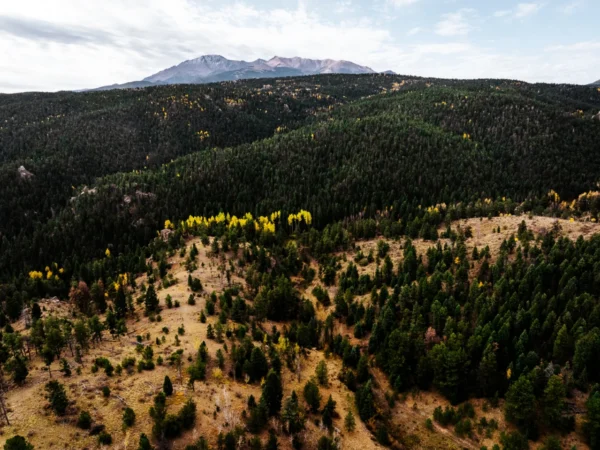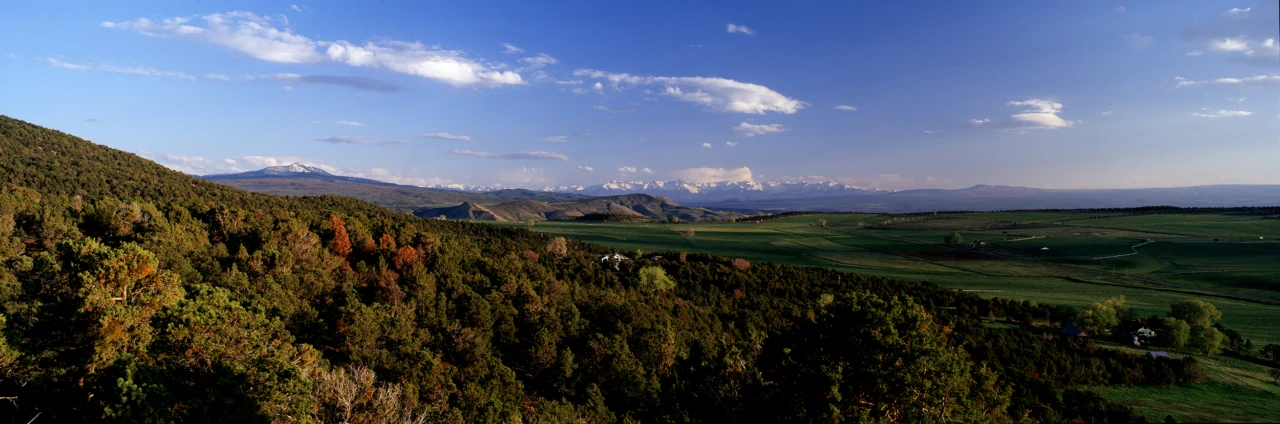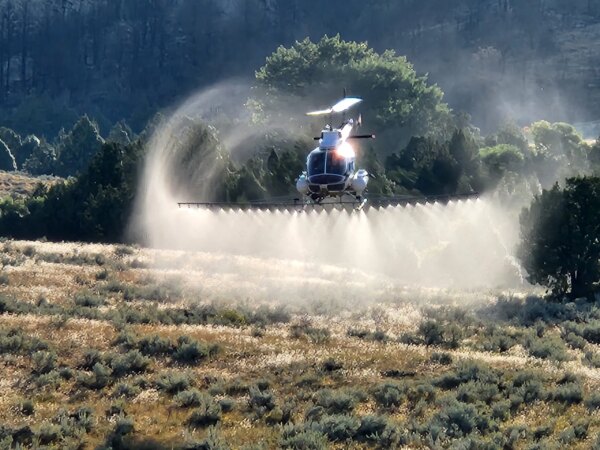

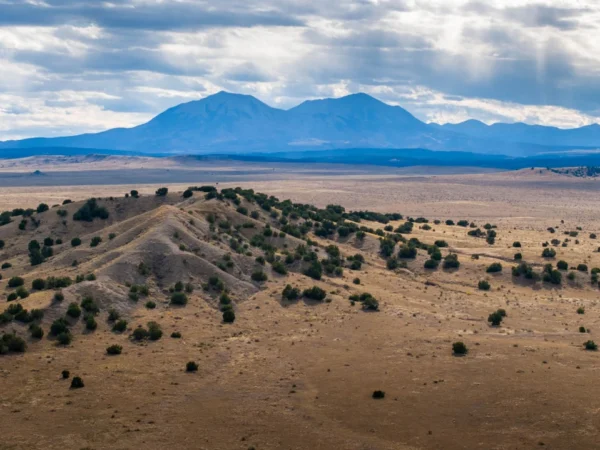
Sale of 30,000-acre Cucharas Ranch to The Nature Conservancy exemplifies the very best in land conservation
Read more
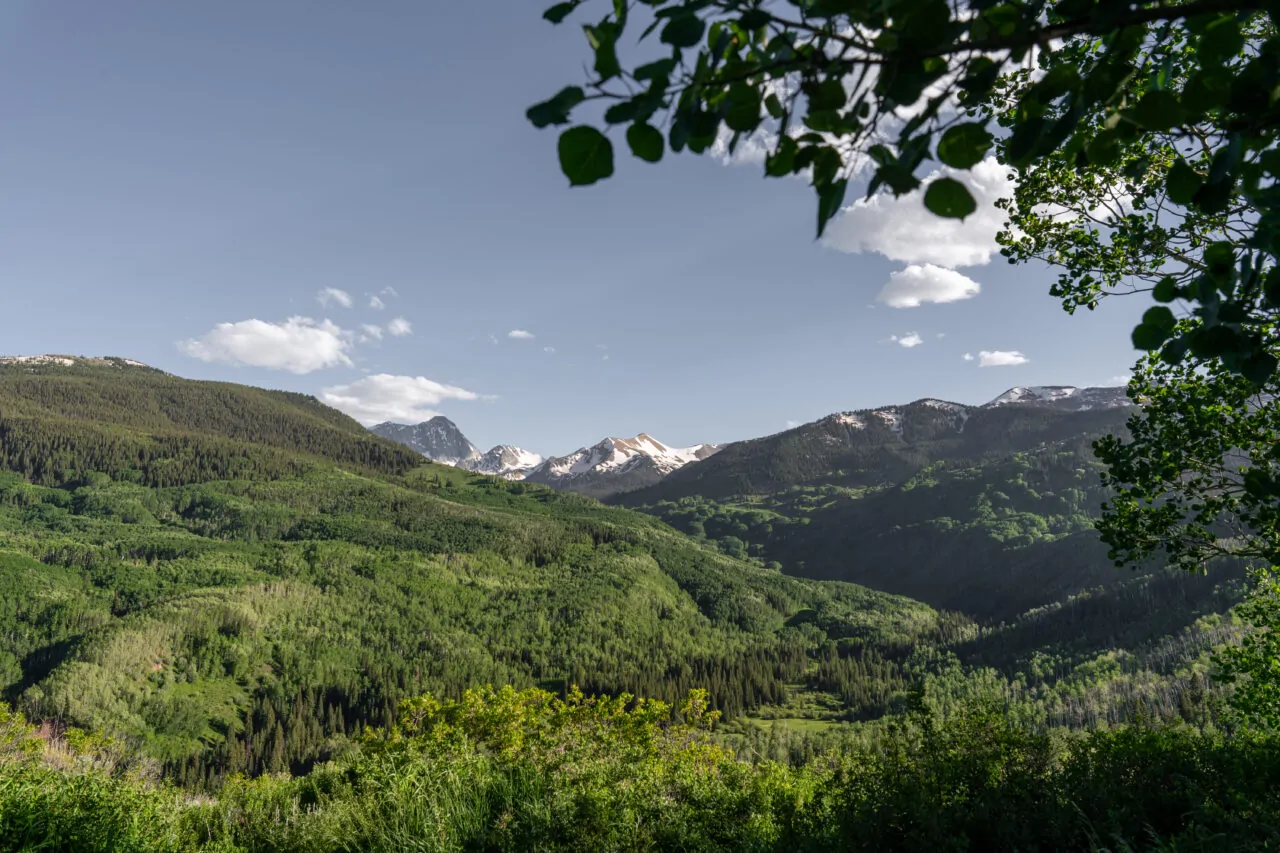
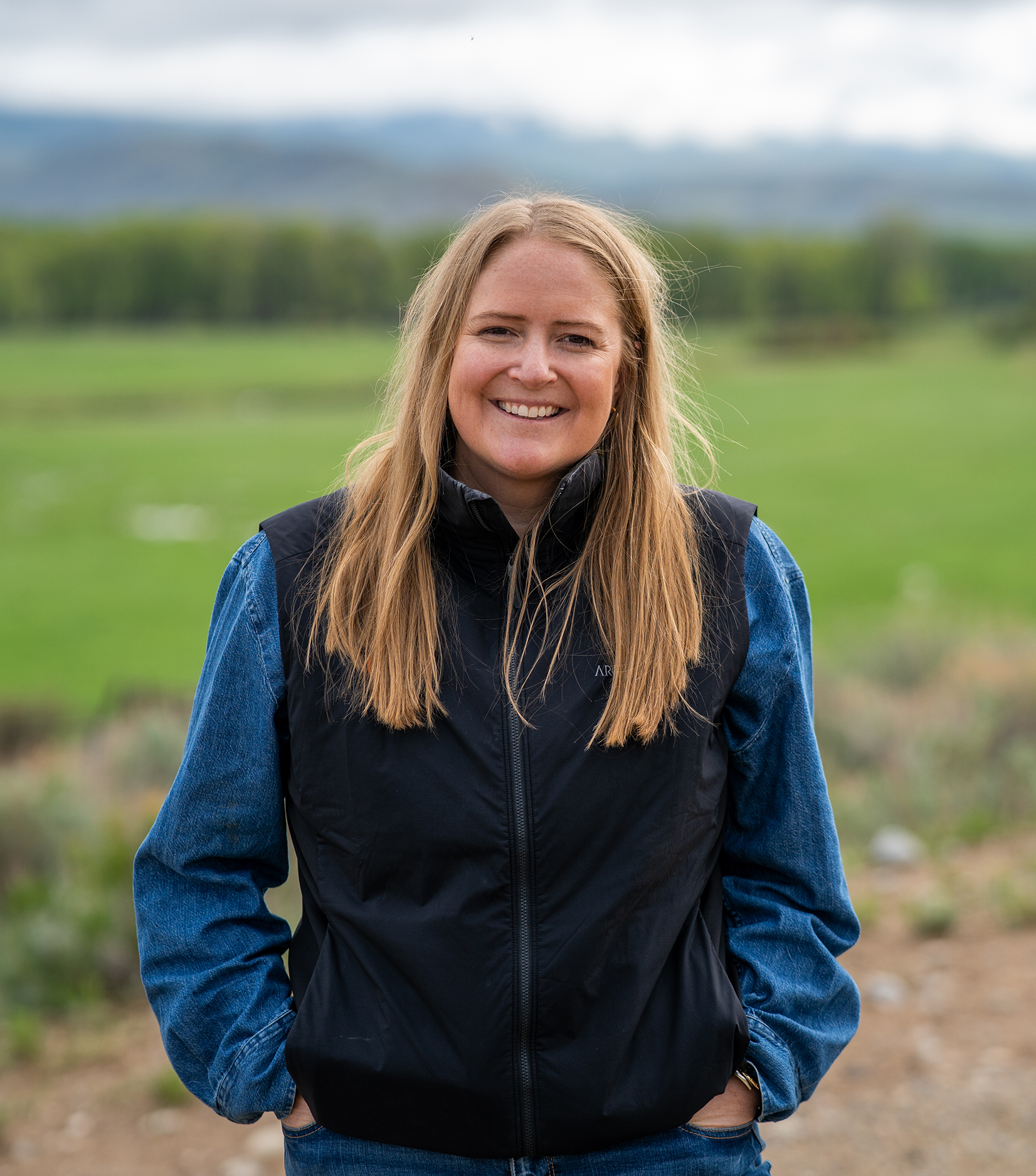


As we wrap up 2025 and Mirr Ranch Group’s 20th year, Haley is joined by MRG founder Ken Mirr for a wide-ranging conversation on where the market stands today, and where it’s headed next.
With two decades of experience in the rearview mirror, they break down the trends shaping ranch real estate across the West, from who’s buying and what’s driving deals to why costs continue to rise. Ken shares insight into how wealth, stewardship, and land use intersect, why the ranch real estate market remains resilient, and where opportunity may emerge in 2026 and beyond.
Join us for a special interview as we look back at the lessons learned over the last 20 years, reflect on 2025, and look ahead. We’ll explore the future of land ownership and how to navigate the increasingly complex world of ranch real estate.
And most importantly, from all of us at Mirr Ranch Group, happy holidays!
Want to watch this episode? Check it out on our Youtube Channel!
Haley (00:06):
Welcome back to the Land Bulletin podcast, where every other week we bring you experts in the field to impart their knowledge when it comes to the ranch and sporting property market, buying and selling advice, the latest, best stewardship practices, as well as topics that impact landowners every day. I’m your host, Haley Mirr. Let’s jump in.
Welcome back to the Land Bulletin podcast. I’m Haley Mirr, and today we’re going to be talking to Ken about the past year that we’ve had here at Mirr Ranch Group. Looking at the ranch real estate market, what are the trends that we saw? What are some of the things that have followed us from last year? And then what are the things that we’re looking at in 2026? So thank you, Ken, for joining us on the show today to look back on the year and look ahead.
Ken Mirr (00:49):
Well, thank you Haley, and it’s nice to see you after two weeks in Patagonia or it felt like longer for some reason.
Haley (00:57):
I know Michael felt like I needed to write it off. I met with clients while we were down there, but it was all worth it. It was fun, but now we’re back to the grind for the end of the year. We’ve got some big transactions closing before the end of the year, which is exciting and sometimes that does tend to happen in our market, but it seems like a lot of things kind of waited till the end of the year this year when compared to years past.
Ken Mirr (01:24):
Yeah, I don’t know if there’s a rhyme or reason to some of this. Like you said, we have probably two of the most impactful celebrated properties that we’ve marketed in 20 years closing, and they happen to be closing on the same day, so that’s fascinating to me. I mean, these are one of a kind, but throughout the year everything’s progressed well as we looked at the type of properties we’ve been working on and just saying who are the buyers? Who are the sellers, what are the motivations? Things feel like a return to some normalcy in our world, but I don’t know what normal, anywhere any longer though I guess after 20 plus years it’s hard to find normalcy.
Haley (02:16):
Well, what do you think when you look at the normalcy and how things are shifting, what are some of the trends you see sticking around from years past and maybe into next year and some that you see maybe fading or have started to fade when we look at the ranch real estate market?
Ken Mirr (02:32):
Sure. I think certainly those properties with the recreational component have always been pretty important. So if I’m looking at it right now, and I would just look at the transactions out working, one thing that they share in common is conservation. And so that was one thing that it’s changed a bit and we’re constantly seeing is some of these things were funded by federal sources and that federal funding went away. So we had to go back and figure out how to fund those acquisitions, and some of these were $70 million acquisitions with we’re relying on some federal funding because of the conservation and the nuances of it. So that world is changing. I’m even finding in our world anything dealing with the conservation easement, especially those in Colorado that are relying on tax credits, we’re going to see that ending because our tax credit system is lighting here at some point here soon and by next year that we basically we’ll run out of all the tax credits through 2031. Not to say that that’s a huge impact on the sales. I’m just saying those are a component of the conservation market, but what is consistent is the level of wealth out there that are looking for properties and finding that as a safe haven to invest in.
(04:05):
We’re seeing different types of buyers too, changing evolution of the type of buyers that have been traditional in the past. These are what I consider non-traditional buyers that learning of what their needs and wants are, but we’re still closing in five, six different states to this date. So geography still matters. I think geography is still big and that Colorado still is a very important state for us from that standpoint. But if I look at it, I think a lot of things that had in common were like the rec beauty uniqueness, the art side of what we do. That element that’s so beautiful, knockout, gorgeous people have the capacity to purchase, that’s what they’re looking for.
Haley (05:02):
Well, you talk about when some of the things that stayed the same and some of them that have changed, you were saying that the buyers and those traditional buyers, if you will, of ranch properties has shifted, have the priorities of buyers shifted a lot in the last, we celebrated the 20 years. So let’s look back at the 20 years. Have buyer priorities changed at all even though the buyers themselves have?
Ken Mirr (05:27):
Yeah, I mean it’s so hard to find the patterns. I remember when we started, we were back in the day, a 3 million, 5 million property is a very expensive property, and now we’re dealing with numbers that have a lot more zeros behind ’em. So there are priorities that change in that regard when you’re spending that type of money. And so that geography, that the flora and Fonda, all those things become really, really important to people. I think those things change too as you look at it, because of the drought that has been consistent water rights and how important they are to the investment grade of the property becomes significant in the west and where those water rights sit and level of priority and where they sit geographically. Are they Colorado River Basin? Are they Platte River Basin, for instance, Colorado, and those things that that’s an ever-changing deal. And then we got things even on the South Platte River dealing with issues with Nebraska and lawsuits and challenges for those. So you really need to stay on top of those because they do influence the market.
Haley (06:51):
Well, looking at other trends, so for those listening, our brokers meet on a biweekly basis to kind of talk about trends, what things are happening so we can all stay on top of it. And a few of the things that we chatted about this year as it relates to the market and how it has impacted some of our sales have been things like the cost to build, how high that is now, the cost to run cattle and how that’s affecting ag sales and the ag prices. Can you talk a little bit about maybe some of those trends that have impacted some of our, maybe not even sales, but some of our clients in general?
Ken Mirr (07:26):
Yeah. Well, for instance, we do have properties that have no improvements on ’em. So they become more difficult because the challenges, there’s a little more, not just the cost, it’s the regulations that go with the cost. So yes, the cost, the bill of just skyrocketed and especially when you’re talking about some of these ranch properties or rural properties that they’re out there. So you have limited folks that have the ability to build, so the number of builders that are available for particular areas, they’re smaller. The costs are higher. So that becomes when you buy something, is it going to take you three years to fully utilize this without the improvements? So that really does, that’s a huge factor and I’ve seen some of the properties we have that don’t have the level of improvements that people want maybe take a little longer to sell. So you’re spot on there. And then the cost of the cattle market and the cost of beef is so high. The question is are you a traditional rancher or are you a person who is a high net worth person that may be into ranching, may want to just lease out the properties? There are people who are looking for places to lease. We’re seeing that change, that evolution of people, non operators essentially leasing out their properties substantially two operators,
Haley (09:11):
But
Ken Mirr (09:12):
The cost of cattle, now that goes into the factor of buying a piece of property. It’s like, oh my gosh. Now what you’re seeing is this gets expensive for people if you’re buying something that isn’t fully stocked. And as most people, when we look at our sales, we first look at the land component as the main piece that we’re selling, and then the cattle, which includes the cattle equipment, if there is any, that becomes a separate transaction and whether or not those are involved in that sale process. And that’s ebbing and flowing a little bit, the availability because some people want to just retain their stock and just move it to another location. We’re working with clients right now or just saying, Hey, we’re selling the property, but we’re going to stay in the business, but it’s too costly to work in this state or this area or this locale or it’s too regulated. We’re going to go move to another area.
Haley (10:10):
Yeah, it’s true. We’ve seen a lot. I don’t know the last time that we’ve worked on a transaction where the chattel was part of the agreement. I’m trying to think. And I think that does to your point, speak to the fact that a lot of these operational, more traditional ranchers, when you think of the ranchers that have owned property out west, how that’s shifting from being able to run these type of operations and the places they’ve always ran to, kind of getting creative and maybe moving to different states or leasing out from actual owners. There’s a lot of different opportunities out there for operators, and it’s just I think a little bit different than it used to be.
Ken Mirr (10:48):
Yeah, because when we look at a traditional family run property, I always call these, this is their 401k, this is it this, and that’s changing dealing with families right now where family members want to stay in the business, they are making money right now, so they will, when they move, they will take the cattle because it’s really important. It’s hard to start over. So we are seeing a little bit more of that and then just the price of these properties or can continue to escalate. There are issues, like I said, with the water and what is cost now and just labor costs just running these things, it gets expensive and finding even the labor to run these things. So I’m not saying it’s a bleak picture, but as these costs go up, everything, all the costs go up. And I know that’s been a cry for a lot of Americans.
(11:46):
And then you throw on some of the things that haven’t been great for ranchers lately or the soybean farmers and things of that nature. It’s a tough business for some of these people. It’s a livelihood for them. And it’s fascinating though. I’m just so I get into the history so much of these properties and the people and what it takes to run these things, and I was just at an art meeting looking at a gallery and we were talking about the 1890s when the big between the 1880s or 1870s and 1890s, that’s when the cattle kingdom really grew and then this horrific blizzard came in and it changed everything for people. And I think you’re seeing now other changes happening with the cost, but at the same time of the cost and things and making it difficult to manage these things, the level of wealth is a buttress next to it where people have the capacity to spend and to buy and to invest in properties and will then have the capacity to lease these things to people. So those things are kind of happening at the same time that the amount of wealth has increased so substantially since 20 years ago.
Haley (13:11):
Well, I’d love to talk about not the 1820s in general, but the story you were telling about the big blizzards that were happening and how it impacted ranchers lifestyle. I’d love to talk about some of the stories because we’re big on sharing the news and how it impacts the market share that we work with. Were there any big stories this year that you thought really impacted what we do and what maybe landowners need to be aware of?
Ken Mirr (13:45):
Speaking as to what we’ve sold or national news or international news?
Haley (13:51):
No, I guess I’m referring more to the fact a couple years ago there were the major snow pack that impacted the mule deer population, things like that. Not to put you on the spot, but I don’t know if there were big stories this year that you think impacted what we do.
Ken Mirr (14:10):
Well, yeah, you think about the winter kill of some of those things that did occur a few years back, and the question was will those come back? And they do come back slowly. I guess we’re still finding there were the stories in the days where beetle kill was widespread in the west and those things have had impacts and we’ve since got past some of that. I think water as a component to what we do will always be an issue out west. We deal with public land issues. There was there for a while the idea of whether or not under one of the recent legislation that failed, but what do we do with the public lands? That’s a big issue in our environment, especially when you get west of Colorado state line and West because the prevalence of public lands and can we rely on those public lands to be there for our ranching communities because there’s a balance to what they can do on deeded land versus public land.
(15:30):
That was a big scare and it continues to refocus our priorities on how to manage those public lands. I think that’s something that’s really become very important out west. And then again, policies always have an impact, but I think we’re seeing we can get past those. But I do think some of the policy as related to public land was a significant issue that we worried about January, but we weathered the storm I think on some of those issues, thankfully. And now it’s kind of interstate compacts and I think continue to look at least for what we deal with is the Colorado River basin. There seems still to be a lot of disagreement between the upper and lower basin states as to how best to utilize the water, what are the best methods to conserve that water so that everybody gets the fair share of what they’re entitled to.
(16:26):
And I think that is still going to play a large role. And now we’re seeing it just like I said, between Colorado like Kansas and all these states, Colorado and for instance, and Nebraska. And I think those things, you just have to be so cognizant of that as you enter into these transactions and what’s going to happen. And then continuing what we do, it’s grazing a capacity, but we’re seeing really with carbon credits now, we’re seeing an impact because of the, right now there aren’t as many incentives for the energy markets, especially the renewables. So some clients were entering into a lot of leases and making income from renewable energy. Those leases have gone down, so that’s impacted the market a little bit. But we’re seeing a lot in the area of a carbon markets, so I’ve got a lot of clients working on that. And then there’s the whole drought insurance too.
(17:35):
Still there are so many ways because I think the focus on what we do is it’s ownership and planning for the future that what you have today, if you’re a good steward, you’ll have tomorrow, it’ll be worth more. And then the question is what kind of level of income can you create on the property while you own it, while you’re being a good steward? I’m on additive conservation and help chair that committee with the Colorado Cattlemen’s Agricultural Land Trust and finding other ways to incentivize people to be good stewards. And so income is continued to be the issue. Certainly the markets are good for cattle though, but that in turn, it’s okay, what are the feed markets for All those things matter, but income does matter.
Haley (18:24):
Well, you bring up a good point. I think with all of the knowledge and stories and policy and what’s available to you and the tools at your disposal, it’s important to really be knowledgeable about a lot of those things when you are an owner of a ranch or if you’re even looking at purchasing a property because they all impact the way that you design your management plan, how you decide to run the property, what type of monetarily you put where and things like that. So I think it all makes sense to know about those things and that’s why I wanted to hit on some of the things that maybe have impacted 2025.
Ken Mirr (19:06):
Well, and getting good advice for people too
(19:10):
As we talk to clients that have not operated before. It’s fine to talk with the person that might be current managing out there, but I do believe that getting professional assistance that’s based on science and other things like that will be helpful. So we’re working on that. Things just, I’ve been involved in so many deals lately that have been you transactionally a lot to take and deliver, especially on the selling side. We just had today a couple calls, some about closing, but some about, oh my goodness, the level of ENC encroachments titled, titled, issues on water, issues on Access Issues.
(20:07):
I think we could have wrote, I think I have a class of, I wanted to teach law school next year on just the one case in particular, knowledge in this business is so key in having the right people. And that’s what I’ve always been proud, especially at MRG, is that we try to educate and try to get brokers that know these things. And if they don’t, we’re going to train them. You’re going to have to be able to handle these tough questions so you can solve ’em and not just rely on attorneys or other consultants and to see those in advance and identify those issues in so you’re ready for them when they appear. God knows we don’t want to list the property and then get somebody very interested and realize, oh, we have a problem that we cannot satisfy within a period of time that they want to close on, for instance.
(21:05):
So beyond the trends and all those things, it’s just the ideal of being able to not just market and understand what people are looking for in the market. So that was your kind of first question, what are the trends? And it’s interesting, I talk about the recreational market being very strong in the conservation market, but this most recently I’m heading back into more of traditional ranch markets on eastern plains, which is really, really cool for me because I love dropping back and dipping back into those issues because they’re totally different than say some of the mountain areas and the access to water is different with wells and those type of things. And then you start getting into more of some of the renewable energy markets and where they’ve gone and how those leases work. So there’s never an end to the level of things that you can get engaged in and learn from what we do. Never a dull moment.
Haley (22:11):
Never a dull moment. I feel like when Michael and I talk about our days, mine is always vastly different from day to day when his seems to be constant. And that’s fun about the job because it is, it’s kind of like the two big conversations we had this morning, both vastly different but both stewards and kind of what we learn from each of those deals moving on into 2026. But some of these things do remain constant. And in 2025, we did celebrate our 20th anniversary, and I’d love to know what you’ve been reflecting on over the last year, how things have changed but how things have stayed the same. And a lot of those are the core values and things we believe in, but I’d love to know what you’ve been looking at looking back at the last 20 years.
Ken Mirr (23:11):
Yeah, that’s a good question. I know a lot more. I don’t get so frantic when there’s an issue that comes up because you tend to know how to solve it. I think solving problems in this business is probably the greatest asset you can find. The marketing side is that has, I mean clearly that’s an evolution from what it is. The way I look at this, and I’ve always learned that we tend to focus for a lot first and foremost on providing listings, and you can’t get listings unless people have a trust and faith in you to do those things. And by getting listings, then you talk to buyers and then you get to know what people are trying to do. And so that started in Colorado and went to Wyoming, then ended into New Mexico and we started doing things in Nebraska and some in Kansas and then a lot in Utah.
(24:10):
And now we’ve really expanded a lot more into Idaho. And I’ve just found that once you do a good job and you get ’em closed and you can help promote the success you’ve had, I think, like I said, I used to always say that I think a property is 20 million or 2 million, you still have a lot of the same issues. They have more zeros. And I’ll go to my grave kind of saying that. However, now we have properties that we’re closing over a hundred million and there’s just a lot to be concerned about, but in some cases it’s no different
(24:56):
It’s just you may have a different level of buying pool or seller pool. But I just love the idea that, and we talk about land ownership and I somewhat go back and forth a little bit about owning land and the right to own land in the United States being very important philosophically to the whole investment. And it’s also part of our structure as a society, the own land. But you also look at it and by the time this plays, we’ll close the monastery and I’ve been dealing with the monks out there and they say, we never really own land. We’re just stewards. Why we’re occupying it. These transactions, what we do, we’re really just replacing one steward with another. The transactions are economic when they occur, and hopefully the buyer who has been a good steward will reap benefits from that stewardship, but it flies kind of in the face of sometimes.
(26:03):
I’ve always been, well, it’s great to live in the United States. You can own land, but do you ever really own land because it’s a time capsule and as a sand that the time goes through and empties and you’re either passing out or selling it. So I’ve learned that I think about land in a different way from that standpoint. And certainly over 20 years you’ve seen the market change. Like I said, the buyers change. You’ve seen fire, I’ve seen fire, I’ve seen rain. I was thinking of James Taylor or something, but you’ve seen it all right? And the blizzards and access issues and challenges from other states on water and public land challenges, and I think everything has its day and it’s almost like every 10 years things come back. We’ve been working even on an issue in Colorado for instance, about access and stream access laws forever in Colorado. If you own the stream, you have a right to keep the public out that stream a little different than say Montana. But now there’s out of state folks that are saying, Hey, we need to change Colorado to be more uniform with Montana for instance. And
(27:31):
That’s a threat to some of our landowners who say, well, yeah, but we purchased this land based on this legal principle that we
Haley (27:39):
Ability
Ken Mirr (27:40):
Ownership. But those things continue to be challenged This past year, the corner crossing laws up in Wyoming with hunters being able to cross corners, it’s always been there, but there’s challenges that continue to take place that I find these are very important as we look to the landscape and what you can anticipate as a landowner moving forward, and I find all of this, you need to understand that these things are there and they will have impact, but the more things and the more threats there are, the more things kind of stay at the same too.
(28:24):
So I’m not one of those that the sky is falling from that standpoint when it becomes this kind of investments and I just think it’s just fascinating. I also have always told, and I still believe in this, that I find it like art and I was one of these guys that ended up taking art history classes to date my wife in college. But I’ve learned to really appreciate art and I find the same appreciation I have for land and I find that everything, when we sell these things, it’s just more than just, I look at land more than a commodity.
(29:04):
I look at it much more than a commodity, and I think each one is unique and it just proves every time I go out there, there’s beauty to the eastern plains, there’s beauty to the mountains, there’s beauty to the desert. I love Utah and the desert country. I love the Yellowstone areas, the history, but I was out in lime in Colorado and looking at the rolling hills and just loving it as well. When you’re in love with that so much and you get to in that so much, it’s something that you feel lucky. And anyways, it’s a lot of fun and I think everybody within the firm has the same reaction. We get to make money at this, but it’s never the focus on the sale. It’s the focus on doing a good job and learning about these properties and storing it up for the next project.
Haley (30:11):
You always say the closing is the least exciting part of the whole transaction because you’re saying goodbye, which is hard every time. Obviously the money’s nice, but it is kind of the least exciting part of the entire 18 months, two years that we work with these places. Sometimes more in the cases of a couple of these big transactions.
Ken Mirr (30:35):
So true because some people they go to brokers like these money grabbing kind of whatever. But it’s like I kind of looked at it while it’s a passion, I just found I had the talent to do this work because of my interest in real estate property. Maybe it’s a art, it certainly wasn’t Russians studies, but you look at it and you find these talents that you can apply and they’ll say, well just apply ’em to this field and then find that everybody that we bring into the firm has that same and a sense of teamwork, things like that. But yeah, it is. I mean the whole monastery deal, I’m going to miss the brothers and the monks. I’m going to miss going up there as much as I have and learning about them and gaining respect for that property. And I’m sure Jeff and Pat with the Dawson closing such a magnificent property and it’s really cool that all these things are the great stewards that are stepping in to do it.
(31:35):
I was talking to the guy at the art gallery the other day and he has this really fine piece that he sold to another friend and he goes, yeah, I hated it. I love seeing it, owning it. But he goes, it’s really good to know that that piece will go to those books, take care it. And I think the same way as we do our work, I hate to get sentimental about it, but it truly makes, it drives us. But we also know that we’re fiduciaries and these are big transactions, so we better know what the hell we’re doing.
Haley (32:05):
People are choosing to sell for a reason. It’s also our responsibility to ensure that they get what they came out to do. As sentimental as it is, it’s also our responsibility to make sure the final number is what makes it all worth it for them. It is always a hard decision no matter if they’re monks or fifth generation ranchers or it’s different than exchanging other types of assets, I would say.
Ken Mirr (32:39):
And I think you see one thing you talked about, I think valuing properties has changed a lot too,
(32:45):
And I find that there’s a lot of misjudgment and valuing and after working years on valuing public lands and doing land exchanges for 30 years or so, and then working with appraisers that are really good quality appraisers and working on reviews of reviewing and analyzing conservation easement appraisals and just understanding markets. I will tell you that I think there’s a lot of clients that make bad decisions when they come out of the box in valuing properties. And we’re doing clients disservice too in those situations. And I see a lot of people trying to get into our market, but they have no clue what that is a significant matter because you cannot, it’s not like going down a city street in a high-end neighborhood. I don’t care if you’re in Dallas or Beverly Hills or Denver and saying, oh, how sell per square foot basis, so this is going to sell for this. That is not how you work in the ranch market.
Haley (33:58):
I would agree. And I think we’re seeing a lot of people exiting the market too. People that thought they could be brokers. I think it’s again, that normalization where you can’t just throw these numbers out anymore. You really have to be cognizant. I mean, I’m doing a case study right now with you, Ken, for a potential client looking at a ranch that was listed for a certain amount of money and then the listing agent had to parcel it out into almost seven different offerings and the family ended up not being able to sell about half of the property, and it’s because it was listed a little too high and it got stale and then people didn’t show as much interest. So it really is about evaluating these things accurately so that you can protect your clients.
Ken Mirr (34:45):
Yeah, it’s really hard because you look back, you go, what’s your year in a view and what’s your prognosis going forward? Right? I mean, this is the purpose of what we’re talking about. And all I could say is this past year, if we want to see a trend, the number of our listings has risen. Percentage wise, I think we’ve gone at least 20% more listings currently our sales volume is high, going to be much higher this year than last year. Some of that has to do those every once in a while. You do get these large properties that do have substantial impacts on those things, but we’re staying. So just like you look into, and I really follow heavily, I just try to watch the resort markets at wide and kind of watch that. I keep track of residential markets. I certainly try to keep track of commercial trends and things like that just to kind of where we’re going and we’re still our own world that we operate in. And so clearly the resort markets definitely there are a lot more listings. Properties are on the market a lot longer. Clearly that’s happening, but you’re going to still have these places like Aspen or Jackson Hole that are somewhat oblivious to those trends
(36:16):
And things will continue to happen. But for the foreseeable future, we are seeing a little more choice opportunities for buyers, but still a strong market. We’re not seeing a dip, and I’ve never seen dips in our market that happened 30 years ago, but for the past 20 years, our market doesn’t dip from where it drops 20% or things of that nature in the ranch market. It just doesn’t happen. It’s just
Haley (36:46):
Steady a bit. It
Ken Mirr (36:47):
May do so, but that is not something that will occur in my judgment.
Haley (36:53):
I would agree. And I think just even looking at the trends of our average list price, average sale price as a company, it hasn’t really changed dramatically. Obviously some outliers with some of these larger transactions we’re working on, but for the most part it’s stayed consistent. And I would say just continuing to value the importance of valuation and how that impacts, because then that pricing re makes a little bit more sense.
Ken Mirr (37:27):
We’ve seen that we’re still at, so to your point is we’re still at 92% of list price for us. That’s where value for us is important. Now, that might not be true of when we represent buyers on another listings, but it’s true on our listings. We find that that’s an important scale. I think back in the years, I remember working on people go 20 plus percent list, you hire and just see what happens, throw a dart against the board and see what happens. There’s too much competition now in the market for that to occur.
Haley (38:08):
I agree. Well, as we look into 2026, we’ve talked about things that say the same things that change based on different policies that come into place and news that hits, but what are some of the opportunities you see moving forward into 2026 that you’re excited about?
Ken Mirr (38:27):
Well, I think we’re here for a while with cattle prices, so
(38:34):
It’s good for some of the cattlemen out there to hopefully reap opportunities for them. Like I said, it’s a tough business. I hope in the end that we as part, as we move forward, so many of the ranchers now I see and meet, they want more independence. They’re independent businessmen, the traditional ranchers for instance. And so I hope we see a little more opportunities just to even go to market and have, instead of going to the big three slaughterhouses, seeing a little more local grown, but local slaughtered and prepped so people can start selling their food locally to local markets. I think that’s so key to what we do, and I hope that trend continues. I think it’s really cool because I remember somebody told me once, I was with somebody recently and they said, how many cows are involved in that pound of beef?
(39:40):
And they said it could be a thousand different cows from different places versus having that you actually, burger meat came from at least maybe two different cows on this particular plot of land or something. There’s a sense of connectivity when people get to know where their food’s from. So I think that will continue to be something that I’d like to see. I just think property so hard to anymore find these, the perfect properties with grade A hunting, grade, a fly fishing next to national forest or national parks so hard. It used to be more, but now they’re a little harder to find. So I find those will continue to be challenges for people that want that. But the geography has changed and from the standpoint of interconnectivity and gone are the days of worrying about if you’re online, offline, or wherever because of technology now, that’s been a change to the market and I see this technology going to really change where people look and buy.
(41:04):
And so that’ll create more opportunities ultimately. And the west is still fertile land. There’s still open landscapes, and we do focus on the west. I know I was even looking with Robert, my son, and looking at just the pathways for connectivity of data centers and things in the United States. And you look out east or you look out west and it’s, I mean like California something, it’s all grided and filled in and there’s these bigger pockets and spaces in the west. So how will some of that change over the years and will there be a little more integration? I’m very curious about how that happens. But in the end, I do think because of our constraints on water and other things like that, I don’t see we will ever have that population density that other places will have. So I think there’ll still be these opportunities to buy these properties and have unique properties and still be plugged in.
Haley (42:15):
Right. Yeah, I would agree. I just got back from Patagonia. I met with one of our favorite people down there, Carlos, and he told me when you guys first started working together, all people wanted was to read a good book and be alone and not hear anything. And now there’s this sense of needing to be connected in some capacity. So what does that look like from what you were talking about, just that connectivity of everything that now exists in the world and how that’s going to continue to be important and how we kind of adjust and learn about how to make that something that’s a positive for our clients too. I do think it’s interesting how the world becomes more connected. Maybe our last question, again, just referencing this is probably the last time we can reference the 20th biggest hope for MRG and for kind of land and land stewards over the next 20 years.
Ken Mirr (43:17):
My biggest hope for Mar ranch coop, I’m 65, so I don’t know. This is not, I don’t find this to be a, I finally understand a lot of what I’m doing. It just took me a little longer to grow up. As I say, and I want to keep doing this for a while, but it’s very important as we add people and we add territories that we find people that share the same kind of mission goals and everything, and that we’ve been doing that. And I don’t have any intention of, my intention is to keep watching it grow and to get better at what we do and to cover other areas. I’ve always said I’d still like to sell maybe an island somewhere. I think that would be kind of cool. That’s still a goal. Likely it would be in Patagonia. I
Haley (44:16):
Was going to say Chile.
Ken Mirr (44:17):
Yeah. Yeah. So I’m working on that, but I just love that we’re doing really well and people think well of us to the point where we’re engaged and some of the most unique properties in the world and the things that we’ve done this past year, and I just don’t want to hire the monastery. But I never knew anything about Canon law and things like that, and
Haley (44:47):
I had to work approval.
Ken Mirr (44:49):
I had to get what they call ecclesiastic approval and working with these gentlemen and then working with county. I mean, here was a property that we marketed that we weren’t sure what you could do with it. I’ve never had that situation in my life and find buyer who would be able to understand that concept, but still understand that there’s value to that land. And the same God I think about what those guys had to do do at Dawson that was federally funded, and then the funds who were drawn and all the things. And thank God for a nation conservancy and groups who continued to work and it was a tough, tough transaction, but they got it done. And so it’s just fortitude and just staying behind these things when we talk about average eight listing periods of 18 months, but sometimes these other ones can take longer, these big deals, especially if a buyer wants a certain outcome that limits our opportunity.
(45:58):
Or if you’re in a place or a county, that limits what we can do. We find a way to do it. We find a way for people to understand it. I just want that creativity to continue to shine so that we are thought of as somebody that, Hey, I’ve got a really unique property, and how am I going to handle this? Who am I going to hire? And that’s the most, I guess I’m more proud of that outcome and the people and our capacity to market and all the other things. It’s just not knowledge. It’s all the marketing and the staff and the support and everything that everybody does. It makes us good. It makes us look better. My wife makes me look better. My kids make me look better, right?
Haley (46:42):
Yeah. I’m biased, but I think we’re the best out there, and I think we will continue to be, and our ability to adjust and learn about these new landscapes and properties and people is just an example of that. So I’m excited for the next 20. I dunno if we’ll ever sell. I know they’re monastery again, but I’m sure we will deal with some really incredible people and landscapes and stewards for years to come. Excited for 2026. We have some really incredible listings still for sale with some of my favorite people I’ve ever worked with. So excited to see where those go next year. I think we continue to see some trends with hospitality are really interesting, and some other types of buyer asset classes that we’ve never worked with to this extent. So I think 2026 will be very fun, and I think when we chat again at this time next year, we’ll have even more exciting things to share. So I’m excited.
Ken Mirr (47:47):
Yeah, thanks. And you’re right, Haley. There are other things like the hospitality world, it’s a different nuance or a different kind of division that we work on from the hunting and the recreation and the conservation. But because of the things that we’ve represented now, we’re seeing more of that. That’s a whole different type, a marketing approach to what we do. So yeah, I like that. I mean, it’s just like, okay, it’s good. We could do that too. Yeah,
Haley (48:14):
Let’s keep doing the next thing. Monks hospitality. I don’t know what’s next, but it’s been really fun and it’s been a great year, and it was a very special year to work with those gentlemen and to help them. But we’ll do that with every transaction we do, so I’m excited.
Ken Mirr (48:31):
Well, it was a good year too. You got married, so that
Haley (48:34):
Was great. And I got married. Oh yeah, that
Ken Mirr (48:37):
We did bring that up, and that was really cool.
Haley (48:40):
It was cool.
Ken Mirr (48:41):
You were a lovely bride.
Haley (48:42):
We’re both glad it’s over.
Ken Mirr (48:44):
Yeah, yeah, yeah, that too. But it was a pretty special moment. So yeah,
Haley (48:48):
It was very special. If you haven’t done it, you should try it. Super fun. But thank you for everything from a personal standpoint and from a business standpoint. It’s been very fun, dad.
Ken Mirr (48:59):
All right, love you. Hey,
Haley (49:01):
Well, let’s crush 2026.
Ken Mirr (49:04):
Thanks.
Haley (49:04):
Thanks, guys. Bye.
Thanks for joining us today. To learn more about the ranch real estate market or our ranch marketing process, make sure to subscribe to our newsletter on our [email protected], or give us a call at (855) 859-5207. See you next time.
Be the first to see the latest Ranch news and advice
 0
0
Start saving properties by clicking the + button on any property page.