
Amendment 83 Explained: What a “Right to Hunt and Fish” Would Mean for Colorado
Read more
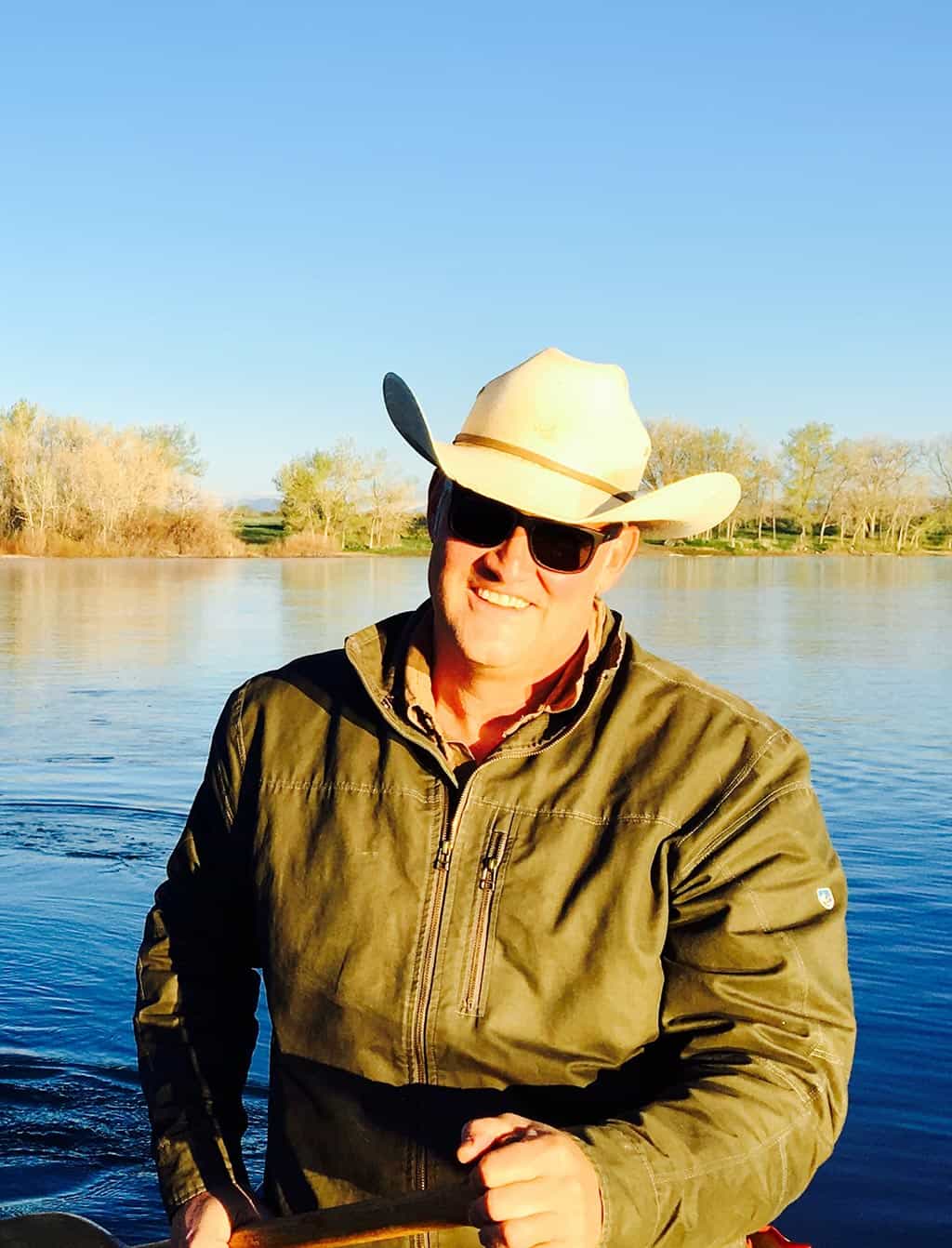


Ranch broker Woody Beardsley specializes in conservation land for sale in Colorado. As an expert in all things related to land conservation finance and easements, he offers his views on the potential of profitable conservation.
con-serve:
verb, protect from harm or destruction
noun, sweet food made by preserving fruit with sugar; jam
As I sit at my desk, I’m humored by the unobvious confluence of these two definitions and find myself inspired at the notion of the sweet fruit of protecting some gorgeous place from harm.
Just yesterday over the phone and via email, (Google Earth is still an amazing miracle to me), I found myself helping a landowner client understand and negotiate the terms of a Deed of Conservation Easement on a ranch he inherited from his father. With any luck, it will soon be recorded with the San Isabel Land Protection Trust, a small local land trust located in the spectacular Wet Mountain Valley that I’ve had the privilege of being involved with for the better part of 20 years.
When I reread that last paragraph, I realized it’s full of esoteric terms that perhaps I should explain.
ease-ment:
noun, in law, a right to cross or otherwise use someone else’s land for a specified purpose
In real estate, a conservation easement is a lot like, (in fact just like), any other legal easement on a property. It is a form of deed restriction, usually a written document, that spells out specific prescriptions intended to preserve or enhance the ecological integrity of a piece of land.
And just like a public utility (electric, gas, water), rail road, highway department, or neighbor might hold a right-of-way easement for a power line, a pipeline, or road access across a portion of a property, a land trust or land conservancy will hold a deed of conservation easement.
A few examples of the kinds of prescriptions identified in conservation easements include:
Land trusts or land conservancies, are typically non-profit organizations set up with the specific task of owning and holding these rights, and seeing to it that they are lived up to or enforced over time, in perpetuity.
Many conservation easements entail a landowner either selling or giving away (donating) future development rights on their property to a land trust. The property can no longer be developed to the full extent otherwise allowed under current entitlement/zoning or law.
A landowner might do this because they see development changing the inherent nature and feel of their community. They might do this because they love the place and they want to pass it on to their heirs or loved ones knowing that it can never be damaged or harmed by certain uses or types of development in the future.
All of this can be very off-putting for the uninitiated. Many buyers’ eyes start to cross the minute you even mention conservation easements.
Many real estate brokers have little experience reading and understanding conservation documents, much less an ability to explain the inherent value of land conservation to clients. A broker with specific conservation experience can make all the difference when it comes to understanding the value sustainable management and conservation can bring to a property.
pro-fit:
verb, obtain a financial advantage or benefit
noun, a financial gain, especially the difference between the amount earned and the amount spent in buying, operating, or producing something.
I have been very fortunate to be involved with Mirr Ranch Group (MRG) over the last five years. This team of brokers and the professional marketing staff at MRG all have a deep and abiding interest in land and progressive land stewardship, and are all well versed in land conservation principles.
We work with a wide variety of conservation professionals ranging from individuals, government agencies, non-profit organizations and private conservation investment groups. We work hard to make sure our clients understand the full set of resources and tools available to landowners interested in long-term stewardship and sustainable management practices. Practices which recent market trends indicate can be quite profitable.
Be the first to see the latest Ranch news and advice
 0
0
Start saving properties by clicking the + button on any property page.