
Amendment 83 Explained: What a “Right to Hunt and Fish” Would Mean for Colorado
Read more
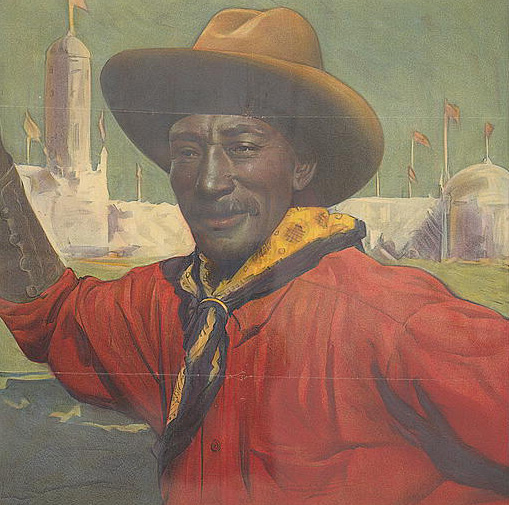


While the Emancipation Proclamation did not immediately end slavery or provide equality for all races, there are examples in the West after the Civil War where former slaves freed by the Emancipation Proclamation did achieve freedom and a great measure of equality – as cowboys.
Photo to the right: Bill Pickett in a detail from a poster for “The Bull-Dogger.” Print: Ritchie Lith. Corp. 1923. Photo courtesy of the Library of Congress, Prints and Photographs Division.
The story of this freedom begins in the late 1800s with the booming cattle industry in Texas. That growth was supported in great measure by slave labor – a Smithsonian magazine report noted an 1860 census that counted 182,566 slaves in Texas.
The onset of the Civil War brought change. While some slaves were compelled to work behind the lines in support of Confederate soldiers, the vast majority remained on the land of their owners. In Texas, many of those slaves learned how to maintain cattle herds while the owners of their ranches fought, according to the Smithsonian. That skill level encouraged their owners, strapped to manage their ranches upon their return from the war, to hire them.
“Right after the Civil War, being a cowboy was one of the few jobs open to men of color who wanted to not serve as elevator operators or delivery boys or other similar occupations,” William Loren Katz, a scholar of African-American history, told Smithsonian.
Black cowboys became even more essential when it became clear that, to achieve top dollar for their cattle, the herds needed to be driven from Texas to railheads in Kansas and Missouri to be shipped east. By this time, historians estimate that 1 in 4 cowboys were Black. And while they faced discrimination in cities, Smithsonian noted “within their crews, they found respect and a level of equality unknown to other African-Americans of the era.”
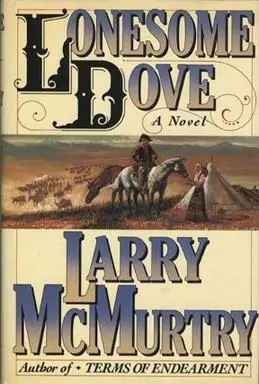
Much of the history of black cowboys has been lost over the past century. The Smithsonian, however, noted that the fictional character of Josh Deets in novelist Larry McMurtry’s novel Lonesome Dove was based on Bose Ikard, an African-American cowboy who worked on cattle drives in the late-19th century. Ikard was memorably portrayed by Danny Glover in the 1989 TV miniseries based on the novel.
By the end of the century, trains had reached Texas and barbed wire made it easier to manage cattle in large spaces, ending cattle drives and leaving many African-American cowboys out of a job. It was the end of that era, but that history lives on in a variety of museums and rodeos, including:
Black American West Museum & Heritage Center: The mission of this Denver destination is to “promote an understanding of the role that African Americans played in the settlement and growth of the western United States.” The museum highlights the stories of Black cowboys, as well as miners, soldiers, homesteaders, ranchers, schoolteachers, lawmen, and others.
Black Cowboy Museum: This Houston institution seeks to preserve the legacy of pioneers such as Nat Love and Bill Pickett. Founded in 2017, the museum features artifacts, memorabilia, and other items about the African American cowboys who helped shape the West, as well as the ones who will shape its future.
Bill Pickett Invitational Rodeo: This event celebrating Black cowboys and cowgirls presents an annual tour of rodeos seen by as many as 130,000 spectators from Georgia to California. Founded by Denver music promoter Lu Vason in 1984, it’s named for the legendary Black cowboy, Bill Pickett, who originated the event now known as “bulldogging.”
Cowboys of Color: Founded by Black cowboy and rodeo competitor Cleo Hearn, the organization presents a series of rodeos in Oklahoma and Texas each year while also sharing what African Americans, Native Americans, Hispanic Americans, and European Americans did to settle the American West that history books may have left out.
Be the first to see the latest Ranch news and advice
 0
0
Start saving properties by clicking the + button on any property page.