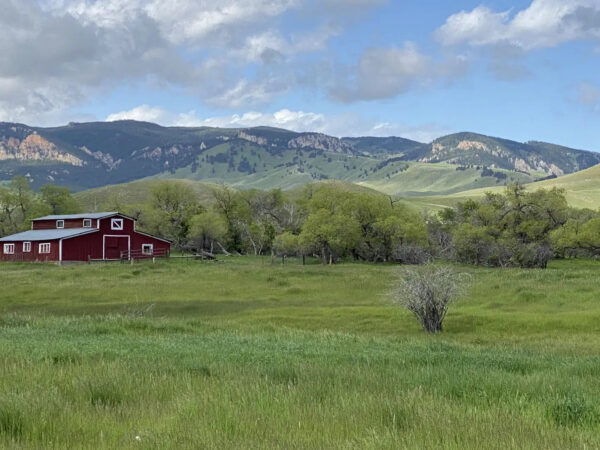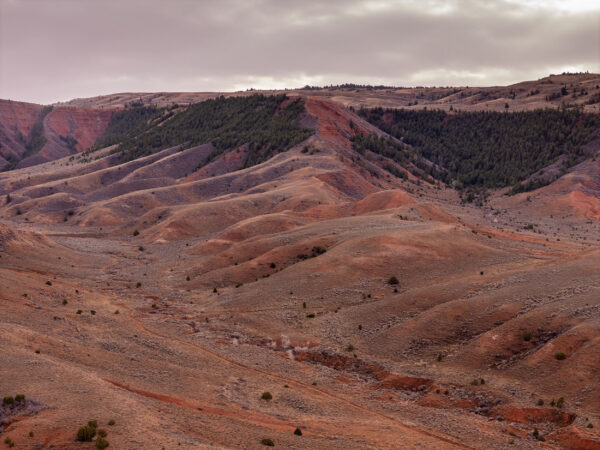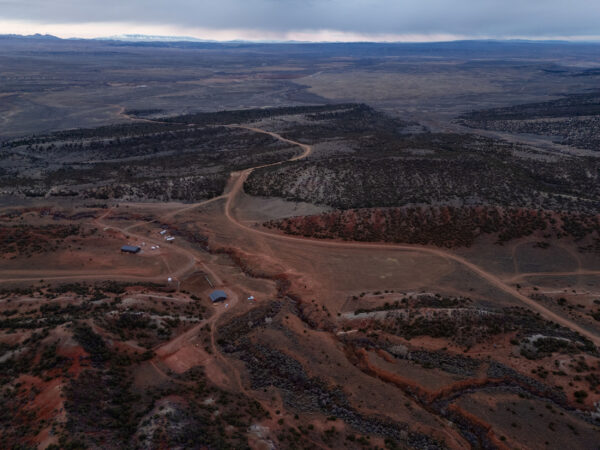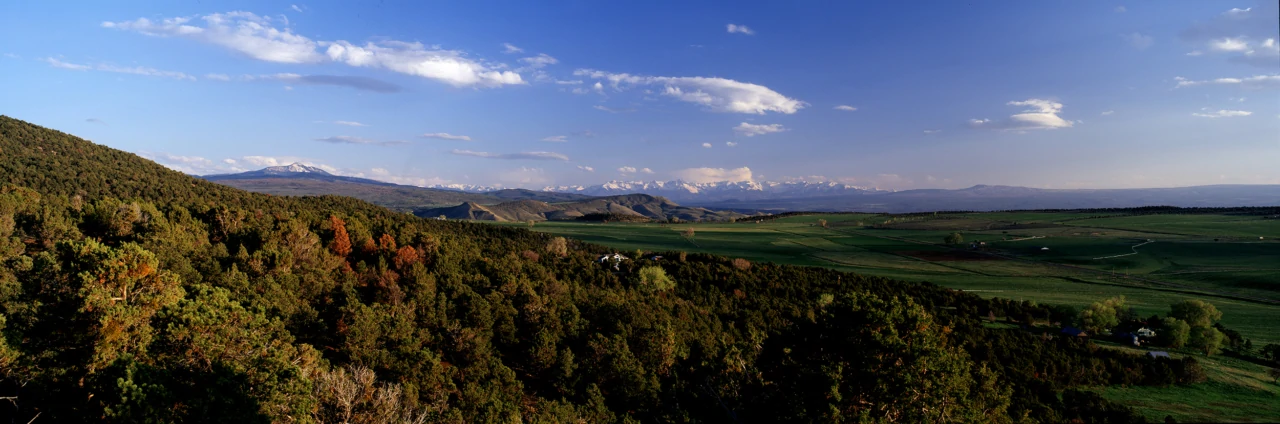

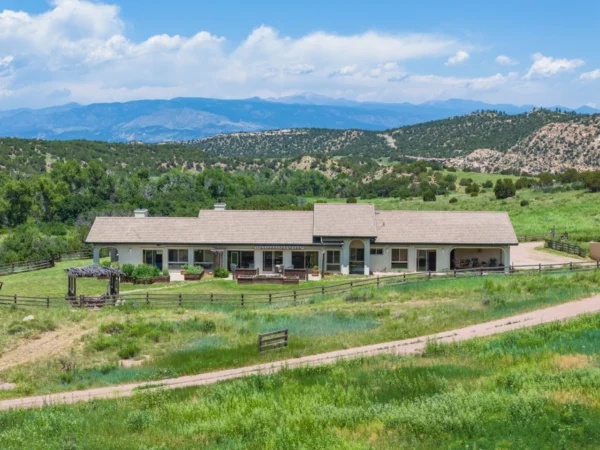
VanNorman Oak Creek Ranch Sold: A Conservation Property at the Foot of the Rockies
Read more
By: Braden Chupp


Every ranch has a list of jobs that never quite make it to the top. A sagging fence line in the back pasture. A washed-out stretch of lane. Brush creeping into a meadow that used to be open. A food plot that needs ground worked before the season turns. None of these are big enough to bring in a contractor, and most of them are on ground where a full-size tractor or loader would leave ruts, tear up sod or simply not fit.
That gap is where a mini skid steer earns its keep. Also called a compact utility loader or stand-on loader, it is a small tracked or wheeled machine, usually three to four feet wide, that the operator runs while standing on a platform at the back. It takes a wide range of attachments on a quick-attach plate, and it is light enough to go places a tractor cannot. Here is how landowners put one to work, and what to think about before you do.
Mini skid steers typically weigh somewhere between about 2,000 and 3,500 pounds, with engines in the 20 to 40 horsepower range and a rated lifting capacity of several hundred pounds to around a thousand, depending on the model. Check the operator’s manual for the exact figures on any machine you use.
That size is the whole point. A narrow machine fits through a standard gate, between trees in a shelterbelt, along a creek bank and inside a barn alley. Tracked models spread their weight over a wide footprint, so they are gentle on wet meadows and established pasture. What they are not is a replacement for a tractor on large acreage. Mowing a hundred acres or hauling round bales is still tractor work. The mini skid steer is the tool for the hundred small jobs in between.
Fencing is where most owners first see the value. Three attachments do most of the work:
• Auger. A hydraulic auger with a 9 to 12 inch bit sets wooden posts quickly and keeps every hole the same depth. On rocky ground, a rock bit with carbide teeth makes a big difference.
• Post driver. For T-posts and smaller wooden posts, a hydraulic driver pushes them in straight without a crew swinging a hand driver all day.
• Pallet forks or a wire roller. Forks carry posts, rolls of wire and gates out to the line, so the walk back to the truck stops eating the afternoon. Some owners fit a simple unroller to pay out barbed or woven wire as they go.
Because the machine is narrow, you can run it right down a fence line in timber or along a draw where a tractor would have to stay well back.
Before digging any post hole, call 811 a few days ahead. It is the free national call-before-you-dig number, and utilities will mark buried lines at no cost. Rural ground often has buried phone, power or pipeline that nobody remembers.
Ranch roads take a beating from weather and traffic. A mini skid steer with a standard bucket moves gravel from a stockpile to a pothole, and a leveling or grading attachment can smooth a lane and restore its crown so water sheds to the sides instead of running down the middle.
A few habits make the work last:
• Fix the water first. Most lane damage starts with water that has nowhere to go. Clean out ditches and culvert inlets, and add a shallow cross drain (a water bar) on slopes so runoff leaves the road before it gains speed.
• Work material in thin lifts. Spread new gravel a couple of inches at a time and pack it, rather than dumping one deep pile.
• Keep the edges. Grade from the edges toward the center to keep the crown, not the other way around.
The same bucket cleans stalls and pens, moves feed and spreads compost or manure on garden ground.
Brush is a slow-moving problem on almost every property. Cedar, mesquite, Russian olive and other invaders crowd out grass and forbs, raise fire risk and push wildlife into thinner cover.
• Grapple. A small root grapple picks up limbs, downed trees and slash and carries them to a burn pile or chipper. It also pulls up small shrubs by the roots.
• Brush cutter. A mini skid steer brush cutter handles saplings and heavy brush, usually up to a couple of inches in diameter, depending on the model and the machine’s hydraulic flow.
• Stump grinder. Takes stumps below grade so they stop sprouting and stop catching mower decks.
Timing matters. Many birds nest in brush and young trees in spring and early summer, so heavy clearing is usually best done in late fall or winter. Your state wildlife agency or the local NRCS office can tell you about nesting windows in your area, and may also know of cost-share programs for brush management and habitat work.
Leave some of it, too. A few brush piles left in place, and an uneven edge between timber and open ground, give quail, rabbits and songbirds the escape cover they need right next to food.
For owners managing for wildlife, a mini skid steer makes small-plot work far easier, especially on plots tucked into timber or at the end of a two-track no tractor could reach.
• Tiller. A hydraulic tiller breaks up sod and prepares a seedbed in one or two passes. On a quarter-acre plot that can be an afternoon’s work.
• Landscape rake or harrow. Smooths the seedbed and pulls rocks and roots before seeding.
• Auger, again. The same auger used for fencing plants tree and shrub seedlings for windbreaks and wildlife cover, using a smaller bit.
• Bucket. Shapes a small depression for a wildlife water source, or cleans silt out of an existing one. Larger pond work, and anything that changes how water leaves your property, can need a permit, so check with your county or state first.
Soil testing before you plant is cheap and saves seed and fertilizer. Your county extension office can usually run a test or tell you where to send one.
A few things to weigh, whether you rent, borrow or buy:
• Tracks or wheels. Tracks are better on soft, wet or uneven ground and on established pasture. Wheels are faster on hard surfaces and cost less to maintain.
• Hydraulic flow. Attachments like brush cutters, tillers and stump grinders need a certain hydraulic flow to work well. Match the attachment to the machine, not the other way around.
• Width. Measure your narrowest gate and barn door before choosing.
• Slopes. Compact machines can tip if worked across a steep slope. Travel straight up and down hills with the heavy end uphill, keep loads low, and stay within the slope limits in the operator’s manual.
• Know the controls first. Spend time in an open, flat area learning the controls before working near fences, water or livestock. Keep people and animals out of the work area.
A ranch rarely runs short of small jobs. What runs short is time and the right-sized tool. A mini skid steer will not replace your tractor, but for fence lines, lanes, brush, food plots and the narrow places in between, it can turn a weekend of hand work into a morning, while leaving lighter tracks on the land you are working to improve.
*Braden Chupp works with Chupp Industrial in Chouteau, Oklahoma, which supplies compact equipment and attachments, including mini skid steers, to landowners, farmers and contractors.*
Be the first to see the latest Ranch news and advice
 0
Start saving properties by clicking the + button on any property page.