Improvements
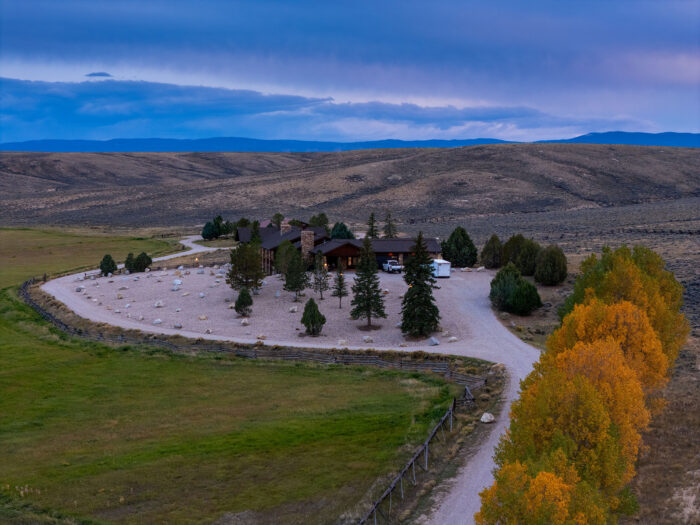
Headquarters
- Barn
- Corrals
- Several agricultural outbuildings
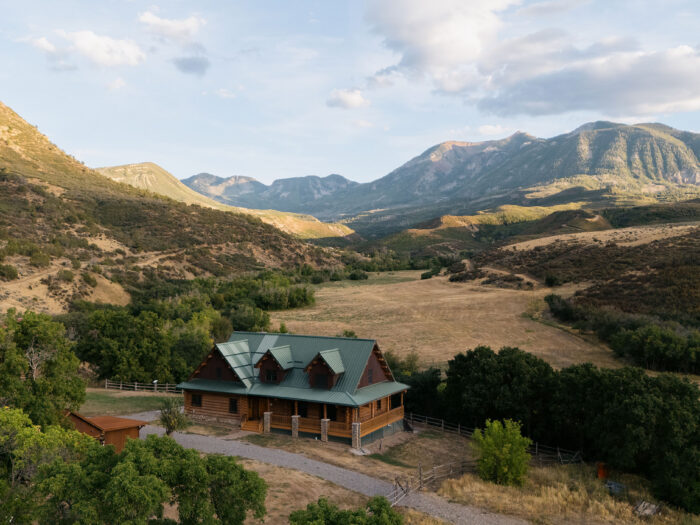
East Entry
- Tenant residence
- Several agricultural outbuildings
Location
Situated 11 miles southwest of Glendo, Wyoming, and a few miles directly west of I-25, lies the Horseshoe Creek Ranch. This remarkable property boasts convenient proximity, located approximately 35 miles from Wheatland, the county seat of Platte County, and a 2.5-hour drive from Denver International Airport (DIA). The property benefits from excellent year-round access and numerous modern amenities and attractions.
Locale
- Incorporated on May 20, 1922, Glendo is steeped in rich history. The area originally served as one of the first five telegraph stations for the Overland Stage Express at the Horseshoe Stage Station. The town relocated to its current site with the arrival of the railroad, marking a new chapter in its development.
- Today, Glendo maintains its charming small-town atmosphere while offering a variety of community events and activities. Highlights include the Glendo Days parade, craft fairs, street dances, fishing tournaments, Ranch Rodeos, Chariot Races, and fly-ins—celebrations that bring locals and visitors together throughout the year.
- Located at the gateway to Glendo State Park, the Town of Glendo welcomes visitors to one of southeast Wyoming’s top destinations for boating and water recreation. The park is a haven for water skiing, fishing, and a variety of other aquatic activities. Renowned for its excellent fishing, Glendo boasts multiple state record catches and hosts several fishing tournaments each summer. Guests can enjoy both day-use and overnight amenities, including upgraded campsites, picnic tables, grills, and modern comfort stations. Paved boat ramps provide easy access to the water for a hassle-free experience.
- Glendo State Park is rapidly emerging as a premier destination for trail enthusiasts. Since 2010, the park has developed more than 40 miles of diverse, non-motorized trails extending from the Marina to Sandy Beach. Mountain bikers of all skill levels are drawn to the variety of routes, which offer a mix of relaxing rides and challenging terrain—all set against some of the most scenic landscapes in the region.
History
The mid-19th century marked the height of westward migration, driven by the California Gold Rush, Oregon Territory settlements, and the promise of new lands. Horseshoe Creek became a key waypoint on several major trails, including the Oregon Trail, California Trail, Mormon Trail, and later the Bozeman Trail. Thousands of emigrants in covered wagons passed through, drawn by the creek’s fresh water and forage for livestock.
In 1859, the Central Overland California and Pikes Peak Express Company established Horseshoe Station (also called Horseshoe Creek Station) as a relay point for stagecoaches. Situated along the Overland Trail, the station included a log cabin, stables, and a blacksmith shop. It served as a rest stop where drivers could change horses and passengers could stretch their legs. This infrastructure was crucial for mail and passenger transport across the treacherous plains.
Horseshoe Creek’s most famous chapter came with the Pony Express, which operated from April 1860 to October 1861. The station was one of approximately 157 relay points along the 1,900-mile route from St. Joseph, Missouri, to Sacramento, California. Young riders, often in their teens, would gallop in, swap mounts, and dash off again, delivering mail in record time—about 10 days end-to-end. The station’s role highlighted the ingenuity and peril of early communication in the West, with riders facing harsh weather, rough terrain, and potential attacks.
Following the Pony Express’s brief run, Horseshoe Station transitioned into a telegraph relay point in 1861. It also briefly served as a stop for the Overland Stage Line, continuing to facilitate east-west travel until the completion of the Transcontinental Railroad in 1869 shifted traffic away from overland routes.
The 1860s brought conflict as tensions escalated between Native American tribes and encroaching settlers, miners, and military forces. The Sand Creek Massacre in Colorado in November 1864, where U.S. troops slaughtered a peaceful Cheyenne and Arapaho village, ignited widespread retaliation across the Plains.
On July 26, 1865, a coalition of Cheyenne, Arapaho, and Sioux warriors, led by figures like Roman Nose (Cheyenne), attacked Horseshoe Station. The station was garrisoned by a small detachment of the 11th Ohio Cavalry under Lieutenant John Bretz, along with civilian workers. The assault began at dawn, with warriors setting fire to haystacks and the station buildings. In the ensuing battle, several soldiers and civilians were killed, including the station keeper and his family. The attackers captured horses and supplies before withdrawing.
This skirmish, known as the Battle of Horseshoe Creek or the Horseshoe Station Fight, was part of a series of raids along the Platte River valley, including attacks on nearby Julesburg and Fort Rankin. It underscored the resistance of Native tribes to the loss of their lands and the disruption of traditional ways of life. The station was rebuilt but never fully regained its former importance, as military focus shifted to larger forts like Fort Laramie, about 30 miles to the east.