Overview
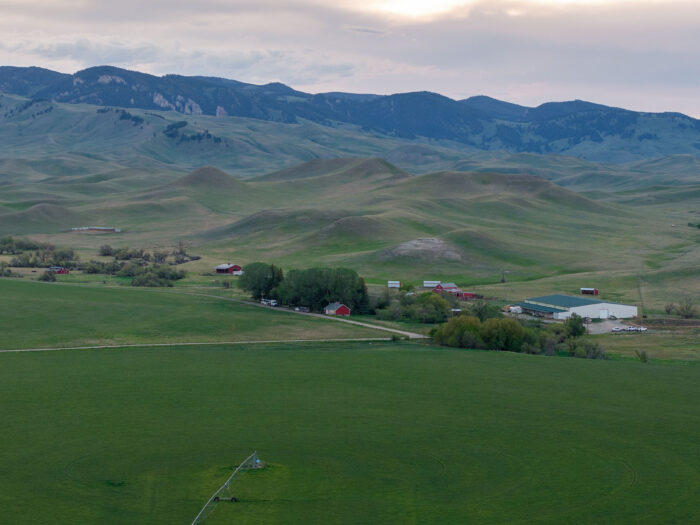
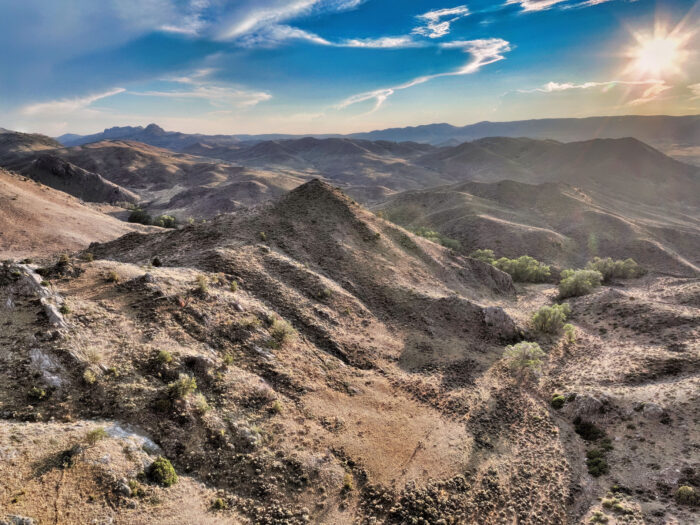
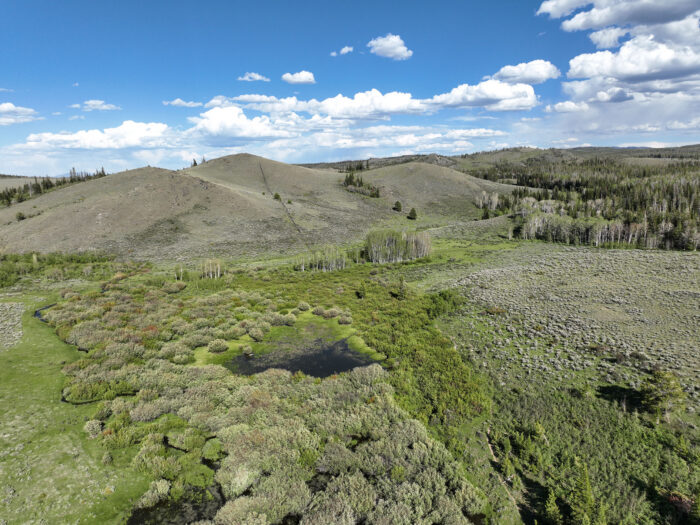
- 8,481 +/- total acres
- 3,040 +/- deeded acres
- BLM: 5,286 +/- acres
- State of Wyoming: 155 +/- acres
- 91 +/- acres of irrigation
- Thousands of acres of adjacent public land access
- No conservation easement
- All underground electrical systems with a wireless data system installed on the property
Improvements
Main Home
- Luxurious newly built custom home: At the heart of Thieves’ Den Ranch is a custom 2021 home designed for entertaining, with a vast open layout, a spacious living room with white oak floors, oversized windows, and a stacked stone fireplace
- Chef’s Kitchen: large island, stainless steel GE appliances, alder cabinets, granite countertops, and herringbone backsplash—perfect for gatherings
- Bedrooms & Baths: primary suite with en suite bath (soaking tub, walk-in shower, double vanity, walk-in closet) overlooking Bates Creek. Three additional bedrooms, including a loft office upstairs
- Other Features: large pantry, mudroom, laundry, oversized heated 3-car garage, Rinnai hot water, furnace/heat pump, reverse osmosis system, and water softener
- Expansive patio with covered areas for outdoor enjoyment with stunning panoramic vistas
- Year Built: 2021
- Approximately 3,831 square feet
- 4 Bedrooms, 3 1/2 bathrooms
- 3 Car Garage
Horse Barn
- The barn is conveniently located next to a new set of corrals and paddocks, ideal for housing a few horses or a select group of specialty cattle you wish to keep nearby, complete with a tack room and horse runs
- Year Built: 2021
- Dimensions: 50 feet x 60 feet
Insulated Shop
- Enjoy a spacious, heated shop with ample floor-to-ceiling storage, ideal for all your recreational vehicles, equipment, or ongoing projects from the elements. This space is perfect for ranch operations and extensive projects
- Year Built: 2021
- Dimensions: 50 feet x 60 feet
Airplane Hangar & Storage Facility
- A newly constructed airplane hangar with a grass strip is located at the property’s entryway, separate from the main compound, yet still within walking distance.
- Year Built: 2021
- Dimensions: 50’ x 100’ x 16’
- One 14’ sliding door
- One 40’ bifold hangar door
Guest Cabin
A tucked-away guest cabin, complete with electrical service, heat, and a loft, is located a short distance from the main residence.
Location
- 4 miles off State Highway 487 via private access road.
- 45 minutes from downtown Casper
- 40 minutes from Casper International Airport
Locale
Situated thirty miles southwest of Casper, accessible via Highways 220 and 487, the ranch achieves a harmonious balance between seclusion and accessibility. Casper offers essential amenities, including healthcare facilities, diverse shopping, and a variety of dining establishments. The city also provides recreational opportunities such as skiing at Hogadon Basin, extensive mountain biking and Nordic skiing trails, biathlons, and community sports like pickleball and swimming. Further outdoor pursuits, including hiking and boating, are readily available within this region, which caters to outdoor enthusiasts. Air travel is facilitated by Natrona County International Airport, with flights connecting to Denver (United) and Salt Lake City (Delta). Exclusive private road access ensures an absence of through traffic.
History
- Indigenous and Frontier Era (Pre-1800s to mid-1800s):
- The North Platte River Valley served as hunting and travel grounds for Native tribes such as the Arapaho, Shoshone, and Lakota. By the 1840s, it became a vital corridor for the Oregon, California, and Mormon Trails, hosting ferry crossings and early trading posts.
- Bates Hole and Outlaw Activity (Late 1800s–Prohibition Era):
- The remote Bates Creek basin—known locally as “Bates Hole”—gained a reputation in Natrona County lore as a hideout for rustlers, bootleggers, and fugitives taking advantage of its rugged terrain and isolation southwest of Casper. During Wyoming’s frontier years, ranchers reported horse and cattle theft rings operating from the draws and canyons of Bates Hole. Later, during Prohibition, figures like rancher D.E. “Dave” Davidson were linked to illicit liquor production and smuggling routes that ran through the area, reinforcing its image as a secluded refuge for both ranchers and outlaws alike.
- Fort Caspar and Settlement (1860s–early 1900s):
- The U.S. Army established Platte Bridge Station—later renamed Fort Caspar after Lt. Caspar Collins was killed nearby in 1865. The town of Casper was founded in 1888 with the arrival of the railroad, becoming a key regional supply and transport hub.
- Energy Growth and Modern Era (1900s–Today):
- Oil discoveries in the Salt Creek Field spurred rapid growth and earned Casper the nickname “The Oil City.” Through booms and downturns, it evolved into a regional center for energy, aviation, education, and healthcare—balancing its frontier roots with modern economic and cultural development.