
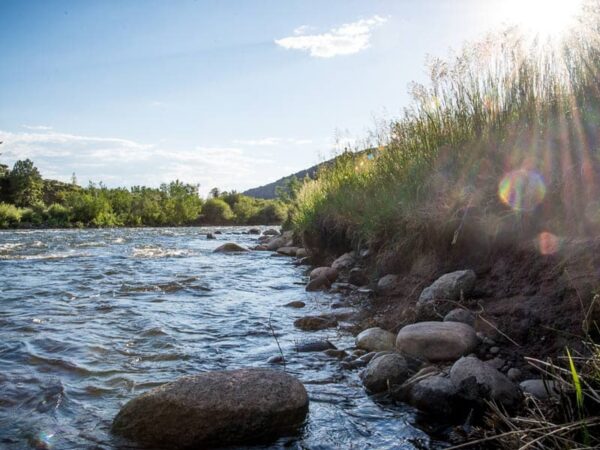
The Colorado River: When the Numbers Don’t Add Up
Read more
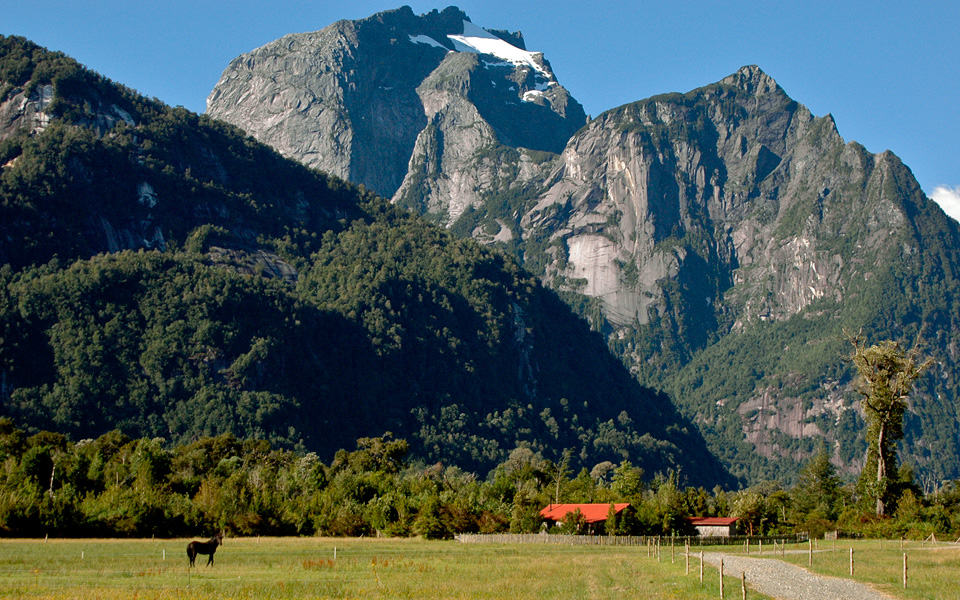


Few conservation efforts have transformed a landscape as dramatically as the work of Doug and Kris Tompkins in Chilean Patagonia. Over more than two decades, the couple acquired and restored hundreds of thousands of acres of ecologically significant land with the goal of returning it to its natural state and ultimately protecting it for future generations.
That vision became a reality in 2017, when Kris Tompkins donated approximately one million acres to the Chilean government—one of the largest private land donations in the country’s history. Combined with nearly nine million acres contributed by the Chilean government, the effort established more than 10 million acres of new protected land and helped create the Route of Parks, a network of 17 national parks stretching roughly 1,700 miles across Chilean Patagonia.
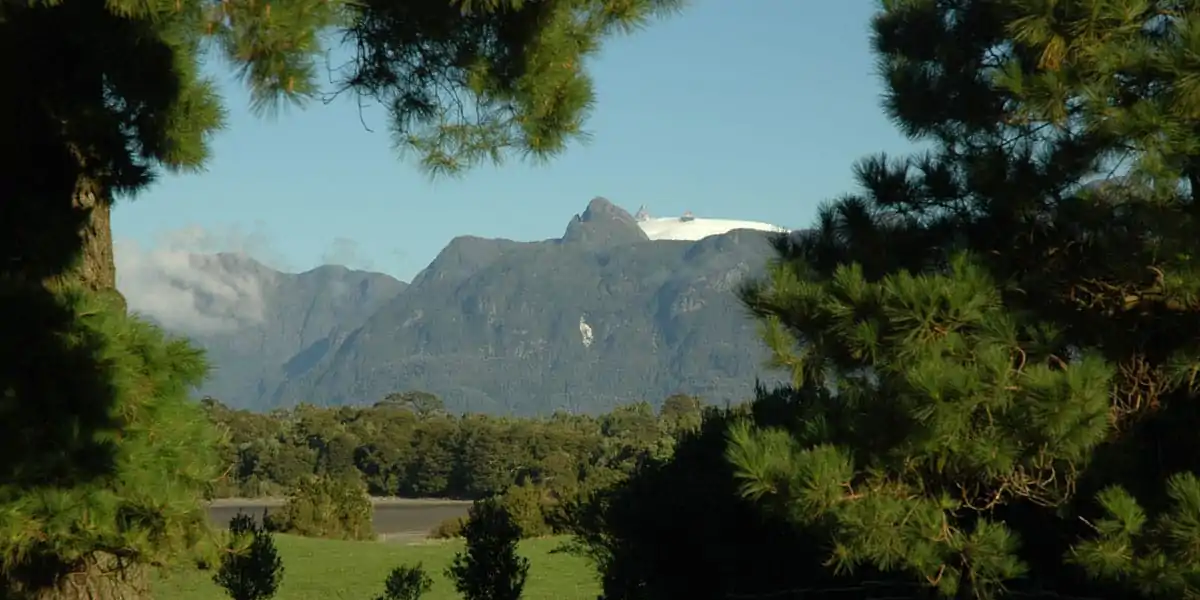
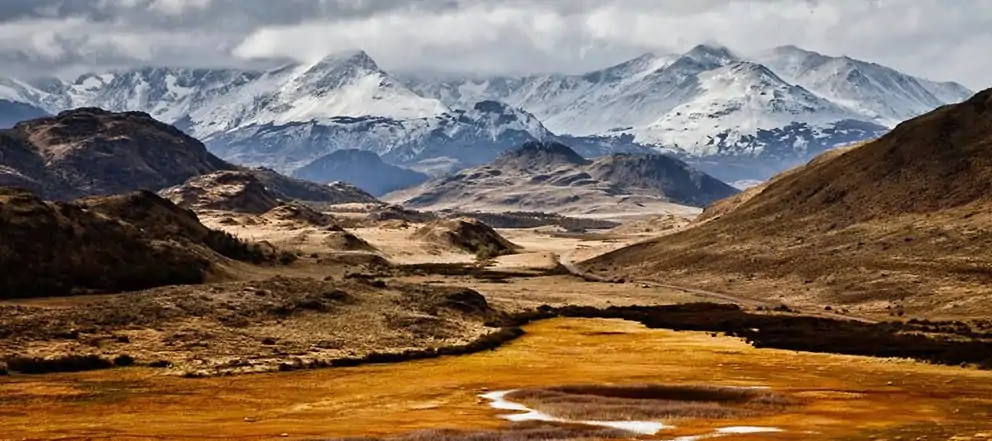
Today, the Route of Parks protects some of the world’s most spectacular landscapes, including snow-capped peaks, glacial fjords, ancient forests, pristine rivers, volcanic terrain, and diverse wildlife habitats. The project has become an international model for large-scale conservation, demonstrating how public-private partnerships can permanently protect critical ecosystems while supporting sustainable economic growth through tourism and recreation.
The Tompkins’ work also helped inspire a broader conservation movement throughout Patagonia. Many private landowners have embraced stewardship practices that protect wildlife habitat, native forests, fisheries, and scenic landscapes while continuing to operate working ranches and recreational properties. Conservation easements and thoughtful land management have become valuable tools for preserving the character of Patagonia without sacrificing responsible private ownership.
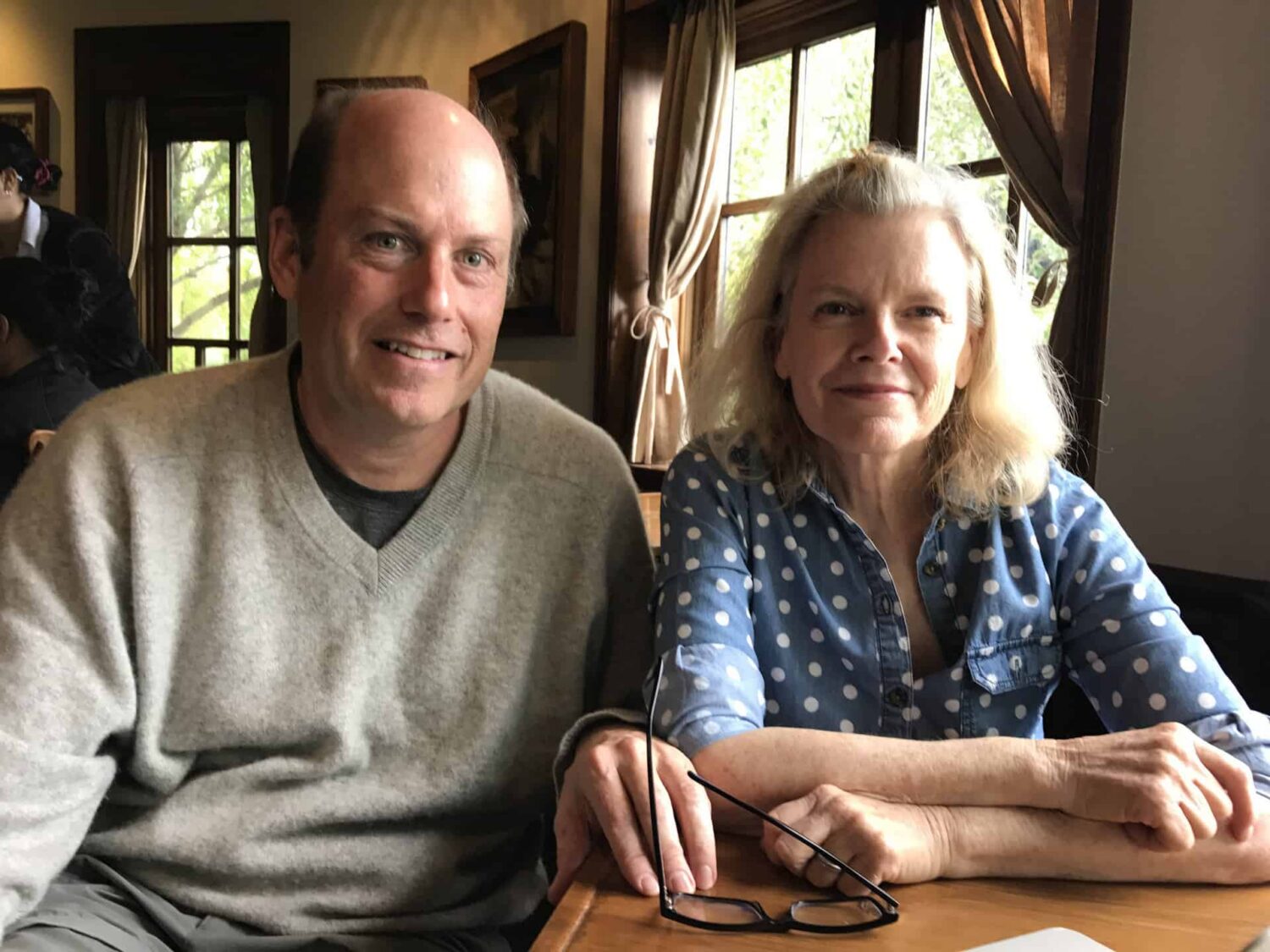
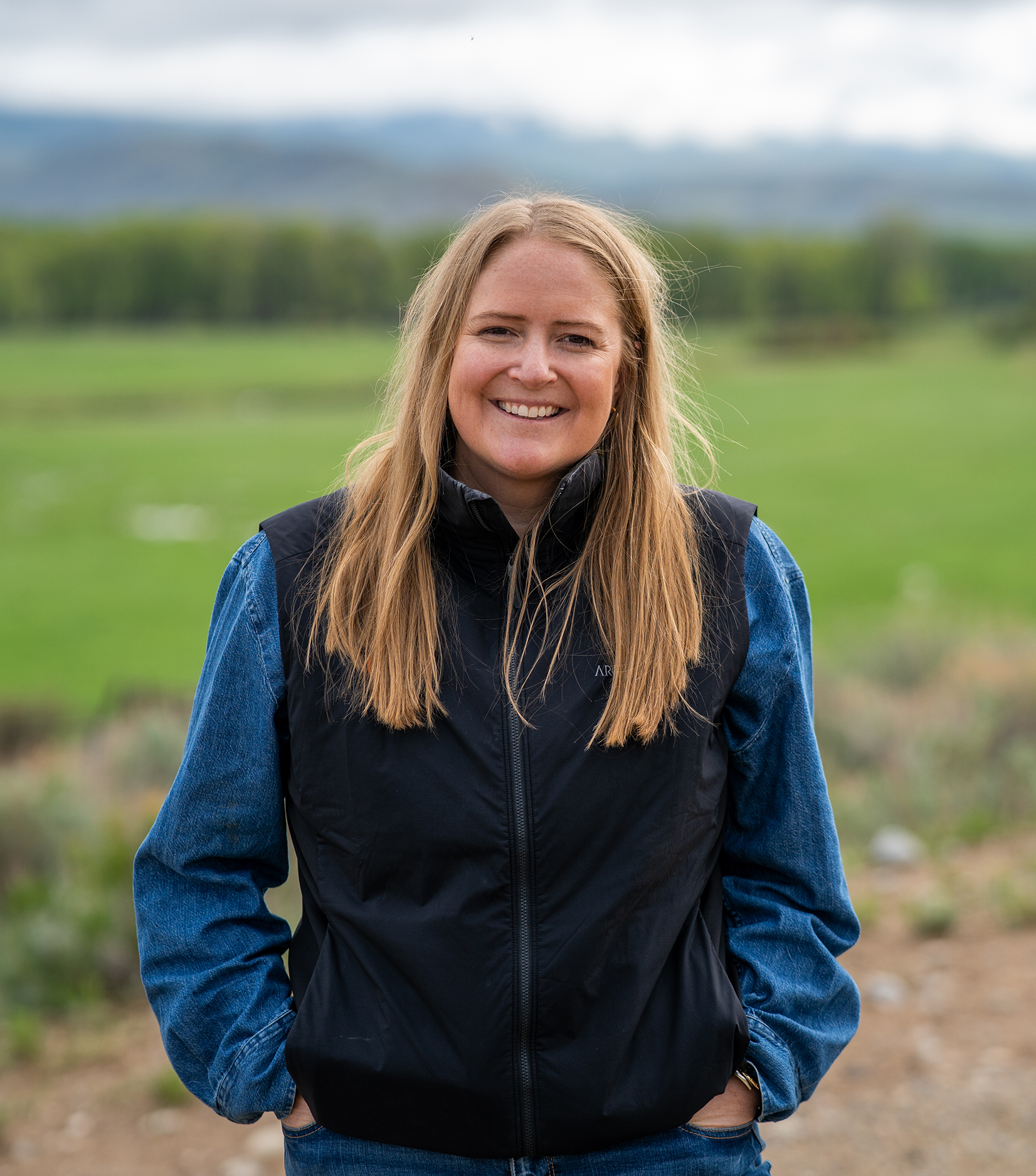
Doug Tompkins, who passed away in 2015 following a kayaking accident on General Carrera Lake, believed that wilderness held value beyond its economic use. He often described national parks as “one of the greatest expressions of democracy that a country can realize,” preserving a nation’s natural heritage for future generations. Kris Tompkins has continued carrying that vision forward through Tompkins Conservation and numerous ongoing restoration initiatives across South America.
For those considering land ownership in Patagonia, conservation and stewardship remain deeply woven into the region’s identity. Many of Patagonia’s most exceptional ranches offer not only extraordinary recreational opportunities but also the chance to participate in the long-term preservation of one of the world’s last great wild landscapes.
As interest in conservation-minded ranch ownership continues to grow, Patagonia stands as a remarkable example of how private landowners, conservation organizations, and governments can work together to protect irreplaceable landscapes while ensuring they remain productive, accessible, and resilient for generations to come.
The protection of this 10 million acres will promote long-term conservation of biodiversity and wildlife, and that’s not the only benefit. Chile is attempting to make ecotourism one of the main regional economic drivers. The new park will bring over 43,000 jobs to the community and generate $270 million annually in tourism income.
Sources:
http://www.conservacionpatagonica.org/blog/2017/03/30/4000-acres-added-to-patagonia-park/
http://news.nationalgeographic.com/2017/03/historic-gift-helps-chile-protect-10-million-acres/
Be the first to see the latest Ranch news and advice
 0
0
Start saving properties by clicking the + button on any property page.